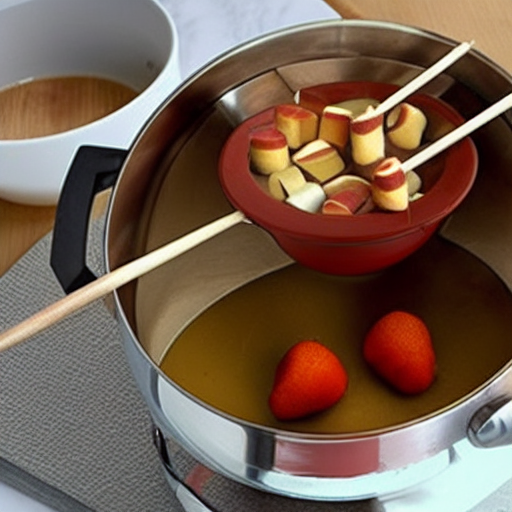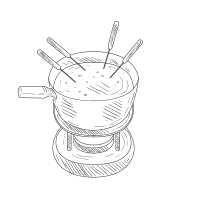
Different Types of Fondue Pots Available

Fondue Pots

Understanding the Core Types of Fondue Pots

Choosing the right pot is the first step to fondue success. The main categories are defined by their material and heat source, each creating a different dining experience.

Classic Ceramic (Crock) Pots

Best For: Cheese and chocolate fondues.

How They Work: These pots are heated by a small tea light candle. The thick ceramic construction provides gentle, even heat that is ideal for melting delicate ingredients without scorching.

Pain Points:

  • Incapable of reaching the high temperatures required for oil or broth fondues.
  • Heat can be inconsistent and may be too low for some recipes.

Unique Insight: The dimple or recess on the bottom of many ceramic pots isn’t just for design; it’s engineered to create an air gap that helps the candle heat the pot more efficiently rather than just scorching the base.

Electric Fondue Pots

Best For: Versatility! Can often handle cheese, chocolate, oil, and broth.

How They Work: Simply plug into an outlet and use the adjustable thermostat for precise temperature control from low melts to high-temperature frying.

Pain Points:

  • The power cord can be cumbersome on the dining table.
  • Typically more expensive than non-electric options.
  • Not usable outdoors without a power source.

Unique Insight: Many modern electric pots have a “non-stick” ceramic or titanium coating, which is a huge upgrade from older Teflon models and makes cleanup from cheesy fondues significantly easier.

Sturdy Cast Iron Pots

Best For: Oil and broth fondues (Fondue Bourguignonne & Fondue Chinoise).

How They Work: The pot is heated on a stovetop until very hot, then transferred to a stand with a burner (usually gel fuel or alcohol) to maintain the high temperature at the table.

Pain Points:

  • Extremely heavy and retains heat for a very long time, posing a significant burn risk.
  • Requires regular seasoning to maintain its non-stick properties and prevent rust.
  • Not ideal for delicate cheese or chocolate fondues, as it will get too hot and cause scorching.

Elegant Enameled Cast Iron Pots

Best For: A stylish, all-in-one solution. Excellent for cheese, chocolate, and broth.

How They Work: These function like raw cast iron but feature a porcelain enamel coating. This eliminates the need for seasoning and allows for easier cleaning and more vibrant colors.

Pain Points:

  • The enamel coating can chip if knocked against a hard surface.
  • Often the most expensive type of pot.

Unique Insight: High-quality enameled cast iron, like Le Creuset, can go directly from the stovetop to the table, making it one of the most seamless and elegant types of fondue pots available.

Choosing Your Pot: A Side-by-Side Comparison

Use this table for a quick reference to help you decide which fondue pot is right for you.

Feature Ceramic (Crock) Electric Cast Iron
Best For Cheese, Chocolate All Types (Most Versatile) Oil, Broth
Heat Source Tea Light Candle Electric Cord Gel Fuel / Stove
Temp Control Low (Limited) High (Precise) Very High
Cleanup Easy Moderate Difficult (Seasoning)
Durability Fragile Moderate Very Durable
Price $ $$ $$

Beyond the Basics: Unique and Specialty Fondue Pots

The Original Caquelon

A true “caquelon” is the specific name for the earthenware pot used in traditional Swiss cheese fondue. It’s not just any ceramic pot; its rough interior is designed to help cheese cling and slowly develop a “soccarate”—a golden-brown crust of toasted cheese at the bottom that is considered a delicacy to be shared at the end of the meal.

Multi-Cooker & Raclette Combos

Modern innovation has brought us combination appliances. These often feature a raclette grill on top for melting cheese over individual pans, with a fondue pot below for a shared dipping experience. This offers two distinct and popular Swiss dining traditions in one convenient device.

Frequently Asked Questions (FAQs)

Can I use a regular pot for fondue?

Answer: You can absolutely heat your fondue base (like cheese or broth) in a regular pot on the stove. However, for serving at the table, a dedicated fondue pot is highly recommended for both safety and maintaining consistent temperature control throughout your meal.

What is the most versatile type of fondue pot?

Answer: An electric fondue pot is generally the most versatile of the different types of fondue pots available. Its adjustable thermostat allows it to maintain the low, gentle heat needed for chocolate and the high, sustained heat required for frying with oil or simmering broth.

How do I clean a fondue pot, especially after cheese?

Answer: The method varies by material. For ceramic and electric pots with non-stick coatings, let the pot soak in warm, soapy water. For traditional cast iron, avoid soap; use hot water and a stiff brush, then dry it thoroughly over low heat and apply a thin layer of cooking oil to re-season it. Always refer to your manufacturer’s instructions first.

Are fondue pots safe to use?

Answer: Yes, when used correctly. Key safety tips include: keeping cords and fuel sources away from the table’s edge, placing the pot on a stable, heat-resistant trivet, never leaving a lit burner or candle unattended, and supervising children closely around the hot pot and forks.

Conclusion: The perfect fondue pot is the one that matches your favorite fondue style. Whether you’re a cheese traditionalist, a meat-and-broth enthusiast, or have a sweet tooth for chocolate, understanding the different types of fondue pots available is your key to hosting many memorable, interactive meals. Choose the pot that best fits your culinary adventures.


Related Articles

Try Our Free Tool: Use our Fondue Pot Selector to find the perfect fondue pot for your needs.

How To Choose The Right Fondue Pot

Fondue Cooking


How To Choose The Right Fondue Pot: The Ultimate Guide

Fondue is a fun, social dining experience, but the wrong pot can lead to a disappointing mess. This guide will walk you through every consideration to ensure your next fondue night is a success.

Understanding Your Fondue Style: The First Step

Cheese Fondue

Requires gentle, consistent, low heat. A pot that’s too hot will cause the cheese to separate and become oily.

Chocolate Fondue

Needs very low, delicate heat to avoid scorching the chocolate. A flame that’s too strong is the enemy.

Oil or Broth Fondue (Fondue Bourguignonne)

Requires high heat to maintain a rolling boil or hot enough oil for cooking raw meat.

Key Factors in How To Choose The Right Fondue Pot

Material Matters: The Heart of the Heat

Ceramic or Stoneware: Best for cheese and chocolate. Provides even, gentle heat distribution. (Pain Point: Can be fragile and may crack with sudden temperature changes).

Cast Iron: Excellent heat retention, great for all fondue types. Heats very evenly. (Pain Point: Very heavy and requires seasoning to prevent rust).

Stainless Steel: Durable, lightweight, and often non-reactive. Ideal for oil and broth fondues. (Pain Point: Can create hot spots if the base is thin).

Copper: Heats quickly and very evenly, a classic choice. (Pain Point: Often requires a tin or stainless steel lining and can be expensive to maintain).

The Heat Source: Fueling the Fun

Gel Fuel / Liquid Fuel (Sterno): Portable, easy to use, and offers good flame control. Best for cheese and chocolate.

Denatured Alcohol Burner: Provides a clean, hot flame, excellent for all fondue types.

Electric: The ultimate in temperature control. You can set an exact temperature, making it foolproof for beginners. (Pain Point: You’re tethered to an outlet, limiting portability).

Induction-Compatible: If you have an induction cooktop, this is a modern and highly efficient option.

Capacity and Shape

Consider how many people you typically host. A 1-quart pot is good for 2-4 people; 2-3 quarts is better for a party. A curved or rounded pot (caquelon) is traditional for cheese, making it easier to stir.

Head-to-Head: Fondue Pot Material Comparison

Material Best For Pros Cons
Ceramic Cheese, Chocolate Gentle heat, traditional look Fragile, slow to heat
Cast Iron All Types Superior heat retention, durable Very heavy, requires maintenance
Stainless Steel Oil, Broth Lightweight, durable, easy clean Can have hot spots
Electric All Types (esp. beginners) Precise temperature control Not portable, cord can be clumsy

Avoiding Common Fondue Fails

Scorched Chocolate or Separated Cheese

This is almost always a heat issue. Solution: Use a pot with a heavy base (cast iron, thick ceramic) and a gentle fuel source.

The Pot That Won’t Stay Hot

A common problem with thin metal pots during oil fondue. Solution: Prioritize heat retention (cast iron) or use a powerful fuel source.

A Dangerous, Tippy Setup

A tall, narrow pot on a small stand is a hazard. Solution: Look for a stable, wide base on both the pot and the stand.

The Impossible Clean-Up

Burnt-on cheese is a nightmare. Solution: Soak the pot immediately after use. Non-stick interiors can be a major help.

The Pro’s Secret: What You Might Not Know

The “Swiss Rule” for Cheese Fondue

In Switzerland, it’s believed that a well-used, unwashed ceramic pot (simply wiped clean) seasons over time, much like a cast-iron skillet, and improves the flavor of subsequent fondues. While not for everyone, this highlights the importance of a dedicated pot for cheese to avoid flavor transfer.

Frequently Asked Questions (FAQs)

Can I use a regular pot on the stove instead of a fondue pot?

While you can melt ingredients in any stove-safe pot, a dedicated fondue set is designed for safe, stable tabletop use with a consistent heat source, which is crucial for the experience.

What is the most versatile type of fondue pot?

A high-quality cast iron or a well-reviewed electric pot is your best bet for handling cheese, chocolate, and oil with minimal fuss.

How do I control the temperature of a fuel-based fondue pot?

Most burners have a sliding lid to regulate airflow and flame size. For a lower flame, partially close the lid.

Is a non-stick coating a good idea for a fondue pot?

For cheese and chocolate, a non-stick interior can be a lifesaver for clean-up. Just ensure you use wooden or silicone forks to avoid scratching the coating.

Conclusion: Recap that knowing How To Choose The Right Fondue Pot comes down to matching the pot’s material and heat source to your preferred fondue style. By considering these factors, you can invest in a centerpiece that will deliver perfect, memorable meals for years to come.


Related Articles

Try Our Free Tool: Use our Fondue Pot Selector to find the perfect fondue pot for your needs.

Ideas for Romantic Fondue Dinners for Two

Romantic Fondue Dinners

Why Fondue is the Ultimate Romantic Meal

The Power of a Shared Experience

Fondue transforms a simple meal into an interactive event. Cooking and eating from a shared pot naturally encourages conversation, laughter, and a deeper connection, turning dinner into a collaborative and memorable experience.

Slow Down and Savor the Moment

In our fast-paced world, fondue forces you to pause. There’s no rushing; each morsel is dipped and enjoyed at a leisurely pace, allowing you and your partner to truly be present with one another.

Creative Themes for Your Fondue Evening

The Classic Alpine Retreat

Transport yourselves to a cozy Swiss chalet. Serve a traditional cheese fondue with crusty bread, cornichons, and pearl onions. Enhance the ambiance with soft folk music, warm blankets, and rustic decor for a snug, mountain-inspired night.

Chocolate Lovers’ Dream

Indulge in pure decadence with a dark chocolate fondue. Offer a variety of dippers like strawberries, marshmallows, and pound cake. Set the mood with dim lighting, sensual jazz, and the rich aroma of chocolate for an intensely romantic finish.

Around the World Fondue Tour

Take a culinary journey without leaving home. Plan a multi-course fondue menu featuring different global styles—start with French Raclette, move to a Japanese-inspired broth fondue, and end with Mexican chocolate spiced with chili. Decorate with travel-themed items and a global music playlist.

Fireside Picnic Indoors

Create a casual, intimate setting with a rustic fondue picnic. Serve a beer-based cheese fondue with sausages and apples, followed by a simple caramel fondue. Lay out a blanket in front of the fireplace (or a virtual one) for a cozy, low-key evening.

Solving Common Fondue Pain Points

“I’m Worried About the Mess!”

Prevent drips and spills by setting up a dedicated fondue station. Use long-stemmed forks, provide plenty of napkins and small plates for drips, and keep a trash bowl nearby to maintain a tidy and stress-free environment.

“My Cheese Always Clumps or Breaks.”

Avoid clumpy cheese by tossing shredded cheese with a bit of cornstarch or flour before adding it to the heated liquid. This little-known trick helps maintain a smooth, creamy consistency. Also, cook over low heat and stir in a gentle figure-8 motion for best results.

“How Do I Keep the Conversation Flowing?”

While fondue naturally encourages interaction, prepare a few conversation starters or a fun couple’s quiz as a backup. This ensures the evening remains engaging and relaxed, even if conversation lulls.

Cheese vs. Chocolate vs. Broth: Picking Your Perfect Fondue

The Romantic Vibe Check

Type Best For Vibe
Cheese Fondue Cozy, traditional comfort Warm and intimate
Chocolate Fondue Indulgent, sensual celebration Decadent and playful
Broth or Oil Fondue Active, culinary adventure Interactive and engaging

Your Romantic Fondue Dinner FAQs

What if we don’t have a fondue pot?

No problem! A small slow cooker on a low setting works well for cheese or chocolate fondue. For broth fondue, use a small saucepan on an electric hot plate with caution to maintain a safe, steady heat.

What’s the best drink to pair with a cheese fondue?

A dry white wine like Sauvignon Blanc or a crisp cider complements the richness of cheese fondue beautifully. For non-alcoholic options, try a light lager or black tea to balance the flavors.

How can I make the night feel extra special without a big budget?

Focus on ambiance: dim the lights, use candles or string lights, dress up, and put phones away. Attention to detail—like a personalized playlist or handwritten note—creates magic without high costs.

Are there any fun traditions we should know about?

In Swiss tradition, if you drop your bread in the cheese pot, you owe your partner a kiss or must buy the next bottle of wine. Feel free to invent your own playful rules to make the night uniquely yours!

With a bit of planning, a fondue dinner for two can be a profoundly romantic and unforgettable experience. So, light some candles, melt your favorite ingredients, and enjoy creating a special evening together with these ideas for romantic fondue dinners for two.


Related Articles

Try Our Free Tool: Use our Fondue Glossary to look up any fondue term or technique.

Making Fondue with Seasonal Ingredients: A Delicious and Cozy Treat

Seasonal Ingredients

Why Seasonal Ingredients Elevate Your Fondue Game

Transform your fondue from a simple dish into a culinary journey that celebrates the rhythm of nature. Using what’s fresh and in-season not only enhances flavor but also brings a deeper connection to your food and community.

Peak Flavor for an Unforgettable Experience

Seasonal produce is harvested at its nutritional and flavorful peak, offering superior taste and texture. Imagine a summer tomato bursting with sweetness or an autumn apple with crisp, tart notes—these elements make your fondue base and dippers truly exceptional.

Supporting Local & Sustainable Practices

Choosing seasonal ingredients often means supporting local farmers and reducing the environmental impact of long-distance food transport. It’s a small step with a big impact on your community and planet.

A Budget-Friendly Gourmet Approach

When produce is in season, it’s abundant and less expensive. This allows you to create a luxurious, gourmet fondue experience without straining your wallet.

Your Seasonal Fondue Menu: A Guide for Every Time of Year

Adapt your fondue to the changing seasons with these inspired ideas that highlight the best of each period.

Spring Awakening: Lighter, Brighter Flavors

Welcome spring with fondue that reflects renewal and freshness. A Gruyère and Fontina cheese fondue accented with dry white wine and fresh herbs like chives or tarragon pairs perfectly with steamed asparagus, baby potatoes, and radishes.

Summer Bounty: Fresh and Vibrant Creations

Embrace the abundance of summer with a light broth fondue for cooking zucchini, bell peppers, and cherry tomatoes. For dessert, try a white chocolate fondue infused with fresh basil or mint, served with strawberries, peaches, and pound cake.

Autumn Harvest: Rich and Earthy Tastes

As the air turns crisp, opt for a rich Cheddar and Emmentaler cheese fondue enhanced with nutmeg and hard cider. Complement it with roasted Brussels sprouts, apple slices, and pretzel bread for a cozy, satisfying meal.

Winter Warmth: Deep and Comforting Combinations

Warm up during the cold months with a dark chocolate fondue spiced with cayenne, orange zest, or bourbon. Serve with clementine segments, dried figs, and gingerbread cookies for a festive treat.

Pain Points Solved by Seasonal Fondue

Address common hosting and cooking challenges with the versatile and thoughtful approach of seasonal fondue.

“I’m Bored of the Same Old Fondue.”

Solution: A seasonal roadmap ensures your fondue is ever-changing and exciting, adapting to the freshest ingredients available each month.

“I Want to Host, But I’m on a Budget.”

Solution: Seasonal shopping is cost-effective, allowing you to create an impressive, varied fondue spread without high costs.

“How Do I Make a Meal Feel Special and Thoughtful?”

Solution: Curating a fondue around the season shows intentionality and care, making any gathering feel personalized and memorable.

Classic vs. Seasonal Fondue: A Quick Comparison

Feature Classic Fondue Seasonal Fondue
Flavor Profile Consistent, traditional Dynamic, changes with the seasons
Ingredient Source Often relies on year-round, shipped produce Prioritizes fresh, local, in-season items
Creativity & Uniqueness Standardized experience Highly customizable and unique to your region and time of year
Cost Can be higher for out-of-season items Generally more budget-friendly

Pro Tips for a Flawless Seasonal Fondue

Elevate your fondue game with these expert suggestions, including a little-known secret for perfect texture.

The Unique Tip: Your Secret Weapon is… Cornstarch!

While many use cornstarch to prevent cheese clumping, a tiny pinch mixed into the cream before adding chocolate ensures a silky-smooth dessert fondue that won’t seize or separate.

Prep is Key

Chop and arrange all dippers before melting your fondue base to maintain a warm, inviting pot and avoid last-minute chaos.

Balance Your Dippers

Combine a variety of textures and flavors—crunchy (like apples or bread), soft (like potatoes or pears), savory, and sweet—for a well-rounded fondue experience.

Frequently Asked Questions (FAQs)

Get answers to common questions to ensure your seasonal fondue is a success.

Can I make fondue without a special fondue pot?

Yes! Use a heavy-bottomed saucepan on low heat, then transfer to a pre-warmed slow cooker set to “warm” for serving.

My cheese fondue is too thick/too thin. How can I fix it?

Too Thick: Whisk in additional warm liquid (wine, broth, or cream).
Too Thin: Create a cornstarch slurry with cold wine or water, whisk into the fondue, and simmer briefly to thicken.

What are some unique seasonal ingredients I might not have thought of?

Consider adding roasted garlic puree to autumn cheese fondue or infusing chocolate with fresh rosemary in winter. These subtle twists can elevate your fondue uniquely.

How do I keep my dessert fondue from being too sweet?

Use high-quality dark chocolate (70% cocoa) as a base, and add a pinch of sea salt or a splash of tart liqueur like Chambord to balance the sweetness.

Conclusion: Your Cozy, Seasonal Adventure Awaits

Embrace the joy of making fondue with seasonal ingredients as a way to celebrate coziness, connection, and the ever-changing tapestry of nature. Visit your local market, pick what’s fresh, and create a delicious, memorable treat that delights all year round.


Related Articles

Try Our Free Tool: Use our Fondue Pot Selector to find the best fondue pot for easy maintenance.

How to Make Fondue Without a Fondue Pot

Fondue With A Pot

Why You Don’t Need a Fancy Pot to Enjoy Fondue

Fondue is a wonderfully social and delicious culinary experience that shouldn’t be limited by owning a single, specialized piece of equipment. The good news is that learning how to make fondue without a fondue pot is simple and opens up this classic dish to everyone, using items you likely already have in your kitchen.

Common Pain Points (And How We Solve Them)

“I don’t want to buy a unitasker appliance.”

Solution: We will use versatile, multi-purpose cookware that you already own, saving you money and cupboard space.

“I’m worried about keeping the fondue warm and smooth.”

Solution: This guide covers gentle, indirect heat sources and key techniques to prevent your cheese from breaking or your chocolate from scorching.

“My kitchen is small, and I have no storage space.”

Solution: This method requires zero extra storage. You’ll be using your everyday pots, pans, and bowls.

“It seems too complicated for a casual get-together.”

Solution: We break the process down into easy, manageable steps that are perfect for a stress-free, casual party.

Your Kitchen Arsenal: The Best Fondue Pot Alternatives

The Double Boiler (The Ultimate Choice for Cheese Fondue)

Why it works: It provides gentle, indirect heat from steam, which is crucial for preventing cheese from seizing, breaking, or burning. This is the most controlled method.

How to set it up: Simply place a heatproof glass or stainless steel bowl over a pot of simmering water, ensuring the bottom of the bowl doesn’t touch the water.

The Slow Cooker or Crock-Pot (The “Set It and Forget It” Method)

Why it works: Excellent for keeping fondue at a perfect, consistent, low temperature for hours. It’s ideal for parties as it becomes a self-contained serving vessel.

How to use it: You can make the fondue directly in the slow cooker on a low setting or transfer a prepared fondue into it to keep warm.

A Heavy-Bottomed Saucepan (The Quick Stovetop Method)

Why it works: A high-quality saucepan with a thick base (like enameled cast iron or tri-ply stainless steel) distributes heat evenly, reducing hot spots. This method is best for chocolate fondue, which is less prone to breaking than cheese.

Pro Tip: Always use the absolute lowest heat setting on your stove and stir constantly.

Step-by-Step: How to Make Fondue Without a Fondue Pot

Step 1: Choose Your Vessel and Heat Source

Decide which method suits your fondue type best: a double boiler for delicate cheese fondues or a heavy-bottomed saucepan for robust chocolate fondues.

Step 2: Prepare Your Fondue Base

For Cheese: Grate your cheese and toss it with a tablespoon of cornstarch or flour. This helps prevent clumping. In your chosen pot, gently heat your wine, beer, or other acidic liquid.

For Chocolate: Chop your chocolate bar or blocks finely for quick and even melting.

Step 3: The Melting Process – Low and Slow is Key

For Cheese: Gradually add your cornstarch-dusted cheese to the warm liquid, stirring in a zig-zag or figure-eight pattern (not circular) until creamy and smooth.

For Chocolate: Pour warm cream or heated liquid over the chopped chocolate and let it sit for a minute before stirring until silky smooth.

Step 4: Transfer and Serve

Unique Tip: For a truly rustic and heat-retentive serving dish, preheat a heavy ceramic bowl or, for a unique autumn twist, a small, cleaned-out sugar pumpkin or acorn squash! A ceramic bowl warmed in a low oven (around 200°F / 95°C for 10-15 minutes) will keep your fondue warm far longer than a room-temperature bowl. If using a slow cooker, simply place it on the “Warm” setting on your table.

Fondue Pot vs. No Fondue Pot: A Quick Comparison

Feature Traditional Fondue Pot DIY Alternatives
Cost Can be expensive Uses items you already own
Heat Control Built-in, but can be too aggressive More precise control with your stovetop
Versatility Primarily a single-use appliance Your pots and pans have many uses
Storage Requires dedicated space No extra storage needed
End Result Authentic experience Equally (or more) delicious fondue

Your Fondue Without a Pot FAQs, Answered

Can I reheat leftover fondue?

Yes! The key is gentle reheating. Use a double boiler or a saucepan on the lowest possible heat. As it warms, stir in a small splash of the original liquid (wine for cheese, cream for chocolate) to bring it back to a smooth, dippable consistency.

What can I use for a fondue fork substitute?

Regular dinner forks, wooden or metal skewers, toothpicks for small items, or even small salad forks work perfectly. Just be sure to provide a separate plate or bowl for each guest to place their used utensil to avoid cross-contamination.

My cheese fondue became stringy and clumpy. What went wrong?

This is usually caused by excessive heat, which causes the cheese proteins to tighten and the fats to separate. To fix it, remove it from the heat and vigorously whisk in a splash of lemon juice or a bit of hot cream. To prevent it, always use low heat, toss your cheese in cornstarch, and add the cheese gradually while stirring constantly.

Is it safe to use a ceramic bowl on a stovetop?

No. Never place a ceramic, stoneware, or glass bowl directly on an electric coil or gas burner, as it will crack or shatter due to thermal shock. A ceramic bowl should only be used as a serving vessel (after being warmed in an oven) or as the top part of a double boiler, where it is heated by steam, not direct contact with the heat source.

Dive In and Enjoy!

The true magic of fondue lies in the shared experience—the laughter and conversation around a communal pot. Don’t let the lack of specialized equipment hold you back. Gather your friends, choose your favorite dippers, and enjoy the delicious, cozy experience of your very own homemade, pot-less fondue.


Related Articles

Try Our Free Tool: Use our Fondue Pot Selector to find the perfect fondue pot for your needs.

The Perfect Wine Pairing for Cheese Fondue

Wine and Fondue

Why Your Wine Choice for Fondue Matters

Selecting the right wine isn’t just about preference; it’s about chemistry. The wrong choice can turn a cozy, indulgent meal into a disappointing experience. The fat in cheese, the acidity in wine, and the tannins in reds all interact on your palate, making the pairing crucial for enjoyment.

The Common Pain Points of a Bad Pairing

  • The wine overpowers the delicate cheese flavors: A bold, oaky wine can mask the nuanced taste of Gruyère or Emmental.
  • Tannic reds clash with the fat, creating a metallic taste: This is a classic mistake that leaves an unpleasant, astringent feeling in your mouth.
  • An overly sweet wine makes the fondue cloying: Sweetness competes with the savory richness, resulting in a heavy, unbalanced flavor profile.
  • The ultimate disappointment: a ruined cozy meal: Fondue is about comfort and sharing; a bad wine pairing can undermine the entire experience.

The Golden Rule of The Perfect Wine Pairing for Cheese Fondue

The age-old adage, “What grows together, goes together,” is your best guide. Classic Swiss and French fondue cheeses like Gruyère and Emmental hail from regions that also produce wines specifically suited to complement them. An insider’s secret: the most harmonious pairing often involves drinking the same type of wine that you use in the fondue recipe itself, creating a seamless flavor bridge.

Top Wine Contenders for Your Cheese Fondue

The Classic White Wine Champion: Dry & Crisp

White wines with high acidity are the traditional and safest choice, as they cut through the fat and refresh the palate.

  • Sauvignon Blanc: Its zesty acidity and notes of citrus and grass act as a perfect counterbalance to the richness.
  • Dry Riesling (Trocken): Offers vibrant acidity with subtle stone fruit flavors, without any distracting sweetness.
  • Chasselas (Fendant): The insider’s choice. This is the traditional Swiss wine used in and served with fondue. It’s light, slightly effervescent (“spritzy”), and has a distinct minerality that makes it the quintessential pairing.
  • Pinot Gris (Alsace style): A fuller-bodied white with sufficient acidity and a clean, dry finish.

The Surprising Red Wine Option: Light & Fruity

While white is king, certain reds can work if you choose carefully. The key is low tannins and high fruitiness.

  • Gamay (Beaujolais): With its low tannins and bright, juicy flavors of red cherry and raspberry, it’s a fantastic and friendly red option.
  • Pinot Noir: A light-bodied red with high acidity and red fruit notes can work beautifully, especially if served slightly chilled to emphasize its crispness.

Wines to Avoid: Bold, tannic reds like Cabernet Sauvignon, Syrah, or Malbec will clash harshly with the cheese.

The Unique & Bubbly Wildcard

Don’t overlook sparkling wines and rosés for a fun and effective pairing.

  • Dry Sparkling Wines (Brut Champagne, Crémant): The bubbles and high acidity act as a superb palate cleanser, scrubbing away the richness with every sip.
  • Rosé (Dry Provencal style): This versatile option combines the acidity of a white wine with the subtle berry notes of a red, making it a modern and crowd-pleasing choice.

Comparison: White vs. Red Wine with Cheese Fondue

Feature White Wine Light Red Wine
Best For Traditional, purist pairings Heartier fondues or red wine lovers
Effect Cleanses the palate Complements with fruitiness
Risk Factor Low Medium (must choose the *right* red)
Example Sauvignon Blanc, Chasselas Gamay, Pinot Noir

Beyond the Bottle: What to Drink If You Don’t Like Wine

Fondue is for everyone, and excellent non-alcoholic pairings exist that follow the same principles of cutting richness and complementing flavor.

Excellent Non-Alcoholic & Other Pairings

  • Apple Cider (Hard or Non-Alcoholic): The sharp, autumnal flavor and slight sweetness are a natural partner for cheese.
  • Herbal Tea: A warm cup of peppermint or chamomile tea can be surprisingly soothing and effective at cutting through the fat.
  • Light Lager or Wheat Beer: The carbonation and crisp, clean finish work similarly to a sparkling wine, resetting your palate between bites.

Frequently Asked Questions (FAQs)

Can I use the same wine in the fondue that I’m drinking?

Answer: Absolutely! This is the best way to guarantee a harmonious pairing. If you cook with a crisp, dry white like Sauvignon Blanc, drinking the same wine ensures the flavors are in perfect sync.

What if my fondue has a unique cheese, like a strong blue cheese?

Answer: Adjust your pairing to match the intensity. A sweeter wine like Sauternes or a fortified wine like Port can stand up to the bold, salty, and pungent flavors of blue cheese, creating a classic and decadent combination.

Is there a single, safest wine choice for most cheese fondues?

Answer: Yes. A dry, unoaked Sauvignon Blanc or a Swiss Chasselas is your most versatile and foolproof bet for a classic Gruyère-based fondue. Their high acidity and neutral profile make them incredibly food-friendly.

Does the temperature of the wine matter?

Answer: Yes, and this is a pro-tip many forget. Serve white and sparkling wines well-chilled (45-50°F / 7-10°C) and light reds slightly cooler than room temperature (55°F / 13°C). A cold temperature enhances acidity and refreshment, which is crucial for balancing the rich, warm fondue.


Related Articles

Try Our Free Tool: Use our Fondue Cheese Pairing Guide to discover the best cheese combinations for your fondue.

Best Meat Options for Oil Fondue

Meat and Fundue Cooking

What Makes a Meat Perfect for Oil Fondue?

Choosing the right meat is crucial for a successful oil fondue. The high-heat, quick-cook method demands specific qualities to ensure safety, flavor, and texture.

Key Characteristics to Look For

  • Tenderness: Tender cuts are essential as the brief cooking time doesn’t allow tough fibers to break down.
  • Lean vs. Marbled Fat: A balance is key. Too much fat causes splattering, but a little marbling enhances flavor.
  • Low Moisture Content: Surface moisture is a major hazard, leading to violent oil splatter. Meat must be thoroughly dried.
  • Flavor Profile: Since the meat’s natural taste shines, high-quality, fresh cuts are a must.

The Ultimate List of Best Meat Options for Oil Fondue

Here’s a curated selection of meats that excel in an oil fondue setup, ensuring a delicious and safe experience.

Beef: The Fondue Classic

  • Top Tier: Filet Mignon (tenderloin), Sirloin, Ribeye (trimmed of excess fat).
  • Preparation: Cut into uniform, 1-inch cubes for even cooking.

Pork: A Sweet and Savory Choice

  • Top Tier: Pork Tenderloin, Pork Loin.
  • Why it Works: These cuts are lean, tender, and absorb marinades well.
  • Preparation Tip: Cook to a safe internal temperature of 145°F.

Poultry: Lean and Delicate

  • Top Tier: Skinless, boneless Chicken Breast, Turkey Breast.
  • Crucial Safety Note: Poultry must be cooked thoroughly. Use a separate color-coded fondue fork to prevent cross-contamination.

Lamb: A Gourmet Twist

  • Top Tier: Lamb Loin Chops (deboned and cubed), Leg of Lamb.
  • Flavor Pairing Suggestion: Serve with a mint yogurt sauce for a refreshing contrast.

Game Meats (The Unique & Unexpected)

  • Suggestions: Bison/Buffalo, Venison.
  • Unique Insight: These meats are often leaner than beef and offer a rich, robust flavor that holds up beautifully to high-heat cooking—a tip many home chefs overlook.

Meat to Avoid in Your Fondue Pot

Not all meats are suitable for oil fondue. Some can ruin the experience with tough texture or safety hazards.

Why Some Cuts Are a Bad Idea

  • Tough, Slow-Cook Cuts: Avoid chuck roast, brisket, or pork shoulder; they become chewy and tough.
  • Processed Meats: Steer clear of sausages with casings that may burst or pre-marinated meats with high water content.
  • Overly Fatty Cuts: Excessive fat leads to oil smoking, splattering, and an unpleasant cooking environment.

Preparation is Key: Getting Your Meat Fondue-Ready

Proper preparation ensures even cooking and minimizes risks. Follow these steps for perfect fondue meat.

The Art of Cutting and Trimming

  • Cut meat into uniform 1-inch cubes for consistent results.
  • Pat meat completely dry with paper towels—a critical step to prevent dangerous oil splatter.

Simple Marinades and Seasonings

  • Try easy marinades like herb & garlic, teriyaki, or mustard-herb.
  • Marinate before patting dry to lock in flavor without adding moisture during cooking.

Beef vs. Chicken: A Fondue Showdown

Comparing two popular choices helps you decide based on your preferences and needs.

Aspect Beef Chicken
Flavor & Texture Rich, robust; tender and juicy when cooked medium-rare. Milder, delicate; tender when thoroughly cooked.
Cooking Time & Safety Quick (30-60 seconds for rare/medium-rare). Longer (2-3 minutes to reach 165°F); use a meat thermometer.
Best For Purists and crowd-pleasers seeking classic fondue experience. Lean, budget-friendly option ideal for marinades.

Frequently Asked Questions (FAQs)

Common queries answered to clear any doubts and enhance your fondue expertise.

Can I use frozen meat for oil fondue?

Answer: No. Frozen or partially frozen meat has high water content, leading to dangerous oil splattering. Always use fully thawed and patted-dry meat.

How long should I cook each type of meat?

Answer: Use this general guide, but a meat thermometer is recommended for accuracy:

Meat Type Approximate Cooking Time
Beef 30 seconds – 2 minutes (for desired doneness)
Pork 1.5 – 2 minutes
Chicken/Turkey 2-3 minutes (until no longer pink)

What are the best dipping sauces for meat fondue?

Answer: Classic choices include Béarnaise, Horseradish Cream, Chimichurri, and Garlic Aioli.

What is the best oil to use for meat fondue?

Answer: Oils with a high smoke point are ideal, such as peanut, canola, avocado, or sunflower oil.

By following this guide, you’re equipped to choose the best meat options for oil fondue for an unforgettable and safe dining experience. So gather your friends, heat the oil, and get ready to cook up a fantastic feast!


Related Articles

Try Our Free Tool: Use our Fondue Dipping Ingredients Selector to find the perfect dipping combinations for your fondue.

How to Clean And Maintain Your Fondue Pot

Cleaning Fondue Pots

Why Proper Care is Crucial for Your Fondue Pot

Your fondue pot is more than just a cooking vessel; it’s the centerpiece of social gatherings and culinary creativity. Proper cleaning and maintenance ensure it remains a reliable partner for years to come, preserving both its function and the quality of your meals.

The Consequences of Improper Cleaning

Neglecting your fondue pot can lead to a host of problems that affect your cooking and the pot itself:

  • Stuck-on Residue: Cheese, chocolate, or oil can harden and bond to the surface, making future cleaning difficult and potentially burning during the next use.
  • Burnt Flavors: Old, burnt-on food can impart unpleasant, acrid tastes to new fondues, ruining the delicate flavors of cheese, chocolate, or broth.
  • Rust and Corrosion: Especially for cast iron pots, moisture left after cleaning can lead to rust, which compromises the pot’s integrity and can be unsafe.
  • Permanent Stains and Damage: Harsh cleaning methods or neglect can cause discoloration, pitting, or even cracks in materials like ceramic or enamel.

Extending the Lifespan of Your Heirloom Appliance

With proper care, a high-quality fondue pot can last for generations. Regular maintenance prevents wear and tear, ensuring it remains a functional and beautiful heirloom. A well-maintained pot also performs better, heating evenly and retaining temperature effectively for the perfect fondue experience every time.

Understanding Your Fondue Pot Material (The First Step to Proper Care)

Different materials require different care strategies. Identifying your pot’s composition is the first step to effective cleaning and maintenance.

Ceramic or Stoneware Pots: Gentle Giants

Known for their excellent heat retention and even heating, these pots are ideal for cheese and chocolate fondues. They are, however, prone to cracking if subjected to sudden temperature changes. Handle with care and avoid abrasive cleaners.

Cast Iron Pots: The Seasoned Workhorse

Cast iron is incredibly durable and provides superb, even heat distribution, making it perfect for oil and broth fondues. Its secret is the “seasoning”—a layer of polymerized oil that creates a natural non-stick surface. Harsh soaps can strip this seasoning away.

Stainless Steel or Enameled Pots: The Modern Easy-Clean

These pots are often the most low-maintenance. Stainless steel is resistant to rust and staining, while enameled surfaces (often over cast iron) provide a non-porous, easy-to-clean finish that doesn’t require seasoning.

Copper Pots: The Classic (But High-Maintenance) Beauty

Copper offers unparalleled heat conductivity for precise temperature control. However, it reacts with acidic foods and tarnishes easily, requiring specialized cleaners and regular polishing to maintain its gleaming appearance.

Your Step-by-Step Guide: How to Clean And Maintain Your Fondue Pot After Use

Follow this universal process after every fondue session to keep your pot in pristine condition.

The Golden Rule: Let it Cool Completely

Never submerge a hot pot in water or clean it while it’s warm. The thermal shock can cause cast iron to warp or crack ceramic and stoneware. Allow the pot to cool to room temperature naturally.

Step 1: Tackling the Remnants (Scraping and Pre-Rinse)

Remove any large, leftover food chunks with a soft silicone or wooden spatula. Avoid metal utensils that can scratch the surface. Follow with a gentle pre-rinse using warm water to loosen remaining residue.

Step 2: The Main Wash (Material-Specific Methods)

  • For Ceramic/Stoneware: Use a mild dish detergent and a soft sponge or cloth. Avoid abrasive scouring pads which can scratch the glazed surface.
  • For Cast Iron: Use hot water and a stiff-bristled brush (nylon or dedicated cast iron brush) to scrub away food. Avoid soap to preserve the seasoning. For stuck-on bits, use coarse salt as a gentle abrasive.
  • For Stainless Steel/Enamel: Regular dish soap is perfectly safe. Use a non-abrasive sponge to clean. These materials can handle a wider range of cleaners.
  • For Copper: Use a cleaner specifically formulated for copper. Apply with a soft cloth, rinse thoroughly, and dry immediately to prevent water spots.

Step 3: Thorough Drying and Final Inspection

This is a critical, often overlooked step. Dry the pot completely with a soft towel. For cast iron, place it on a warm stovetop burner for a few minutes to evaporate any lingering moisture. Do not air-dry, as this invites rust. Once dry, do a quick visual inspection for any new scratches, chips, or signs of wear.

Something Unique You Might Not Know

For stubborn, burnt-on cheese in any pot, try this chef’s trick: Add a small amount of white vinegar or a paste of baking soda and water to the pot and let it sit for 15-20 minutes before scrubbing. The mild acidity of the vinegar helps break down the dairy proteins, while the baking soda acts as a gentle abrasive and deodorizer. Rinse thoroughly afterward.

Solving Common Fondue Pot Pain Points

“My Cheese Fondue Burned and Stuck to the Bottom!”

This is a classic issue. Fill the pot with warm, soapy water and let it soak for an hour or more. For a more powerful solution, use the vinegar or baking soda method mentioned above. Gently scrape the bottom with a wooden or plastic utensil to lift the residue.

“There’s a Lingering Smell of Oil in My Pot.”

To deodorize, create a paste with baking soda and a small amount of water. Scrub the interior of the pot, let it sit for 30 minutes, then rinse. For stainless steel, you can also boil a mixture of water and lemon juice or white vinegar for 10 minutes.

“My Cast Iron Pot is Losing its Seasoning.”

This means the protective oil layer is wearing thin. It’s time to re-season. Thoroughly clean and dry the pot, then apply a very thin layer of a high-smoke-point oil (like canola, grapeseed, or flaxseed) to the entire interior surface. Place it upside down in a 350°F (175°C) oven for one hour. Let it cool in the oven.

“I See Discoloration or Light Rust Spots.”

For light rust on cast iron, scrub the area with a steel wool pad or a dedicated rust eraser. Re-season immediately afterward. For discoloration on stainless steel or copper, use a dedicated polish. Discoloration inside an enameled pot is often just staining and is usually harmless, but abrasive cleaners should be avoided.

Proactive Maintenance for a Pristine Pot

The Art of Seasoning a Cast Iron Fondue Pot

Seasoning isn’t a one-time task. A well-used cast iron pot should be re-seasoned periodically, especially if food starts to stick or the surface looks dull. The oven method described above is the most thorough. For a quick touch-up, you can apply a thin layer of oil and heat the pot on the stove until it just starts to smoke, then let it cool.

Proper Storage Solutions to Prevent Damage

Always store your fondue pot completely dry. Place a paper towel inside ceramic or cast iron pots to absorb any ambient moisture. If stacking, place a soft cloth or paper towel between pots to prevent scratches. Store the pot with its lid off to allow for air circulation.

Regular Check-ups: Inspecting for Cracks and Wear

Before each use, give your pot a quick once-over. Look for hairline cracks in ceramic, chips in enamel, or any signs of rust. Addressing small issues early can prevent them from becoming major problems.

Fondue Pot Care Comparison Chart

Material Recommended Cleaner Dishwasher Safe? Key Maintenance Tip
Ceramic / Stoneware Mild dish soap, soft sponge Usually No Avoid thermal shock; cool completely before washing.
Cast Iron Hot water, brush, coarse salt Absolutely Not Re-season regularly to maintain non-stick surface.
Stainless Steel / Enamel Dish soap, non-abrasive sponge Often Yes (check manufacturer’s guide) Prone to water spots; dry immediately after washing.
Copper Specialized copper cleaner No Polish regularly to prevent tarnish and maintain appearance.

Frequently Asked Questions (FAQs) About Fondue Pot Care

Can I put my fondue pot in the dishwasher?

It depends entirely on the material. Stainless steel and some enameled pots are often dishwasher-safe, but you should always check the manufacturer’s instructions. Cast iron, copper, and ceramic/stoneware should never be put in the dishwasher, as the harsh detergents and high heat can ruin their surfaces and seasoning.

How do I remove a persistent, burnt-on smell?

Create a baking soda paste, apply it to the interior, and let it sit for several hours or overnight. The baking soda will absorb the odor. Rinse thoroughly. For a deeper clean, boil a 50/50 solution of water and white vinegar for 10 minutes, then wash as usual.

Is it safe to use abrasive scrubbers or steel wool?

Generally, no. Abrasive materials like steel wool can scratch and permanently damage the surfaces of ceramic, enamel, and stainless steel. They should only be used as a last resort for removing severe rust from unseasoned cast iron, and the pot must be re-seasoned immediately afterward.

My ceramic pot has a hairline crack. Is it still safe to use?

No. A crack, even a small one, compromises the structural integrity of the pot. It can expand when heated, potentially causing the pot to break apart and creating a safety hazard. It can also harbor bacteria. It’s best to retire a cracked ceramic fondue pot.

How often should I re-season my cast iron fondue pot?

There’s no fixed schedule. Re-season your pot when food begins to stick more than usual, the surface looks dull or patchy, or you notice any hint of rust. For a frequently used pot, this might be once or twice a year. For occasional use, a thorough seasoning at the start of the fondue season may be sufficient.

Conclusion: Enjoy a Perfect Fondue Every Time

Knowing how to clean and maintain your fondue pot is the secret to decades of delightful entertaining and delicious meals. By understanding your pot’s material, following a consistent cleaning routine, and addressing issues proactively, you transform a simple kitchen task into an investment in countless future gatherings. With a little care, your fondue pot will be ready to create warm, cheesy, chocolatey, or savory memories for years to come.


Related Articles

Try Our Free Tool: Use our Fondue Pot Selector to find the perfect fondue pot for your needs.

Different Types Of Bread For Cheese Fondue

Bread and Fondue

Why Your Bread Choice Matters in Fondue

The Role of Bread: More Than Just a Dipper

Bread in fondue serves multiple critical functions beyond being a simple vehicle for cheese. It needs structural integrity to withstand the heat of the melted cheese without disintegrating, a porous interior to absorb the rich flavors, and a complementary taste profile that enhances rather than competes with the cheese. The right bread transforms a simple dip into a harmonious culinary experience.

Common Pain Points When Choosing Bread

  • Soggy Mess: Using soft, airy bread that disintegrates in the pot, leaving you with a cheesy spoonful instead of a neat bite.
  • Flavor Clash: Selecting a bread with a dominant flavor, like an overly sweet cinnamon raisin, that overpowers the delicate notes of Gruyère or Emmental.
  • The Lost Cube: Bread that falls off the fork and is lost in the fondue, forcing an awkward retrieval mission.
  • Stale & Tough: Using bread that is too hard or crusty, making it difficult to spear and dip, leading to a frustrating experience.

The Top Contenders: A Guide to Different Types Of Bread For Cheese Fondue

The Classic Foundation: Crusty Artisan Loaves

  • French Baguette: The gold standard. Its sturdy crust provides structural support, while the soft, airy interior (the crumb) soaks up cheese perfectly without falling apart.
  • Sourdough: Its distinct tangy flavor actively cuts through the richness of traditional fondue cheeses, cleansing the palate between bites.
  • Ciabatta: Prized for its large, irregular holes (open crumb) and chewy texture, which are ideal for trapping and holding large amounts of cheese.

Hearty & Wholesome: Rye and Pumpernickel

The earthy, slightly sour notes of rye bread pair wonderfully with Swiss and German-style fondues. Its denser texture holds up exceptionally well.

Unique Insight: A dark pumpernickel can add a stunning visual contrast on a fondue platter. Its malty sweetness is a surprising and delightful complement to sharp cheddar-based fondues, a pairing many haven’t considered.

Rustic & Robust: Multigrain and Seeded Breads

Seeds and whole grains add a delightful crunch and a nutty flavor that can elevate a simple cheese fondue. The varied textures provide a more complex eating experience.

Caution: Be mindful of breads with too many loose seeds (like poppy seeds) that could fall into the fondue and alter its texture.

A Unique Twist: Pretzel Bread and Bagels

For a different approach, denser, chewy options like pretzel rolls or mini bagels work wonderfully. Their salty exterior enhances the cheese’s flavor, creating a savory-salt balance that is highly addictive.

Bread Showdown: A Comparison Guide

Bread Type Texture Flavor Profile Best For
Crusty Baguette Crisp crust, soft and airy interior Neutral, slightly yeasty The classic choice for traditional Swiss fondue; lets the cheese shine.
Hearty Sourdough Chewier, denser crumb Tangy, acidic Cutting through extra-rich, heavy cheese blends.
Soft Dinner Roll Very soft, fluffy Mild, buttery Generally not recommended due to poor durability.
Dense Pumpernickel Very dense, moist Earthy, malty, slightly sweet Bold, flavorful fondues (e.g., sharp cheddar); excellent stability.

Pro Tips for Preparing Your Fondue Bread

The Golden Rule: Stale is Better

Using slightly day-old bread is a pro secret. As bread stales, it loses moisture, making it less likely to become a soggy mess when introduced to hot, liquid cheese. It provides the perfect sturdy base for dipping.

Cutting for Success: Cubes vs. Wedges

For most breads, aim for 1-inch cubes with a bit of crust on each piece to ensure they stay on the fork. For baguettes, cut them on a sharp angle to create a longer, crustier wedge that offers more surface area for dipping and a comfortable handle.

The Secret for a Perfect Bite: Toasting

Unique Insight: Lightly toasting your bread cubes in a 300°F (150°C) oven for 5-10 minutes before serving is a game-changer very few home cooks utilize. This step dries out the surface just enough to create a perfectly crisp exterior that “locks in” the cheese upon contact. This prevents messy drips and creates a sublime textural contrast between the crunchy bread and the smooth, molten cheese.

Frequently Asked Questions (FAQs)

Can I use gluten-free bread for cheese fondue?

Yes, absolutely. The key is to select a dense, sturdy gluten-free loaf, often those made with a blend of seeds and whole-grain flours. Toasting it thoroughly is non-negotiable, as it helps prevent the common crumbling issue associated with gluten-free breads.

What is the absolute worst type of bread to use?

Highly processed, soft white sandwich bread is the worst offender, as it lacks structure and turns into a gluey, unappetizing mass in the fondue. Similarly, very flaky breads like croissants should be avoided as they shed layers into the pot.

Should the bread be served warm or at room temperature?

Room temperature is standard and recommended. Warm bread can cause the cheese to become too runny and slide off the piece too quickly, making for a messy bite.

How far in advance can I cube the bread?

You can cube the bread a few hours ahead of your fondue party. The best way to store it is in a paper bag or a loosely covered bowl at room temperature. This allows it to dry out slightly (a good thing for fondue!) without becoming unpleasantly hard.


Related Articles

Try Our Free Tool: Use our Fondue Cheese Pairing Guide to discover the best cheese combinations for your fondue.

Using Leftover Fondue: Creative Recipes for your Next Meal

Using Leftover Fondue

Using Leftover Fondue: Creative Recipes for Your Next Meal

We’ve all been there after a fondue party, staring at a pot of congealed cheese or hardened chocolate. This isn’t a problem, but an opportunity. This guide will show you how to turn that leftover fondue into the star of your next breakfast, lunch, or dinner.

The Fondue Leftover Predicament: Common Pain Points

Let’s address the specific frustrations people have with leftover fondue.

The Texture Tango: From Silky to Solid

Cheese fondue separates and becomes grainy or rubbery when reheated incorrectly. Chocolate fondue can seize or become chalky.

The Flavor Fade: Is It Still Good?

Worrying that the flavors have diminished or that the fondue has absorbed other smells from the fridge.

The “Same Meal, Second Day” Boredom

Not wanting to just re-dip the same bread and vegetables, leading to food waste.

Reinventing Your Leftover Cheese Fondue

Here are the core solutions for your savory leftovers.

The Ultimate Gourmet Grilled Cheese

Spread the leftover cheese fondue between bread for a deeply flavorful, melty sandwich. Try adding caramelized onions or ham for extra depth.

Savory Fondue Soufflé or Egg Scramble

Gently fold warmed fondue into beaten eggs before scrambling or baking into a fluffy, decadent soufflé for a luxurious breakfast or brunch.

Elevated Fondue Potato Gratin

Layer sliced potatoes in a baking dish and pour thinned-out fondue over the top before baking for a rich, cheesy gratin that’s far superior to standard versions.

The “Fondue-Burger” Fusion

Use the fondue as a gourmet burger topping or mix it directly into ground beef patties for an incredibly juicy and flavorful burger experience.

Sweet Transformations for Leftover Chocolate Fondue

Transform your sweet leftovers into delightful new desserts.

Decadent Hot Chocolate or Mocha Sauce

Gently warm the chocolate fondue with milk or cream to create instant luxurious hot chocolate, or drizzle over coffee for an elegant mocha.

No-Bake Chocolate Fondue Truffles

Mix chilled chocolate fondue with crushed cookies, oats, or nut butter, then roll into balls and coat with cocoa powder or sprinkles for effortless truffles.

Fondue-Stuffed French Toast or Pancakes

Use the fondue as a filling for stuffed French toast or swirl it into pancake batter for a decadent breakfast treat.

Cheese vs. Chocolate: A Leftover Fondue Showdown

This comparison helps you understand the different handling techniques for each type.

Reheating Rules: Gentle Heat vs. Low & Slow

Cheese Fondue Chocolate Fondue
Requires gentle, indirect heat (double boiler) with a splash of wine or milk to reconstitute Best reheated very slowly and stirred constantly to prevent seizing

Shelf Life & Storage Smarts

Type Refrigerator Life Best Storage
Cheese Fondue 3-4 days Airtight glass container
Chocolate Fondue 3-4 days Airtight container with parchment paper pressed on surface

Versatility Verdict: Which Leftover Wins?

Cheese fondue offers more versatility for savory meals, while chocolate fondue reigns as a dessert powerhouse. It’s essentially a tie depending on your culinary needs!

Leftover Fondue FAQs: Your Questions, Answered

How long is leftover fondue good for?

Properly stored in an airtight container, it’s best used within 3-4 days. Always check for off smells or mold before using.

Can I freeze leftover fondue?

It’s possible but not ideal. Cheese fondue can become grainy upon thawing. Chocolate fondue freezes better but may need re-tempering. For best results, use it fresh within a few days.

My cheese fondue is lumpy after being in the fridge. Can I fix it?

Yes! Gently reheat it in a double boiler with a small amount of acidic liquid (like white wine or lemon juice) while whisking constantly. The acid helps re-emulsify the fats and proteins.

What’s a unique way to use fondue that most people don’t know?

Unique Insight: Use a small amount of strongly flavored cheese fondue (like one with Gruyère and white wine) as a base for a next-level risotto. Stir it in at the end instead of Parmesan for an incredibly deep and complex flavor that standard risotto can’t achieve.

Conclusion: Your Leftover Fondue Journey Starts Now

Leftover fondue is a secret ingredient, not a burden. See your next fondue party not as an end, but as the beginning of several delicious meals. Pick one creative recipe and try using leftover fondue in a brand new way tonight!


Related Articles

Try Our Free Tool: Use our Fondue Recipe Generator to generate a custom fondue recipe tailored to your taste.

Affiliate Disclosure: FondueCooking.com is a participant in the Amazon Services LLC Associates Program, an affiliate advertising program designed to provide a means for sites to earn advertising fees by advertising and linking to Amazon.com. As an Amazon Associate we earn from qualifying purchases. Learn more