The Fondue Tasting Party: Your Guide to the Side-by-Side Cheese Comparison Format
Beyond the Single Pot
You gather around a single pot, anticipating rich, complex flavors. Instead, you get a monotonous, vaguely cheesy glue. The subtle notes of alpine pasture or nutty aging are lost in a homogenous melt. This disappointment is the pain point of traditional fondue. The solution is not a better recipe, but a better format. Mastering the Side-by-Side Cheese Comparison Format transforms a simple meal into an epicurean exploration. It is the key to unlocking the nuanced, spectacular world of cheese, turning guests into informed tasters and a dinner into an event.
Foundational Choices – The Hardware of Comparison
Your equipment is not just cookware; it is the essential stage for a flawless tasting. The right setup allows direct comparison without cross-contamination or logistical chaos.
Pot Selection and Sizing
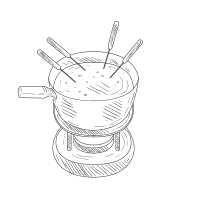
You need multiple melting vessels. Individual small caquelons (traditional fondue pots) offer authenticity and portability. A single station with multiple burners provides centralized control. For a tasting with 6-8 guests, I recommend three pots. This number creates a manageable, insightful flight. Each pot should serve 2-4 people for tasting portions. Ceramic or enameled cast iron pots retain heat evenly, which is crucial for maintaining the perfect texture throughout your party.
The Tasting Station Setup
Layout dictates flow. Arrange pots in a line or a wide arc on a stable, heat-resistant table. Ensure each pot has its own dedicated burner, fork set, and serving spoon. Label each station clearly with the cheese’s name. Create clear pathways so guests can move from one pot to the next without bottlenecking. Safety is paramount: keep cords and fuel canisters secured away from reaching arms and flowing sleeves.
Fuel and Utensil Materials
Consistent, adjustable heat is non-negotiable. Your choice of fuel and forks directly impacts control and experience.
| Component Category | Options | Key Characteristics |
|---|---|---|
| Heat Source | Gel Fuel, Ethanol Burner, Sterno |
Gel Fuel: Easy and safe; offers limited heat adjustment. Ethanol Burner: Provides excellent, adjustable flame; requires careful handling. Sterno: Reliable and common; can impart a slight odor if not covered. |
| Fork Material | Stainless Steel, Color-Coated |
Stainless Steel: Durable and traditional; all forks look identical. Color-Coated: Essential for a tasting. Different colors prevent guests from mixing forks between pots, which would muddy the comparison. |
The Core System – Managing the Perfect Melt
Fondue-making is a controlled, replicable chemical process, not magic. You manage two critical variables to achieve a silken, stable emulsion every time.
Variable 1: Temperature Control
The ideal melt happens between 160°F and 180°F (71°C-82°C). This is a gentle simmer, never a boil. Boiling cheese causes proteins to tighten violently, squeezing out fat and water. The result is a grainy, broken, oily mess. Use your burner’s adjustability to maintain a low, steady heat. A quick-read thermometer is your best friend for the initial melt. After that, watch for lazy, bubbling foam—the sign of perfect fondue heat.
Variable 2: Emulsion Stability
A fondue is an emulsion: fat and water held together by proteins and starch. The key to stability is acid and starch. The wine’s tartaric acid or a squeeze of lemon juice helps proteins disperse evenly. A cornstarch or flour slurry, tossed with the grated cheese, provides the structural net that holds everything in suspension. Your method is constant, gentle stirring in a figure-eight pattern with a wooden spoon. This incorporates heat evenly and encourages the smooth union of wine and cheese.
Advanced Practices – Curating Your Cheese Flight
With the melt mastered, the art begins. This is where you design the comparative experience that enlightens and delights.
Preparation: The Cheese Selection Matrix
Build your flight around a theme. This focuses the comparison and highlights differences. Choose three cheeses. For a classic Alpine Showdown, select Gruyère (bold, crystalline), Comté (complex, nutty), and Appenzeller (herbaceous, spicy). For a Milk Type Marathon, compare a cow’s milk Gouda, a goat’s milk Bûcheron, and a sheep’s milk Manchego. For a Process & Additive exploration, pit a traditional Emmentaler against a beer-infused fondue cheese and a commercial “fondue mix.” The contrast is educational and delicious.
Ongoing Inputs: Dippers & Accompaniments
Dippers are diagnostic tools. Offer a neutral canvas like day-old sourdough cubes to assess the cheese pure. Then provide contrast: tart apple slices, blanched broccoli florets, or cured meat like Speck. These change the cheese’s expression on the palate, revealing new facets. Crucially, include palate cleansers. A basket of cornichons, pickled pearl onions, and sips of dry, acidic white wine (like Sauvignon Blanc) reset taste buds between pots, ensuring each cheese is tasted fresh.
Tasting Strategy: The Comparison Method
Guide your guests. Encourage them to examine each pot’s visual texture and color. Have them inhale the aroma above the steam. As they taste, prompt them to note the mouthfeel (silky, creamy, stringy?) and the flavor evolution (initial hit, mid-palate, finish). Provide simple note cards or a shared board to jot words like “brown butter,” “hazelnut,” or “grassy.” Facilitate discussion by asking, “How does the finish of Pot 2 differ from Pot 1?” This structured approach turns eating into analysis and shared discovery.
Threat Management – Saving a Broken Fondue
A proactive stance guarantees success. Your first and best defense is impeccable technique.
Prevention: The Golden Rules
Always grate your cheese finely and evenly. Bring it to room temperature. Use a dry, acidic wine. Dust the cheese with your starch. Stir constantly over gentle heat. Following these rules prevents 95% of fondue failures before they start.
Intervention: The Rescue Protocol
If your fondue turns grainy or separates into a pool of fat, act immediately. First, take the pot off the heat. Vigorously whisk in a teaspoon of fresh lemon juice or a splash of cold wine. If that fails, mix a new slurry of one teaspoon cornstarch with one tablespoon of wine or kirsch. Whisk this into the broken fondue vigorously over low heat. For a last-ditch effort, toss in a handful of fresh, starch-dusted bread cubes and stir; they can sometimes re-absorb excess fat and help re-emulsify.
Your Tasting Party Calendar
| Phase | Primary Tasks | What to Focus On |
|---|---|---|
| Planning (1 Week Prior) | Finalize your 3-cheese flight theme. Source pots, burners, and color-coded forks. Plan dipper and accompaniment menu. | Balance and Contrast. Ensure your cheeses are distinct yet comparable. |
| Day Of (Setup) | Grate all cheeses; keep separated. Set up labeled tasting stations. Prepare all dipper boards and palate cleansers. Measure wine and starch for each pot. | Organization and Mise en Place. Every component should be ready to go. |
| During the Party | Manage burner heat. Demonstrate the tasting method. Facilitate conversation and note-sharing. Replenish dippers. | Being the Conductor. You are guiding an experience, not just cooking dinner. |
The Transformation at the Table
The core principle is proven: controlled, side-by-side comparison is the fastest path to deep understanding and pure joy. You have journeyed from selecting the right hardware to managing a chemical emulsion, from curating a cheese flight to leading a guided tasting. The result is not just a meal. It is the animated conversation, the “aha!” moments of discovery, the shared laughter as opinions are debated. It is the profound satisfaction of hosting a memorable, insightful event that enriches everyone’s palate. This is the power of the Fondue Tasting Party and its definitive Side-by-Side Cheese Comparison Format.
Related Articles
- Tips for Preventing Cheese Fondue from Burning
- The Best Cheese Fondue Pot for Home Use: Cast Iron, Ceramic, or Electric?
- Virtual Fondue Party Ideas: Remote Entertaining During Distance
- Fondue Bar Setup for Weddings and Large Events