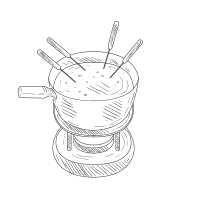

A cheese fondue pot isn’t just a vessel — it’s the difference between a silky, bubbling centerpiece and a scorched, clumpy mess. The right pot keeps your cheese at a low, steady heat so guests can dip bread, vegetables, and charcuterie for the entire evening without the fondue separating or burning. This guide breaks down the three main types of cheese fondue pots, what to look for when buying, and exactly how to use one at home.
What Makes a Great Cheese Fondue Pot?
The best cheese fondue pot for home use does three things well: it holds a gentle, even heat, it’s the right size for your crowd, and it’s easy to clean. Here’s what to consider before you buy.
How Much Pot Do You Need?
Fondue pot size is measured in quarts, and for cheese fondue the rule is simple:
- 1 to 1.5 quarts — ideal for 2 to 3 people
- 1.5 to 2 quarts — the sweet spot for 4 to 6 people
- 2+ quarts — best for larger dinner parties of 8 or more
For most home gatherings, a 1.5 to 2-quart pot hits the mark.
Which Material Is Best for Cheese Fondue?
The material of your pot directly affects how your cheese melts. Here’s a quick comparison:
| Material | Heat Distribution | Best For | Notes |
|---|---|---|---|
| Ceramic | Gentle, even | Cheese and chocolate | Traditional choice; the Swiss caquelon is ceramic |
| Enameled Cast Iron | Excellent retention | Long dinner parties | Heavier but holds heat beautifully |
| Stainless Steel | Good | All fondue types | More forgiving; great for electric sets |
For pure cheese fondue, ceramic is the traditional Swiss choice — the classic earthenware pot is called a caquelon, and it’s designed specifically to keep cheese warm without scorching it.
Best Cheese Fondue Pots by Type
Best Ceramic: Swissmar Caquelon Series
Swissmar’s ceramic caquelons are the closest you’ll get to a Swiss mountain hut experience at home. The enamel interior is easy to clean, the gentle heat prevents burning, and the long handle makes moving the pot to the table safe and simple. Available in 1.2-quart and 1.6-quart sizes — the larger is ideal for four people sharing a classic Gruyère-Emmental blend.
Best Cast Iron: Artestia Cast Iron Fondue Set
If you entertain regularly and want something that will last decades, an enameled cast iron pot is worth the investment. The Artestia set includes color-coded forks for 6 and a gel burner stand. The cast iron retains heat longer than ceramic, which means fewer flame adjustments during a long meal.
Best Electric: Cuisinart CFO-3SS Electric Fondue Maker
For beginners, an electric fondue pot removes the guesswork entirely. The Cuisinart CFO-3SS has a non-stick interior, a detachable cord for easy serving and cleanup, and a temperature dial that keeps cheese in its ideal range (around 120–140°F). It also works for chocolate, broth, and oil — making it the most versatile option.
How to Use a Cheese Fondue Pot (Step-by-Step)
Here’s the classic method for a Gruyère and Emmental fondue:
- Rub the inside of the pot with a halved garlic clove, then discard the garlic.
- Shred your cheeses fresh — pre-shredded cheese contains starch that prevents smooth melting.
- Warm dry white wine in the pot over medium-low heat until it just begins to simmer.
- Add cheese in small handfuls, stirring in a figure-8 motion between each addition.
- Stir in a splash of kirsch (cherry brandy) and a pinch of fresh nutmeg.
- Transfer to your fondue stand and light the burner — or plug in the electric pot.
- Keep the flame or heat on the lowest setting that maintains a slow bubble.
How to Keep Cheese Fondue Warm Without Burning
The biggest mistake home cooks make is running the heat too high. For a burner pot, use a low, gentle flame — barely a flicker. For electric pots, stay below 140°F. Stir the fondue every few minutes to prevent a skin from forming on top. If the fondue starts to seize or gets too thick, whisk in a tablespoon of warm white wine to bring it back.
Cleaning Your Cheese Fondue Pot
- Let the pot cool completely before washing — thermal shock can crack ceramic.
- Soak in warm, soapy water for 10 minutes to loosen any hardened cheese.
- Use a soft sponge or wooden spatula — never abrasive scrubbers on ceramic or enamel.
- Check your brand’s instructions before putting any fondue pot in the dishwasher.
Frequently Asked Questions
What is a caquelon?
A caquelon is the traditional Swiss ceramic or enameled cast iron pot used for cheese fondue. It has a long handle and a wide, shallow bowl designed to keep cheese evenly warm at low heat.
Can you make cheese fondue without a fondue pot?
Yes. A small Dutch oven or heavy-bottomed saucepan works in a pinch. To keep it warm at the table, transfer to a slow cooker set on its lowest setting or use a portable induction burner.
Is cast iron or ceramic better for cheese fondue?
Both are excellent. Ceramic distributes heat more gently and is the classic choice. Cast iron holds heat longer, making it better for extended entertaining when you don’t want to keep adjusting the flame.
What cheeses work best?
Classic Swiss fondue calls for Gruyère and Emmental in roughly equal parts. For a sharper fondue, add Appenzeller. Always grate cheese freshly — the anti-caking agents in pre-shredded cheese prevent it from melting smoothly.
Ready to host your first fondue night? Check out our Classic Swiss Cheese Fondue Recipe and our guide to Fondue Dipping Sauces to round out your spread.
Related Articles
- Creating Layered Fondue: Multiple Cheese Flavors in One Pot
- Fondue Temperature Zones: Optimal Heat for Different Cheese Types
- How to reheat cheese fondue without losing consistency
- The Best Chocolate Fondue Pot for Home Use: Electric, Tealight, and Mini Options