Vegan Fondue Recipe Options: Enjoying a Delicious and Healthy Meal

vegan fondue

Vegan Fondue Recipe Options: Your Guide to a Delicious and Healthy Meal

Imagine a cozy evening with friends, gathered around a pot of warm, inviting fondue. While many assume this classic dish is off-limits for vegans, we’re here to show you how to create even more delicious, healthier, and creative versions. From creamy “cheese” to decadent chocolate and savory broths, this guide covers all the vegan fondue recipe options you need for a perfect meal.

Why Choose Vegan Fondue? Health & Flavor Benefits

Opting for vegan fondue isn’t just about dietary restrictions—it’s a choice for better health and expanded culinary creativity.

Lighter on Your Stomach

Traditional cheese fondue can be heavy and high in saturated fats. Vegan versions, often made from nuts, potatoes, or vegetables, are easier to digest and leave you feeling satisfied without the bloat.

Allergy-Friendly & Inclusive

Vegan fondue is naturally lactose-free and can easily be adapted to be nut-free and gluten-free, making it ideal for gatherings with diverse dietary needs.

A Canvas for Creativity

Going vegan opens up a world of flavor possibilities. Instead of simply melting cheese, you can craft unique profiles using ingredients like miso, nutritional yeast, and aromatic herbs.

Navigating Common Vegan Fondue Hurdles

We address the most common challenges head-on, so you can create perfect fondue every time.

“How Do I Get That ‘Stretchy’ Cheese Texture?”

The secret lies in using soaked and blended raw cashews as a base. For that iconic stretch, add tapioca starch, which gives a mozzarella-like pull, and nutritional yeast for a cheesy flavor. A little-known tip: adding a pinch of kala namak (black salt) can impart an eggy flavor, perfect for certain cheese-style fondues.

“My Fondue is Too Thin or Lumpy!”

To avoid lumps, use a high-speed blender for ultra-smoothness and sprinkle thickeners like tapioca or cornstarch slowly while blending on low. If your fondue is too thin, a bit more starch mixed with cold water and stirred in over heat will thicken it up.

“What If I’m Allergic to Nuts?”

No problem! Try a white bean and potato base or a steamed cauliflower and oat milk base for a rich, creamy texture without nuts.

Exploring Your Core Vegan Fondue Recipe Options

Here are the foundational recipes to get you started, from classic to quick fixes.

The Classic: Creamy Cashew & Nutritional Yeast Fondue

This recipe delivers a rich, cheesy, and tangy flavor that rivals traditional fondue.

Ingredient Quantity
Raw cashews (soaked) 1 cup
Vegetable broth 1 cup
Nutritional yeast 1/4 cup
Tapioca starch 2 tbsp
Lemon juice 1 tbsp
Garlic (minced) 2 cloves
Dijon mustard 1 tsp

The Gourmet: White Wine & Garlic Almond Fondue

A sophisticated, Swiss-style option with depth from miso and white wine.

Ingredient Quantity
Slivered almonds 1 cup
Dry white wine 1/2 cup
White miso paste 1 tbsp
Garlic 3 cloves
Lemon juice 1 tbsp

The Quick Fix: 5-Minute Vegan Cheese Sauce for Fondue

Perfect for when you’re short on time, using a simple roux and store-bought vegan cheese.

Beyond Cheese: Savory Broth & Oil Fondue Options

Fondue isn’t just about cheese! Try a savory broth with herbs, mushrooms, and soy sauce, or a garlic-infused olive oil for frying.

The Ultimate Vegan Fondue Dipping Station

Complete your fondue experience with a variety of dippers to please every palate.

Bread & Crunchy Things

Cubed sourdough, baguette, pretzel bites, breadsticks, and crackers.

Vegetables (Blanched & Raw)

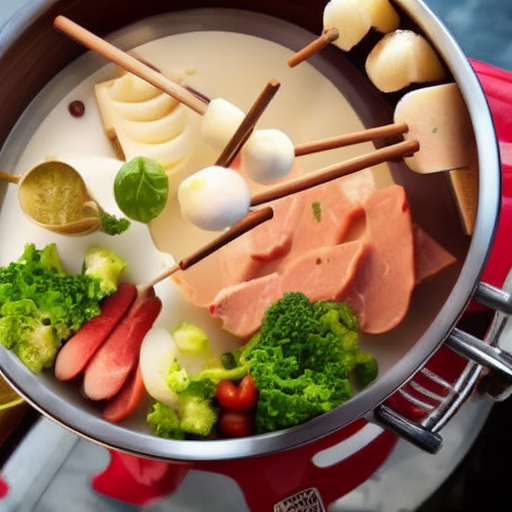
Steamed broccoli, cauliflower, baby potatoes, asparagus, cherry tomatoes, bell pepper strips, and mushrooms.

Fruits & Sweet Surprises

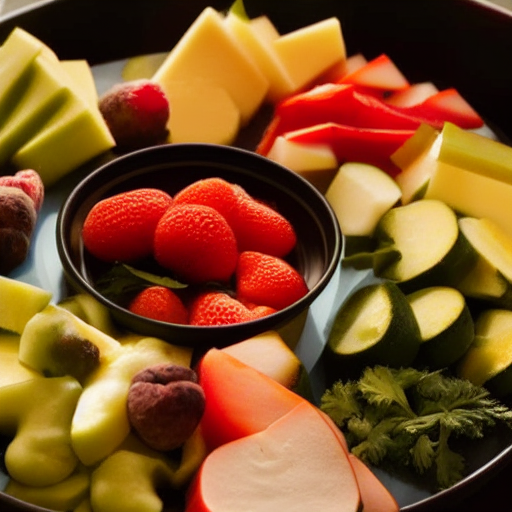
Apple and pear slices, firm strawberries—perfect for bridging to dessert.

Protein Power

Pan-seared vegan sausages, crispy tofu cubes, and tempeh bites.

Don’t Forget Dessert! Vegan Chocolate Fondue Recipe Options

End your meal on a sweet note with easy, decadent chocolate fondue.

The base is simple: high-quality dark chocolate (ensure it’s dairy-free) and full-fat coconut milk. For unique twists, add a pinch of salt, orange zest, a splash of rum, or a dash of chili powder. Serve with strawberries, banana chunks, pineapple, vegan marshmallows, or cubed pound cake.

Your Vegan Fondue FAQs Answered

We tackle the most common questions to ensure your fondue night is a success.

Can I make vegan fondue ahead of time?

Yes! Most cheese-style fondues can be made 1-2 days in advance. Reheat gently in a saucepan, adding a splash of plant-based milk to loosen if needed.

What’s the best type of fondue pot for vegan fondue?

For cheese and chocolate, use a ceramic or cast iron pot over a low flame. For broth or oil, a metal pot with a hotter burner (like gel fuel or electric) is essential.

My fondue seized up and got rubbery. What happened?

This is often due to overheating tapioca starch. Keep it on very low heat once thickened. If it seizes, whisk in hot water or plant-based milk to rescue it.

Are there any store-bought vegan cheeses that melt well for fondue?

Yes, brands like Miyoko’s Kitchen Creamery or Violife melt well. Shred and melt slowly with a bit of wine or plant-based milk for a quick fondue.

Conclusion: Your Vegan Fondue Night Awaits!

With these vegan fondue recipe options, no one has to miss out on the fun and flavor of a classic fondue meal. It’s a healthier, creative, and utterly delicious way to enjoy a timeless dish. Pick your favorite recipe, gather your dippers, and get ready for a memorable feast!


Related Articles

Try Our Free Tool: Use our Fondue Recipe Generator to generate a custom fondue recipe tailored to your taste.

How to Make Fondue with Beer: A Step-by-Step Guide

fondue with beer

Why You’ll Love Beer Cheese Fondue

The Flavor Advantage of Beer

Beer introduces malty, hoppy, or yeasty notes that wine simply can’t replicate, creating a more complex and less acidic flavor profile that enhances the cheese without overpowering it.

The Science of a Smoother Fondue

Unique Insight: The carbonation in beer acts as a natural emulsifier, helping to prevent cheese proteins from clumping together. This results in a smoother, more stable fondue from the very first stir, a distinct advantage over using wine or broth.

Essential Equipment & Ingredients

The Right Fondue Pot is Key

For even, gentle heating, a ceramic or enameled cast-iron pot (caquelon) is ideal. Pair it with a stable heat source like gel fuel or a tea light to maintain the perfect temperature for dipping.

Choosing Your Beer: A Flavor Guide

Best Choices: Ales, lagers, and wheat beers are excellent. Avoid overly bitter IPAs or heavy stouts for your first attempt. A good rule is to use a beer you enjoy drinking on its own.

The Cheese Trio for Perfect Melting

A blend of Gruyère (for nuttiness), Emmentaler (for classic fondue texture), and a sharp Cheddar (for a flavor kick) creates the perfect balance. Coating the shredded cheese in cornstarch is non-negotiable for a lump-free result.

Ingredient Purpose Notes
Gruyère Cheese Provides a nutty, complex flavor base. Do not substitute with pre-shredded cheese.
Lager or Ale Adds depth and aids in smooth emulsification. Avoid dark, bitter beers for first attempts.
Cornstarch Prevents the cheese from clumping and separating. Toss with cheese before adding to the pot.
Garlic Clove Infuses a subtle aromatic base flavor. Rub the inside of the pot; no need to mince.

How to Make Fondue with Beer: Your Step-by-Step Guide

  1. Prep Your Cheese: Toss 1 lb of shredded cheese blend with 1 tablespoon of cornstarch until evenly coated. This is the most critical step to prevent a lumpy fondue.
  2. Garlic the Pot: Cut a garlic clove in half and rub it thoroughly over the inside surface of your fondue pot to infuse a subtle flavor.
  3. Warm the Beer: Pour 1 cup of beer into the pot and warm it over medium heat until it just begins to simmer. Do not let it boil.
  4. The Gradual Melt: Reduce the heat to low. Add the cheese a handful at a time, stirring constantly in a zig-zag motion until each addition is fully melted and smooth.
  5. Season to Perfection: Once all the cheese is incorporated, stir in 1 teaspoon of mustard, a few dashes of Worcestershire sauce, and a pinch of black pepper.
  6. Transfer and Serve: Carefully move the pot to its stand over the lit fuel source. Adjust the heat to maintain a gentle, slow bubble.

Common Beer Fondue Pitfalls & How to Avoid Them

My Fondue is Lumpy!

Cause: Cheese was added too quickly or wasn’t properly coated in cornstarch.
Fix: Remove from heat and whisk in a slurry of 1 teaspoon of cornstarch mixed with 1 tablespoon of cold beer until smooth.

My Fondue is Too Thick or Too Thin

Cause: Incorrect cheese-to-beer ratio or overheating.
Fix: For thick fondue, whisk in a splash of warm beer. For thin fondue, create a cornstarch slurry (as above) and whisk it in over low heat.

The Cheese is Separating or “Breaking”

Cause: The heat was too high, causing the fats and solids to separate.
Fix: Immediately remove from heat, let it cool for a minute, and vigorously whisk in a tablespoon of lemon juice or cream to bring it back together.

Beer Fondue vs. Traditional Wine Fondue

Aspect Beer Fondue Wine Fondue
Flavor Profile Malty, robust, less acidic Sharp, tangy, acidic
Texture Often creamier due to carbonation Can be slightly grainier if not emulsified perfectly
Best Cheese Pairings Cheddar, Gruyère, Emmentaler Gruyère, Emmentaler, Appenzeller
Occasion Casual gatherings, game days More formal dinners, traditional Swiss nights

Dipping Ideas: What to Serve with Beer Cheese Fondue

  • Classic: Cubed crusty bread (baguette), soft pretzels, boiled baby potatoes.
  • Vegetables: Steamed broccoli and cauliflower florets, bell pepper strips, crisp apple slices.
  • Proteins: Cooked sausage slices, grilled chicken chunks, cubed ham.

Frequently Asked Questions (FAQs)

Can I make this fondue non-alcoholic?

Absolutely. You can substitute the beer with an equal amount of non-alcoholic beer or a combination of apple cider and a teaspoon of lemon juice to mimic the acidity and depth.

What type of beer is absolutely the worst for fondue?

Avoid intensely bitter and dark beers like Imperial Stouts or Double IPAs. Their strong, roasted, and hoppy flavors can become unpleasantly bitter when heated and will overpower the delicate cheese.

Can I reheat leftover beer fondue?

Yes, but it requires care. Reheat it slowly in a saucepan over very low heat, stirring constantly. It may not return to its original perfectly silky state, but it will still be delicious.

Is there a traditional drink to pair with beer fondue?

While drinking the same beer you cooked with is a great choice, the traditional Swiss pairing is actually a crisp white wine like Fendant (Chasselas) or a shot of Kirsch (cherry brandy), which is believed to aid digestion of the rich cheese.


Related Articles

Try Our Free Tool: Use our Fondue Cheese Pairing Guide to find the best cheese and beer combinations for your fondue.

Best Meat Options for Oil Fondue

Meat and Fundue Cooking

What Makes a Meat Perfect for Oil Fondue?

Choosing the right meat is crucial for a successful oil fondue. The high-heat, quick-cook method demands specific qualities to ensure safety, flavor, and texture.

Key Characteristics to Look For

  • Tenderness: Tender cuts are essential as the brief cooking time doesn’t allow tough fibers to break down.
  • Lean vs. Marbled Fat: A balance is key. Too much fat causes splattering, but a little marbling enhances flavor.
  • Low Moisture Content: Surface moisture is a major hazard, leading to violent oil splatter. Meat must be thoroughly dried.
  • Flavor Profile: Since the meat’s natural taste shines, high-quality, fresh cuts are a must.

The Ultimate List of Best Meat Options for Oil Fondue

Here’s a curated selection of meats that excel in an oil fondue setup, ensuring a delicious and safe experience.

Beef: The Fondue Classic

  • Top Tier: Filet Mignon (tenderloin), Sirloin, Ribeye (trimmed of excess fat).
  • Preparation: Cut into uniform, 1-inch cubes for even cooking.

Pork: A Sweet and Savory Choice

  • Top Tier: Pork Tenderloin, Pork Loin.
  • Why it Works: These cuts are lean, tender, and absorb marinades well.
  • Preparation Tip: Cook to a safe internal temperature of 145°F.

Poultry: Lean and Delicate

  • Top Tier: Skinless, boneless Chicken Breast, Turkey Breast.
  • Crucial Safety Note: Poultry must be cooked thoroughly. Use a separate color-coded fondue fork to prevent cross-contamination.

Lamb: A Gourmet Twist

  • Top Tier: Lamb Loin Chops (deboned and cubed), Leg of Lamb.
  • Flavor Pairing Suggestion: Serve with a mint yogurt sauce for a refreshing contrast.

Game Meats (The Unique & Unexpected)

  • Suggestions: Bison/Buffalo, Venison.
  • Unique Insight: These meats are often leaner than beef and offer a rich, robust flavor that holds up beautifully to high-heat cooking—a tip many home chefs overlook.

Meat to Avoid in Your Fondue Pot

Not all meats are suitable for oil fondue. Some can ruin the experience with tough texture or safety hazards.

Why Some Cuts Are a Bad Idea

  • Tough, Slow-Cook Cuts: Avoid chuck roast, brisket, or pork shoulder; they become chewy and tough.
  • Processed Meats: Steer clear of sausages with casings that may burst or pre-marinated meats with high water content.
  • Overly Fatty Cuts: Excessive fat leads to oil smoking, splattering, and an unpleasant cooking environment.

Preparation is Key: Getting Your Meat Fondue-Ready

Proper preparation ensures even cooking and minimizes risks. Follow these steps for perfect fondue meat.

The Art of Cutting and Trimming

  • Cut meat into uniform 1-inch cubes for consistent results.
  • Pat meat completely dry with paper towels—a critical step to prevent dangerous oil splatter.

Simple Marinades and Seasonings

  • Try easy marinades like herb & garlic, teriyaki, or mustard-herb.
  • Marinate before patting dry to lock in flavor without adding moisture during cooking.

Beef vs. Chicken: A Fondue Showdown

Comparing two popular choices helps you decide based on your preferences and needs.

Aspect Beef Chicken
Flavor & Texture Rich, robust; tender and juicy when cooked medium-rare. Milder, delicate; tender when thoroughly cooked.
Cooking Time & Safety Quick (30-60 seconds for rare/medium-rare). Longer (2-3 minutes to reach 165°F); use a meat thermometer.
Best For Purists and crowd-pleasers seeking classic fondue experience. Lean, budget-friendly option ideal for marinades.

Frequently Asked Questions (FAQs)

Common queries answered to clear any doubts and enhance your fondue expertise.

Can I use frozen meat for oil fondue?

Answer: No. Frozen or partially frozen meat has high water content, leading to dangerous oil splattering. Always use fully thawed and patted-dry meat.

How long should I cook each type of meat?

Answer: Use this general guide, but a meat thermometer is recommended for accuracy:

Meat Type Approximate Cooking Time
Beef 30 seconds – 2 minutes (for desired doneness)
Pork 1.5 – 2 minutes
Chicken/Turkey 2-3 minutes (until no longer pink)

What are the best dipping sauces for meat fondue?

Answer: Classic choices include Béarnaise, Horseradish Cream, Chimichurri, and Garlic Aioli.

What is the best oil to use for meat fondue?

Answer: Oils with a high smoke point are ideal, such as peanut, canola, avocado, or sunflower oil.

By following this guide, you’re equipped to choose the best meat options for oil fondue for an unforgettable and safe dining experience. So gather your friends, heat the oil, and get ready to cook up a fantastic feast!


Related Articles

Try Our Free Tool: Use our Fondue Dipping Ingredients Selector to find the perfect dipping combinations for your fondue.

Different Types Of Bread For Cheese Fondue

Bread and Fondue

Why Your Bread Choice Matters in Fondue

The Role of Bread: More Than Just a Dipper

Bread in fondue serves multiple critical functions beyond being a simple vehicle for cheese. It needs structural integrity to withstand the heat of the melted cheese without disintegrating, a porous interior to absorb the rich flavors, and a complementary taste profile that enhances rather than competes with the cheese. The right bread transforms a simple dip into a harmonious culinary experience.

Common Pain Points When Choosing Bread

  • Soggy Mess: Using soft, airy bread that disintegrates in the pot, leaving you with a cheesy spoonful instead of a neat bite.
  • Flavor Clash: Selecting a bread with a dominant flavor, like an overly sweet cinnamon raisin, that overpowers the delicate notes of Gruyère or Emmental.
  • The Lost Cube: Bread that falls off the fork and is lost in the fondue, forcing an awkward retrieval mission.
  • Stale & Tough: Using bread that is too hard or crusty, making it difficult to spear and dip, leading to a frustrating experience.

The Top Contenders: A Guide to Different Types Of Bread For Cheese Fondue

The Classic Foundation: Crusty Artisan Loaves

  • French Baguette: The gold standard. Its sturdy crust provides structural support, while the soft, airy interior (the crumb) soaks up cheese perfectly without falling apart.
  • Sourdough: Its distinct tangy flavor actively cuts through the richness of traditional fondue cheeses, cleansing the palate between bites.
  • Ciabatta: Prized for its large, irregular holes (open crumb) and chewy texture, which are ideal for trapping and holding large amounts of cheese.

Hearty & Wholesome: Rye and Pumpernickel

The earthy, slightly sour notes of rye bread pair wonderfully with Swiss and German-style fondues. Its denser texture holds up exceptionally well.

Unique Insight: A dark pumpernickel can add a stunning visual contrast on a fondue platter. Its malty sweetness is a surprising and delightful complement to sharp cheddar-based fondues, a pairing many haven’t considered.

Rustic & Robust: Multigrain and Seeded Breads

Seeds and whole grains add a delightful crunch and a nutty flavor that can elevate a simple cheese fondue. The varied textures provide a more complex eating experience.

Caution: Be mindful of breads with too many loose seeds (like poppy seeds) that could fall into the fondue and alter its texture.

A Unique Twist: Pretzel Bread and Bagels

For a different approach, denser, chewy options like pretzel rolls or mini bagels work wonderfully. Their salty exterior enhances the cheese’s flavor, creating a savory-salt balance that is highly addictive.

Bread Showdown: A Comparison Guide

Bread Type Texture Flavor Profile Best For
Crusty Baguette Crisp crust, soft and airy interior Neutral, slightly yeasty The classic choice for traditional Swiss fondue; lets the cheese shine.
Hearty Sourdough Chewier, denser crumb Tangy, acidic Cutting through extra-rich, heavy cheese blends.
Soft Dinner Roll Very soft, fluffy Mild, buttery Generally not recommended due to poor durability.
Dense Pumpernickel Very dense, moist Earthy, malty, slightly sweet Bold, flavorful fondues (e.g., sharp cheddar); excellent stability.

Pro Tips for Preparing Your Fondue Bread

The Golden Rule: Stale is Better

Using slightly day-old bread is a pro secret. As bread stales, it loses moisture, making it less likely to become a soggy mess when introduced to hot, liquid cheese. It provides the perfect sturdy base for dipping.

Cutting for Success: Cubes vs. Wedges

For most breads, aim for 1-inch cubes with a bit of crust on each piece to ensure they stay on the fork. For baguettes, cut them on a sharp angle to create a longer, crustier wedge that offers more surface area for dipping and a comfortable handle.

The Secret for a Perfect Bite: Toasting

Unique Insight: Lightly toasting your bread cubes in a 300°F (150°C) oven for 5-10 minutes before serving is a game-changer very few home cooks utilize. This step dries out the surface just enough to create a perfectly crisp exterior that “locks in” the cheese upon contact. This prevents messy drips and creates a sublime textural contrast between the crunchy bread and the smooth, molten cheese.

Frequently Asked Questions (FAQs)

Can I use gluten-free bread for cheese fondue?

Yes, absolutely. The key is to select a dense, sturdy gluten-free loaf, often those made with a blend of seeds and whole-grain flours. Toasting it thoroughly is non-negotiable, as it helps prevent the common crumbling issue associated with gluten-free breads.

What is the absolute worst type of bread to use?

Highly processed, soft white sandwich bread is the worst offender, as it lacks structure and turns into a gluey, unappetizing mass in the fondue. Similarly, very flaky breads like croissants should be avoided as they shed layers into the pot.

Should the bread be served warm or at room temperature?

Room temperature is standard and recommended. Warm bread can cause the cheese to become too runny and slide off the piece too quickly, making for a messy bite.

How far in advance can I cube the bread?

You can cube the bread a few hours ahead of your fondue party. The best way to store it is in a paper bag or a loosely covered bowl at room temperature. This allows it to dry out slightly (a good thing for fondue!) without becoming unpleasantly hard.


Related Articles

Try Our Free Tool: Use our Fondue Cheese Pairing Guide to discover the best cheese combinations for your fondue.

The Perfect Dipping Options for Oil and Broth Fondue

Fondue Oil and Broth

Why Your Dipping Choices Make or Break the Fondue

The success of a fondue party hinges almost entirely on what you dip. While the pot itself provides the cooking medium, the dippers and their accompanying sauces create the symphony of flavors and textures your guests will remember.

The Common Fondue Frustration (Pain Points)

  • Bland, Repetitive Selections: A platter of just cubed bread and a single type of sausage leads to a monotonous experience.
  • Poorly Cooked Proteins: Meat that’s overcooked and tough in oil, or under-seasoned and bland in broth.
  • Sauce Clashes: A heavy, creamy sauce that overwhelms the delicate flavor of broth-poached chicken.
  • Lack of Dietary Inclusivity: Not having enough variety to cater to vegetarian, vegan, or gluten-free guests.

Mastering the Meat & Seafood Selection

The protein is often the star of the show. Choosing the right cut and preparation method is crucial for texture and flavor.

Best Meats for Oil Fondue (Hot Pot)

Oil fondue requires high-quality, tender cuts that cook quickly and can withstand high heat.

  • Filet Mignon: The king of tenderness, with a mild flavor that pairs with any sauce.
  • Sirloin or Ribeye: More marbling than filet, providing a richer, beefier flavor.
  • Pro Tip: Always cut your meat against the grain. This shortens the muscle fibers, guaranteeing a more tender bite, even from slightly less expensive cuts.

Best Meats for Broth Fondue (Fondue Chinoise)

Broth fondue excels with thinly sliced, leaner meats that poach gently and absorb the broth’s flavor.

  • Eye of Round: Lean and perfect for thin slicing. It becomes exceptionally tender when poached.
  • Chicken Breast or Pork Tenderloin: Slice these against the grain into thin medallions for quick, safe cooking.

Don’t Forget the Seafood!

Seafood adds a luxurious and light element to your fondue spread.

  • Shrimp (peeled and deveined), Scallops, Firm Fish (Salmon, Tuna): These work well in both oil and broth.
  • Unique Insight: For an incredible umami boost in broth fondue, add a 4-6 inch piece of kombu (dried kelp) to your pot as it heats. This is a secret from Japanese dashi, and it imparts a subtle, savory depth that makes seafood taste phenomenal. Remove the kombu just before boiling.
Quick Guide: Meat & Seafood for Fondue
Protein Best For Preparation Tip
Filet Mignon Oil Fondue Cube; cook 30-45 sec for medium-rare
Chicken Breast Broth Fondue Slice thinly against the grain
Shrimp Both Peel and devein; pat dry for oil
Salmon Both Cube; skinless and boneless

The Unsung Heroes: Vegetables & Starches

A well-rounded fondue platter relies heavily on vegetables and starches to provide contrasting textures and soak up delicious sauces and broths.

Vegetable Staples for Any Pot

  • Universal Favorites: Broccoli florets, mushrooms (cremini, shiitake), bell peppers, baby corn.
  • Oil Fondue Pro-Tip: Blanch harder vegetables like carrots, potatoes, and parsnips for 3-4 minutes before serving. This ensures a creamy, cooked interior and a perfectly crispy exterior in the hot oil.
  • Broth Fondue Pro-Tip: Leafy greens like spinach, Napa cabbage, and bok choy are sublime. They wilt quickly and act as little flavor sponges, soaking up the savory broth.

Starchy Sides to Round Out the Meal

  • Classics: Small, boiled new potatoes, sweet potato chunks, and crusty bread cubes (ideal for soaking up broth).
  • Unique Use: For a show-stopping appetizer, try frying small, pre-cooked cheese tortellini or ravioli in the oil fondue. They puff up and become wonderfully crispy on the outside while staying soft and cheesy inside—a guaranteed crowd-pleaser.

The Ultimate Fondue Sauce Bar

The sauce bar is where your guests can customize their experience. Offer a variety of flavors and textures.

Creamy & Zesty Sauces

  • Garlic Aioli: A classic for a reason. Creamy, garlicky, and perfect with fried items.
  • Horseradish Sour Cream: The sharp bite cuts through the richness of oil-fondue meats.
  • Gorgonzola Cream Sauce: A pungent, creamy option for bold flavor lovers.

Bold & Asian-Inspired Sauces

  • Ginger-Scallion Sauce: Fresh, bright, and perfect for broth-poached meats and seafood.
  • Spicy Peanut Sauce: A rich, nutty, and slightly sweet option that pairs well with everything.
  • Ponzu Dipping Sauce: A citrusy, soy-based sauce that provides a clean, umami finish.

A Simple Guide to Pairing Sauces

  • With Rich Meats (from Oil Fondue): Pair with acidic, sharp, or spicy sauces to cut through the fat. Think horseradish cream, chimichurri, or a bold whole-grain mustard.
  • With Delicate Meats (from Broth Fondue): Pair with creamy or savory, umami-rich sauces that enhance without overpowering. Think ginger-scallion, sesame, or a light herbed vinaigrette.

Oil vs. Broth Fondue: A Dipping Guide Side-by-Side

Understanding the core difference between these two styles will help you choose the perfect dippers.

Oil Fondue vs. Broth Fondue: At a Glance
Aspect Oil Fondue Broth Fondue
Texture & Flavor Crispy, browned, rich exterior. Robust, caramelized flavors. Tender, juicy, subtly flavored. Clean, delicate, and infused with broth.
Best Dipping Sauces Hearty and bold (e.g., Béarnaise, bold mustards, garlic aioli). Lighter and enhancing (e.g., ponzu, sesame, ginger-scallion, light vinaigrettes).
Ideal Proteins Tender, quick-cooking cuts (beef tenderloin, sirloin). Thinly sliced, leaner cuts (chicken, pork, eye of round).

Your Fondue Dipping FAQs Answered

Can I use the same dippers for both oil and broth fondue?

Absolutely! Many items are incredibly versatile. Shrimp, scallops, mushrooms, and bell peppers work wonderfully in both. The key is in the preparation—thinner slices are better for broth, while heartier chunks stand up to oil.

How do I prevent my meat from overcooking in the oil?

Use a slotted fondue fork and cook in small batches—one or two pieces at a time. For medium-rare beef, 30-45 seconds is often sufficient. Let guests cook their own to their preferred doneness.

What are some unique dipping options I haven’t thought of?

  • Halloumi Cheese: This cheese holds its shape and gets beautifully golden and crispy when fried in oil fondue.
  • Lotus Root: Provides a stunning visual (lacy pattern) and a unique, crunchy texture in broth.
  • Blanched Artichoke Hearts: Their meaty texture and mild flavor are perfect for absorbing sauces and broths.

What’s the best way to set up a fondue dipping station?

Organization is key to a safe and fun party. Use separate platters and color-coded forks for raw meats/seafood to prevent cross-contamination. Arrange all cooked and ready-to-eat items (bread, blanched veggies, sauces) on a separate table. Most importantly, label your sauces!

Bringing It All Together: Your Fondue Party Plan

The secret to a flawless fondue experience is all in the preparation. Do your mise en place—cut all your meats, chop all your vegetables, and prepare all your sauces a few hours before your guests arrive. This allows you to be a present host, enjoying the conversation and the delicious fruits of your labor. With this guide to the perfect dipping options, you’re equipped to host an unforgettable oil and broth fondue party that will have everyone talking.


Related Articles

Try Our Free Tool: Use our Fondue Dipping Ingredients Selector to find the perfect dipping combinations for your fondue.

Creative Fondue Dipping Sauces And Recipes

Fondue Dipping Sauces

Why Your Fondue Needs a Makeover: Moving Beyond the Basics

Are your fondue nights stuck in a rut of the same old cheese and chocolate? You’re not alone. The common pain point is the repetitive, sometimes bland, experience that fails to excite guests. Creative fondue dipping sauces can transform simple, dipped morsels into a gourmet adventure, making your gathering memorable and deliciously unique.

A World of Flavor: Creative Fondue Dipping Sauce Categories

For the Cheese Fondue Connoisseur

Elevate your cheese fondue with sauces that complement and contrast its rich, melty base.

  • Fig & Balsamic Glaze: A sweet and tangy pairing that cuts through sharp cheeses beautifully.
  • Spicy Chipotle & Lime Crema: Adds a creamy, smoky kick with a zesty lime finish.
  • Caramelized Onion & Apple Chutney: A timeless combination that brings sweetness and depth.

For the Savory Broth or Oil Fondue (Fondue Bourguignonne)

These dips are essential for enhancing the flavors of meats and vegetables cooked in broth or oil.

  • Ginger-Scallion Ponzu: A bright, citrus-forward dip with an Asian flair.
  • Green Goddess Herb & Avocado: Creamy, fresh, and packed with herbal notes.
  • Smoked Paprika & Roasted Garlic Aioli: A rich, smoky sauce with a robust garlic base.

For the Decadent Chocolate Fountain & Dessert Fondue

Go beyond plain melted chocolate with these inventive and luscious options.

  • Salted Caramel Sauce: The ultimate sweet and salty indulgence.
  • Espresso Bean Ganache: Infused with coffee for a deep, rich flavor.
  • Coconut & Lime Curd: A tropical, tangy twist that refreshes the palate.

The Ultimate Dipping Guide: What to Pair With Your Sauces

Solve the dilemma of what to dip by matching your creative sauces with the perfect accompaniments.

Fondue Type Recommended Dippers
Cheese Fondue Roasted potatoes, broccoli florets, green apple slices, pretzel bites
Broth Fondues Sirloin strips, shrimp, shiitake mushrooms, bell peppers, zucchini
Chocolate Fondue Churros, crispy bacon, rice crispy treats, dried mango, marshmallows

Fondue Sauce Showdown: A Comparative Guide

Choose the right sauce for your event by comparing these key categories.

Quick & Easy vs. Gourmet & Complex

Type Example Prep Time
Quick & Easy Store-bought pesto with a squeeze of lemon 5 minutes
Gourmet & Complex Homemade red wine and shallot reduction 30+ minutes

Crowd-Pleasing Classics vs. Adventurous Flavors

Type Example Best For
Classic Honey Mustard Dip All-age groups, family gatherings
Adventurous Miso-Tahini Sauce Foodie friends, experimental palates

Pro Tips for Perfect Fondue Sauces Every Time

Master your fondue sauce game with these expert suggestions.

  • Unique Insight: The “Fondue Flight” Concept: Instead of one communal pot, serve individual portions of multiple sauces in small ramekins. This prevents flavor mixing and offers a personalized, upscale tasting journey for each guest.
  • Texture is Key: If a sauce is too thick, whisk in a splash of broth, cream, or citrus juice. If too thin, a cornstarch slurry or reduction over low heat can help thicken it.
  • Make-Ahead Magic: Many sauces, like chutneys, aiolis, and ganaches, can be prepared a day ahead and stored in airtight containers in the refrigerator.

Frequently Asked Questions (FAQs)

Can I make these fondue dipping sauces ahead of time?

Yes, most sauces benefit from being made in advance, as flavors meld and intensify overnight. Store them in airtight containers in the refrigerator.

My cheese fondue sauce has separated and become oily. How can I fix it?

This is a common issue. Immediately remove it from heat and whisk in a tablespoon of lemon juice or a cornstarch slurry (equal parts cornstarch and cold water) to re-emulsify the sauce.

What are some good dairy-free or vegan options for chocolate fondue sauces?

You can create delicious vegan chocolate sauces using high-quality dark chocolate (dairy-free) melted with full-fat coconut milk or blended silken tofu for creaminess.

How do I keep my sauces warm during the party?

Use small slow cookers, fondue warmers, or a warming tray. For a simple solution, place the sauce bowl over a pot of gently simmering water (double boiler method).

Embrace the creativity and joy that unique sauces bring to your fondue party. Experiment with flavors, try the “Fondue Flight,” and watch your guests delight in every dip. Which creative sauce will you try first? Share your delicious creations with us!


Related Articles

Try Our Free Tool: Use our Fondue Dipping Ingredients Selector to find the perfect dipping combinations for your fondue.

Different Types Of Cheese Used For Fondue

Cheese For Fondue

Why Cheese Selection is the Secret to Perfect Fondue

The journey to a sublime fondue begins not with the pot or the bread, but with the cheese. The right blend of cheeses dictates everything—from a velvety, smooth texture to a complex, layered flavor profile and that iconic, satisfying “cheese pull.” Understanding the different types of cheese used for fondue is the fundamental first step to creating a memorable and authentic dish that will impress your guests.

The Classic Fondue Cheeses: Your Essential Foundation

These cheeses are the heart and soul of traditional Swiss and French fondue. They are specifically chosen for their superior melting qualities and complementary flavors.

Gruyère: The Nutty Backbone

This is the workhorse of traditional fondue. Gruyère offers a distinctive, complex flavor that is nutty, slightly salty, and savory. Its excellent melting properties provide a stable, smooth base for your fondue, forming the foundational flavor that other cheeses build upon.

Emmentaler: The Hole-y Grail of Meltiness

Famous for its iconic holes, Emmentaler is prized for its mild, buttery, and faintly fruity taste. Its primary role in fondue is to contribute an incredibly smooth and elastic texture, creating that long, stretchy cheese pull that is so visually appealing and fun to eat.

Vacherin Fribourgeois: The Secret Swiss Weapon

While less famous internationally than Gruyère or Emmentaler, Vacherin Fribourgeois is a cherished secret in Swiss fondue circles. It boasts a creamy, earthy, and wonderfully aromatic flavor. When melted, it becomes exceptionally silky and unctuous, adding a layer of luxurious depth and creaminess that elevates a good fondue to a great one.

Beyond the Alps: Other Excellent Melting Cheeses

While the classics are unbeatable for tradition, exploring cheeses from other regions can lead to delicious and creative fondue variations.

Comté: A French Powerhouse

Similar to Gruyère, Comté is a French alpine cheese with a complex, nutty flavor profile. It can be used as a substitute or, even better, blended with Gruyère to add another dimension of savory depth to your fondue.

Appenzeller: The Herbaceous Choice

For those who enjoy a more robust flavor, Appenzeller is an excellent choice. This Swiss cheese is known for its tangy and spicy notes, which come from a secret herbal brine it’s washed in during aging. It adds a wonderful, aromatic kick to a cheese blend.

Fontina: The Italian All-Star

Hailing from Italy’s Aosta Valley, Fontina is mild, earthy, and melts into an exceptionally creamy and smooth consistency. It’s the star of the Italian version of fondue, “fonduta,” and works beautifully in blends for a reliably creamy result.

Cheese Fondue Pain Points and How to Solve Them

Even with the best ingredients, fondue can sometimes be tricky. Here are common problems and their solutions.

“My Fondue is a Greasy, Clumpy Mess”

Cause: The emulsion has broken, causing the cheese fats to separate from the proteins and liquids.
Solution: Ensure your heat is low and consistent. Toss your finely grated cheese in a tablespoon of cornstarch or flour before adding it to the pot. Add the cheese gradually, stirring constantly in a zig-zag motion until fully incorporated after each addition.

“The Cheese is Rubbery and Stringy”

Cause: Overheating the fondue or using a cheese not suited for fondue, like a low-moisture mozzarella designed for pizza.
Solution: Maintain a gentle, low heat throughout serving. Stick to the recommended types of cheese used for fondue that are known for their smooth melt, like Gruyère, Emmentaler, and Fontina.

“My Fondue Lacks Flavor”

Cause: Using only one mild cheese or under-seasoning.
Solution: The key is to build a flavor profile with a blend of cheeses. Combine a stronger cheese like Gruyère or Appenzeller with a milder one like Emmentaler. Always season your fondue base with garlic, a dry white wine, and a pinch of nutmeg or a splash of kirsch for authenticity.

Fondue Cheese Showdown: A Quick Comparison Guide

Cheese Flavor Profile Melting Properties Best For
Gruyère Nutty, Complex, Salty Smooth, Stable Foundational Flavor
Emmentaler Mild, Buttery, Fruity Elastic, Stringy Classic “Cheese Pull”
Vacherin Fribourgeois Creamy, Earthy, Aromatic Silky, Unctuous Luxurious Creaminess
Fontina Mild, Earthy Very Creamy, Smooth Italian Fonduta, Creamy Blends
Appenzeller Tangy, Spicy, Herbal Smooth Adding a Flavorful Kick

Frequently Asked Questions About Fondue Cheese

Can I use pre-shredded cheese for fondue?

Answer: It is highly discouraged. Pre-shredded cheese is coated with anti-caking agents like potato starch or cellulose, which prevent the cheese from clumping in the bag but also prevent it from melting smoothly into a cohesive fondue. This often results in a grainy or clumpy texture. For the best results, always buy a block of cheese and grate it yourself just before using.

What cheese should I absolutely avoid?

Answer: Steer clear of hard, aged grating cheeses like Parmesan or Pecorino (they become gritty and oily), fresh cheeses like ricotta, chèvre, or feta (they don’t melt properly), and most low-moisture, processed cheeses or pre-shredded “pizza blends.”

Is it okay to use only one type of cheese?

Answer: While you can make a fondue with a single cheese, a blend is almost always superior. A single cheese can result in a one-dimensional flavor and may lack the perfect balance of melt, flavor, and stability that a combination provides. Exploring the different types of cheese used for fondue in a blend is the key to a complex and perfectly textured dish.

What can I use instead of wine in my fondue?

Answer: For a non-alcoholic version, you can substitute the wine with an equal amount of a high-quality, low-sodium chicken or vegetable broth. Another excellent option is dry, non-alcoholic hard cider. To mimic the acidity that wine provides (which helps stabilize the cheese emulsion), add a tablespoon of freshly squeezed lemon juice to your broth or cider base.

Crafting Your Perfect Fondue Blend

The true art of fondue lies in creating your own signature blend. Don’t be afraid to experiment with ratios to suit your taste. Here are a few classic and creative blends to get you started:

  • The Classic Neuchâteloise: 50% Gruyère, 50% Emmentaler.
  • The Creamy Dream: Equal parts Gruyère, Vacherin Fribourgeois, and Emmentaler.
  • The Adventurous Blend: 50% Fontina, 25% Gruyère, 25% Appenzeller.

Now that you know the essential different types of cheese used for fondue, it’s time to grate, melt, and dip your way to fondue perfection!


Related Articles

Try Our Free Tool: Use our Fondue Cheese Pairing Guide to discover the best cheese combinations for your fondue.

How to Make the Ultimate Fondue Board for Your Next Party

Fondue and Parties

Why a Fondue Board is Your New Secret Weapon for Entertaining

Solving Common Party Pain Points

Hosting a party can be stressful, but a fondue board elegantly solves several common problems. It allows you to prep everything ahead of time, freeing you from the kitchen so you can actually enjoy your own party. It’s incredibly easy to cater to various dietary needs by including dedicated sections for gluten-free, vegetarian, or vegan options. The interactive nature of fondue serves as a natural icebreaker, encouraging conversation and connection among guests. Finally, by containing all the dippable components on a single board, you significantly minimize the mess and keep your table organized.

Building Your Ultimate Fondue Board: A Step-by-Step Guide

The Foundation: Choosing Your Fondue(s)

The heart of your board is the fondue itself. You can stick with a single classic or offer a duo for variety. The main categories are:

  • Cheese Fondue: The classic, creamy, and savory option.
  • Broth or Oil Fondue (Fondue Bourguignonne): Where guests cook their own meats and vegetables.
  • Chocolate Fondue: The perfect sweet finale.

For a well-rounded experience, consider pairing one savory and one sweet fondue.

The Dipper Selection: A Trio of Textures and Flavors

Curate your dippers to provide a range of textures and flavors that complement your chosen fondues. Here’s a breakdown by category:

Category Examples Best Paired With
The Bread & Carb Corner Crusty baguette, sourdough, pretzel bites, roasted baby potatoes, breadsticks Cheese Fondue
The Veggie Crunch Broccoli florets, bell pepper strips, endive leaves, blanched asparagus, cherry tomatoes Cheese & Broth Fondue
The Protein Power Cured meats (salami, prosciutto), grilled chicken skewers, meatballs, shrimp Broth Fondue
The Sweet Finish Strawberries, marshmallows, pound cake, banana chunks, pineapple pieces Chocolate Fondue

The Art of Arrangement: Composition and Flow

Presentation is key. Start by placing your fondue pot(s) on the board first to establish the focal point. Then, create distinct sections for each dipper type, grouping similar items together. Use small bowls or ramekins for loose items like olives, pickles, or extra sauces. Finally, fill any empty spaces with decorative and edible garnishes like sprigs of fresh rosemary or thyme to add a pop of color and professionalism.

Fondue Board vs. Charcuterie Board: What’s the Difference?

The Role of the Board

While they may look similar, the fundamental purpose of each board is different. A Charcuterie Board is the main event; all the components are ready to eat as they are. A Fondue Board, however, is the supporting cast. Its primary role is to hold and present the dippable items that accompany the star of the show—the fondue pot.

The Component Focus

The ingredients you select will also differ based on the board’s purpose. Charcuterie boards focus on cured meats, cheeses, crackers, and fruits that are enjoyed independently. A fondue board focuses on dippable, bite-sized items that are sturdy enough to be submerged in a warm liquid without falling apart.

Feature Fondue Board Charcuterie Board
Central Element The Fondue Pot The Board Itself
Component Texture Dippable & Sturdy Ready-to-Eat & Varied
Interaction Level High (Interactive) Low (Grazing)

Pro Tips for a Flawless Fondue Experience

The “Something Unique” Most People Don’t Know

The “Fondue Rescue” Tip: If your cheese fondue suddenly breaks—becoming oily, grainy, and separating—don’t panic and don’t throw it out! The secret is to re-emulsify it. Remove the pot from heat and let it cool for a minute. Then, add a teaspoon of fresh lemon juice or a cornstarch slurry (1 tsp cornstarch mixed with 1 tbsp cold water) and whisk vigorously over low heat. The acids and starches will help bind the fats and liquids back together, returning your fondue to a smooth, creamy consistency.

Additional Smart Strategies

  • Skewer Strategy: Use color-coded or different styled skewers so guests can easily identify their own creations in the pot.
  • Prep-Ahead is Key: Chop all vegetables, cube the bread, and prepare meats a few hours before the party. You can even arrange the board (minus perishables) and cover it with plastic wrap in the fridge.
  • Safety First: Always place the fondue pot on a stable, heat-resistant surface and remind guests to be cautious with the hot pot and metal skewers.

Frequently Asked Questions (FAQs)

What kind of bread is best for cheese fondue?

A sturdy, crusty bread like a baguette or sourdough is ideal. The firm texture and crust help the bread stay on the skewer and not disintegrate when dipped into the warm cheese.

Can I make a fondue board for a large crowd?

Absolutely! For a large party, you can use a very large board, such as a cutting board or even a clean piece of marble. Alternatively, set up multiple smaller boards around the party space. A “build-your-own-skewer” station with bowls of prepped ingredients is another excellent way to scale up.

How do I keep my chocolate fondue from burning?

Always use a low, consistent heat source. A fondue pot with a tea light candle is perfect for this. If your chocolate is too thick, thin it with a small amount of warm heavy cream, milk, or even a liqueur, which will also make it less prone to scorching.

What are some good dairy-free fondue options?

For a dairy-free cheese fondue, a base of soaked and blended cashews with nutritional yeast is a popular and delicious option. Many stores also sell pre-made vegan cheese sauces that work well. For chocolate fondue, simply use a high-quality dark chocolate bar, as they are often naturally dairy-free (always check the label).

Mastering the art of the fondue board is a simple yet powerful way to elevate your hosting and create a memorable, interactive experience for your guests. It’s all about creativity, preparation, and most importantly, having fun with your friends and family. Now that you’re a fondue board expert, what are you most excited to dip?


Related Articles

Try Our Free Tool: Use our Fondue Party Planner to plan your perfect fondue party with a custom shopping list, equipment checklist, and timeline.

Traditional Swiss Meat Fondue Recipe: A Tasty Delight for Meat Lovers

Swiss Meat Fondue

What is a Traditional Swiss Meat Fondue? (And What It Isn’t)

Fondue Bourguignonne vs. Cheese Fondue

When people hear “Swiss Fondue,” they almost always picture a pot of melted cheese. However, for true meat aficionados, the star of the show is Fondue Bourguignonne. This is the traditional Swiss recipe where diners cook bite-sized pieces of meat in a communal pot of hot oil or a flavorful broth right at the table. It’s an interactive, social, and utterly delicious centerpiece for any gathering.

Why You Need to Try This Meat Lovers’ Dream

The Social Magic of a Fondue Night

A fondue night is more than a meal; it’s an event. The shared pot becomes the heart of the party, encouraging conversation and connection as everyone gathers around to cook, dip, and enjoy. It’s the perfect recipe for a memorable date night, a fun dinner party with friends, or a special family celebration.

Pain Points This Recipe Solves

  • “Dinner parties are stressful.” This recipe is the solution. The host does the simple prep work ahead of time, and then the guests become the chefs, cooking their own food to their exact preference.
  • “I’m tired of the same old steak and potatoes.” Break the monotony with a fun, interactive, and highly customizable dining experience that feels both classic and novel.
  • “Picky eaters are hard to please.” With a variety of meats and a full bar of dipping sauces, everyone can build their perfect bite, making it a crowd-pleaser for all palates.

Gathering Your Fondue Essentials

The Right Equipment: Beyond the Pot

Having the proper tools is crucial for a safe and successful fondue.

  • The Fondue Pot: For meat fondue, you need a metal pot (like enameled cast iron or stainless steel) designed for use with high heat. Do not use a ceramic caquelon, which is meant for cheese fondue.
  • Fondue Forks: Long-handled, color-coded forks are essential for safely handling raw and cooking meat.
  • Fuel: A stable burner that uses liquid fuel or gel fuel is necessary to keep the oil or broth at a consistent, hot temperature throughout the meal.

The Star of the Show: Selecting Your Meats

The best meats for fondue are tender, lean, and quick-cooking. Cut them into uniform, 1-inch cubes to ensure even cooking.

Meat Type Recommended Cuts Notes
Beef Filet Mignon, Sirloin, Ribeye Premium, tender, and fast-cooking.
Pork Pork Tenderloin, Loin Lean and flavorful. Ensure it’s cooked through.
Chicken Chicken Breast Must be cooked thoroughly until no longer pink.
Lamb Lamb Loin, Leg Offers a rich, distinctive flavor.

Crafting Your Traditional Swiss Meat Fondue Recipe: A Tasty Delight for Meat Lovers

Step 1: Preparing the Cooking Liquid

You have two classic and delicious options for your cooking medium.

Option A: Oil Fondue (Classic & Crispy)

This method gives the meat a delightful, crispy exterior.

  • Best Oils: Use oils with a high smoke point to prevent burning and off-flavors. Peanut, canola, grapeseed, and avocado oil are excellent choices.
  • Safety First: Never heat the oil directly in the fondue pot over the burner. Always heat the oil on your stovetop in a separate, heavy-bottomed pan until it reaches 375°F (190°C), then carefully transfer it to the pre-warmed fondue pot.

Option B: Broth Fondue (Healthier & Flavorful)

Also known as “Fondue Chinoise,” this method poaches the meat, resulting in a tender and lighter dish.

  • Creating the Broth: Use a high-quality beef, chicken, or vegetable broth. Infuse it with aromatics like smashed garlic cloves, sliced ginger, peppercorns, bay leaves, and a splash of white wine or soy sauce for extra depth.

Step 2: The Ultimate Dipping Sauce Bar

The sauce selection is what makes this meal truly spectacular. Prepare these 4-5 sauces ahead of time.

Sauce Key Ingredients Profile
Béarnaise Sauce Butter, egg yolks, tarragon, shallots, white wine vinegar Rich, creamy, and herbaceous
Garlic Aioli Mayonnaise, fresh garlic, lemon juice Pungent, creamy, and tangy
Creamy Horseradish Sauce Sour cream, prepared horseradish, chives Sharp, tangy, with a pleasant heat
Curry Ketchup Ketchup, curry powder, apricot jam Sweet, savory, and mildly spiced
Herb Vinaigrette Olive oil, red wine vinegar, Dijon mustard, fresh herbs Light, acidic, and refreshing

The Art of the Fondue: Tips, Tricks, and Etiquette

Pro Tips for a Flawless Fondue

  • Dry Your Meat: Pat the meat cubes thoroughly with a paper towel before cooking. This is the single most important step to prevent dangerous oil splatters.
  • Avoid Overcrowding: Cook only 2-3 pieces per person at a time to maintain the oil/broth temperature.
  • Fork Etiquette: Use the long fondue fork for cooking, but then slide the cooked meat onto your plate and eat it with your regular dinner fork. This prevents cross-contamination and burnt lips!

Something Unique You Might Not Know

The “Fondue Lottery”: In some Swiss and Alpine traditions, a playful set of rules governs dropped morsels. Legend has it that if a man loses his meat in the pot, he must buy the next round of drinks for the table. If a woman is the culprit, she owes a kiss to the person sitting to her left. This quirky custom adds a layer of fun and lighthearted suspense to the meal, turning a simple mistake into a memorable moment.

Perfect Pairings: What to Serve with Your Fondue

Side Dishes to Complete the Meal

Balance the richness of the meat and sauces with complementary sides. A simple, crisp green salad with a sharp vinaigrette is a must. You can also offer crusty bread, roasted baby potatoes, or a platter of blanched vegetables like broccoli and carrots.

The Ideal Wine and Drink Pairings

A dry, crisp white wine like a Swiss Fendant (Chasselas) or a Sauvignon Blanc cuts through the fat beautifully. For red wine lovers, a light-bodied Pinot Noir is an excellent choice. For non-alcoholic options, sparkling water with lemon or a tart iced tea are perfect palate cleansers.

Fondue Frequently Asked Questions (FAQs)

What kind of oil is best for meat fondue?

Oils with a high smoke point are essential for safety and flavor. The best options are peanut oil, canola oil, and avocado oil, as they can withstand the high temperatures needed for frying without breaking down.

Can I reuse the fondue oil?

It is possible to reuse the oil once, but it is not recommended beyond that. Carefully strain the cooled oil through a fine-mesh sieve or cheesecloth to remove any food particles and store it in a sealed container in the refrigerator. Be aware that the oil will carry flavors from the meat you cooked.

How do I know when the meat is cooked?

Cooking times are short. For beef: 30-45 seconds for rare, about 1 minute for medium. For chicken and pork, cook for 2-3 minutes until the meat is fully cooked through and no longer pink in the center.

Is broth fondue healthier than oil fondue?

Yes, broth fondue is generally considered a healthier option. It poaches the meat instead of frying it, which means it doesn’t add any extra fat from the cooking oil. The broth itself can also be low in fat, especially if you skim off any excess.

Conclusion: Your Next Unforgettable Meal Awaits

The traditional Swiss meat fondue is more than just a recipe; it’s an experience. It combines simple, high-quality ingredients with the timeless joy of sharing a meal around a communal pot. From selecting your favorite cuts to diving into a spectacular sauce bar, every step is part of the fun. So gather your friends and family, light the burner, and get ready to create a tasty, interactive delight that will become a cherished tradition in your own home.


Related Articles

Try Our Free Tool: Use our Fondue Dipping Ingredients Selector to find the perfect dipping combinations for your fondue.

Healthy Fondue Options for a Balanced Diet

Healthy Fondue

Why Traditional Fondue Gets a Bad Rap (And How to Fix It)

Fondue is the epitome of communal, cozy dining, but its reputation as a dietary indulgence is well-earned. Let’s break down why and, more importantly, how you can transform it.

Common Pain Points with Classic Fondue

  • High in Saturated Fats: Traditional cheese fondues rely on high-fat cheeses like Emmental and Gruyère, while oil fondues submerge food in cups of canola or peanut oil.
  • Calorie-Dense Ingredients: A single meal can easily exceed a day’s worth of calories, especially when paired with white bread and processed meats.
  • Heavy, Sluggish Feeling After Eating: The high fat content can slow digestion, leaving you feeling bloated and lethargic.
  • Limited Nutrient Variety: The classic dipper selection often lacks the fiber, vitamins, and minerals found in vegetables and whole foods.

The Secret to a Balanced Fondue: It’s All About the Base

The foundation of your fondue is the single most important factor in its health profile. Unique Insight: The type of cheese or cooking liquid isn’t just about flavor—it dramatically changes the glycemic index and satiety of your meal. A broth-based fondue, for example, can keep you full longer with fewer calories than an oil-based one because the high water content and protein from lean dippers promote a more stable blood sugar response.

Building Your Balanced Fondue: A Step-by-Step Guide

Creating a healthy fondue is about making smart swaps at every stage, from the pot to the plate.

Choosing Your Foundation: Cheese, Broth, or Chocolate?

  • Lighter Cheese Options: Opt for strongly flavored, naturally lower-fat cheeses like authentic Gruyère or Jarlsberg. Blend them with a splash of dry white wine and a little cornstarch (instead of flour) for a smooth, lower-carb emulsion. Using low-fat milk instead of cream is a game-changer.
  • Nutrient-Packed Broth Bases: This is your leanest option. Use a rich, homemade mushroom, miso, or herb-infused vegetable broth. It’s virtually fat-free and packed with umami flavor.
  • Dark Chocolate & Fruit Fondue for a Healthy Dessert: Choose high-quality dark chocolate (70% cocoa or higher) and melt it with a touch of unsweetened almond milk or a splash of orange juice instead of heavy cream.

The Dipper Directory: Beyond the Bread Cube

This is where you can load up on nutrients and fiber. Create a vibrant platter with:

  • Crudité Platter: Bell peppers (all colors), broccoli florets, cherry tomatoes, blanched asparagus, and zucchini rounds.
  • Lean Protein Stars: Grilled chicken skewers, shrimp, scallops, and lean steak strips (like sirloin).
  • Complex Carbs: Whole-wheat sourdough bread cubes, roasted sweet potato chunks, and boiled baby potatoes.

Healthy Fondue Showdown: A Nutritional Comparison

Let’s look at the numbers. The following table compares a standard serving (approx. 1 cup of fondue base with a selection of dippers).

Fondue Type Estimated Calories Estimated Fat (g) Estimated Protein (g) Key Takeaway
Classic Cheese Fondue 600-800 35-50 25-30 High in saturated fat and calories.
Healthy Cheese Makeover 350-450 15-20 25-30 Similar protein, significantly less fat and calories.
Oil Fondue (Bourguignonne) 700-900 50-70 30-40 Extremely high in fat from cooking oil.
Broth Fondue (Chinoise) 250-400 5-10 35-45 Lowest in fat and calories, highest in lean protein.

Cheese Fondue: Classic vs. Healthy Makeover

The “healthy makeover” uses a blend of part-skim Gruyère, a base of dry white wine and low-fat milk, and is thickened with cornstarch. The result is a creamy, flavorful fondue with nearly half the fat and a third fewer calories.

Oil Fondue (Fondue Bourguignonne) vs. Broth Fondue (Fondue Chinoise)

This is the most dramatic comparison. By swapping a cup of oil for a pot of flavorful broth, you eliminate hundreds of calories and grams of pure fat, turning a decadent meal into a light, protein-focused one.

Your Healthy Fondue FAQs Answered

Can fondue really be part of a weight management plan?

Answer: Absolutely. The key is strategy. By choosing a broth or light cheese base, loading up on vegetable and lean protein dippers, and being mindful of portion sizes, fondue can be a satisfying, high-protein, and vegetable-rich meal that fits into a balanced diet.

What are the best low-fat cheeses for a healthy cheese fondue?

Answer: Look for cheeses that are naturally lower in fat but high in flavor and meltability. Emmental, Jarlsberg, and authentic Gruyère are excellent choices. Avoid “low-fat” versions of creamy cheeses like Brie or Camembert, as they often don’t melt properly and contain stabilizers.

How can I make a dessert fondue that isn’t packed with sugar?

Answer: Start with high-quality dark chocolate (70% cocoa or higher), which has less sugar and more antioxidants. Melt it with a liquid like unsweetened almond milk, a splash of strong coffee (which enhances the chocolate flavor), or a touch of pure maple syrup. Serve exclusively with fresh fruit like strawberries, apple slices, and pineapple for a natural sweetness.

Is there a way to make the fondue meal more filling without adding calories?

Answer: Unique Insight: Absolutely. Start your fondue meal with a light, high-fiber salad with a vinegar-based dressing. The fiber expands in your stomach, promoting satiety and helping you practice better portion control during the fondue itself, a trick often overlooked in festive dining. This pre-loading strategy signals to your brain that you’re full faster, preventing mindless overeating.

Pro Tips for a Perfectly Balanced Fondue Experience

  • Practice Portion Control: Use smaller fondue forks and plates. This psychologically makes a smaller amount of food feel more substantial.
  • The Power of Herbs & Spices: Boost flavor without fat. For cheese fondue, use freshly grated nutmeg, black pepper, and a clove of garlic rubbed around the pot. For broth, use star anise, ginger, lemongrass, and fresh herbs like thyme and rosemary.
  • Stay Hydrated: Alternate bites with sips of water or herbal tea. This aids digestion, helps you feel full, and slows down the pace of your meal, allowing your body to register satiety.
  • Embrace the Experience: Fondue is about social connection. Slow down, savor each bite, and enjoy the company. A relaxed eating pace is a cornerstone of mindful, healthy eating.

Related Articles

Try Our Free Tool: Use our Fondue Recipe Generator to generate a fondue recipe that fits your dietary needs.

Affiliate Disclosure: FondueCooking.com is a participant in the Amazon Services LLC Associates Program, an affiliate advertising program designed to provide a means for sites to earn advertising fees by advertising and linking to Amazon.com. As an Amazon Associate we earn from qualifying purchases. Learn more