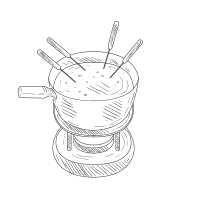
Beyond Awkward Small Talk: The Fondue Solution
You know the scene. A sterile room, name tags, and a series of three-minute conversations that feel more like job interviews than romantic possibilities. The clock ticks loudly over stilted small talk. This is the pain point of conventional speed dating: it often amplifies pressure instead of fostering connection. Now, imagine a different scene. Laughter bubbles up from a table where two people collaboratively spear a piece of steak into a shared pot. A playful debate erupts over which chocolate fondue pairs best with a strawberry. The ice isn’t just broken; it’s melted, dipped, and deliciously consumed. This is the transformative power of a fondue speed dating event. Mastering this unique format is the key to creating unforgettable, connection-driven singles nights where genuine interaction flows as naturally as the cheese and chocolate.
Part 1: Foundational Choices – Crafting Your Interactive Arena
Your venue, menu, and guest list are the essential hardware of your event. These foundational choices create the stage upon which every connection will be built. Get them right, and you establish an environment where comfort and interaction are inevitable.
A. Venue Selection & Seating Architecture
The space dictates the social dynamics. A private dining room in a restaurant offers ease and professional service, ideal for a first-time host. Home hosting provides ultimate control over ambiance and timing, demanding more logistics but allowing for a more personal touch. Within either space, table architecture is critical. Long, communal tables encourage a festive group vibe but can make one-on-one rotations confusing. Intimate round tables for two or four create clear “date stations” and simplify rotations. Prioritize warm, dimmable lighting over harsh fluorescents, and ensure background music is loud enough to provide acoustic privacy for conversations but low enough that prompts are easily heard.
B. The Fondue Format: Choosing Your Social Lubricant
Fondue is not just food; it’s your primary social catalyst. Each style engineers a different type of interaction. Your choice sets the emotional tone for the entire evening.
| Component Category | Social Vibe | Key Characteristics |
|---|---|---|
| Cheese Fondue | Cozy & Classic | Ideal for the first half of the event. Encourages sharing bread, apples, and vegetables. Its communal, dipping nature creates a warm, relaxed, and comforting atmosphere that lowers initial guards. |
| Broth or Oil Fondue | Active & Collaborative | Perfect for the middle act. Guests cook their own proteins and veggies, sparking conversation about preferences (“How rare do you like your steak?”). It’s interactive, engaging, and provides a shared activity that eliminates silent pauses. |
| Chocolate Fondue | Playful & Sweet | The essential finale. Universally delightful, it encourages playful experimentation with fruits, marshmallows, and cake. This course fosters lightheartedness and ends the night on a universally positive, indulgent note. |
C. Curating Your Guest List: The Balance Equation
Chemistry requires a balanced formula. Aim for a strict gender balance and an ideal total of 16 to 24 guests. This allows for a full rotation without becoming a marathon. When crafting invitations, be clear about the age range and vibe (e.g., “professionals 30-45”). A cohesive attendee profile in terms of life stage or interests increases the likelihood of mutual connection, though a dash of diversity keeps conversations surprising. Use a clear RSVP system with a waitlist to manage last-minute cancellations seamlessly.
Part 2: The Core System – Orchestrating the Flow
With your arena built, you must now master the event as a dynamic system. The host’s role shifts from planner to conductor, actively managing time, conversation, and sustenance to maintain perfect rhythm.
A. The Clock: Mastering the Dating Rotation
The ideal “date” lasts 6 to 8 minutes. This is enough time to move beyond introductions without exhausting topics. Use a clear, consistent signal for rotation—a gentle bell, a specific song fade-out, or a dimmed light. The consequence of poor timing is severe: too short feels frantic, too long leads to awkward silences or, worse, a guest stuck in an unpleasant interaction. Enforce the rotation politely but firmly; it is the framework that protects everyone’s experience.
B. The Conversation Catalyst: Beyond “What Do You Do?”
Banish generic questions. Provide themed prompt cards on each table to ignite meaningful dialogue. Categories should include Food & Taste (“What’s your ultimate comfort food?”), Travel & Adventure (“Describe your perfect weekend getaway”), and playful “Would You Rather” scenarios. A simple solution is to place printed cards in a small holder. An advanced tactic is to write prompts directly on the fondue skewer tags or menu cards. This integrates the catalyst directly into the shared activity.
C. The Sustenance Engine: Keeping Fuel (and Fun) Flowing
Nothing halts a budding connection like an empty plate or glass. Manage logistics invisibly. Replenish dipper platters and clear used plates during rotations, not during conversations. For larger events, a dedicated server is invaluable. For home events, set up a well-organized “replenishment station” where guests can subtly grab extra dippers between dates. Ensure drink refills are handled proactively. A smooth engine keeps the social focus on people, not logistics.
Part 3: Advanced Practices – The Art of Connection Cuisine
This is where you elevate your event from well-run to extraordinary. It’s the nuanced art of using every element—food, drink, and ambiance—to engineer connection.
A. Preparation: The Dipper Doctrine
Dippers are more than food; they are conversation pieces. Move beyond basic bread cubes. Offer a selection: sourdough batons, soft pretzel bites, crisp green apples, exotic mushrooms for broth fondue. This variety naturally sparks dialogue—”Have you tried the pear with the blue cheese fondue? It’s incredible!” For broth fondues, present communal plates of raw proteins and vegetables that encourage sharing and recommendation.
B. Ongoing Inputs: The Social Glue
Sequence your elements strategically. Begin with a signature welcome cocktail or mocktail to ease initial nerves as guests arrive. Then, follow a fondue progression: start with cheese (comforting and communal), transition to broth (active and collaborative), and culminate with chocolate (playful and sweet). This arc takes the social temperature from warm, to engaged, to joyful.
C. Selection and Strategy: Curating the Vibe
Every sensory detail matters. Craft a music playlist that is upbeat but lyric-light (think jazz, bossa nova, or acoustic covers) to avoid competing with conversation. As the host, your demeanor sets the tone. Be facilitative but not intrusive. Welcome everyone warmly, explain the simple rules with enthusiasm, and then become a ghost in the machine, ensuring smooth operations while the guests become the stars of the show.
Part 4: Threat Management – Preventing Meltdowns
A proactive host anticipates friction points and has solutions ready. Your goal is to solve problems before guests are even aware they exist.
Prevention: The First and Best Defense
Clear pre-event communication is paramount. Send details on attire (is it casual or cocktail?), ask about major food allergens, and provide precise parking/transit info. Establish a “quarantine” plan for latecomers: have a designated seat for them to join the next rotation without disrupting the established flow. A well-informed guest is a relaxed guest.
Intervention: Solving Common Issues
Despite planning, minor issues arise. Have a tiered response plan.
The Overly Shy Guest: Identify them early. Use a host-initiated, open-ended prompt to the pair to give them a gentle launch. “You two, settle a debate for me: is a hot dog a sandwich?”
The Conversation Monopolizer: Your clear, enforced rotation bell is the primary solution. It objectively ends all conversations, protecting everyone’s time equally.
Fondue Mishaps: Drips and slips are part of the fun. Have ample spare forks, plenty of playful napkins, and a “no worries” attitude. A small mishap can become a shared laugh and a memorable moment.
Part 5: The Action Plan – Your Hosting Timeline
| Phase | Primary Tasks | Focus On |
|---|---|---|
| 2 Weeks Out | Finalize guest list and send invites. Confirm venue booking and finalize fondue menu. Order or source specialty dippers. | Curation & Logistics: Locking in the key components of your event framework. |
| Day Before | Prep and store dippers. Finalize and test music playlist. Charge speakers, timers, and phones. Set the table and fondue stations. | Mise en Place & Ambiance: Completing all physical preparations so the event day is about people, not tasks. |
| Event Day | Set rotation timer. Light candles or adjust lighting. Greet each guest personally. Give a brief, confident welcome speech outlining the fun, simple rules. | Flow & Energy: Transitioning from planner to conductor, initiating the social rhythm. |
| Post-Event | Within 24 hours, send the “matches” email where guests indicate who they’d like to see again. Send a thank-you note and a brief feedback survey. | Follow-Through & Improvement: Solidifying connections and gathering insights to make your next event even more masterful. |
From Strangers to Shared Stories
The magic of a fondue speed dating event lies in its elegant alchemy: it structures social interaction around a inherently shared, tactile experience. You are not just hosting a dinner or managing a rotation; you are engineering an environment where connection is the most natural outcome. You have journeyed from selecting the perfect venue and savory fondue to mastering the social rhythm of timed conversations and seamless transitions. Recall that initial vision of awkward silence. Now replace it with the scene you have created: a room buzzing with the clink of forks, bursts of genuine laughter, and the warm hum of new connections being forged over a shared pot. Hosting a successful fondue speed dating event does more than facilitate dates. It creates memorable stories, builds community, and delivers the unparalleled joy of seeing strangers leave as potential friends, all thanks to your mastery of the interactive art.
Related Articles
- Fondue Potluck Guidelines: Coordinating Multiple Pots and Flavors
- Kids’ Fondue Birthday Party Planning Guide
- How to Do a Fondue Party
- Tips for Preventing Cheese Fondue from Burning