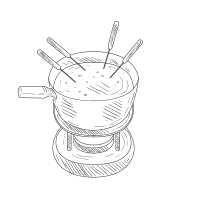

Why Does Cheese Fondue Burn? Understanding the Science
The magic of a perfect cheese fondue lies in its smooth, creamy texture. However, this can quickly turn into a tragedy with a burnt, grainy, or separated mess. Understanding the science behind why fondue burns is the first step toward prevention.
The Role of Direct Heat
Using a metal pot directly over a flame creates intense, localized hot spots. Cheese, a delicate emulsion of fats, proteins, and water, cannot withstand this uneven, direct heat, leading to scorching and separation.
The Enemy: Protein Coagulation
Excessive heat causes the proteins in cheese (primarily casein) to coagulate or tighten up too rapidly. This process squeezes out the fats and moisture, resulting in a grainy, oily fondue rather than a smooth, homogenous one.
Proactive Tips for Preventing Cheese Fondue from Burning
Preventing burnt fondue is all about technique and patience. Follow these actionable tips for a flawless result every time.
Your Foundation: The Right Pot Makes All the Difference
The pot you use is your first line of defense. Here’s a comparison of the most common options:
| Pot Type | Pros | Cons | Burn Risk |
|---|---|---|---|
| Traditional Caquelon (Ceramic/Clay) | Excellent heat retention; authentic fondue experience. | Requires vigilant, low-heat management; must be seasoned. | High if not handled carefully. |
| Modern Double Boiler/Enameled Pot | Foolproof; water buffer eliminates direct heat. | Less traditional; requires an extra pot. | Very Low. |
| Heavy-Bottomed Stainless Steel Saucier | Heats evenly; responsive to temperature changes. | Can still create hot spots if heat is too high. | Medium, with careful heat management. |
The Low and Slow Heating Principle
Patience is non-negotiable. Never rush the melting process by cranking up the heat. Melt your cheese over the lowest possible heat setting, stirring frequently. This gentle approach allows the proteins and fats to emulsify slowly and smoothly.
The Critical Role of Cornstarch
Before adding cheese to the pot, toss your shredded cheese in a small amount of cornstarch or all-purpose flour (about one tablespoon per pound of cheese). This acts as a stabilizer, coating the cheese proteins and preventing them from clumping together and seizing when heat is applied.
The Gradual Cheese Incorporation Method
Add your cheese to the warm liquid base (like wine or broth) in small handfuls. Wait for each batch to fully melt and incorporate into the liquid before adding the next. This maintains a consistent temperature in the pot and prevents the foundation from overheating.
The “Something Unique” Factor: The Acidic Secret Weapon
While wine is a common fondue ingredient, its true power is often overlooked. The secret isn’t just the alcohol, but the acidity.
A Splash of Acidity is Your Best Friend
This is the unique tip many don’t know. A tablespoon of lemon juice or a dry white wine doesn’t just add flavor.
The Science: The acid helps keep the milk proteins (casein) calm and dispersed. It interferes with the proteins’ ability to bond too tightly with each other, significantly reducing their tendency to seize up and form grainy, burnt clumps when heat is applied. It’s a chemical safeguard against burning that goes beyond simple flavor enhancement.
Common Fondue Pain Points and How to Fix Them
Even with the best preparation, things can go wrong. Here’s how to troubleshoot common fondue disasters.
Pain Point: My Fondue is Already Grainy and Thick
Fix: Immediately remove the pot from heat. Whisk in a small amount of fresh, hot liquid (wine, broth, or a splash of lemon juice). Do not add more cheese, as this will worsen the problem. The goal is to re-hydrate and re-disperse the proteins.
Pain Point: The Cheese and Liquid Have Separated
Fix: This is a broken emulsion, where the fats have split from the water-based liquids. Remove from heat and whisk in a teaspoon of a cold cornstarch slurry (cornstarch mixed with cold water) or a splash of acidic lemon juice. Whisk vigorously to encourage the mixture to rebind.
Pain Point: A Burnt Layer is Stuck to the Bottom of the Pot
Fix: Unfortunately, if you can smell or taste burning, the fondue is likely ruined. You can try to carefully scrape off the unburnt top portion into a new pot to salvage what you can, but the scorched flavor will often persist. The key here is rigorous prevention.
Cheese Fondue FAQs: Your Burning Questions Answered
What is the best type of cheese for fondue to prevent burning?
Cheeses that melt well are key. Classics like Gruyère, Emmental, and Appenzeller are ideal because of their excellent melting properties and flavor. A combination often works best. Crucially, avoid pre-shredded bagged cheese, as it is coated in anti-caking agents like potato starch or cellulose, which can prevent smooth melting and lead to a grainy texture.
Can I reheat leftover cheese fondue?
Yes, but it must be done gently to prevent separation and burning. The best method is to use a double boiler or a heavy-bottomed saucepan on the lowest possible heat, stirring constantly and patiently. Using a microwave is highly discouraged as it heats extremely unevenly, creating hot spots that will cause the proteins to seize.
What should I do if my fondue is too thick?
Thin it out with small increments of warm liquid. Good options include the dry white wine you cooked with, a light broth, or even a touch of kirsch. Add the liquid slowly, whisking continuously, until you reach the desired creamy, dipping consistency.
Is a fondue pot with a flame necessary?
This is a common misconception. The small flame (from a tea light candle or gel fuel) under a traditional fondue set is only for keeping the fondue warm at the table once it is already cooked. It should not be used as the primary heat source for melting the cheese. The actual melting and combining of ingredients should always be done carefully on a stovetop where you have precise control over the temperature.
Conclusion
A perfect, unburnt cheese fondue is easily within your reach by mastering a few key techniques. Remember the most critical tips: use the right equipment (a double boiler is the safest bet for beginners), melt your cheese low and slow, coat it in cornstarch for stability, add it gradually, and never underestimate the power of an acidic ingredient like lemon juice or wine to keep the proteins in check. With this knowledge, you can confidently create a smooth, creamy, and delicious fondue every time.
Related Articles
- Fondue Tasting Party: Side-by-Side Cheese Comparison Format
- Fondue Potluck Guidelines: Coordinating Multiple Pots and Flavors
- Kids’ Fondue Birthday Party Planning Guide
- Fondue Speed Dating Events: How to Host Interactive Singles Nights