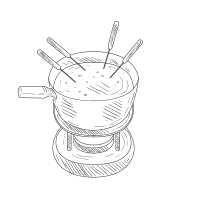

Why a Traditional Swiss Cheese Fondue Recipe is a Culinary Must-Try
Fondue is more than a meal in Switzerland; it’s a cherished social ritual that brings people together. The act of sharing a pot of melted cheese fosters conversation and connection, while the authentic combination of Swiss cheeses delivers a rich, complex flavor profile that is both comforting and sophisticated.
The Core Ingredients for an Authentic Fondue
The Cheese Trinity: The Heart of Your Fondue
The foundation of any traditional fondue lies in its cheese blend. Using the right types in the correct proportions is non-negotiable for achieving the perfect texture and taste.
| Cheese | Role in Fondue | Flavor Profile |
|---|---|---|
| Gruyère | Provides the primary, nutty, and complex flavor base. | Salty, slightly sweet, and earthy. |
| Emmentaler | Ensures a smooth, stringy melt due to its superb melting qualities. | Mild, buttery, and faintly fruity. |
| Vacherin Fribourgeois | The “secret” ingredient that adds an unparalleled creaminess and unctuous texture. | Creamy, mild, and slightly tangy. |
The Liquid Base: More Than Just Wine
A dry white wine, such as a Swiss Fendant or Chasselas, is essential. Its acidity helps stabilize the cheese emulsion, preventing it from becoming a greasy, separated mess. Unique Tip: A splash of kirsch (cherry brandy) added *off the heat* just before serving is the true mark of authenticity. It’s not just for a flavor boost; the cold alcohol helps shock and stabilize the emulsion one final time, ensuring a silky-smooth consistency.
The Essential Binders and Flavor Enhancers
- Cornstarch or Flour: Tossed with the grated cheese to prevent clumping and separation.
- Garlic: A halved clove is rubbed inside the pot to impart a subtle, aromatic essence.
- Nutmeg or Lemon Juice: A pinch of nutmeg adds warmth, while a squeeze of lemon juice can enhance the wine’s acidity and brighten the flavor.
Step-by-Step: Crafting Your Traditional Swiss Cheese Fondue
Prep Work: Grate, Don’t Shred
For even and gradual melting, always grate your cheese. Pre-shredded cheese often contains anti-caking agents like potato starch, which can negatively affect the fondue’s texture.
The Fondue Cooking Process
- Vigorously rub the inside of your caquelon (fondue pot) with the cut side of a garlic clove.
- Pour the wine into the pot and heat it over medium-low heat until it is steaming hot but not boiling.
- Gradually add the grated cheese, one handful at a time, stirring constantly in a zig-zag or figure-eight motion. Wait for each batch to melt completely before adding the next.
- In a small bowl, make a slurry by mixing the cornstarch with the kirsch. Once all the cheese is melted and smooth, stir this mixture into the pot.
- Bring the fondue to a gentle simmer, season with a pinch of nutmeg, and then immediately transfer the pot to its tabletop burner.
Common Pain Points (and How to Solve Them)
“My Fondue is Too Thick or Lumpy”
Cause: Adding cheese too quickly or using excessively high heat.
Solution: Maintain a low, gentle heat and incorporate the cheese slowly and gradually, stirring constantly to encourage a smooth emulsion.
“My Fondue is Oily and Separated”
Cause: The emulsion has “broken,” typically from overheating.
Solution: Immediately remove the pot from the heat. Vigorously stir in a tablespoon of cold lemon juice or a splash of cold white wine. This can often shock the fats and liquids back into a unified emulsion.
“The Cheese Sticks to the Bottom of the Pot”
Cause: Insufficient stirring or heat that is too high and direct.
Solution: Use a heavy-bottomed pot to distribute heat evenly and keep the fondue moving with your bread or a spoon while eating.
Dipping Companions: What to Serve with Your Fondue
The Classics (Bread & Potatoes)
The best dippers are those that can stand up to the rich cheese. Cubes of day-old, crusty bread (like a baguette) are essential, as their slight staleness prevents them from falling apart. Par-boiled baby potatoes are another traditional and hearty option.
Beyond the Basics
For a refreshing contrast, offer crisp vegetables like blanched broccoli or cauliflower florets, or tart apple slices. The acidity and crunch provide a lovely balance to the richness of the cheese.
Traditional Swiss Cheese Fondue Recipe vs. Modern Variations
| Aspect | Traditional Swiss Fondue | Modern Variations |
|---|---|---|
| Cheese | Strict blend of Gruyère, Emmentaler, and often Vacherin. | Any meltable cheese, like Cheddar, Monterey Jack, or Mozzarella. |
| Liquid & Flavorings | Dry white wine and kirsch. | Beer, cider, broth, or even milk; various herbs and spices. |
| Philosophy | Cultural authenticity and adherence to a time-honored recipe. | Creative freedom and adaptation to local tastes and ingredients. |
Fondue Etiquette: The Unspoken Rules
To enjoy fondue like a true Swiss, follow these simple rules:
- No Lost Bread: If your bread falls off the fork into the pot, tradition dictates a playful penalty (like buying the next round of drinks).
- Stir Properly: Stir your bread in a gentle figure-eight or zig-zag motion to help keep the fondue smooth and well-mixed for everyone.
- No Double-Dipping: This is a universal rule of sharing food for good reason!
Frequently Asked Questions (FAQs)
Can I make a Traditional Swiss Cheese Fondue Recipe without alcohol?
Yes, though the flavor and chemistry will be slightly different. Substitute the white wine with a non-alcoholic wine or a light, low-sodium vegetable or chicken broth. You can omit the kirsch entirely. The fondue may be slightly less stable and lack the characteristic “bite,” but it will still be delicious.
What kind of pot do I absolutely need?
A heavy-bottomed caquelon is ideal. Traditionally made of ceramic (for electric stoves) or cast iron (for gas stoves), its material distributes heat evenly, which is crucial for preventing the cheese from scorching on the bottom.
How do I reheat leftover fondue?
Reheat it very gently in a heavy-bottomed saucepan over the lowest possible heat. Stir constantly and add a small splash of wine or milk to help reconstitute the emulsion. Be aware that it will never be quite as perfectly smooth as when first made.
Is there a gluten-free version of this recipe?
Absolutely. The cheese mixture itself is naturally gluten-free. Simply use certified gluten-free cornstarch and serve with your favorite gluten-free bread, potatoes, and vegetables for dipping.
Conclusion: Your Journey to Fondue Mastery
Mastering the Traditional Swiss Cheese Fondue Recipe is a rewarding culinary achievement that promises memorable gatherings with friends and family. It’s a simple yet profound dish where technique and quality ingredients shine. Remember, the perfect beverage pairing is a small glass of the same dry white wine used in the fondue, as it aids in digesting the rich cheese. Now, gather your loved ones, light the burner, and dip into a tradition that warms both the stomach and the soul.
Related Articles
- Traditional Swiss Cheese Fondue Recipe: Step-by-Step Guide
- Greek Saganaki-Style Flambé Fondue
- British Cheddar Fondue with Ale and Mustard
- Mediterranean Fondue with Feta and Olive Oil