Beyond the Cheese Pot – A Vision of Liquid Sunshine
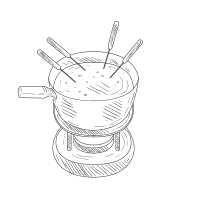
You envision a gathering centered around a glistening pot, its contents creamy and inviting. Instead, you face a broken, greasy mess or a bland, glue-like paste. This disappointment stems from treating fondue as a simple melt. True mastery transforms it. Imagine a sauce that captures a sun-drenched coastline: tangy, herbal, rich, and impossibly smooth. This is not just fondue; it is a transportive experience. Mastering Mediterranean Fondue with Feta and Olive Oil is the key to creating an unforgettable, sophisticated centerpiece. It balances bold, tangy, and aromatic flavors in perfect, dippable harmony.
Foundational Choices: The Ingredients of Success
Your final dish is a direct reflection of your initial selections. The quality and character of these components form the non-negotiable foundation for texture and depth of flavor.
Part A: Cheese Selection and Balance
Feta is the star, but it needs a supporting cast. A solo feta fondue will be too salty and lack smooth meltability. You must build a team.
- The Star (Feta): Greek feta, brined in sheep’s or goat’s milk, offers a bold, tangy punch. French feta (often from cow’s milk) is milder and creamier. For authentic Mediterranean character, choose a Greek variety and rinse it briefly to control saltiness.
- The Support (Melting Cheeses): These provide the creamy, stable base. Gruyère adds nutty complexity and superb melt. Fontina offers a buttery, mild background. A 1:1 ratio of feta to melting cheese is an excellent starting point for balance.
Part B: The Liquid Foundation
The liquid base carries flavor and dictates the fondue’s personality. Your choice here is critical.
- Wine vs. Broth: A dry white wine (like Sauvignon Blanc) is traditional. Its acidity helps stabilize the emulsion and cuts through richness. For a non-alcoholic or more subtle base, a light vegetable or chicken broth works, but you must add a squeeze of lemon juice to replicate the necessary acidity.
- The Olive Oil Imperative: High-quality extra virgin olive oil is not just an ingredient; it is the soul of this dish. Swirled in at the end, it adds a fruity, peppery depth and contributes to a luxuriously silken mouthfeel. Do not cook with it over high heat; use it to finish.
Part C: Aromatics and Thickening
These elements build layers of flavor and guarantee the perfect consistency.
- Aromatics: Fresh herbs define the Mediterranean profile. Oregano, thyme, and rosemary are essential. Gently infusing them into your warm base liquid or olive oil unlocks their oils without bitterness. A microplane of garlic or minced shallot adds foundational savoriness.
- The Modern Thickener: A traditional roux can mute flavors. For this fondue, tossing your grated cheeses with cornstarch (or flour) is superior. The starch coats each cheese strand, preventing clumping and ensuring a velvety, stable emulsion as it melts.
| Component Category | Recommended Options | Key Characteristics |
|---|---|---|
| Primary Cheese (Feta) | Greek (Brined), French (Creamy) | Greek: Bold, tangy, salty. Requires brief rinsing. French: Milder, softer, less pungent. |
| Melting Cheese | Gruyère, Fontina | Gruyère: Nutty, complex, excellent melt. Fontina: Buttery, mild, very creamy. |
| Liquid Base | Dry White Wine, Light Broth | Wine: Adds crucial acidity and flavor depth. Broth: Neutral; must be supplemented with lemon juice. |
| Key Flavor Agent | Extra Virgin Olive Oil | Fruity, peppery finish. Swirl in off-heat. Defines the Mediterranean character. |
The Core System: Mastering Texture and Emulsion
This fondue is a delicate, oil-in-water emulsion you actively shepherd into existence. Control these variables precisely.
Control Variable 1: Temperature and Pace
High heat is the enemy. It causes proteins to tighten, expelling fat and creating a grainy, broken sauce.
- The Rule: Low and slow. Your base liquid should be hot but never boiling when cheese is added.
- The Tools: A heavy-bottomed saucepan distributes heat evenly. An instant-read thermometer is invaluable; aim for a consistent 160-180°F (71-82°C).
- The Technique: Add cheese in small handfuls, stirring constantly with a wooden spoon or silicone spatula until fully melted before adding the next.
Control Variable 2: Acidity and Stability
Acidity keeps the milk proteins in cheese relaxed and dispersed, preventing them from clumping together.
- How It Works: The wine or lemon juice in your base creates this stable acidic environment. This is why adding cheese to plain, hot milk often fails.
- The Finish: Once all cheese is melted and smooth, remove the pot from heat. Vigorously swirl in your premium olive oil. This final enrichment leverages the existing stable emulsion.
Control Variable 3: Consistency
The ideal fondue coats the back of a spoon thickly but drips off slowly. It should cling to a dipper, not run off or sit in a glob.
- Too Thick: Gently whisk in a splash of your warm base liquid (wine or broth) until it loosens.
- Too Thin: Create a slurry with 1 teaspoon of cornstarch and 1 tablespoon of cold water or wine. Whisk it into the simmering fondue and cook for 1 minute until thickened.
Advanced Practices: The Art of Flavor and Presentation
With the core system mastered, elevate your craft through infusion and strategic composition.
Infusion and Layering
Build complexity before the cheese even hits the pot. Gently warm your olive oil with sprigs of rosemary, thyme, and a crushed garlic clove for 5 minutes, then strain. Use this infused oil for the finish. Alternatively, steep the herbs in the warming wine. For texture and bursts of flavor, fold in finely chopped sun-dried tomatoes, Kalamata olives, or a pinch of red chili flake after the fondue is emulsified.
The Dipping Battalion: Composition and Strategy
Move beyond crusty bread. Create a platter with contrasts in texture, temperature, and flavor to complement the rich, tangy fondue.
- For Crunch: Blanched asparagus, endive leaves, radishes, bell pepper strips.
- For Heartiness: Small roasted potatoes, grilled cubes of chicken or lamb, meatballs.
- For Brightness: Crisp apple slices, pear slices (they cut the richness beautifully).
Threat Management: Saving the Sauce
A proactive approach guarantees success. When issues arise, targeted intervention saves the day.
Prevention: The Principles of a Smooth Fondue
Most disasters are avoidable. Follow this checklist: Grate or finely cube all cheese for even melting. Toss cheese thoroughly with cornstarch until every piece is coated. Bring refrigerated ingredients near room temperature before cooking. Use a heavy pot and maintain low, controlled heat.
Intervention: Troubleshooting Guide
If problems occur, diagnose and act quickly.
- Grainy or Curdled: The heat was too high. Immediately remove from heat. Add an ice cube and whisk vigorously; the shock and extra liquid can sometimes re-emulsify. Alternatively, blend with an immersion blender.
- Broken & Oily: Fat has separated. Create a “repair slurry” with 1 tbsp cornstarch and 2 tbsp cold wine/broth. Whisk into the broken fondue over low heat until recombined.
- Too Thin: Use the cornstarch slurry method described in Consistency control.
The Action Plan: A Timeline for Flawless Execution
| Phase/Time | Primary Tasks | Focus On |
|---|---|---|
| Prep (60 mins before) | Cube/grate cheeses; toss with cornstarch. Prepare all dippers and arrange platter. Infuse olive oil with herbs (optional). Measure wine/broth and aromatics. | Mise en place. Having every component measured, prepared, and within reach. |
| Cook (15 mins before serving) | Warm wine/broth with aromatics over medium-low heat. Add cheese one handful at a time, stirring constantly in a figure-eight pattern. When smooth, remove from heat, swirl in infused olive oil. | Patience and constant, gentle stirring. Maintaining a temperature below a simmer. |
| Serve & Sustain | Transfer to a fondue pot or pre-warmed serving bowl. Adjust fondue burner or candle to the lowest possible setting—just enough to keep it warm. Stir occasionally. | Maintaining warmth without bubbling. A skin will form if it gets too cool; a quick stir restores it. |
The Shared Feast Realized
Mastering this dish hinges on one principle: balancing bold flavor with controlled technique. You begin by selecting a tangy feta and a fruity olive oil. You manage the emulsion with patience, building a sauce that is both robust and silken. You present it not just as a dip, but as an experience—a glistening pot surrounded by a curated array of colors and textures. The profound satisfaction arrives in the shared moment: friends gathered, dipping, laughing, transported by the sun-drenched joy of a perfected Mediterranean Fondue. This is the art of the communal table, realized in every smooth, flavorful bite.
Related Articles
- Greek Saganaki-Style Flambé Fondue
- British Cheddar Fondue with Ale and Mustard
- Mexican Queso Fundido vs. Swiss Fondue: A Comparison
- German Beer Cheese Fondue Variations by Region