The Art of Asian Fusion Fondue: Mastering Curry and Coconut Milk Bases
Imagine the disappointment of a one-note, greasy fondue that cloys after one bite. Now, envision a fragrant, luxurious pot that invites exploration with every dip—a communal dining experience that is both exotic and comforting. This transformation lies in moving beyond traditional European styles to embrace the aromatic, creamy, and complex world of Asian fusion. Mastering the Curry and Coconut Milk Fondue is the key to unlocking a new dimension of interactive dining, where balance, fragrance, and depth of flavor turn a simple meal into an unforgettable event.
Foundational Choices: The Flavor Hardware
Your pot, heat source, and base ingredients form the non-negotiable foundation for success. Compromising here guarantees a compromised result.
Vessel and Heat Source Selection
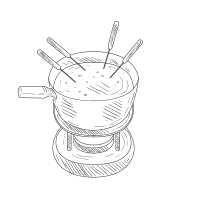
Your equipment dictates control. Classic ceramic fondue pots work but can restrict stirring. I prefer a wide, shallow stainless steel or enameled cast iron pan paired with a tabletop butane burner. This setup offers superior temperature control and gives everyone easy access to the simmering broth. Electric hot pots with divided sections are another excellent, modern choice for hosting larger groups.
The Core Components: Building Your Base Liquids
This is where your fondue diverges from the ordinary. You are not making a thin broth but a rich, emulsified sauce that must remain stable for an hour. The quality and type of your coconut milk and curry foundation are paramount.
| Component Category | Options | Key Characteristics |
|---|---|---|
| Coconut Milk | Canned Full-Fat, Canned “Light,” Fresh Carton, Cream of Coconut |
|
| Curry Foundation | Store-bought Paste, Homemade Paste, Powdered Curry |
|
The Core System: Building and Balancing the Broth
Your fondue base is a dynamic, living system of flavors that requires active management. Follow this sequence religiously to build layers, not a muddled soup.
Controlling Flavor Layers
The ideal sequence is non-negotiable. First, sauté your curry paste in a neutral oil over medium heat for 1-2 minutes until it becomes fragrant and the oil starts to separate. This “cracking” the paste unlocks its full aromatic potential. Next, slowly whisk in a small amount of liquid—chicken, vegetable, or dashi stock—to dissolve the paste completely. Only then do you stir in the coconut milk. Bringing the coconut milk to a rapid boil will cause it to separate, creating a greasy, broken sauce. A gentle, steady simmer is your target.
Managing Texture and Consistency
Your target is a creamy, cohesive emulsion that coats ingredients without being gluey. Constant whisking during the initial combining phase is your primary tool. For a more stable, slightly thickened broth that clings perfectly, use an advanced solution: create a slurry with one tablespoon of cornstarch or tapioca starch mixed with two tablespoons of cold water. Whisk this into your simmering base and cook for one minute until glossy. A tablespoon of smooth peanut butter also acts as a brilliant natural emulsifier and flavor enhancer.
The Acidity & Sweetness Balance
A perfect curry fondue base should have a harmonious roundness. After simmering, you must fine-tune. Taste. If the richness feels heavy, brighten it with fresh lime juice. If the spices taste too sharp or acidic, soften them with a pinch of palm sugar or light brown sugar. This balance is what transforms a good base into a great one—it keeps the palate engaged and prevents flavor fatigue.
Advanced Practices: The Art of Dipping and Dining
Shift your focus from the pot to the complete interactive experience. The dippers and accompaniments are not afterthoughts; they are integral components of the meal.
Dipping Selection & Strategy
Move far beyond bread. Think in categories for optimal cooking and texture contrast. Provide a mix of Absorbent items like steamed bao buns, rice cakes, or udon noodles to soak up the sauce. Include Heartier Proteins such as thinly sliced ribeye, chicken thigh, plump shrimp, or fried tofu puffs. Offer Crisp Vegetables for freshness: bok choy stems, bell peppers, shiitake mushrooms, and water chestnuts. Blanch harder vegetables like broccoli briefly before serving to ensure they cook through in the broth.
The Accompaniment Ecosystem
Create a vibrant condiment platter that allows for personal customization. This is where each guest becomes their own chef. Include chopped roasted peanuts, fresh cilantro and Thai basil leaves, crispy fried shallots, chili crisp or sambal oelek, and lime wedges. These elements add crunch, freshness, heat, and acidity, refreshing the palate between bites and preventing monotony.
Sequential Dipping for Continuous Flavor
Guide your guests to start with delicate vegetables and quick-cooking seafood to build the broth’s flavor. Move to heartier proteins like beef and chicken. Finish with absorbent starches that will have absorbed the now deeply enriched liquid. This strategy prevents the broth from becoming cloudy or muddled too early in the meal.
Threat Management: Problem Prevention & Solution
Adopt a proactive stance. Most fondue disasters are avoidable with simple precautions.
Prevention: The First Defense
Constant, gentle heat is your mantra. A rolling boil will curse your coconut milk to separate. Use a burner with adjustable flame and monitor it. For food safety and to keep the broth clean, pre-cook any dense proteins like chicken or pork before adding them to the communal pot. Provide separate color-coded fondue forks to avoid cross-contamination.
Intervention: Saving the Sauce
Even experts face challenges. Here is your tiered response plan:
Broth Too Thin: Create a quick cornstarch slurry (1:2 ratio with cold water) and whisk it into the simmering pot.
Broth Separating: Immediately remove from heat. Whisk vigorously. If that fails, whisk in a splash of very hot stock or water to re-emulsify.
Flavor Too Sharp or Salty: Dilute with a bit more coconut milk and balance with a touch of sweetness. Add a squeeze of lime to brighten and distract.
The Fondue Session Roadmap
Follow this phased plan for a seamless, stress-free event where you can enjoy the meal as much as your guests.
| Phase | Primary Tasks | What to Focus On |
|---|---|---|
| Preparation (60 mins before) | Cut all dippers; arrange condiment platter; measure curry paste, stock, and coconut milk; set the table with heat source, pot, and utensils. | Mise en place. Having every component prepped and within reach is the single greatest factor for a calm host. This is your non-negotiable. |
| Foundation (15 mins before serving) | Build the base broth on the stovetop: fry paste, add liquids, incorporate coconut milk, simmer, and finalize seasoning with salt, acid, and sugar. | Flavor development and emulsion. Achieve the perfect balance and texture in the kitchen. Do not attempt to adjust core seasoning at the table. |
| Cultivation & Enjoyment (At the table) | Transfer broth to tabletop pot; maintain a gentle simmer; demonstrate dipping sequences; replenish dippers and condiments as needed. | Temperature management and social flow. Your role shifts from cook to conductor. Keep the pot actively simmering, guide the conversation, and ensure everyone participates. |
Mastering the Asian Fusion Fondue: Curry and Coconut Milk Bases is an exercise in controlled, communal flavor alchemy. It is a journey that begins with selecting the right full-fat coconut milk and culminates in the shared joy of discovery around the table. This mastery doesn’t just create a meal—it creates a moment. The profound satisfaction comes from gathering friends around a pot of steaming, fragrant curry, where the laughter is as rich as the sauce, and every dip is a new adventure. It is a culinary skill that consistently delivers unparalleled joy and enriches your life, one shared pot at a time.
Related Articles
- Greek Saganaki-Style Flambé Fondue
- British Cheddar Fondue with Ale and Mustard
- Scandinavian Seafood Fondue Traditions
- Mediterranean Fondue with Feta and Olive Oil