Mexican Queso Fundido vs. Swiss Fondue: The Art of the Melted Cheese Masterpiece
Imagine the scene: a convivial table, laughter, and a shared pot of gloriously molten cheese. But is it a rustic, spicy chorizo-studded dip served with a stack of warm tortillas, or a refined, wine-laced communal feast centered around crusty bread? Your choice defines the entire social and sensory experience. While both are iconic dishes built on melted cheese, Queso Fundido and Swiss Fondue are born from vastly different culinary traditions, techniques, and philosophies. Understanding their core differences is the key to mastering each one, transforming you from a casual diner into an informed host who can create authentic, unforgettable moments of shared joy.
Foundational Choices: Culture, Vessel, and Flame
Every great melted cheese dish begins with its cultural DNA and the right physical tools. These foundational choices set the stage for everything that follows.
Part A: Origin and Purpose
Swiss Fondue is an Alpine necessity turned ritual. Born from the practical need to use aged cheeses and stale bread during long winters, it evolved into a formalized, communal dining experience centered around patience and conversation.
Mexican Queso Fundido is a celebratory antojito (little craving). Rooted in market culture and fiestas, it’s a festive, shareable appetizer meant for immediate, interactive enjoyment, often acting as a vibrant prelude to a larger meal.
Part B: The Vessel and Heat Source
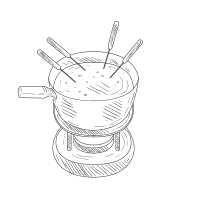
Your pot and heat source are non-negotiable. For Fondue, you need a heavy-bottomed caquelon (ceramic or cast-iron pot) and a stable, gentle heat source like a fondue burner or candle. The goal is sustained, low heat to keep the emulsion smooth for an hour or more.
For Fundido, choose a small cast-iron skillet or earthenware cazuela. You’ll use direct, medium-high heat on the stovetop to achieve a quick, bubbling melt, then transfer it directly to the table, where its residual heat keeps it perfectly dippable for 15-20 minutes.
Part C: The Cheese: A Material Breakdown
The cheese itself is the primary component. Their inherent properties dictate the entire cooking method.
| Component Category | Primary Options | Key Characteristics |
|---|---|---|
| Swiss Fondue Cheeses | Gruyère, Emmental, Vacherin Fribourgeois | Aged, low-moisture, flavorful. They require an acidic liquid (wine) and starch (cornstarch or flour) to create a stable, smooth emulsion. The melt is a deliberate chemical process. |
| Mexican Queso Fundido Cheeses | Asadero, Oaxaca, Chihuahua, Monterey Jack | Fresh, semi-soft, high-moisture, and mild. They melt easily and cohesively under direct heat. The technique is about simplicity, often incorporating mix-ins like chorizo or peppers during the cooking process. |
The Core System: Chemistry and Composition
Think of each dish as a precise system where controlling key variables guarantees perfection. Getting this wrong is the difference between silky success and a broken, greasy failure.
The Emulsion: Wine vs. Direct Heat
For Fondue, the target is a stable, wine-infused emulsion. The consequences of error are severe: a separated, greasy, or stringy mass. Your method is precise: grate the cheese, toss it with cornstarch. In your caquelon, heat dry white wine with garlic until simmering. Add cheese gradually, stirring constantly in a figure-eight pattern until miraculously smooth. A splash of kirsch at the end fortifies the emulsion and adds aroma.
For Fundido, the target is a cohesive, bubbling, stretchy mass. The risk is oil separation or a rubbery texture. Your method is straightforward: in your hot skillet, cook any add-ins like chorizo or rajas (roasted pepper strips) to render their fats. Add your shredded cheese all at once. Let it melt over moderate heat with minimal stirring—just a fold or two to incorporate. The rendered fats from the mix-ins become the sauce.
The Flavor Base: Acid and Aromatics
This is where the flavor profiles fundamentally diverge. Fondue’s control variable is acidity. The wine and a hint of lemon juice provide the necessary tang that keeps the cheese proteins in suspension. A garlic-rubbed pot and a finish of kirsch provide subtle, sophisticated aromatics.
Fundido’s control variable is fat and spice. The flavor base is built on rendered chorizo fat, sautéed onions, or the smoky depth of roasted poblano peppers. These ingredients are cooked into the cheese, making them inseparable from the final dish.
Advanced Practices: Dipping Strategy and Accompaniments
Mastery extends beyond the pot to what you dip and serve alongside. This is the art of curation and contrast.
The Dipping Medium: Bread vs. Tortilla
Fondue demands a sturdy, day-old, crusty bread like a baguette or sourdough. Cut it into 1-inch cubes with a bit of crust on each piece to secure a sturdy dip that won’t sink into the abyss. The bread’s role is to carry the rich cheese and stand up to the swirling.
Fundido requires warm, pliable tortillas, either corn or flour. Their purpose is dual: as a scoop for the cheesy mass and as a wrapper to make instant, delicious tacos. I always keep a second warmer stacked with tortillas—they disappear faster than you think.
The Supporting Cast
Fondue’s traditional accompaniments are palate cleansers: tangy cornichons, pickled pearl onions, and slices of cured meat like viande des Grisons. They cut through the richness and reset your taste buds between bites.
Fundido’s essential garnishes are bright, fresh, and cooling: a vibrant pico de gallo, chopped fresh cilantro, slices of avocado, and a drizzle of crema or sour cream. They add necessary acidity, crunch, and contrast to the rich, spicy cheese.
Threat Management: Saving the Cheese
A proactive chef anticipates problems. Here is your tiered response plan for the most common cheese catastrophes.
Prevention: The Rules of Engagement
For Fondue, prevention is ritual. Maintain gentle, constant heat. Enforce communal stirring etiquette—a figure-eight motion keeps the emulsion stable. Quarantine potential disasters: no double-dipping, and don’t lose your bread in the pot.
For Fundido, prevention is in the prep. Always pre-cook watery vegetables like mushrooms or tomatoes to evaporate excess moisture that would make your cheese soggy. Ensure your serving vessel is piping hot to maintain an ideal serving temperature longer.
Intervention: Rescue Protocols
Fondue Rescue:
Identification: Cheese is seizing, becoming stringy, or fat is pooling.
Tiered Response: 1) Immediately add a tablespoon of warm wine or lemon juice and stir vigorously. 2) If separation persists, make a slurry of 1 tsp cornstarch with 1 tbsp of kirsch or wine, and stir it in.
Fundido Rescue:
Identification: Cheese is greasy (excess oil) or has turned rubbery and tough.
Tiered Response: 1) Carefully tilt the skillet and spoon out excess rendered oil. 2) For rubbery cheese, quickly fold in a fresh handful of shredded cheese off the heat; the new melt will often re-balance the texture.
Your Action Plan: A Roadmap for Cheese Mastery
Knowing which dish to deploy, and when, turns knowledge into memorable occasions. Use this calendar as your guide.
| Season/Occasion | Primary Dish to Feature | What to Focus On |
|---|---|---|
| Winter / Cozy Gathering | Swiss Fondue | Ritual and conversation. Focus on achieving the perfect, stable emulsion and curating traditional accompaniments for a slow, wine-paced evening. |
| Summer / Casual Backyard Party | Mexican Queso Fundido | Bold, interactive fun. Focus on high-quality chorizo, keeping tortillas warm, and providing vibrant, fresh garnishes for contrast. |
| Game Day or Festive Mixer | Fundido (with variations) | Heartiness and customizability. Experiment with crowd-pleasing add-ins like shredded chicken, black beans, or jalapeños. Serve with robust tortilla chips. |
| Romantic Dinner or Special Date | Fondue | Elegant, shared intimacy. Focus on a premium cheese blend (like Gruyère and Vacherin) and a superb bottle of wine for both the pot and your glasses. |
Ultimately, Swiss Fondue is a refined science of emulsion, a lesson in patience and precision where wine and starch transform aged cheese into a silky, communal nectar. Mexican Queso Fundido is a robust art of combination, a celebration of direct fire, bold flavors, and immediate, hands-on sharing. Mastering this delicious dichotomy does more than expand your recipe book—it deepens your connection to food as a vessel for culture and joy. Whether you’re crafting an Alpine ritual or igniting a fiesta, you hold the key to turning a simple pot of melted cheese into the unforgettable heart of the meal.
Related Articles
- Greek Saganaki-Style Flambé Fondue
- British Cheddar Fondue with Ale and Mustard
- Mediterranean Fondue with Feta and Olive Oil
- German Beer Cheese Fondue Variations by Region