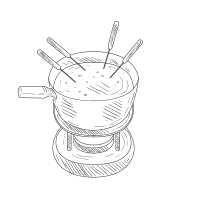
The Art of the Second Act: Mastering the Use of Fondue Leftovers
From Last Bite to First Meal
You clear the table after a perfect fondue evening. The laughter lingers, but in the fridge, a new challenge congeals: a bowl of once-molten cheese now firm, a pot of wine-scented broth, or a vessel of rich chocolate. The temptation is to see it as an ending, a culinary full stop. This is a fundamental misjudgment. That container holds not waste, but a concentrated essence of flavor, a superior foundation begging for a second act. Mastering the art of using fondue leftovers transforms last night’s communal joy into this morning’s triumphant, savory breakfast and tomorrow’s effortlessly impressive baked dish. It is the key to a resourceful, zero-waste kitchen that consistently delivers deep, complex flavors.
Foundational Choices: Assessing Your Leftover “Hardware”
Your success begins not with a recipe, but with a forensic assessment. Correctly identifying and preparing your foundational ingredient—the leftover fondue itself—sets the stage for all that follows.
Part A: Identification and Separation
Immediately categorize your leftovers. Cheese fondue (Gruyère, Emmental, Cheddar-based) is a fat-and-protein-rich emulsion. Broth fondue (Fondue Bourguignonne, court-bouillon) is an aromatic, seasoned liquid infused with meat juices and herbs. Chocolate fondue is a sweet, fatty blend. The critical first step is separation. For broth fondues, strain out any solid herbs or peppercorns. For cheese fondues, if oils have separated, do not discard them; they will be reintegrated during gentle reheating.
Part B: Re-constitution and Readiness
Cheese fondue requires a gentle touch. Reheat it slowly in a double boiler or a non-stick pan over very low heat, stirring constantly. A small splash of milk, cream, or white wine can help re-emulsify the fats and proteins, restoring a silky texture. Broth-based leftovers should be treated oppositely. Simmer them uncovered to reduce and intensify their flavor, concentrating them into a powerful stock or glaze.
Part C: The Flavor Profile Matrix
| Leftover Type | Core Characteristics | Ideal Culinary Direction |
|---|---|---|
| Classic Cheese (Swiss-style) | Nutty, slightly sharp, wine-accented, creamy when melted. | Savory breakfast sauces, egg dishes, gratins, savory bread doughs, and sandwich spreads. |
| Rich Broth (Bourguignonne) | Deeply savory, aromatic with herbs, garlic, and meat essence. | Poaching liquid for eggs, base for savory oatmeal or grits, cooking liquid for grains in a bake. |
| Chocolate or Dessert | Sweet, rich, often flavored with liqueur or spice. | Swirl into breakfast muffin batter, blend into oatmeal, or use as a pastry filling (separate guide). |
The Core System: Savory Breakfast Transformations
Think of breakfast as a dynamic system where fondue leftovers become your ultimate control variable for instant, profound flavor. You are not just adding an ingredient; you are integrating a pre-built sauce or stock.
Variable 1: The Cheese Foundation
Your target is seamless integration. For scrambled eggs, fold in a few spoonfuls of re-warmed cheese fondue during the last minute of cooking—it creates pockets of luxurious, flavorful cheese. Transform Eggs Benedict by replacing the hollandaise with a thinned, warm cheese fondue. For a baked shirred egg, spoon a layer of fondue into a ramekin, crack in an egg, and bake until set for an instant, individual gratin.
Variable 2: The Broth Foundation
Your target is building an aromatic base. Use your reduced, intensified broth to poach eggs gently. The eggs will absorb the complex flavors, creating a dish reminiscent of French œufs en meurette. Alternatively, cook steel-cut oats, polenta, or farro directly in the broth instead of water. The grains will absorb every bit of savory depth, turning a simple porridge into a sophisticated breakfast bowl.
Variable 3: The Strategic Add-In
Your target is a balanced, restaurant-quality plate. Do not forget the other elements from your fondue spread. Leftover bread cubes, slightly stale, are perfect for a breakfast strata or a savory bread pudding. Blanched vegetables like broccoli or potatoes can be diced into a morning hash. Cured meats like salami or ham can be integrated into a frittata. The fondue leftover becomes the unifying, flavorful glue that ties these components together.
Advanced Practices: Baked Dish Mastery
This is where you elevate your practice from quick meals to show-stopping creations. Here, fondue leftovers shift from a topping to an integral component of the dish’s structure.
Preparation: The Best Mediums
Leftover cheese fondue is a secret weapon for baked dishes. Use it as the rich, flavorful layer in a Croque Monsieur or a grilled cheese, ensuring a melt that never separates. It acts as a superb binder and sauce for pasta bakes or vegetable gratins—simply toss cooked pasta or vegetables with the fondue, top with breadcrumbs, and bake. For a profound twist, knead a cooled, firm cheese fondue into a basic bread or biscuit dough; it will create pockets of flavor and incredible tenderness.
Ongoing Integration: The Seamless Blend
The key to incorporating fondue into batters is temperature control. Ensure your cheese fondue is cool but not solid when folding it into a scone or gougère batter. This prevents it from melting prematurely and breaking the emulsion within the dough. For broth-based leftovers, use them at room temperature to hydrate dry ingredients in a savory quick bread or stuffing, ensuring even flavor distribution.
Selection and Strategy: Flavor Sequencing
Pair with intention. A nutty Swiss cheese fondue is sublime layered into a classic potato gratin. A robust broth fondue is the ideal soaking liquid for the bread in a savory mushroom and herb bread pudding. A sharper Cheddar fondue can be the star in a baked macaroni and cheese, adding a layer of complexity store-bought cheese cannot match.
Threat Management: Problem Prevention and Solution
Adopt a proactive stance. The best rescue is avoiding the problem altogether.
Prevention: The First Defense
Cool and store leftovers rapidly to prevent bacterial growth and texture breakdown. Portion cheese fondue into a shallow container to speed cooling. Remember the cardinal rule: fondue is already seasoned with garlic, wine, and spices. Always season your final dish incrementally, tasting as you go. Over-salting is the most common error.
Intervention: The Rescue Protocols
If your reheated cheese fondue becomes grainy, a splash of acidic white wine or lemon juice, stirred vigorously over low heat, can often coax the proteins back into a smooth emulsion. For a broken sauce that has separated, create a quick slurry with a teaspoon of cornstarch and a tablespoon of cold water or milk, then whisk it into the fondue over heat. If the flavor of a broth fondue seems weak after incorporating it into a bake, a final sprinkle of a complementary hard cheese (like Parmesan) or fresh herbs before serving will add a necessary top note.
A Seasonal Roadmap for Fondue Leftovers
| Season | Primary Leftover Type | Focus Dishes (Breakfast & Baked) |
|---|---|---|
| Winter | Rich Cheese & Meat Broth | Hearty stratas, savory bread puddings, enriched breakfast biscuits, and deep-poached eggs. |
| Spring | Lighter Cheese & Herb Broth | Asparagus and fondue frittatas, savory herb scones, and green grain bowls cooked in broth. |
| Summer | Quick Cheese Dips, Vegetable Broths | Cold fondue as a savory spread for breakfast tartines, blended into picnic quiches, or used in stuffed breakfast muffins. |
| Fall | Robust Cheese, Mushroom Broths | Pumpkin or squash soup enriched with cheese fondue, mushroom and fondue stuffed bread, and baked polenta. |
The Cycle of Culinary Excellence
Mastering using fondue leftovers is the ultimate exercise in resourceful creativity and intelligent flavor layering. It is a practice that begins with assessing a humble container and culminates in the confident creation of dishes that taste of care and sophistication. This journey transforms your relationship with ingredients, turning every fondue night into a beginning. The profound satisfaction lies not just in the avoidance of waste, but in the consistent delivery of deeply flavorful, impressive meals. Your fondue pot becomes a gift that keeps on giving, enriching your daily cooking with unparalleled depth and joy.
Related Articles
- How to Make Fondue at Home: A Beginner’s Guide to All 4 Types
- Fondue Potluck Guidelines: Coordinating Multiple Pots and Flavors
- Kids’ Fondue Birthday Party Planning Guide
- Fondue Speed Dating Events: How to Host Interactive Singles Nights