
Why Your Fondue Gets Cold: Understanding the Core Problem
The Science of a Perfect Melt
Cheese fondue’s texture is a delicate balance of emulsified fats, proteins, and liquid. Consistent, low heat is crucial. High heat causes the proteins to tighten and squeeze out the fat, resulting in a broken, greasy fondue. Conversely, insufficient heat allows the proteins to rebond, creating a clumpy, solid mass.
Common Fondue Challenges
- The Clumpy, Rubbery Mass: Cheese seizing up and becoming impossible to dip.
- The Greasy Pool: The oil separating from the cheese solids due to overheating.
- The “First Come, First Served” Problem: The first guests get perfect fondue, while latecomers get a cold pot.
- Safety Concerns: Juggling flammable fuel cans or dealing with unstable electric warmers.
Your Arsenal for Warm Fondue: Method Breakdowns
The Traditionalist’s Choice: The Fondue Pot & Burner
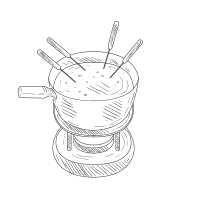
Using a gel fuel (Sterno) or liquid fuel burner is the classic method. The key is to regulate the flame to a gentle, steady level—remember the “simmer, don’t boil” rule to prevent scorching and separation.
The Modern Solution: Electric Fondue Pots
Electric fondue pots offer superior, adjustable temperature control, making them ideal for beginners. They come in various styles, with ceramic pots often providing more even heat distribution than metal.
The Kitchen Hack: A Double Boiler on the Stovetop
For smaller, seated gatherings, a double boiler is an excellent solution. Simply place your heatproof fondue bowl over a pot of gently simmering water. This method provides indirect, consistent heat that’s perfect for maintaining temperature without risk of burning.
The Buffet Savior: A Slow Cooker or Warming Tray
For large parties or buffet-style serving, a slow cooker set to the “Warm” or “Low” setting is perfect. It can keep fondue at the ideal temperature for extended periods without constant supervision.
Fondue Warmer Showdown: Comparing Your Options
Choosing Your Fondue Warming Method
| Method | Portability | Temperature Control | Aesthetics | Ease of Use |
|---|---|---|---|---|
| Fuel Burner | Excellent (ideal for outdoor use) | Moderate (requires manual adjustment) | High (traditional, elegant appearance) | Moderate |
| Electric Pot | Limited (requires power outlet) | Excellent (precise digital controls) | Moderate (modern designs) | High (very beginner-friendly) |
| Double Boiler | Poor (stationary setup) | Good (consistent indirect heat) | Low (practical but not decorative) | Moderate |
| Slow Cooker | Poor (best for stationary buffets) | Good (maintains steady warm temperature) | Low (utilitarian appearance) | High (set-and-forget operation) |
Pro Tips and Unique Tricks for Impeccable Warmth
The “Tea Light” Trick for Casual Gatherings
A little-known hack for small, metal fondue pots: place a few tea light candles in a stable holder and set your pot on top. The radiant heat provides just enough warmth to maintain temperature without further cooking, perfect for a relaxed, lengthy conversation over fondue.
Pre-Heating is a Game-Changer
One of the most overlooked steps is pre-heating your fondue pot. Fill it with hot water and let it sit for a few minutes before drying it thoroughly and adding your hot cheese mixture. A cold ceramic or metal pot will instantly absorb heat from your fondue, causing it to cool prematurely.
The Lid is Your Friend
During lulls in dipping or short breaks, placing a lid on your fondue pot—even slightly ajar to prevent condensation—can trap a significant amount of heat, reducing the energy needed to maintain temperature and keeping your fondue perfectly dippable.
Frequently Asked Questions (FAQs) on Keeping Fondue Warm
Can I reheat cold cheese fondue?
Yes, but it must be done gently to avoid breaking the emulsion. Use a low heat setting on the stovetop or a double boiler, stirring constantly. Avoid the microwave, as it heats unevenly and will almost certainly cause the fondue to separate.
How long can I realistically keep fondue warm?
For optimal texture and food safety, aim to consume your fondue within 1-2 hours of keeping it warm. Beyond this, the cheese can become grainy, and if the temperature drops below 135°F (57°C), the risk of bacterial growth increases.
What is the ideal temperature for serving cheese fondue?
The perfect serving temperature range is between 135°F and 165°F (57°C – 74°C). This is hot enough to keep the cheese melted and safe for consumption but not so hot that it burns the mouth or causes the fats to separate.
My fondue broke and became oily. Can I fix it?
Often, yes! Immediately remove it from the heat and let it cool slightly. Then, vigorously whisk in a tablespoon of cold lemon juice or a cornstarch slurry (one teaspoon cornstarch mixed with one tablespoon of cold water or wine). The acid or additional starch can help re-emulsify the fats and liquids. Properly maintaining the temperature is the best way to prevent this issue from occurring in the first place.
Related Articles
- Tips for avoiding lumpy cheese fondue
- How to thicken thin cheese fondue
- Tips for keeping cheese fondue warm and gooey
- How to fix grainy cheese fondue