Why Mastering Cheese Fondue is a Game-Changer
The Perfect Social Food
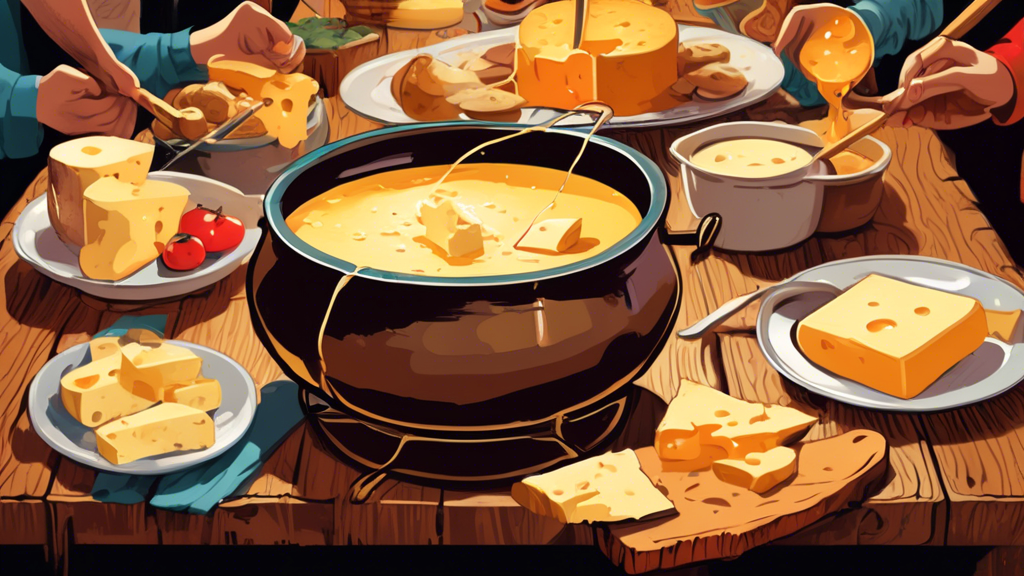
Cheese fondue transforms a simple meal into an interactive, memorable dining experience. It’s a centerpiece that encourages conversation and connection, making it ideal for gatherings with friends and family.
Surprisingly Simple Elegance
While it appears to be a complex, restaurant-quality dish, making cheese fondue at home is a straightforward process. With a few key techniques, you can create an impressive meal that belies its simple preparation.
Essential Equipment You’ll Need
The Fondue Pot: Caquelon is Key
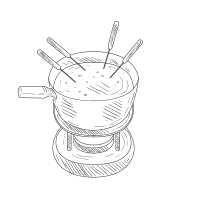
The traditional pot for cheese fondue is a caquelon, a thick-bottomed ceramic pot. It distributes heat evenly and gently, which is crucial for preventing the cheese from scorching. While metal pots can be used, ceramic is superior for maintaining a consistent, low temperature.
| Pot Type | Best For | Considerations |
|---|---|---|
| Ceramic (Caquelon) | Cheese & Chocolate Fondue | Provides even, gentle heat; traditional choice |
| Metal (Stainless Steel/Copper) | Oil & Broth Fondue | Heats quickly; can cause cheese to burn if not careful |
A stable heat source (rechaud) is also essential to keep the fondue at the perfect temperature throughout your meal.
The Fondue Forks
Long-handled, color-coded forks are not just for tradition—they are a safety feature to prevent burns and help guests keep track of their dipping items.
Other Helpful Tools
A sturdy saucepan for the initial melting, a wooden spoon for stirring (metal can scratch pots), and a good quality box grater or food processor for prepping the cheese.
The Classic Cheese Fondue Recipe
Selecting Your Cheeses (The Flavor Foundation)
The classic Swiss combination is Gruyère for its depth and slightly salty, nutty flavor and Emmentaler for its superb melting qualities and mildness. For a unique twist, try adding a small amount of Appenzeller for a sharper, more aromatic fondue.
The Liquid Base: More Than Just Wine
A dry, acidic white wine like Sauvignon Blanc is traditional. The acid is a critical component for a stable emulsion. If you prefer not to use alcohol, you can substitute with non-alcoholic wine, vegetable broth, or even apple cider mixed with a tablespoon of lemon juice.
The Secret to a Smooth Fondue: Cornstarch & Acidity
Here’s something many don’t know: Tossing your grated cheese with cornstarch before adding it to the pot is the secret to a perfectly smooth, non-grainy fondue. The cornstarch coats the cheese proteins, preventing them from clumping together and seizing when they hit the heat. The acid from the wine or lemon juice further helps to keep the proteins separate and the fondue silky.
Step-by-Step: How to Make Cheese Fondue
- Prepare the Cheese: Grate all cheeses and toss thoroughly with one tablespoon of cornstarch per pound of cheese.
- Infuse the Pot: Cut a garlic clove in half and rub it vigorously over the entire interior surface of your fondue pot or saucepan. This imparts a subtle, essential garlic flavor.
- Heat the Liquid: Pour in your wine or substitute and heat it until it is steaming hot but not boiling.
- Add the Cheese: Add a handful of the cheese-cornstarch mixture and stir continuously in a slow, zig-zag (“figure-8”) motion until melted. Repeat until all cheese is incorporated and the fondue is smooth.
- Season: Stir in a splash of kirsch (a cherry brandy, optional), and a pinch of freshly grated nutmeg and black pepper.
- Serve: Carefully transfer the fondue to your fondue pot set over its low flame. Adjust the flame to keep the fondue just barely bubbling.
Solving Common Fondue Challenges
“My Fondue is Lumpy!”
Cause: The cheese was likely added too quickly or the heat was too high, causing the proteins to clump.
Fix: Immediately remove the pot from the heat. Add a splash of cold wine, broth, or lemon juice and whisk vigorously until the lumps dissolve.
“The Cheese and Liquid Have Separated.”
Cause: The emulsion has broken, almost always due to overheating.
Fix: Whisk in a teaspoon of lemon juice or a cornstarch slurry (1 tsp cornstarch mixed with 1 tbsp cold liquid) over low heat until it re-emulsifies.
“My Fondue is Too Thick or Too Thin.”
Too Thick: Gradually whisk in a little more of your warm liquid (wine, broth, or even milk) until it reaches the desired consistency.
Too Thin: Create a cornstarch slurry and whisk it into the simmering fondue. Let it cook for a minute until it thickens.
Dipping Companions: What to Serve with Your Fondue
The Must-Haves:
Cubed, day-old crusty bread like a baguette or sourdough. Slightly stale bread holds up better and won’t fall apart on the fork.
Beyond Bread:
- Blanched vegetables like broccoli, cauliflower, and baby potatoes.
- Crisp, slightly tart apple and pear slices.
- Cornichons and pickled onions for a tangy contrast.
- Cured meats like salami or ham.
Fondue Fun: Traditions and Etiquette
The “Lost Bread” Rule (La Religieuse)
A unique tradition involves the crispy, browned cheese crust that forms at the bottom of the pot, known as la religieuse (the nun). At the end of the meal, this crust is carefully lifted out and shared. The person who retrieves the largest piece is said to have good luck. In some regions, it’s playfully said they will be the next to marry.
Don’t Lose Your Bread!
A classic fondue rule states that if you drop your bread into the pot, you owe a penalty. This could be a kiss to your neighbor, buying the next round of drinks, or hosting the next fondue party. It’s all in good fun and keeps everyone engaged.
Cheese Fondue vs. Other Fondues
| Type of Fondue | Base | Purpose | Dippers |
|---|---|---|---|
| Cheese Fondue | Wine, Cheese, Seasonings | Main Course | Bread, Vegetables, Meat |
| Chocolate Fondue | Chocolate, Cream/Liqueur | Dessert | Fruit, Marshmallows, Cake |
| Oil or Broth Fondue (Fondue Bourguignonne) | Hot Oil or Simmering Broth | Main Course | Raw Meat, Seafood, Vegetables (to be cooked) |
Frequently Asked Questions (FAQs)
Can I make cheese fondue without alcohol?
Yes, absolutely. Substitute the wine with an equal amount of vegetable or chicken broth and add a tablespoon of lemon juice to provide the necessary acidity for a smooth emulsion.
What can I use if I don’t have a fondue pot?
You can use a heavy-bottomed saucepan kept on the stove over the lowest possible heat. A slow cooker on the “warm” setting can also work, though it may not get hot enough to form the prized la religieuse crust.
How do I reheat leftover cheese fondue?
Reheat it gently in a saucepan over very low heat. It will likely be thick, so whisk in a small splash of wine, milk, or water to bring it back to a creamy consistency.
Is there a gluten-free way to make cheese fondue?
Yes. Cornstarch is naturally gluten-free, making it a perfect thickener. For dipping, use gluten-free bread, a wide variety of vegetables, and apple slices.
Conclusion: Your Next Social Centerpiece
Learning how to make cheese fondue is a simple yet incredibly rewarding skill that elevates any gathering. It’s more than a meal; it’s an experience. So gather your favorite cheeses, call your friends, and get ready to create a warm, cheesy, and unforgettable social centerpiece.
Related Articles
- How to Make Swiss Fondue
- How to Make Cheese Fondue Without Wine
- How to Keep Cheese Fondue Warm
- How Much Cheese for Fondue Per Person?