The Art of Authentic Swiss Fondue: More Than Just Melted Cheese
There’s a world of difference between a pot of simply melted cheese and a true Swiss fondue. The latter is a rich, communal culinary ritual, steeped in Alpine tradition. It’s a dish that warms the soul and brings people together. This guide will take you beyond the basics, transforming you from a fondue novice into a confident caquelon master, ready to create an unforgettable dining experience.
Why Your Fondue Fails: Common Pitfalls and How to Avoid Them
Even with the best intentions, fondue can go wrong. Understanding these common mistakes is the first step to fondue perfection.
The Dreaded Curdled Cheese
When your smooth, creamy fondue suddenly separates into grainy cheese solids and oily liquid, you’ve encountered the dreaded curdle.
- Why it happens: The primary culprits are excessive heat and adding cheese too quickly. High temperatures cause the proteins in the cheese to tighten and squeeze out the fat, much like overcooking an egg. Adding cold liquid (like cold wine) to the hot pot can also shock the cheese and cause separation.
- The simple fix: Immediately remove the pot from the heat. Add a tablespoon of cold lemon juice or a cornstarch slurry (1 tsp cornstarch mixed with 1 tbsp of cold wine or water) and whisk vigorously. The acid or starch can often help re-emulsify the mixture.
The Infamous Cheese “Ball” at the Bottom
You’re enjoying your fondue, only to discover a solid, rubbery mass of cheese has fused to the bottom of the pot.
- The cause: This is a direct result of insufficient, infrequent stirring and heat that is too high or not distributed evenly. The cheese settles and cooks onto the hot surface.
- How to achieve a perfectly smooth consistency: From the moment the cheese begins to melt, adopt a constant, gentle “figure-8” stirring motion. This ensures even heating and prevents any cheese from staying in one spot for too long. Keeping the fondue at a gentle, lazy bubble is key.
Lackluster Flavor and Rubbery Texture
Your fondue isn’t broken, but it tastes bland and has a tough, stringy texture.
- The importance of cheese quality and balance: The foundation of a great fondue is high-quality, properly aged cheese. Pre-shredded cheeses are often coated in anti-caking agents like potato starch, which can prevent smooth melting. The acidity from the wine is not just for flavor; it plays a crucial chemical role in keeping the cheese proteins dispersed and the fondue smooth. Skipping it or using a poor substitute can lead to a rubbery, clumpy mess.
Your Step-by-Step Guide on How to Make Swiss Fondue
Follow this detailed process to create a classic, foolproof Swiss fondue.
Gathering Your Arsenal: Essential Equipment
| Equipment | Purpose & Importance |
|---|---|
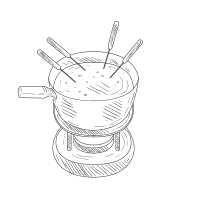
| The Fondue Pot (Caquelon) | This is the traditional earthenware or heavy cast-iron pot. Its material is not just for aesthetics; it distributes heat gently and evenly, which is critical for preventing the cheese from scorching. A metal pot on a direct flame is a recipe for disaster. |
| Fondue Forks | These long forks with color-coded tips are designed to spear bread securely and keep your hands safe from the heat of the pot. The long handles allow for easy dipping and stirring. |
| The Heat Source (Rechaud) | A small stand with a gel fuel (scentless!) burner or an ethanol burner. It provides a consistent, low heat to keep the fondue at the perfect temperature throughout the meal. |
The Perfect Cheese Trio: The Heart of the Dish
The cheese blend is the soul of your fondue. While many recipes call for a duo, the most authentic versions often use a trio.
- The Classic Combination: Gruyère (for its complex, slightly nutty and salty flavor) and Emmentaler (for its superb melting qualities and mild, buttery notes).
- The Secret Third Cheese: For the ultimate in authenticity and creaminess, seek out Vacherin Fribourgeois. This cheese melts into an unbelievably silky texture and adds a distinct, fruity aroma that elevates the entire dish.
- Substitutions: If Vacherin is unavailable, you can use a higher ratio of Gruyère. Other good melting cheeses include Appenzeller or Comté. Avoid cheeses that are too oily or hard, like aged cheddar or Parmesan, as they won’t create the right consistency.
The Fondue Alchemy: A Step-by-Step Process
- Step 1: Garlic Rubbing – The Flavor Foundation. Cut a garlic clove in half and rub it vigorously all over the inside of your cold caquelon. This imparts a subtle, essential garlic essence without being overpowering.
- Step 2: The Wine and Cornstarch Slurry (Maïzena) – The Key to Smoothness. Pour your dry white wine (like a Fendant or Sauvignon Blanc) into the pot. In a separate small bowl, toss your grated cheese with a tablespoon of cornstarch. This coats the cheese and prevents it from clumping as it melts.
- Step 3: The “Figure-8” Stirring Technique for Perfect Melting. Heat the wine over medium-low heat until hot but not boiling. Begin adding the cheese a handful at a time, stirring constantly in a slow, steady figure-8 pattern. Wait until each addition is fully melted before adding the next. This patience is the secret to a luxuriously smooth fondue.
- Step 4: The Final Seasoning. Once all the cheese is melted and smooth, stir in a splash of kirsch (cherry brandy), which sharpens the flavor. Finish with a grating of fresh nutmeg and a crack of black pepper.
Beyond the Classic: Fondue Variations and Comparisons
Classic Moitié-Moitié vs. Regional Swiss Varieties
| Fondue Type | Description |
|---|---|
| Moitié-Moitié (“Half & Half”) | The most famous blend, typically made with equal parts Gruyère and Vacherin Fribourgeois. It’s known for its perfect balance of flavor and creaminess. |
| Fondue Vaudoise | Hailing from the canton of Vaud, this version uses only Gruyère, resulting in a stronger, more pronounced cheesy flavor. |
Cheese Fondue vs. Broth Fondue (Fondue Chinoise)
| Aspect | Cheese Fondue | Fondue Chinoise |
|---|---|---|
| Base | Melted cheese with wine and kirsch. | Simmering seasoned broth or oil. |
| Main Ingredients | Bread for dipping. | Thinly sliced raw meats (beef, chicken) and vegetables to cook in the broth. |
| Experience | Rich, decadent, and communal. | Lighter, interactive, and focused on cooking your own food. |
The Unspoken Rules: Swiss Fondue Etiquette You Didn’t Know
In Switzerland, fondue is more than a meal; it’s a social contract. Adhering to these traditions is part of the fun.
The “Lost Bread” Penalty and Other Traditions
- The Penalty: Legend has it that if you lose your bread in the fondue pot, you owe a penalty. The classic penalties are buying the next round of drinks for the table or, in a more romantic setting, kissing your neighbors.
- Don’t Drink Water: A quirky but persistent Swiss belief is that drinking cold water while eating fondue will cause the cheese to solidify in your stomach, leading to discomfort. Whether scientifically true or not, it’s tradition to stick with wine, kirsch, or a hot tea like Earl Grey.
- The “Religieuse” (The Nun): At the very end of the meal, a thin, crispy crust of toasted cheese will form at the bottom of the pot. This is called la religieuse. It’s considered a delicacy. The host will typically pry it loose and divide it among the guests—a final, delicious reward for a meal well shared.
Frequently Asked Questions About How to Make Swiss Fondue
Can I make fondue without wine?
Absolutely. The acidity is crucial, but you can replicate it without alcohol. Substitute the wine with an equal amount of non-alcoholic apple cider or a mixture of 3/4 cup vegetable broth and 1/4 cup fresh lemon juice. The cornstarch remains essential for stability.
What are the best dippers besides bread?
While crusty bread is the classic, don’t be afraid to experiment:
- Vegetables: Blanched broccoli, cauliflower, baby potatoes, or pearl onions.
- Fruit: Crisp apple and pear slices provide a wonderful sweet and savory contrast.
- Meat: Thin slices of cured meats like air-dried beef (Bündnerfleisch) or salami.
How do I reheat leftover fondue?
Reheated fondue will never be as perfectly smooth as when freshly made, but it’s salvageable. Gently warm it in a small saucepan over the lowest possible heat, stirring constantly. If it separates, use the rescue method with lemon juice or a cornstarch slurry mentioned earlier.
Is there a non-alcoholic version of the kirsch?
Yes. The kirsch adds a subtle fruity, almond-like note. You can mimic this by using a teaspoon of pure cherry juice or a few drops of almond extract. Add it at the very end, just as you would with the kirsch.
Related Articles
- Traditional Swiss Cheese Fondue Recipe: Step-by-Step Guide
- Greek Saganaki-Style Flambé Fondue
- British Cheddar Fondue with Ale and Mustard
- Mediterranean Fondue with Feta and Olive Oil