Essential Equipment for Your Shrimp Fondue
The Fondue Pot: Electric vs. Fuel-Based
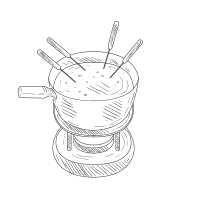
Choosing the right fondue pot is crucial for maintaining a consistent temperature. Electric pots offer precise temperature control and are great for beginners, while traditional fuel-based pots (using gel fuel or ethanol) provide a classic, atmospheric experience but require more attention to flame adjustment.
Must-Have Fondue Utensils
- Color-coded fondue forks (to avoid mix-ups)
- Regular dining forks for eating
- Slotted spoons for retrieving smaller items
- Small individual bowls for dipping sauces
Preparing Your Shrimp for Fondue
Choosing the Best Shrimp
Select jumbo or colossal shrimp (16/20 or U10 count) for easier handling. While fresh shrimp are excellent, high-quality frozen shrimp are perfectly acceptable. We recommend peeled and deveined shrimp for convenience, though shell-on can add extra flavor to your broth.
The Pre-Cook Prep Secret
Here’s a professional chef’s trick most home cooks don’t know: Briefly brining your shrimp before fondue can dramatically improve texture. Soak raw shrimp in a saltwater solution (1 tablespoon salt per cup of cold water) for 15 minutes. This simple step plumps the shrimp with moisture, preventing them from becoming rubbery during cooking and ensuring a juicier result.
How to Make Shrimp Fondue Broth
A Classic Court-Bouillon Base
This traditional French broth provides a delicate, aromatic foundation that complements without overpowering the shrimp:
| Ingredient | Quantity |
|---|---|
| Water | 4 cups |
| Dry white wine | 1 cup |
| Lemon slices | 1/2 lemon |
| Bay leaf | 1 |
| Black peppercorns | 1 teaspoon |
| Fresh thyme | 3-4 sprigs |
Asian-Inspired Flavor Twist
For an alternative flavor profile, try this aromatic Asian broth:
| Ingredient | Quantity |
|---|---|
| Chicken or vegetable broth | 4 cups |
| Light soy sauce | 3 tablespoons |
| Fresh ginger slices | 2-inch piece |
| Star anise | 2 pods |
| Scallions | 3, cut into 2-inch pieces |
The Dipping & Cooking Process
Step-by-Step Cooking Instructions
- Heat your chosen broth in the fondue pot until it reaches a gentle simmer.
- Spear a raw, prepared shrimp with a fondue fork.
- Fully submerge the shrimp in the simmering broth and cook for 2-3 minutes until pink and opaque.
- Transfer to your plate using a separate fork and enjoy with your favorite dipping sauces.
Creating a Dipping Sauce Bar
Offer a variety of sauces to enhance the experience:
- Classic Cocktail Sauce (horseradish, ketchup, lemon juice)
- Garlic Aioli (garlic, mayonnaise, lemon zest)
- Ginger-Scallion Soy (soy sauce, rice vinegar, fresh ginger, scallions)
- Lemon-Herb Butter (melted butter, lemon juice, parsley, dill)
- Spicy Sriracha Mayo (mayonnaise, sriracha, lime juice)
Troubleshooting Common Shrimp Fondue Challenges
“My Broth Isn’t Hot Enough to Cook the Shrimp”
Ensure your pot is properly preheated before guests arrive. Bring the broth to a rolling boil on the stove first, then transfer to the fondue pot. Avoid overcrowding the pot with too many shrimp at once, as this significantly drops the temperature.
“The Shrimp is Rubbery or Overcooked”
Shrimp cook quickly and continue to cook slightly after removal from heat. The brine method mentioned earlier helps prevent rubberiness. Cook shrimp just until they turn pink and opaque – typically 2-3 minutes for large shrimp. Remove them promptly once cooked.
“Cross-Contamination Concerns with Raw Shrimp”
Food safety is paramount. Provide separate plates for raw and cooked shrimp. Use different colored fondue forks for handling raw shrimp versus eating, or provide regular forks for eating. Never put a fork that has touched raw shrimp into your mouth.
Shrimp Fondue vs. Other Fondue Types
Shrimp Fondue vs. Cheese Fondue
| Shrimp Fondue | Cheese Fondue |
|---|---|
| Broth-based cooking | Cheese-based dipping |
| Lighter, healthier option | Rich, decadent experience |
| Protein is the main event | Bread/vegetables are primary dippers |
| Interactive cooking process | Interactive dipping process |
Shrimp Fondue vs. Meat Fondue (Bourguignonne)
| Shrimp Fondue | Meat Fondue |
|---|---|
| Cooking in broth (poaching) | Cooking in oil (frying) |
| Generally safer with less splatter | Higher risk of oil splatters |
| Lighter, more delicate flavors | Richer, crispier results |
| Faster cooking time (2-3 minutes) | Variable cooking times depending on meat |
Frequently Asked Questions (FAQs)
Can I use pre-cooked shrimp for fondue?
We don’t recommend using pre-cooked shrimp. The fondue process is designed for raw proteins. Pre-cooked shrimp will become tough, rubbery, and overcooked when reheated in the hot broth, significantly diminishing their texture and flavor.
What are the best side dishes to serve with shrimp fondue?
Light accompaniments work best. Consider a crisp green salad with vinaigrette, crusty bread to soak up the flavorful broth, or steamed rice. Blanched vegetables like broccoli, mushrooms, and baby corn also make excellent additions to cook directly in the broth.
How long can I keep and reuse the fondue broth?
After your fondue meal, strain the broth through a fine-mesh sieve to remove any food particles. Store it in an airtight container in the refrigerator for up to 2 days. The flavor-infused broth makes an exceptional base for soups, risottos, or cooking grains.
Is shrimp fondue a healthy meal option?
Absolutely! Cooking shrimp in a flavorful broth instead of oil or butter is a low-fat cooking method. Shrimp themselves are high in protein and various nutrients while being low in calories. By controlling your dipping sauces, you can easily maintain this as a healthy, balanced meal.
Related Articles
- How to Make Fondue at Home: A Beginner’s Guide to All 4 Types
- Fondue Potluck Guidelines: Coordinating Multiple Pots and Flavors
- Kids’ Fondue Birthday Party Planning Guide
- Fondue Speed Dating Events: How to Host Interactive Singles Nights