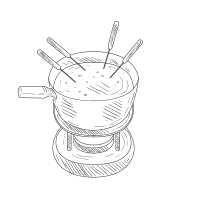

What is Oil Fondue? A Sizzling Introduction
Beyond Cheese and Chocolate: Understanding Broth and Oil Fondues
While cheese and chocolate fondues are well-known for their creamy, dipping-centric nature, oil fondue (also known as Fondue Bourguignonne) represents the savory, cooking-based side of the fondue world. Instead of dipping bread or fruit into a warm mixture, you actively cook bite-sized pieces of food in a pot of hot oil right at the table.
Why You Should Master How to Make Oil Fondue
Oil fondue transforms a meal into an interactive event. It’s a fantastic way to bring people together, as everyone gathers around the pot to cook their own food to their exact preference. It’s also incredibly versatile, allowing you to cater to different tastes with a variety of meats, vegetables, and dipping sauces.
Essential Equipment for Your Oil Fondue
The Right Pot: Why a Metal Fondue Pot is Non-Negotiable
For oil fondue, a metal pot (typically stainless steel or enameled cast iron) is essential. Ceramic or stoneware pots, often used for cheese fondue, cannot withstand the high, direct heat required to maintain oil at frying temperatures and may crack.
The Heat Source: Choosing Your Fuel
The heat source is critical for maintaining a consistent temperature. You have a few options:
- Gel Fuel / Denatured Alcohol: A classic choice that provides a steady, adjustable flame. Ensure you have extra fuel cans on hand.
- Electric Fondue Pot: Offers the most precise temperature control and is often the safest and easiest option for beginners, as there is no open flame.
Must-Have Tools
Beyond the pot, you’ll need:
- Fondue Forks: Long-handled forks with color-coded tips so guests can identify their food.
- Dipping Sauce Bowls: A selection of small bowls for an array of sauces.
- Plates & Utensils: Regular forks for eating the cooked food (never use the fondue fork you cooked with to eat, for safety).
Your Step-by-Step Guide on How to Make Oil Fondue
Step 1: Selecting and Preparing the Perfect Oil
The foundation of a great oil fondue is an oil with a high smoke point. This prevents the oil from breaking down and smoking at high temperatures, which can create off-flavors and be a fire hazard.
| Oil Type | Smoke Point | Flavor Profile |
|---|---|---|
| Peanut Oil | 450°F / 230°C | Neutral, slightly nutty |
| Canola Oil | 400°F / 204°C | Very Neutral |
| Avocado Oil | 520°F / 270°C | Buttery, mild |
| Sunflower Oil | 440°F / 227°C | Neutral |
Step 2: Cutting and Preparing Your Meats and Vegetables
Consistency is key. Cut all meats and vegetables into uniform, 1-inch cubes or pieces to ensure even cooking. Pat everything completely dry with paper towels. Any surface moisture will cause the hot oil to splatter violently.
Step 3: Safely Heating the Oil to the Perfect Temperature
Fill your fondue pot no more than halfway with oil. Heat it slowly on the stovetop to your target temperature of 375°F (190°C), using a deep-fry or candy thermometer to monitor. Once hot, carefully transfer the pot to its stand with the lit fuel burner or electric base. Never pour oil into a pot that is already sitting on a heat source.
Step 4: The Fun Part: Cooking, Dipping, and Enjoying!
Spear a piece of food with a fondue fork and fully submerge it in the hot oil. Cook to your desired doneness, then transfer the cooked morsel to your plate. Use your regular fork to dip it into a sauce and enjoy!
Pro Tips and What to Dip in an Oil Fondue
The Best Meats for Fondue
Tender, quick-cooking cuts work best. Consider beef tenderloin, sirloin, chicken breast, pork loin, and shrimp or scallops.
Don’t Forget the Veggies!
Firm vegetables hold up well to frying. Mushrooms, bell peppers, zucchini, broccoli florets, and small onions are excellent choices.
The “Double-Dip” Rule and a Secret for Extra Crispy Bites
Here’s a unique pro tip most people don’t know: For an incredibly crispy, golden-brown crust that locks in juices, lightly dust your meat or vegetables in a thin layer of cornstarch or potato starch before frying. This creates a delicate, tempura-like coating without a heavy batter.
CRUCIAL SAFETY RULE: Never double-dip the same fondue fork from your mouth back into the communal oil. This introduces bacteria into the oil. Always use your fondue fork for cooking only, and a separate, personal fork for eating.
Common Challenges and How to Solve Them
The Oil Isn’t Hot Enough
Symptom: Food becomes soggy, greasy, and absorbs too much oil.
Solution: Ensure you are using a high-smoke-point oil and that your heat source is powerful enough. A metal pot is crucial for heat retention. Let the oil return to temperature between batches and avoid overcrowding the pot.
Splattering Oil and Safety Concerns
Symptom: Dangerous pops and splashes of hot oil.
Solution: The number one cause is moisture. Be meticulous about patting all food completely dry before cooking. Also, gently lower food into the oil instead of dropping it.
My Fondue Pot Smells Like Old Oil
Symptom: A lingering, unpleasant odor on your pot.
Solution: Use fresh oil for each fondue session. Clean the pot thoroughly immediately after it has cooled down completely, using hot, soapy water. For stubborn smells, a paste of baking soda and water can help.
Oil Fondue vs. Other Fondue Types: A Quick Comparison
| Fondue Type | Base | Cooking Method | Best For |
|---|---|---|---|
| Oil Fondue | Hot Oil | Frying | Meats, Poultry, Seafood, Vegetables |
| Broth Fondue | Simmering Broth | Poaching | Thinly Sliced Meats, Dumplings, Leafy Greens |
| Cheese Fondue | Melted Cheese & Wine | Dipping | Bread, Apples, Vegetables |
| Chocolate Fondue | Melted Chocolate | Dipping | Fruit, Marshmallows, Cake, Pretzels |
Frequently Asked Questions (FAQs) About Oil Fondue
What is the best oil to use for an oil fondue?
Oils with a high smoke point are best, such as peanut, canola, avocado, or sunflower oil. Avoid olive oil and butter, as they have low smoke points and will burn.
How long does it take to cook meat in oil fondue?
Cooking time varies by size and desired doneness. A 1-inch cube of beef will take 30-45 seconds for medium-rare. Chicken, pork, and seafood must be cooked all the way through, which may take 1.5 to 2.5 minutes.
Can I reuse the fondue oil?
It is not recommended. Reusing oil leads to a lower smoke point, off-flavors, and the accumulation of food particles. For the best flavor and safety, use fresh oil for each fondue session.
What are the best sauces to serve with oil fondue?
Offer a variety to please all palates! Classic options include garlic aioli, horseradish cream, peppercorn steak sauce, teriyaki, ginger-scallion, and a tangy barbecue sauce.
Hosting the Perfect Oil Fondue Party
Setting the Scene: Ambiance and Safety First
Place the fondue pot on a stable, heat-resistant surface in the center of the table. Keep the area clear of flammable items like napkins and placemats. Have a fire extinguisher or box of baking soda nearby as a precaution. Use placemats that can be easily wiped clean.
A Sample Menu
- Starter: A simple green salad with a vinaigrette.
- Main Event: The oil fondue with an assortment of prepared meats, vegetables, and 4-5 dipping sauces.
- Dessert: A simple chocolate fondue with strawberries, pineapple, and pound cake, or a selection of sorbets.
Related Articles
- Cheese fondue dipping tips for the perfect bite
- How to Make the Ultimate Fondue Board for Your Next Party
- How to Make Fondue at Home: A Beginner’s Guide to All 4 Types
- Fondue Potluck Guidelines: Coordinating Multiple Pots and Flavors