
What is Beef Fondue? A Modern Twist on a Classic
More Than Just Cheese and Chocolate
When most people hear “fondue,” they think of melted cheese or chocolate. However, beef fondue (specifically Fondue Bourguignonne) is a celebrated and interactive main course that turns dinner into a social event. It’s all about customizing your meal, one delicious bite at a time, right at the table.
Essential Equipment You’ll Need
The Right Fondue Pot is Key
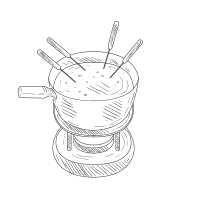
Not all fondue pots are created equal. For cheese or chocolate, a ceramic pot is used. For cooking beef in oil or broth, you must use a metal pot (typically stainless steel or enameled cast iron) designed to withstand high direct heat. A stable stand and a reliable fuel burner, like one using gel fuel or ethanol, are non-negotiable for safety and consistent cooking.
Don’t Forget the Tools
- Long-handled fondue forks: Essential for handling raw and cooking meat. Look for ones with color-coded tips so guests can identify their fork.
- Regular dining forks: Crucial for eating your cooked meat. Never eat directly from the fondue fork—it will be scalding hot.
- Small plates and bowls: For holding raw meat, cooked meat, and an array of dipping sauces.
Your Step-by-Step Guide on How to Cook Beef Fondue
Step 1: Selecting and Preparing the Perfect Beef
The success of your fondue hinges on the quality and cut of the beef. You need tender, well-marbled cuts that cook quickly. The best options are:
- Beef Tenderloin: The most tender and luxurious choice.
- Sirloin: A great balance of flavor and tenderness.
- Ribeye: Excellent marbling for a rich, juicy result.
Pro Tip: Partially freeze the beef for about 30-45 minutes. This firms it up, making it incredibly easy to slice into thin, uniform strips or cubes.
Step 2: Choosing Your Cooking Liquid: Oil vs. Broth
This choice defines the character of your meal.
- Oil Fondue (Fondue Bourguignonne): This is the classic method. It creates a beautifully seared, crispy exterior while keeping the inside juicy. Use a neutral oil with a high smoke point, such as canola, peanut, or grapeseed oil.
- Broth Fondue (Fondue Chinoise or Asian Hot Pot): A lighter, healthier, and deeply flavorful alternative. The meat poaches gently in a seasoned broth, absorbing its aromas. You can use a rich beef broth or an Asian-inspired broth with soy, ginger, and garlic.
Step 3: Setting Up Your Fondue Station Safely
Safety is paramount, especially with hot oil.
- Place the fondue set on a stable, heat-resistant surface away from edges.
- Ensure the pot is securely seated on its stand before lighting the burner.
- Pat all pieces of meat completely dry with paper towels to prevent dangerous oil splatters.
- Arrange all components—meat, sauces, sides—within easy reach of all guests to minimize reaching over the hot pot.
Step 4: The Cooking Process Explained
Now that your station is ready, here’s how to cook beef fondue properly:
- For Oil Fondue: Heat the oil to 375°F (190°C). If you don’t have a thermometer, test the oil by dipping a cube of bread; it should turn golden brown in 30-45 seconds. Spear a piece of meat and cook it in the hot oil for 30-45 seconds for medium-rare.
- For Broth Fondue: Bring the broth to a gentle simmer. Spear a piece of meat and submerge it in the broth for 1-2 minutes, or until it reaches your desired level of doneness.
Overcoming Common Beef Fondue Challenges
Challenge: “My Meat is Tough or Chewy.”
Solution: This is almost always due to using the wrong cut of meat or overcooking. Stick to the recommended tender cuts and be vigilant with cooking times. For broth fondue, the meat will continue to cook slightly after you remove it from the pot, so account for that.
Challenge: “The Oil Smokes or Splatters Everywhere.”
Solution: This happens if the oil gets too hot or if the meat is wet. Use a high-smoke-point oil, monitor the temperature, and be religious about patting the meat dry before cooking.
Challenge: “My Broth is Bland.”
Solution: Don’t use plain water or unseasoned broth. Build a flavor base by simmering the broth beforehand with aromatics like garlic, onions, ginger, star anise, scallions, and a splash of soy sauce or wine.
Oil vs. Broth Fondue: Which is Right for You?
| Method | Pros | Cons |
|---|---|---|
| Oil Fondue | Classic method; creates a delicious, crispy sear; rich flavor. | Higher in fat; potential for smoke and lingering smell; greater safety concerns. |
| Broth Fondue | Healthier and lighter; infuses meat with flavor; the broth becomes a delicious soup. | Meat doesn’t get a seared crust; can be more subtle in flavor. |
Dipping Sauces and Side Dishes
Must-Have Dipping Sauces
The sauces are half the fun! Offer a variety to please every palate:
- Classic Béarnaise: Rich and herby.
- Horseradish Cream: Sharp and creamy, a perfect pairing for beef.
- Garlic Aioli: A robust, garlicky mayonnaise.
- Teriyaki Glaze: Sweet and savory, excellent with broth-fondue meat.
- Gorgonzola Cream: Bold and tangy.
The Perfect Accompaniments
Balance the rich meat with these sides:
- Crusty bread (like a baguette) for soaking up sauces and broth.
- Roasted baby potatoes or potato gratin.
- A crisp green salad with a vinaigrette to cut through the richness.
- Blanched vegetables like broccoli, carrots, or asparagus.
Unique Fondue Tip: Don’t Waste the Broth!
Here is a unique insight that many people miss. After you’ve finished cooking all your meat and vegetables in a broth fondue, the liquid in the pot is no longer just broth—it’s a deeply flavorful, nutrient-rich consommé, infused with the essence of everything cooked in it.
Turn Your Leftover Broth into a “Course Two” Soup
This is a celebrated tradition in many Asian hot pot cultures. Ladle the rich broth into mugs or bowls. You can stir in some cooked rice, noodles, or wilted greens like spinach or chopped scallions. Enjoying this “second course” soup is a comforting and delicious way to conclude the fondue experience, ensuring nothing goes to waste.
Frequently Asked Questions (FAQs)
What is the best oil temperature for beef fondue?
A: 375°F (190°C) is ideal. If you don’t have a thermometer, a cube of bread should brown in 30-45 seconds. Maintaining this temperature ensures the meat cooks quickly without burning the oil.
Can I use a different meat besides beef?
A: Absolutely! Chicken (ensure it’s cooked through), shrimp, pork, and even firm tofu work wonderfully. Broth fondue is particularly versatile for different proteins. Always adjust cooking times accordingly for safety and desired doneness.
How do I clean a fondue pot after using oil?
A: Never pour used oil down the drain. Let the oil cool completely in the pot, then carefully dispose of it in a sealed container. Wipe the pot out thoroughly with paper towels to remove grease, then wash with hot, soapy water.
Is beef fondue safe for a party?
A: Yes, it’s a fantastic party meal, but it requires vigilance. Ensure the pot is on a stable surface, brief guests on fork safety (no double-dipping raw meat forks into the pot), and keep raw meat plates completely separate from cooked meat and other foods to prevent cross-contamination.
Related Articles
- How to Make Fondue at Home: A Beginner’s Guide to All 4 Types
- Fondue Potluck Guidelines: Coordinating Multiple Pots and Flavors
- Kids’ Fondue Birthday Party Planning Guide
- Fondue Speed Dating Events: How to Host Interactive Singles Nights