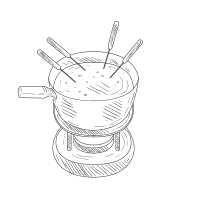

Understanding Your Fondue Burner and Fuel Types
The Two Main Types of Fondue Burners
Fondue burners are categorized primarily by their fuel source, which determines their best use case.
- Liquid Fuel (Gel or Bioethanol) Burners: Ideal for cheese and chocolate fondues, these provide a stable, adjustable, gentle flame.
- Denatured Alcohol (Spirit) Burners: A common, simple option for traditional sets, but they require careful handling due to the liquid fuel.
- Butane Burners: Designed for high-heat applications like oil or broth fondues, offering powerful and consistent temperature control.
Choosing the Right Fuel: A Critical Decision
Using the correct fuel is a non-negotiable aspect of safety and performance. Never substitute one fuel type for another (e.g., do not put gel fuel in a liquid alcohol burner). Always refer to your manufacturer’s instructions for the recommended fuel type to ensure safe operation and optimal results.
Your Step-by-Step Guide on How to Use a Fondue Burner
Step 1: Setup and Preparation
Begin by placing the burner on a stable, level, and heat-resistant surface, such as a trivet or ceramic tile. Ensure the area is clear of flammable materials like curtains or paper napkins and that the fondue pot itself is clean and dry on the bottom before placing it on the stand.
Step 2: Adding the Fuel Safely
This step is critical for safety. The burner must be completely cool.
- For Liquid Fuel Burners: Use a funnel to pour the fuel into the reservoir, filling it no more than two-thirds full to prevent spills. Immediately wipe up any drips.
- For Gel Fuel Burners: Place the sealed gel canister into the burner’s cup. Do not puncture or open the canister.
Step 3: Lighting the Flame
Use a long-reach lighter or a long match for safety. Ignite the fuel through the designated openings. A pro tip is to light the burner before placing the fondue pot on top. This gives you better visibility and control over the ignition process.
Step 4: Regulating the Heat
Control the flame using the burner’s slider or lid. A low, blue flame is perfect for keeping cheese and chocolate gently melted, while a higher flame is needed for maintaining hot oil or broth.
Step 5: Extinguishing the Flame Safely
Never blow out the flame, as this can cause hot fuel to splatter. Always use the snuffer cap that came with your set to smother the flame by cutting off its oxygen supply.
Common Fondue Burner Issues and Troubleshooting
“My Flame Keeps Going Out”
This is often caused by an empty fuel reservoir. For wick-based spirit burners, an old or damaged wick may also be the culprit and will need replacement.
“I Can’t Get the Flame High/Low Enough”
This can result from using the wrong type of fuel, a clogged burner jet, or an improperly adjusted air intake. Ensure you are using the correct fuel and check for blockages.
“There’s a Weird Smell or Black Soot”
An unpleasant odor or soot (black residue) indicates incomplete combustion, often due to impure fuel or an improperly tuned flame. Switch to a higher-quality, recommended fuel and ensure the flame is adjusted to a clean, blue burn.
Fondue Burner Safety: The Non-Negotiables
- Never leave a lit fondue burner unattended. Constant supervision is mandatory.
- Keep long hair and loose clothing tied back away from the flame.
- Position the fondue set in the center of the table, out of reach of children and pets.
- Have a fire extinguisher or a large box of baking soda nearby specifically for potential grease fires. Never use water on a grease fire.
Fuel Showdown: Gel vs. Liquid Alcohol vs. Butane
| Fuel Type | Pros | Cons | Best For |
|---|---|---|---|
| Gel Fuel | Spill-resistant, easy to use, minimal odor | Less adjustable flame, slower to heat | Cheese, Chocolate |
| Liquid Alcohol | Highly adjustable flame, reusable burner | Risk of spills, requires careful handling | Cheese, Chocolate |
| Butane | Very high, consistent heat, fast | Requires specific canisters, overkill for delicate fondues | Oil, Broth |
Fondue Burner FAQs
Can I use rubbing alcohol in my fondue burner?
Answer: Absolutely not. Rubbing alcohol contains additives and water that can produce toxic fumes when burned and will likely clog your burner. Only use fuel that is specifically designed and sold for fondue burners.
How long will the fuel last in my fondue burner?
Answer: Burn time varies by burner size and flame height, but you can generally expect 1.5 to 3 hours of use. For a long fondue party, always start with a full reservoir of fuel.
How do I clean my fondue burner?
Answer: Always ensure the burner is completely cool before cleaning. Wipe the exterior with a damp cloth. If jets are clogged, use a pin or a burst of compressed air to clear them. Never submerge the burner unit in water.
A Unique Fondue Tip You Probably Didn’t Know
The “Pre-Heated Pot” Secret: One of the biggest challenges with cheese fondue is the cheese seizing up and becoming stringy. A major, often overlooked, culprit is a cold pot. Before you even light your burner, warm your empty ceramic or metal fondue pot by placing it in a regular oven at a very low temperature (around 200°F / 95°C) for 10-15 minutes. Then, add your hot cheese mixture to the pre-warmed pot and place it on the lit burner. This prevents a sudden temperature shock, ensuring your cheese stays perfectly smooth and dippable from the very first bite.
Conclusion: Master Your Next Fondue Night
Understanding how to use a fondue burner correctly is the foundation of a safe, enjoyable, and delicious fondue experience. By selecting the right fuel, following the setup and safety steps meticulously, and employing unique tips like pre-heating your pot, you are fully equipped to host an impressive and seamless fondue party for your guests.
Related Articles
- Fondue Potluck Guidelines: Coordinating Multiple Pots and Flavors
- How to Make Fondue Without a Fondue Pot
- How to Make Chocolate Fondue Without a Fondue Pot
- How to Heat a Fondue Pot