
Introduction: The Fondue Dilemma
Fondue, the quintessential communal dining experience, has captivated food lovers for generations. Whether it’s dipping crusty bread into melted cheese, savoring tender meat cooked in bubbling broth, or indulging in sweet chocolate-covered treats, fondue brings people together. But when it’s time to choose your equipment, you’re faced with a classic conundrum: Electric Vs. Traditional Fondue Pot: Which One To Choose? This guide will dissect the pros, cons, and ideal scenarios for each, empowering you to make the perfect selection for your kitchen and lifestyle.
Understanding the Core Technologies
The Traditional Fondue Pot (Fuel-Based)
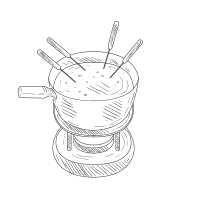
Traditional fondue pots operate using a liquid fuel burner, typically powered by gel ethanol, denatured alcohol, or butane. This method is celebrated for delivering an authentic, rustic fondue experience, reminiscent of its Swiss origins. A key advantage is its portability; since it doesn’t require an electrical outlet, it’s perfect for outdoor gatherings, picnics, or even during a power outage.
The Electric Fondue Pot
Electric fondue pots are the modern answer to fondue making. They plug into a standard wall outlet and use an internal heating element to warm the pot. The standout feature here is precision: most models include a thermostat that allows you to set and maintain an exact temperature, eliminating guesswork and ensuring consistently perfect results, especially for delicate fondues like cheese and chocolate.
Head-to-Head Comparison: Breaking Down the Key Factors
Temperature Control and Consistency
Electric fondue pots excel in this category. With a built-in thermostat, they maintain a steady temperature, preventing cheese from scorching or chocolate from seizing. Traditional pots require manual flame adjustment, which can lead to hot spots and demands constant vigilance to keep the fondue at the ideal consistency.
Ease of Use and Convenience
Electric models are incredibly user-friendly—often a simple matter of plugging in and selecting a temperature. Many feature removable pots for easy cleaning. Traditional pots involve handling flammable fuel, lighting the burner, and adjusting the flame, which can be intimidating for beginners and less convenient for quick, casual fondue nights.
Versatility and Fondue Types
| Fondue Type | Electric Pot | Traditional Pot |
|---|---|---|
| Cheese Fondue | Excellent (low, consistent heat) | Good (requires careful flame control) |
| Chocolate Fondue | Excellent (prevents burning) | Fair (high risk of scorching) |
| Oil/Broth Fondue | Poor (most can’t reach high temps) | Excellent (achieves and maintains high heat) |
Portability and Ambiance
Traditional pots are unbeatable for portability, making them ideal for outdoor events. They also provide a charming, flickering flame that enhances the dining ambiance. Electric pots are tethered to an outlet, limiting their use to indoor settings, and offer a more modern, functional aesthetic.
Safety Considerations
Electric fondue pots are generally safer, featuring cool-touch exteriors, no open flames, and often auto-shutoff functions. This makes them a better choice for households with children or pets. Traditional pots require careful handling of fuel and an open flame, necessitating a stable, non-flammable surface and constant supervision.
The Unique Factor: What You Might Not Know
The Material Matters More Than You Think
While the heat source is crucial, the pot’s material—ceramic, cast iron, or stainless steel—plays a significant role in heat distribution and retention. Ceramic is excellent for even, low heat (ideal for cheese), while cast iron retains heat superbly, making it great for oil fondues. A little-known tip: high-end traditional cast iron pots can be pre-heated on an electric stove. This hybrid technique allows you to use the stove’s powerful heat for initial melting or boiling, then transfer the pot to its stand for a portable, flame-heated serving. It’s the best of both worlds for enthusiasts seeking optimal performance.
Who Should Choose Which? A Quick Guide
Choose an Electric Fondue Pot If…
- You are new to fondue and value simplicity.
- Your primary interest is cheese or chocolate fondue.
- Safety and “set-it-and-forget-it” operation are priorities.
- You typically host indoor gatherings.
Choose a Traditional Fondue Pot If…
- You cherish the authentic, rustic experience and ambiance.
- You frequently prepare oil or broth-based fondues.
- You need a portable option for outdoor dining or parties.
- You are an experienced fondue lover who enjoys the hands-on ritual.
Frequently Asked Questions (FAQs)
Can you use a traditional fondue pot indoors?
Yes, but it must be in a very well-ventilated area to avoid the buildup of fumes from the fuel. Always ensure proper airflow to maintain safety.
Are electric fondue pots good for meat fondue?
Most standard electric models cannot reach the high temperatures required for oil fondue. However, specific “multi-course” or high-wattage electric fondue pots are designed for this purpose and can be effective.
Which type is easier to clean?
Electric pots typically have non-stick, removable inserts that are dishwasher safe, making clean-up significantly easier than traditional pots, which often have fixed components and may require hand washing.
Is one option more cost-effective than the other?
Traditional pots often have a lower initial purchase price, but you’ll have ongoing costs for fuel. Electric pots usually cost more upfront but operate on household electricity, which may be more economical over time, depending on your usage.
Final Verdict: Electric Vs. Traditional Fondue Pot: Which One To Choose?
Your choice between an electric and traditional fondue pot ultimately hinges on your personal preferences, the types of fondue you plan to make, and your hosting environment. If you prioritize convenience, safety, and perfect temperature control for cheese or chocolate, an electric pot is your best bet. If you value portability, authentic ambiance, and the ability to cook with oil or broth, a traditional pot will serve you well. Consider the factors of temperature control, safety, versatility, and ambiance to select the ideal fondue pot for creating memorable gatherings with family and friends.
Related Articles
- The Best Chocolate Fondue Pot for Home Use: Electric, Tealight, and Mini Options
- The Best Cheese Fondue Pot for Home Use: Cast Iron, Ceramic, or Electric?
- Outdoor Winter Fondue Parties: Heating and Setup Tips
- Fondue Potluck Guidelines: Coordinating Multiple Pots and Flavors