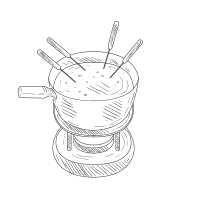
The Winter Feast Awaits: Your Guide to Outdoor Winter Fondue Mastery
Imagine the scene: a crisp winter night, stars overhead, and the warm, communal glow of a fondue pot surrounded by laughter. Now imagine the frustration of a cold pot, a shivering guest, or a logistical nightmare pulling you back inside. This doesn’t have to be your story. The magic of an outdoor winter fondue party is entirely within your control. It hinges not on luck, but on a deliberate and expert approach to your environment. Mastering your heating strategy and physical setup is the absolute foundation for transforming a chilly idea into an unforgettable, cozy culinary event.
Foundational Choices: Selecting Your Battlefield and Gear
Your initial decisions on location and equipment set the stage for success or failure. Treat this phase as building the infrastructure for your edible campfire.
Part A: The Heart of the Party – Choosing Your Fondue Pot
The pot and its heat source are your command center. Your choice dictates your strategy.
Fuel-Based Pots offer portability but require careful management. Ethanol or gel burners provide a gentle, romantic flame ideal for maintaining cheese or chocolate. They are quiet and wind-vulnerable. Butane burners deliver high, adjustable heat, making them champions for oil fondue and more resilient in a breeze. Always have spare fuel canisters.
Electric Pots are the reliability kings, offering consistent, adjustable heat. This advantage is nullified if you ignore one rule: you must use a heavy-duty, outdoor-rated extension cord connected to a GFCI-protected outlet. Never use indoor-rated gear in the cold and damp.
Part B: The Strategic Location and Setup
Site selection is tactical. Seek a natural windbreak like a wall, fence, or dense shrubs. Overhead cover from a pergola or eave protects from light precipitation. The surface must be level, stable, and non-flammable—stone, brick, or concrete is ideal.
Create a dedicated “Fondue Zone.” Arrange seating in a tight circle around a sturdy table large enough for the pot, dippers, and plates, but small enough to keep conversation and heat intimate. This minimizes cold exposure and maximizes the communal feel.
Part C: Material and Component Comparison
| Component Category | Options | Key Characteristics |
|---|---|---|
| Heating Source | Ethanol/Gel Burner | Quieter, ambient flame. Lower heat output. Best for cheese/chocolate. Highly susceptible to wind. |
| Butane Burner | High, adjustable heat. Good performance in moderate wind. Requires cartridge spares; can be noisy. | |
| Electric Element | Most consistent and adjustable. Requires a safe outdoor power source. Zero open flame risk. | |
| Pot Material | Cast Iron | Superior, even heat retention. Very heavy. Ideal for cheese or oil. Requires seasoning. |
| Ceramic (Caquelon) | Traditional for cheese. Provides gentle, even heat. Can crack with rapid temperature changes. Charming aesthetic. | |
| Stainless Steel | Lightweight, durable, and easy to clean. Heats and cools quickly. Often used with electric elements. |
The Core System: Mastering Heat and Atmosphere
Your party is a dynamic thermal system. Your job is to manage two zones: the pot and the people.
Primary Control: Maintaining Fondue Temperature
Each fondue type has a specific thermal sweet spot. Cheese fondue thrives between 120-140°F (49-60°C). Too hot, and it separates; too cool, and it congeals. Oil for frying must be stable at 375°F (190°C). Incorrect temperature leads to greasy, undercooked food. Chocolate fondue is delicate, best kept between 100-115°F (38-46°C) to prevent seizing.
Control the temperature by adjusting your burner and using your pot’s material properties. Perform the “bread cube test” for cheese: a thin coat should cling to the bread without dripping rapidly. This is your real-time gauge.
Secondary Control: Managing Ambient Comfort
A warm pot means nothing if your guests are shivering. Heating people is non-negotiable. Deploy radiant heat sources like a fire pit or patio heater—they warm objects and skin directly, much like the sun. Supplement with ambient heat through blankets, heated seat cushions, and even a rug underfoot to insulate against the cold ground. The goal is to create a warm microclimate that extends beyond the table’s edge.
Advanced Practices: Logistics and Culinary Execution
With your environment secured, shift focus to the art of the party itself. Flawless logistics enable pure enjoyment.
Preparation and Station Setup
Embrace the “mise en place” doctrine. Pre-cut every dipper—bread, vegetables, meat—and store them in covered containers. Organize sauces and seasonings on a separate tray. This creates a logical, self-service flow that keeps guests from huddling over the prep area. For safety, secure all cables against tripping, ensure table legs are stable on uneven ground, and keep a fire extinguisher or large lid nearby to smother a potential oil flare-up.
The Social Strategy: Flow and Facilitation
You are the conductor. Briefly guide guests on fondue etiquette: stir in a figure-eight to prevent sticking, don’t double-dip, and if you drop food in the pot, tradition demands a forfeit. This prevents chaos. Your beverage strategy should provide internal warmth. Offer mulled wine, hot cider, or a rich hot chocolate. These drinks complement the food and act as a secondary heating system for your guests.
Threat Management: Anticipating the Winter Elements
Adopt a proactive stance. Your foresight is the best defense against the elements.
Prevention: The First Line of Defense
Weather-proof your plan. Have a pop-up canopy or tarp on standby for unexpected snow or drizzle. Your number one rule: fuel and power redundancy. Have at least one extra butane cartridge or a full backup ethanol canister. For electric setups, a fully charged high-capacity power bank can be a party-saver.
Intervention: Solving Common Crises
When a problem strikes, act decisively. If wind extinguishes your flame, immediately deploy a portable wind guard (a small folding screen or even a strategically placed planter) or relocate the pot to a more sheltered part of your zone. If guests show signs of heat loss, activate supplemental heat sources immediately and distribute hand-warming packs. Your rapid response keeps the party’s energy from cooling down.
The Action Plan: Your Pre-Party Countdown
| Phase | Primary Tasks | What to Focus On |
|---|---|---|
| 1 Week Prior | Confirm guest count. Test all heating equipment outdoors in evening conditions. Finalize menu and shopping list. | Ensuring equipment functionality and securing all supplies. |
| Day Of (Morning) | Charge all power banks. Pre-cut all dippers; store in fridge. Set up furniture, table, and primary ambient heat sources (fire pit, heater placement). | Culinary preparation and physically staging your outdoor space. |
| 1 Hour Before Guests Arrive | Activate ambient heat sources to pre-warm the zone. Set the table with plates and utensils. Begin initial fondue prep (grating cheese, heating oil) indoors. | Creating an immediately warm and inviting atmosphere the moment guests step outside. |
From Frosty Idea to Warm Gathering
The perfect outdoor winter fondue party is a symphony of controlled heat and thoughtful setup. It moves from selecting the right pot as your anchor, to managing a joyful, warm gathering under the winter sky. This mastery transforms the challenge of the cold into its greatest asset—the profound satisfaction of hosting a unique, memorable feast where your expertise fosters connection and joy. You have the knowledge to turn the coldest night into the warmest of memories. Now, light the flame, and let the gathering begin.
Related Articles
- The Best Chocolate Fondue Pot for Home Use: Electric, Tealight, and Mini Options
- The Best Cheese Fondue Pot for Home Use: Cast Iron, Ceramic, or Electric?
- Fondue Potluck Guidelines: Coordinating Multiple Pots and Flavors
- Creating Layered Fondue: Multiple Cheese Flavors in One Pot