
Why Proper Fondue Temperature is Non-Negotiable
The Consequences of a Cold Fondue
When fondue loses its ideal temperature, the experience quickly deteriorates. Cheese fondue becomes thick, rubbery, and separates into an oily, clumpy mess. Chocolate fondue hardens on the surface, making dipping impossible and creating a grainy texture. Broth or oil fondue that cools down fails to cook ingredients properly, leading to both disappointing flavors and potential food safety issues.
The Goldilocks Zone: Finding the Perfect Temperature
Maintaining the right temperature range is crucial for each type of fondue:
| Fondue Type | Ideal Temperature Range | Visual Cues |
|---|---|---|
| Cheese Fondue | 120-130°F (49-54°C) | Gentle bubbling, never boiling |
| Chocolate Fondue | 110-120°F (43-49°C) | Smooth, fluid consistency |
| Broth/Oil Fondue | Gentle simmer | Small bubbles rising, not vigorous boiling |
Your Arsenal for Keeping Fondue Warm: Method Deep Dive
The Classic: Using a Fondue Pot & Fuel (Canned Heat)
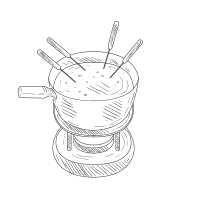
The traditional method involves a fondue pot set over a tea light candle or liquid fuel burner. For optimal results, ensure the burner is properly lit and adjusted to a medium flame. Keep the fondue pot centered above the heat source and stir occasionally to distribute heat evenly. Always have a trivet or heat-resistant surface underneath to protect your table.
The Modern Solution: An Electric Fondue Pot
Electric fondue pots offer precise temperature control through adjustable thermostats, making them ideal for maintaining consistent heat. They’re particularly effective for cheese and chocolate fondues where temperature fluctuations can ruin texture. Many modern electric pots feature non-stick surfaces and multiple heat settings for different fondue types.
The Kitchen Hack: A Slow Cooker or Crock-Pot
For larger gatherings, a slow cooker set to the “Warm” or “Low” setting provides excellent temperature stability. This method works wonderfully for cheese and chocolate fondues, offering hands-free operation and the ability to serve multiple guests simultaneously. The ceramic insert helps distribute heat evenly and prevents scorching.
The Gourmet Choice: A Chafing Dish
Chafing dishes create an impressive buffet-style fondue station. Set up involves placing a water pan between the heat source and the fondue pot, which creates gentle, indirect heat. This method is excellent for maintaining temperature over extended periods and works well for all fondue types, though it requires more space and equipment.
Fondue Warmth Showdown: Comparing Your Options
Fuel Burner vs. Electric Fondue Pot
| Feature | Fuel Burner | Electric Pot |
|---|---|---|
| Atmosphere | Traditional, cozy ambiance with visible flame | Modern, functional appearance |
| Temperature Control | Manual adjustment, less precise | Precise thermostat control |
| Versatility | Primarily for fondue | Often multi-use (fondue, hot pot, slow cooking) |
| Heat Source | Requires replacement fuel | Plug-in electricity |
Tea Light Candle vs. Liquid Fuel
| Aspect | Tea Light Candle | Liquid Fuel |
|---|---|---|
| Heat Output | Low – suitable only for maintaining warmth | High – can heat and maintain temperature |
| Burn Time | 2-4 hours | 2-6 hours depending on adjustment |
| Best For | Chocolate fondue only | All fondue types including cheese and broth |
| Safety | Generally safer, lower temperature | Requires careful handling of liquid fuel |
Pro Tips and Troubleshooting for a Perfectly Warm Fondue
Preventing Common Fondue Disasters
Problem: Cheese becomes too thick and clumpy.
Solution: Keep a small pot of warm wine, broth, or lemon juice nearby to gradually thin the consistency. Stir in a tablespoon at a time until desired texture is achieved.
Problem: Chocolate develops a scorched flavor or grainy texture.
Solution: Always melt chocolate using a double boiler method before transferring to your fondue pot. Never place chocolate directly over high heat sources.
Problem: Heat source fails during your party.
Solution: Always have backup fuel cans or tea lights readily available. For electric pots, keep an extension cord handy in case you need to move to a different outlet.
The Unique “Double-Boiler” Hack for Any Pot
Here’s a professional kitchen secret most home cooks don’t know: If you lack specialized fondue equipment, create a makeshift double boiler by placing your fondue pot (ceramic or metal) over a saucepan of gently simmering water. The steam provides consistent, indirect heat that perfectly maintains cheese and chocolate temperatures without risk of burning. This technique mimics professional bain-marie systems used in restaurants and gives you far better control than direct heat sources.
Frequently Asked Questions About Keeping Fondue Warm
Can I reheat leftover fondue?
Yes, but gentle reheating is essential. Use a double boiler or low heat on the stove while stirring constantly. Avoid microwaving, as the intense, uneven heat typically causes cheese to separate and chocolate to seize, creating an irreparable texture.
How long can I keep a fondue warm safely?
For food safety purposes, never leave perishable fondues (cheese, broth, or meat-based) at warm temperatures for more than 2 hours. Chocolate fondue, being less perishable, can typically be maintained for longer, but quality begins to degrade after 3-4 hours of continuous heating.
My tea light isn’t hot enough. What can I do?
This common limitation of tea lights requires alternative solutions. Either upgrade to a liquid fuel burner for adequate heat, or employ the double-boiler hack mentioned above to supplement the tea light’s minimal warmth. Another option is to periodically return the entire pot to the stove for brief reheating.
What’s the best way to keep fondue warm for a party where people are mingling?
An electric fondue pot or slow cooker on “Warm” setting is ideal for mingling parties. These provide consistent, hands-free heat that requires no monitoring. Position your station in a central location with plenty of serving space, and consider using multiple smaller pots rather than one large one to maintain better temperature distribution.
Related Articles
- How to Keep Chocolate Fondue Warm
- How to Keep Cheese Fondue Warm
- Tips for avoiding lumpy cheese fondue
- How to thicken thin cheese fondue