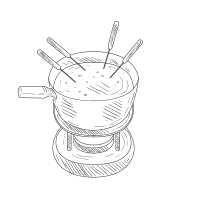

Fondue Pot Fundamentals: Types and Equipment
Know Your Pot: Ceramic vs. Metal
Choosing the right pot is the first step to fondue success. The material dictates what you can safely cook.
- Ceramic/Earthenware Pots: Best for cheese and chocolate fondues. They provide gentle, even heat and retain temperature well. Caution: These pots are susceptible to thermal shock and can crack if exposed to sudden temperature changes.
- Metal Pots (Stainless Steel, Enameled Cast Iron): Essential for oil and broth fondues (Fondue Bourguignonne). They can withstand direct, high heat without damage.
The Essential Fondue Set Checklist
Before you begin, ensure you have all the necessary components for a safe and enjoyable experience.
- The Pot (Caquelon): The main vessel for your fondue.
- The Stand & Burner: Keeps the fondue warm at the table. Know your fuel type (gel vs. liquid).
- Fondue Forks: Long-handled, often color-coded to help guests identify their food.
- Regular Forks for Eating: A crucial safety tip! Never eat directly from the hot fondue fork.
The Step-by-Step Process: How Do You Use a Fondue Pot?
Step 1: Choosing and Preparing Your Fuel
The type of burner you have determines the fuel you use. Using the wrong type is a major safety hazard.
- Gel Fuel Burner: Simply place the canister in the burner and light it. It’s often considered safer and easier.
- Liquid Fuel Burner: Fill the reservoir with denatured alcohol or bio-ethanol according to the manufacturer’s instructions. Light it carefully with a long match or lighter. Key Safety Warning: Never add fuel to a lit or hot burner. Always extinguish the flame and let the burner cool completely first.
Step 2: Preparing the Pot Itself
Proper pot prep prevents sticking and enhances flavor.
- For Cheese & Chocolate: The “Seasoning” Secret. What most people don’t know: For ceramic pots, rubbing a cut garlic clove around the inside before adding your ingredients can prevent sticking and, surprisingly, adds a subtle, complex flavor layer that complements even chocolate fondue.
- For Oil & Broth: Ensure the pot is completely dry before adding oil to prevent dangerous splattering when heating.
Step 3: Mastering the Three Main Fondue Types
Each fondue type has its own technique for perfect results.
- Cheese Fondue: The classic. Grate your cheese and toss it with a little cornstarch. Heat wine or beer in the pot, then gradually add the cheese, stirring constantly in a zig-zag pattern until smooth. The acid helps prevent the cheese from separating.
- Oil or Broth Fondue (Fondue Bourguignonne): Fill the metal pot no more than halfway with oil or broth. Heat it to the perfect cooking temperature of 375°F / 190°C. Guests then cook their own raw meats and veggies.
- Chocolate Fondue: The dessert. Gently melt chocolate with a small amount of heavy cream or coconut milk over low heat, stirring frequently to create a smooth, dippable consistency.
Step 4: The Art of Dipping and Eating
There’s a technique to the perfect fondue bite.
- Cheese Fondue: Use a swirling motion when dipping to coat your bread or vegetable evenly.
- Oil or Broth Fondue: Spear raw meat and submerge it in the hot oil or broth until cooked to your liking (typically 30-90 seconds).
- The Crucial Rule: Never eat directly from the fondue fork! It becomes extremely hot. Use it to cook and dip, then slide the food onto your plate using a regular fork.
Step 5: Post-Fondue Cleanup Made Easy
Don’t let cleanup deter you. A little strategy makes it simple.
- Cheese Pots: Fill the pot with hot, soapy water and let it soak. This will loosen the stubborn, baked-on cheese, making it easy to scrub clean later.
- Oil Pots: Allow the oil to cool completely in the pot. Once solidified or cool, carefully pour it into a non-recyclable container (like a milk carton) and dispose of it with your regular trash. Never pour oil down the drain.
Solving Common Fondue Challenges
My Cheese Fondue is Lumpy or Separated!
Cause & Fix: This is often caused by overheating or adding cheese too quickly. If your fondue breaks, a splash of lemon juice or a cornstarch slurry (cornstarch mixed with a little cold water or wine) can often bring it back to a smooth, emulsified state.
The Fuel Flame is Too High or Too Low
Cause & Fix: For liquid fuel burners, use the adjustable knob to regulate the flame. For gel fuel burners, the flame is generally fixed. If it’s too low, you may need to extinguish it and relight with a new, full tin of gel fuel.
Food is Sticking to the Bottom of the Pot
Cause & Fix: The heat is likely too high, or the pot wasn’t prepared properly. Remember the garlic-rubbing trick for ceramic pots! For metal pots, ensure adequate liquid or fat and avoid cranking the heat.
Is My Oil Hot Enough? (The Bread Cube Test)
Unique Insight: If you don’t have a kitchen thermometer, you can use this simple test. Drop a 1-inch cube of bread into the oil. If it turns golden brown in 30-45 seconds, your oil is perfectly around 375°F (190°C) and ready for cooking.
| Appliance | Best For | Limitations |
|---|---|---|
| Fondue Pot | All fondue types (Cheese, Oil, Chocolate); social, centralized dining. | Requires specific fuel; specialized equipment. |
| Slow Cooker | Mimicking cheese or chocolate fondue; keeping food warm for hours. | Lacks the direct, adjustable heat source for keeping oil hot enough for cooking. |
| Electric Skillet | Broth-based fondues; cooking for larger groups. | Often too shallow and lacks the traditional, intimate social setup. |
Frequently Asked Questions (FAQs)
What kind of fuel do I use for a fondue pot?
Answer: It depends entirely on your burner type. Use denatured alcohol or bio-ethanol for liquid burners, and specifically designed gel fuel cans for gel burners. Never substitute with gasoline or other flammable liquids.
Can I use a fondue pot on an electric or induction stove?
Answer: Only if the manufacturer explicitly states the pot is safe for stovetop use. Most ceramic pots cannot go on a direct stovetop flame or induction plate as the intense, concentrated heat will crack them. Metal pots are more likely to be stovetop-safe.
What are the best dippers for each type of fondue?
Answer: Pairing the right dipper with your fondue elevates the experience.
- Cheese: Cubed crusty bread (like baguette), tart apple slices, steamed broccoli florets, boiled baby potatoes.
- Oil/Broth: Cubed beef sirloin, chicken breast, shrimp, mushrooms, bell peppers, zucchini.
- Chocolate: Strawberries, banana chunks, pound cake, marshmallows, pineapple pieces, pretzels.
What is the “fondue rule” if you drop your bread?
Answer: This is a playful tradition! The penalty for losing your bread in the pot varies, but it often involves buying the next round of drinks for the table or, in a more romantic setting, kissing your neighbor.
Using a fondue pot is a simple and delightful process once you know these fundamentals. It transforms a meal into a memorable, interactive event. Now that you know exactly how do you use a fondue pot, it’s time to dig yours out of the cupboard, gather friends and family, and start planning your next fondue party!
Related Articles
- Fondue Potluck Guidelines: Coordinating Multiple Pots and Flavors
- How to Make Fondue Without a Fondue Pot
- How to Make Chocolate Fondue Without a Fondue Pot
- How to Heat a Fondue Pot