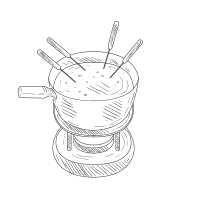
Introduction to Fondue Pot Materials
Fondue is more than a meal; it’s a social experience centered around a shared pot of delicious, melted goodness. Whether it’s cheese, oil, or chocolate, the heart of this tradition is the fondue pot itself. Choosing the right material isn’t just about aesthetics—it’s about performance, ease of use, and the final result on your plate. The two primary materials you’ll encounter are stainless steel and ceramic (often enameled cast iron). This guide provides a detailed breakdown of the Stainless Steel Or Ceramic Fondue Pot: Pros And Cons to help you make the perfect choice for your table.
The Stainless Steel Fondue Pot: A Modern Workhorse
Stainless steel fondue pots are the champions of modern kitchens, prized for their resilience and efficiency.
Key Advantages of Stainless Steel
- Unmatched Durability & Longevity: Resists dents, chips, and cracks. Built to last a lifetime.
- Superior and Rapid Heat Conduction: Heats up quickly and distributes heat evenly, preventing scorching.
- Incredibly Easy to Clean: Typically dishwasher safe and non-porous, so it won’t absorb odors or flavors from previous fondues.
- Lightweight and Easy to Handle: Easier to lift, pour, and clean compared to heavier ceramic pots.
Potential Drawbacks of Stainless Steel
- Less Traditional Aesthetic: Lacks the classic, rustic charm of a ceramic pot.
- Heat Retention Issues: Can cool down faster if removed from the heat source, making it less ideal for keeping cheese fondue warm at the table without a constant flame.
- Potential for Hot Handles: Handles can get very hot and often require the use of potholders.
The Ceramic Fondue Pot: A Classic Choice
Ceramic pots, particularly those made from enameled cast iron, are the traditional favorites, offering timeless beauty and exceptional heat management.
Key Advantages of Ceramic (Enameled Cast Iron)
- Superior Heat Retention: Once hot, it stays hot for a long time, perfect for keeping cheese or chocolate fondue at a consistent, serving-ready temperature.
- Beautiful, Traditional Presentation: Offers a classic, elegant look that is central to the fondue experience.
- Excellent for Simmering: The gentle, radiant heat is ideal for delicate fondues like cheese, preventing them from breaking or burning.
Potential Drawbacks of Ceramic
- Heavy and Fragile: Significantly heavier than steel and can chip or crack if dropped.
- Slower to Heat Up: Requires more time to reach the desired temperature.
- More Demanding Cleaning: Often requires hand-washing and can be prone to staining if not cleaned immediately.
Head-to-Head Comparison: Stainless Steel vs. Ceramic
This comparison table highlights the key differences at a glance.
| Feature | Stainless Steel | Ceramic |
|---|---|---|
| Best For | Oil & Broth Fondue | Cheese Fondue |
| Heat-Up Speed | Fast | Slow |
| Heat Retention | Poor | Excellent |
| Durability | Very High | Fragile (can chip) |
| Weight | Light | Heavy |
| Cleaning | Easy (often dishwasher safe) | Demanding (often hand-wash only) |
| Induction Cooktop Compatible | Often Yes | Rarely |
Which is Best for Cheese Fondue?
Winner: Ceramic. Its superior heat retention keeps cheese smooth and liquid without continued aggressive heating, which can cause it to separate or become oily.
Which is Best for Oil or Broth Fondue?
Winner: Stainless Steel. Its rapid and responsive heating is crucial for maintaining a consistent, rolling boil necessary for safely and effectively cooking raw meat and vegetables.
Which is Best for Chocolate Fondue?
Winner: Ceramic (with a flame diffuser) or Stainless Steel (on low heat). Ceramic’s gentle, even heat is ideal for preventing scorching. However, a stainless steel pot on a very low, controlled flame can also work perfectly if you are vigilant about stirring.
The Unique Factor: Material and Flavor Interaction
Here’s a piece of fondue lore that many don’t know: the pot’s material can subtly influence the fondue’s flavor profile. High-quality ceramic pots, especially unglazed or well-seasoned ones, can contribute a very slight “earthy” minerality over many uses. Some fondue connoisseurs believe this characteristic enhances the complexity of a traditional cheese fondue, adding a depth of flavor that is part of the authentic experience. In contrast, stainless steel is completely inert and non-reactive. It guarantees a “pure” taste of the ingredients without any external influence, which can be preferable for delicate chocolate or broths where you want nothing to interfere with the primary flavors.
Making Your Final Decision: A Quick Guide
Your choice ultimately boils down to your primary needs and the type of fondue you plan to make most often.
- Choose Stainless Steel if: You value speed, durability, easy cleaning, and plan to make a lot of oil- or broth-based fondues.
- Choose Ceramic if: You prioritize a classic presentation, superior heat retention for cheese and chocolate, and don’t mind the extra weight and careful cleaning.
For the ultimate fondue enthusiast who makes all types, owning one of each is not an uncommon solution!
Frequently Asked Questions (FAQs)
Can I use a ceramic fondue pot on an induction cooktop?
Typically, no. Most classic ceramic pots are not induction-compatible unless they have a specific magnetic base plate. Stainless steel pots are far more likely to work on induction cooktops.
Is one material generally more expensive than the other?
Yes, high-quality enameled ceramic (cast iron) pots from reputable brands are often more expensive than their stainless steel counterparts due to the materials and manufacturing process involved.
Can a stainless steel pot work for cheese fondue if it’s all I have?
Absolutely. Use a lower, more controlled flame and stir frequently to prevent hotspots and burning. It’s versatile but requires more attention than a ceramic pot to maintain the perfect consistency.
How do I prevent my chocolate fondue from scorching in any pot?
The best method is to use a double boiler to melt the chocolate gently first, then transfer it to your pre-warmed fondue pot. Never apply direct, high heat to chocolate, as it burns easily.
Related Articles
- The Best Chocolate Fondue Pot for Home Use: Electric, Tealight, and Mini Options
- The Best Cheese Fondue Pot for Home Use: Cast Iron, Ceramic, or Electric?
- Outdoor Winter Fondue Parties: Heating and Setup Tips
- Fondue Potluck Guidelines: Coordinating Multiple Pots and Flavors