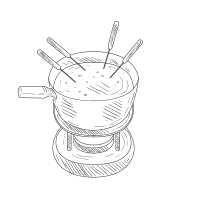
The Agony and the Ecstasy of Fondue
You’ve gathered friends, chosen fine cheeses, and followed the recipe. Yet, instead of a velvety, cohesive pot, you’re left with a grainy, separated mess clinging to the bread. The disappointment is palpable. The difference between that failure and a perfect, silky fondue isn’t luck or magic—it’s science. The single most critical factor is precise heat management. Mastering Fondue Temperature Zones is the non-negotiable foundation for transforming simple ingredients into an extraordinary experience. It is the key that unlocks each cheese’s perfect texture and flavor, turning a potential disaster into a guaranteed triumph.
Foundational Choices: Your Fondue Hardware
Your pot and heat source are not mere utensils; they are the bedrock of your thermal control. The right choices here create a stable platform for success.
Pot Selection and Material
The classic earthenware caquelon offers tradition, but modern materials provide superior control. Your choice dictates how heat is applied and retained.
| Pot Material | Key Characteristics |
|---|---|
| Traditional Ceramic | Provides gentle, even heat distribution ideal for classic fondues. Fragile and sensitive to sudden temperature changes. Requires pre-warming to prevent cracking. |
| Enameled Cast Iron | Offers exceptional heat retention for steady, consistent temperatures. Heavy and stable. Excellent for long, leisurely meals but can hold heat aggressively, requiring careful monitoring. |
| Stainless Steel | Delivers precise, responsive heat control. Often used with an electric base. Less traditional but unparalleled for managing fine temperature adjustments, especially with delicate cheeses. |
The Heat Source: Flame vs. Electricity
This is your throttle. Alcohol or gel burners offer the romantic, adjustable flame of tradition, but they demand constant vigilance. Electric burners are the precision tool of the modern fondue master, providing dial-controlled, consistent heat that eliminates guesswork. For mastering temperature zones, especially with finicky cheeses, electric control is a significant advantage.
The Core System: Mastering the Temperature Zones
Think of your fondue not as a dish, but as a delicate thermal ecosystem. Your goal is to maintain equilibrium within a specific, cheese-friendly range.
The Golden Rule: Low and Slow
High heat is the enemy. It causes cheese proteins to coagulate violently, squeezing out fat and moisture, resulting in a broken, greasy mess. The ideal range is the Simmer Zone, well below a boil, typically between 160°F and 185°F (71°C and 85°C). Within this zone, cheeses melt gently into a stable emulsion.
Variable Control: Tools and Techniques
Control requires measurement and method. An instant-read thermometer is non-negotiable for precision. Learn visual cues: tiny, lazy bubbles signal the perfect zone; large, rolling bubbles mean danger. Employ the “lift-and-stir” method—gently lifting the melted cheese from the bottom and folding it over—to distribute heat evenly. For ultimate control, use a two-burner technique: melt your fondue gently on the stove, then transfer it to a lower-heat burner for maintenance at the table.
Advanced Practices: Cheese-Specific Temperature Strategies
True mastery lies in nuance. Different cheeses demand tailored approaches within the safe Simmer Zone.
Preparation: The Cheese Foundation
Success begins before heat is applied. Tossing your grated cheese with a tablespoon of cornstarch or flour coats the proteins, preventing them from clumping and creating a stabilizing network. Always grate your own cheese; pre-grated contains anti-caking agents that hinder melting. Letting grated cheese sit at room temperature for 20 minutes before cooking reduces the thermal shock when it hits the pot.
Ongoing Management: The Stirring and Dipping Rhythm
Fondue is a living dish. Frequent, gentle stirring maintains the emulsion. Remember that every cold piece of bread dipped into the pot cools it slightly. This rhythmic cooling is natural, but you must compensate with tiny adjustments to your heat source to stay in the zone. It’s a dance between dipping and adjusting.
Cheese Type Strategy: Your Temperature Guide
Apply this framework to build your perfect blend.
- High-Moisture, Melting Cheeses (Gruyère, Emmental): These are the workhorses. They thrive in the lower-mid range, 160-170°F (71-77°C). They are forgiving and tolerate slight fluctuations well.
- Firm, Aged Cheeses (Comté, Aged Gouda): These cheeses need a steady, committed heat in the mid-range, 170-180°F (77-82°C), to melt fully without seizing. Patience is key.
- Soft or Blue Cheeses (Brie, Gorgonzola): Handle with care. They require the gentlest heat, 160-165°F (71-74°C), and constant attention. They often lack structure alone, so blend them with a firmer, high-moisture cheese for stability and sublime flavor.
Threat Management: Saving a Broken Fondue
A proactive stance is your best defense, but even masters need a rescue plan.
Prevention: The Best Defense
Gradual cheese addition, constant stirring, and religious avoidance of boiling are your holy trinity. If you respect the temperature zone, separation is unlikely.
Intervention: The Rescue Plans
If your fondue begins to separate or grain, act immediately with this tiered response:
Tier 1: Remove the pot from heat. Add a splash of cool wine, lemon juice, or kirsch while whisking vigorously. The sudden cool liquid and acid can often shock the proteins back into emulsion.
Tier 2: If Tier 1 fails, create a cornstarch slurry by mixing a teaspoon of cornstarch with a tablespoon of cold wine or water. Whisk this into the troubled fondue over low heat until it re-thickens smoothly.
If all else fails, repurpose with pride: your broken fondue becomes a magnificent base for a soup or pasta sauce. No great effort is truly wasted.
The Action Plan: Your Fondue Service Timeline
| Phase | Primary Tasks | What to Focus On |
|---|---|---|
| Preparation (30 mins before) | Grate cheese and mix with starch; rub pot with garlic; prepare all accompaniments; set table with heat source. | Organization and mise en place. A calm start is crucial. |
| Melting Phase (First 10 mins) | Heat wine/base gently on stove to a bare simmer. Add cheese in small handfuls, stirring constantly in a figure-8 pattern until fully melted and smooth. | Achieving a smooth, initial emulsion without rushing. This is where the foundation is built. |
| Maintenance Phase (During service) | Transfer pot to table heat. Monitor temperature with a thermometer. Adjust flame/dial minutely. Stir the pot gently every few dips. | Holding the perfect Fondue Temperature Zone for your specific cheese blend. This is the art of balance. |
The Transformation at Your Table
Mastery of heat transforms cooking from chance to certainty. This journey—from selecting the right pot and understanding the Simmer Zone to executing a cheese-specific thermal strategy—culminates in profound satisfaction. A perfectly maintained pot becomes the centerpiece of shared joy, enabling uninterrupted conversation and unparalleled creamy delight. This knowledge turns a simple meal into a memorable event, enriching your life one perfect, confident dip at a time. You are no longer following a recipe; you are conducting a symphony of flavor and texture, guaranteed to impress.
Related Articles
- The Best Cheese Fondue Pot for Home Use: Cast Iron, Ceramic, or Electric?
- Creating Layered Fondue: Multiple Cheese Flavors in One Pot
- How to reheat cheese fondue without losing consistency
- The Best Chocolate Fondue Pot for Home Use: Electric, Tealight, and Mini Options