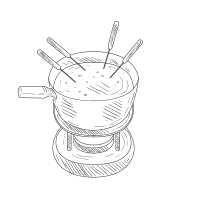
From Simple Melt to Smoky Masterpiece
You know the scene: a pot of melted cheese, warm and comforting. It’s good. But imagine the moment a new aroma rises—deep, woody, and intriguing. The first taste reveals a complex, savory note that transforms the familiar into the extraordinary. This is the power of smoke. Moving beyond barbecue, smoking cheese for fondue is an accessible art form. It elevates a communal dish into your signature culinary achievement. Mastering fondue smoking techniques is the key to unlocking this new dimension of flavor.
Foundational Choices – The Smoking Vessel
Your smoker is the stage for flavor. This first choice dictates your control and results. You must match your equipment to your goal.
Selection and Sizing: Matching Method to Goal
Your primary decision is between two techniques. Cold smoking infuses flavor without applying cooking heat, keeping cheese solid. It is ideal for pure flavor addition. Hot smoking cooks the cheese with warm smoke, creating a softer, fully integrated smoky base perfect for fondue. Choose your vessel accordingly.
For cold smoking, use a dedicated cold smoker, a pellet tube or maze inside a standard grill, or an improvised setup with a smoke generator and a separate, insulated box. For hot smoking, a stovetop smoker, a grill with very low indirect heat, or an electric smoker with precise temperature control works perfectly.
Location and Setup: Creating a Stable Environment
Especially for cold smoking, environment is everything. Set up in a cool, shaded, and well-ventilated area. Stable ambient temperatures prevent cheese from warming unintentionally. Ensure your setup allows for indirect heat and a consistent, gentle flow of smoke over the cheese, not through intense heat.
The Core System: Managing Smoke & Temperature
This is not cooking with fire; it is controlling an environment. You are a conductor guiding temperature and smoke to carry flavor.
The Temperature Imperative
The golden rule is non-negotiable: keep cheese below 90°F (32°C). Exceeding this causes melting, oil separation, and a greasy texture. Use a remote probe thermometer to monitor the cheese surface temperature constantly. For cold smoking, work on a cool day or even place your smoking chamber in a larger container with ice packs.
Mastering Smoke Density and Duration
Observe the smoke itself. You want thin, barely visible blue smoke. It carries clean, pleasant flavors. Thick, white smoke is dirty and will impart a bitter, acrid taste. Manage this by using minimal wood and ensuring good airflow. Duration is critical: smoke delicate cheeses like young Gouda for 30-60 minutes. Hard, aged cheeses like Parmesan or sharp Cheddar can handle 1 to 2 hours.
The Wood Selection Matrix
Wood is your flavor ingredient. Choose it as carefully as you choose your cheese.
| Wood Type | Key Characteristics |
|---|---|
| Apple, Cherry, Alder | Mild, sweet, and fruity notes. Ideal for classic fondue cheeses like Gruyère, Emmental, and Gouda. The perfect starting point for beginners. |
| Hickory, Oak | Medium-bodied, robust, and classic. Excellent with sharp Cheddar or aged Comté. Use sparingly to complement, not overpower, the cheese. |
| Mesquite, Pecan | Strong, earthy, and bold. Best used in small amounts within a blend, or with very robust cheeses. Use with caution to avoid dominating the fondue. |
Advanced Practices: Cheese Preparation & Integration
The art lies in preparation and strategy. How you treat the cheese before and after smoking defines the final balance.
Cheese Preparation for Optimal Absorption
Maximize surface area. Cut your cheese blocks into consistent, smaller chunks or cubes. Before smoking, let the cheese sit uncovered on a rack in the refrigerator for an hour. This air-dries the surface, creating a better pellicle for smoke adhesion and preventing unwanted moisture.
Blending and Melting Strategy
Rarely should you smoke every cheese in your fondue. Use the “Smoked Anchor” method: smoke one key cheese in your blend—typically the Gruyère or primary Cheddar. Then, blend it with unsmoked varieties like Emmental or Fontina. This creates a sophisticated, balanced flavor profile. After smoking, vacuum-seal or tightly wrap the cheese and let it rest in the refrigerator for 24-48 hours. This crucial step allows the smoke flavor to mellow and integrate evenly throughout the cheese. When melting, use gentle, indirect heat to preserve these delicate smoky nuances.
Threat Management: Avoiding Common Pitfalls
Adopt a proactive stance. Simple vigilance prevents wasted effort and ensures perfect results.
Prevention: The Prime Directives
Temperature vigilance is your first defense. Never leave your smoking cheese unattended. Second, ensure absolute cleanliness. Your smoker or grill grates must be free of residual flavors from past meats or strong woods. Dedicate equipment for cheese if possible.
Intervention: Troubleshooting Guide
If you see beads of oil or the cheese starts to slump, the temperature is too high. Immediately move the cheese to a cooler spot or pause the smoking. A bitter, acrid flavor is the sign of dirty, thick white smoke or over-smoking. The fix: use less wood, ensure proper ventilation for clean combustion, and reduce smoking time next session.
Your Smoking to Serving Roadmap
Follow this phased plan for a flawless process from preparation to presentation.
| Phase | Primary Tasks | What to Focus On |
|---|---|---|
| Preparation (Day Before) | Select your cheese blend; cut cheese into chunks; set up smoker in a cool location; select and prepare your wood chips or pellets. | Strategic planning of your final flavor profile. Ensuring all equipment is clean and ready. |
| Smoking Day | Air-dry cheese surface; start smoker to generate thin blue smoke; monitor cheese temperature relentlessly; smoke for your predetermined time. | Absolute temperature control. Observing and maintaining clean smoke quality. |
| Post-Smoke (Resting) | Vacuum-seal or tightly wrap smoked cheese in parchment and then plastic; refrigerate for 1-2 full days. | Patience. Letting the smoky flavors mellow and harmonize within the cheese structure. |
| Service Day | Grate the rested, smoked cheese; blend with your unsmoked cheeses; melt gently with wine, garlic, and kirsch. | Creating a perfectly balanced, velvety, and aromatic fondue that is uniquely yours. |
The Art of the Smoky Melt
Mastery is found in the balance: a controlled environment, thoughtful wood selection, and strategic blending. You begin by choosing a vessel and end by serving a transformed dish. The journey itself—the careful monitoring, the anticipation during the rest—culminates in profound satisfaction. Presenting a deeply flavorful, uniquely personal smoked fondue makes you the architect of a memorable experience. It becomes the centerpiece of any gathering, a testament to a craft that enriches your culinary life.
Related Articles
- The Best Cheese Fondue Pot for Home Use: Cast Iron, Ceramic, or Electric?
- Fondue Tasting Party: Side-by-Side Cheese Comparison Format
- Creating Layered Fondue: Multiple Cheese Flavors in One Pot
- Fondue Temperature Zones: Optimal Heat for Different Cheese Types