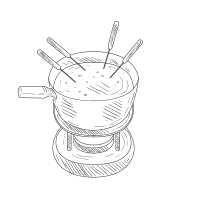
Spring Garden Fondue: Fresh Herb and Vegetable Cheese Blends – Your Guide to Effortless, Elegant Entertaining
You hear the doorbell. Guests have arrived, bearing wine and expectation. The store-bought tub on the counter suddenly looks bland and apologetic. This moment of quiet panic is universal, but entirely avoidable. Imagine instead presenting a pot of molten gold, flecked with emerald herbs and the sweet essence of spring vegetables. This is the transformative power of mastering the Spring Garden Fondue. It is more than a dip; it is a centerpiece, a conversation starter, and a direct expression of seasonal abundance. The key to confident, show-stopping hospitality lies not in complexity, but in understanding the elegant system of cheese, technique, and garden-fresh flavor.
Part 1: Foundational Choices – The Cheese & Vessel
Every masterpiece requires a solid foundation. Your initial choices in cheese and equipment determine the flavor profile and functional success of your fondue. Treat these decisions as the architecture of your dish.
A. Cheese Selection and Blending: Building Flavor Architecture
Superior fondue relies on a blend. A single cheese lacks depth and often melts poorly. Build your blend with purpose.
- The Melting Trio (The Backbone): Swiss-style cheeses provide structure. Use equal parts finely grated Gruyère (for its nutty, savory backbone) and Emmental (for buttery smoothness). For added complexity, substitute a portion with Appenzeller or Comté.
- The Creamy Base (The Luxurious Texture): Incorporate a soft, ripe cheese like Brie or Camembert, rind removed. This cheese melts into a velvety sauce, preventing stringiness and adding a rich mouthfeel. Aim for a ratio of 3 parts hard cheese to 1 part soft cheese.
The Non-Negotiable Rule: You must grate your own cheese. Pre-shredded cheese is coated in cellulose or potato starch to prevent clumping. These agents seize up in the fondue, creating a gummy, grainy texture that no technique can salvage.
B. The Fondue Pot: Choosing Your Vessel
Your pot is both functional engine and presentation piece. The right choice ensures consistent heat and lasting enjoyment.
| Vessel Type | Key Characteristics | Best For |
|---|---|---|
| Traditional Ceramic Caquelon | Provides gentle, even heat retention. Develops a prized seasoning (the “culotte”) over time. Requires careful preheating to avoid cracking. | The classicist seeking authentic presentation. Best used with a gel-fuel or ethanol burner. |
| Enameled Cast Iron | Superior, aggressive heat retention and distribution. Nearly impossible to scorch. Easy to clean. | Anyone prioritizing foolproof function and durability. Works with any heat source. |
| Electric Fondue Pot | Offers precise, adjustable temperature control. No open flame. Often has a non-stick interior. | Entertaining with children or in spaces where an open flame is a concern. Guarantees consistent heat. |
Sizing Guide: A 1.5-quart pot comfortably serves 4-6 people. For larger gatherings, use two pots with different blends to create a tasting experience.
Part 2: The Core System – The Fondue Method & Liaison
A perfect fondue is a stable emulsion of fat, protein, and liquid. Think of it as a delicate ecosystem you must manage with precision. The two critical control variables are your liquid base and your binding agent.
A. The Liquid Base: More Than Just Wine
The liquid does more than thin the cheese; its acidity stabilizes the proteins, preventing separation.
- The Classic: A dry, acidic white wine like Sauvignon Blanc or unoaked Chardonnay (about 1 cup per pound of cheese). The alcohol evaporates, leaving behind bright flavor.
- Non-Alcoholic Mastery: Substitute with an equal amount of dry hard cider, or a light vegetable broth with a full tablespoon of fresh lemon juice added. The acidity is non-negotiable.
B. The Critical Liaison: Achieving Silken Texture
This is the heart of the technique. The liaison—a starch slurry—coats the cheese proteins, ensuring they melt smoothly into the liquid instead of clumping together.
The Method: For each pound of grated cheese, toss it with one tablespoon of cornstarch or all-purpose flour. In your pot, gently heat your chosen liquid with a minced garlic clove until just simmering. Reduce the heat to the lowest possible setting. Add a handful of cheese and stir constantly in a slow figure-eight pattern until fully melted. Repeat, handful by handful, never adding more cheese before the previous addition is fully incorporated. This patience is the price of perfection.
Consequence of Error: High heat or rushed additions will cause the emulsion to “break.” The fat will separate, creating an oily pool with grainy cheese curds. Prevention is straightforward; rescue is possible but requires immediate action.
Part 3: Advanced Cultivation – The Garden Blend
Now, we cultivate the garden. This is where you personalize and optimize, transforming a classic cheese fondue into a seasonal celebration. Your herbs and vegetables are not mere garnishes; they are integral flavor components.
A. Fresh Herb Integration: The Aromatic Soul
Treat herbs based on their delicacy. Delicate, leafy herbs lose their vibrancy with prolonged heat.
- Delicate Fold-Ins (Added at the End): Finely chopped chives, parsley, tarragon, chervil, or dill. Stir them in just before serving to preserve their bright color and fresh punch.
- Heartier Infusions (Added at the Start): Woodsy herbs like thyme, rosemary, or savory. Add a sprig to the warming wine base to infuse their oils, then remove it before adding cheese.
The Guideline: Use ¼ to ½ cup total of finely chopped mixed herbs per pound of cheese. Start conservatively; you can always add more.
B. Vegetable Add-Ins: Texture and Sweetness
Vegetables introduce sweetness, texture, and visual appeal. The critical rule is managing their moisture content to avoid a watery fondue.
| Vegetable Type | Preparation Method | Role in the Fondue |
|---|---|---|
| Purées for Body (Roasted Garlic, Sun-Dried Tomato Paste, Pea Purée) | Integrate 1-2 tablespoons into the warm wine base before adding cheese. | Adds deep, savory sweetness and a subtle, velvety thickness. Imparts beautiful color. |
| Crisp, Tender Accents (Blanched Asparagus tips, Caramelized Shallots, Sautéed Mushrooms) | Chop finely. Sauté to remove excess moisture or blot thoroughly after blanching. | Provides delightful textural contrast and bursts of concentrated flavor. Fold in at the end. |
Part 4: Threat Management – Preventing & Saving a Broken Fondue
Adopt a proactive stance. A broken fondue is almost always a result of haste or high heat.
Prevention: The Proactive Stance
- Grate cheese finely and let it approach room temperature for even melting.
- Always use the cornstarch liaison.
- Maintain the lowest possible heat after the initial simmer. The fondue should bubble lazily, never boil.
- Stir constantly in that patient figure-eight pattern.
Intervention: The Rescue Plan
If you see oily separation, act immediately.
- Immediate Action: Remove the pot from heat. Add one teaspoon of fresh lemon juice or a splash of cold wine/stock. Whisk vigorously to encourage the mixture back together.
- The Slurry Rescue: If step one fails, create a new slurry. Mix one teaspoon of cornstarch with one tablespoon of the separated liquid from the pot until smooth. Over the lowest heat, whisk this new slurry into the broken fondue. It will often re-thicken and re-emulsify.
- Last Resort: For a severely broken batch, a handheld immersion blender can force a re-emulsion. Blend for only a few seconds. The texture will be smoother but may lose some of its traditional character.
Part 5: The Action Plan – A Seasonal Fondue Roadmap
Your Spring Garden Fondue is a year-round concept. Adapt your blend to what is freshest, creating an ever-evolving centerpiece for your table.
| Season | Primary Herb & Vegetable Focus | Perfect Dipping Accompaniments |
|---|---|---|
| Spring | Chives, Tarragon, Blanched Asparagus, Pea Purée | Steamed new potatoes, blistered snap peas, crusty baguette, radishes. |
| Summer | Basil, Lemon Thyme, Roasted Bell Pepper Purée, Sautéed Zucchini | Grilled ciabatta, cherry tomatoes, green beans, artichoke hearts. |
| Autumn | Sage, Thyme, Caramelized Shallots, Roasted Butternut Squash Purée | Roasted Brussels sprout halves, apple slices, sourdough rye, pretzel bread. |
| Winter | Rosemary, Savory, Sautéed Wild Mushrooms, a hint of Truffle Oil | Seared steak bites, roasted cauliflower, potato roesti, pear slices. |
The journey from selecting your cheese to cultivating a garden-fresh blend culminates in a singular, shared experience. It is the satisfaction of watching friends gather, lean in, and dip into a creation that is uniquely yours—a pot of captured seasonality. This mastery transforms obligation into joy, and a simple meal into a lasting memory. The balanced, vibrant, and communal act of sharing a Spring Garden Fondue enriches your table with unparalleled, seasonal delight.
Related Articles
- Fall Harvest Fondue: Pumpkin and Apple Cider Cheese Recipes
- The Best Cheese Fondue Pot for Home Use: Cast Iron, Ceramic, or Electric?
- Fondue Tasting Party: Side-by-Side Cheese Comparison Format
- Outdoor Winter Fondue Parties: Heating and Setup Tips