New Year’s Eve Champagne Fondue Recipes: Your Blueprint for an Unforgettable Celebration
Picture the final moments of the year. The room is abuzz, but you are serene, presiding over a gleaming pot of molten, golden luxury. Guests gather, not with mere flutes, but with eager skewers, ready to partake in a ritual that is both decadent and delightfully communal. This is the promise of a masterfully executed Champagne fondue. It transforms a simple gathering into a curated event, making you not just a host, but a creator of memorable experience.
Forget heavy, one-dimensional cheese dips. A true Champagne fondue is an edible celebration—a perfect balance of rich, nutty cheese lifted by vibrant acidity and effervescence. Mastering this dish is the cornerstone of a seamless, impressive evening. It’s about understanding the delicate alchemy that turns simple ingredients into a sparkling centerpiece, one that captivates from the first dip to the last toast.
Foundational Choices: The Hardware of Your Fondue
Your success is built before the first grate of cheese. Selecting the right tools and core ingredients forms the non-negotiable foundation for a silky, stable, and spectacular fondue.
The Vessel: Choosing Your Fondue Pot
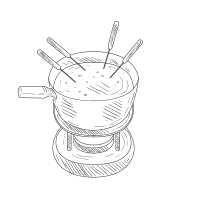
The pot is your command center. For a cheese fondue, heat distribution and retention are paramount. A classic ceramic caquelon is traditional and provides gentle, even heat, ideal for maintaining a steady simmer over a tea light or gel fuel. Enameled cast iron is a superb modern alternative, holding temperature exceptionally well and often working on both stovetop and stand. I avoid thin metal pots, as they frequently lead to hot spots and scorching.
Your fuel source dictates control. Ethanol (liquid) burners offer adjustable flames but require caution. Gel fuel cans are simpler and safer, providing consistent, moderate heat. For ultimate control, especially for beginners, an electric fondue pot with a thermostat is foolproof, though it may sacrifice some rustic ambiance.
The Core Components: Ingredient Selection
Quality here is non-negotiable. Your cheese blend needs structure and flavor. I rely on a base of Swiss Gruyère for its deeply savory, slightly salty notes, combined with Emmental for its superb meltability and mild, buttery flavor. A touch of Comté adds complex nuttiness. Always buy a block and grate it yourself; pre-shredded cheese contains anti-caking agents that ruin the texture.
Your Champagne is both ingredient and inspiration. Choose a dry Brut (not Extra Dry, which is actually sweeter). Its crisp acidity cuts the fat and prevents stringiness. A moderately priced, good-quality bottle is perfect—you’ll use most for cooking, saving a final splash for garnish. The thickener is your safety net. Cornstarch is my champion; it creates a glossier, more stable emulsion than flour. Kirsch (cherry brandy) is traditional and serves a dual role: its alcohol helps stabilize the emulsion while imparting a subtle, aromatic fruitiness.
| Component Category | Primary Options | Key Characteristics |
|---|---|---|
| Cheese Base | Gruyère, Emmental, Comté | Gruyère provides savory depth. Emmental ensures creamy melt. Comté adds nutty complexity. Always grate fresh from a block. |
| Champagne Type | Dry Brut Champagne | Crisp acidity balances richness and prevents stringiness. A good-quality, non-vintage Brut is ideal for both cooking and finishing. |
| Thickening Agent | Cornstarch, Kirsch | Cornstarch creates a glossy, stable base. Kirsch adds subtle aroma and further stabilizes the emulsion. Often used together. |
| Aromatic Boosters | Garlic, Nutmeg, Black Pepper | A garlic-rubbed pot provides foundational flavor. Freshly grated nutmeg and white pepper add warmth and complexity without overpowering. |
The Core System: Mastering Texture & Flavor
A great fondue is not a sauce; it’s a temporary, delicate emulsion you must actively manage. Precision with temperature and technique separates a luxurious dip from a broken, oily mess.
Temperature Control: The Science of the Simmer
Your target is a gentle, steady bubble, barely perceptible. High heat is the enemy—it will cause the proteins to tighten and the fats to separate, leaving you with a rubbery mass floating in oil. I maintain control by starting the base on the stovetop over low heat, then transferring it to a pre-warmed fondue pot over the lowest possible flame. Vigilant, constant stirring is your best tool.
The Emulsion: Technique is Everything
This is where mastery shows. First, toss your grated cheese with cornstarch. This coats every strand, preventing them from clumping together as they melt. In your pot, gently heat the Champagne and a splash of lemon juice until just simmering. Then, add the cheese in handfuls, stirring constantly in a slow, steady figure-eight pattern. This motion incorporates everything evenly. Wait until one addition is fully melted and smooth before adding the next. Patience here guarantees a velvety, lump-free result.
Moisture & Acidity Balance
The Champagne and lemon juice are your balancing agents. They provide the necessary liquid and acidity to keep the cheese proteins from seizing. If your fondue becomes too thick during service, stir in a tablespoon of warm Champagne. If it threatens to separate, a quick whisk with a splash of cold Champagne or lemon juice will often bring it back.
Advanced Practices: Elevation & Dipping Strategy
With the fondue perfected, shift your focus to crafting the complete, elevated experience. The dippers and accompaniments are your supporting cast.
The Dipping Battalion: Composition & Preparation
Texture variety is crucial. For crunch, use day-old, crusty artisan bread (like a baguette or sourdough), cut into hearty cubes with some crust on each. For freshness, offer crisp vegetables that can stand up to the heat: blanched broccoli florets, endive spears, and fennel slices. For indulgence, include seared steak tips, roasted baby potatoes, and slices of crisp, tart apple like Granny Smith. Prepare all elements ahead and arrange them artfully on large platters.
Flavor Optimization & The Complete Experience
Before adding any liquid, rub the interior of your fondue pot with a cut clove of garlic for a subtle, aromatic base. Just before serving, stir in a final ounce of fresh Champagne and a grating of fresh nutmeg. Serve with a classic garnish tray of cornichons, pickled pearl onions, and sliced cured meats like salami or prosciutto. These sharp, salty bites reset the palate between rich dips.
Threat Management: Saving the Celebration
A proactive approach prevents most disasters. Ensure your grated cheese is at room temperature and your bread is slightly stale and dry; moisture is the enemy of a stable fondue. Always use a non-reactive pot (ceramic, enameled cast iron, stainless steel).
Intervention: Fondue Rescue Missions
Even experts face challenges. If your fondue breaks and becomes oily, immediately remove it from heat. Add a tablespoon of cold Champagne or lemon juice and whisk vigorously. It should re-emulsify. If it’s too thick, whisk in warm Champagne, a tablespoon at a time. If it’s too thin, create a slurry with a teaspoon of cornstarch and a tablespoon of Kirsch, then whisk it into the simmering fondue until thickened.
Your New Year’s Eve Timeline
This phased roadmap eliminates last-minute stress, ensuring you are celebrating alongside your guests.
| Timeline | Primary Tasks | Focus On |
|---|---|---|
| 2 Days Before | Shop for cheese, Champagne, and all dipper ingredients. Cube bread and leave it uncovered to stale slightly. | Procurement & Foundation |
| Morning Of | Grate all cheese, toss with cornstarch, and store covered. Prep vegetables (wash, cut). Set the fondue table. | Mise en Place & Setup |
| 1 Hour Before Guests | Blanch hard vegetables. Arrange all dippers and garnishes on serving platters. Open Champagne. | Assembly & Readiness |
| 30 Minutes Before Serving | On the stovetop, create the fondue base up to the point of adding cheese. Bring pot to the table and complete the final melting and stirring in front of guests. | The Grand Finale |
Mastering the New Year’s Eve Champagne fondue is an exercise in joyful precision. It’s the understanding that luxury and levity can coexist in a single pot. You have moved from selecting the right Gruyère to orchestrating a moment of shared, interactive delight. As the clock strikes midnight and you raise a glass, the fondue pot will still be warm, a testament to a celebration crafted with intention. This is more than a recipe—it’s a tradition in the making, an experience that enriches the night and creates memories that linger long after the last bubble has popped.
Related Articles
- Valentine’s Day Fondue Menu: Aphrodisiac Ingredients and Romantic Themes
- Fall Harvest Fondue: Pumpkin and Apple Cider Cheese Recipes
- Outdoor Winter Fondue Parties: Heating and Setup Tips
- Fondue for Kids: Age-Appropriate Recipes and Safety Tips