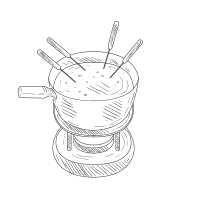
The Vision of the Unflappable Host
Imagine the perfect scene: friends gathered, laughter in the air, the fondue pot bubbling gently at the center of the table. Then, you see it. The silky, unified cheese or chocolate has fractured into a greasy puddle and grainy clumps. The mood plummets. This moment of culinary heartbreak is universal, but your response defines you. Mastering the art of the rescue transforms panic into poise. It elevates you from a hopeful cook to a confident culinary conductor. Understanding and applying precise fondue separator techniques is your key to unshakable confidence, turning potential disasters into your most impressive performances.
The Foundation: Understanding Why Fondue Breaks
You cannot fix what you do not understand. A broken fondue is a failed emulsion, where fat and liquid divorce under stress. Your first mastery is diagnosing the cause.
The Science of the Split: Protein, Fat, and Emulsion
Cheese and chocolate fondue break for different, specific reasons. Cheese fondue is a protein network holding fat and wine in suspension. Overheat it, and the proteins tighten violently, squeezing out the fat and leaving you with rubbery strings in an oily pool. Chocolate fondue is a delicate balance of cocoa solids and cocoa butter. Introducing even a droplet of water or applying high heat causes the fats to seize and separate from the other components, creating a gritty, grainy mess.
The Common Culprits
Three primary offenders cause most fondue failures. Excessive or direct heat is the arch-nemesis, aggressively destroying emulsions. Incorrect ingredient types, like pre-shredded cheese (coated in cellulose) or low-quality chocolate with unstable fat content, provide a weak foundation. Finally, agitation or incorrect stirring—either too vigorous or not enough—fails to properly integrate the elements from the start.
The Core System: Proactive Fondue Management
Treat your fondue pot not as a simple dish, but as a dynamic system requiring active control. Master these two variables, and you will prevent most crises before they begin.
Variable 1: Temperature Control
The ideal range is low, indirect, and consistent heat—a gentle simmer, never a boil. The consequence of failure is guaranteed breaking. Your essential tool is a high-quality, heavy-bottomed caquelon (fondue pot) paired with a stable, adjustable heat source like a gel fuel burner or a low-output electric fondue maker. This setup provides even heat distribution and prevents scorching.
Variable 2: Acid and Starch Balance
Your target is a stable, smooth emulsion that clings to bread. The stabilizers are your insurance policy. Acid from lemon juice or white wine helps keep cheese proteins relaxed. Starch from cornstarch or flour acts as a binder, thickening the liquid and preventing separation. The method is critical: always toss grated cheese with a tablespoon of cornstarch before adding it, and incorporate your starch slurry (starch mixed with a cold liquid) off the heat to avoid lumps.
| Component Category | Options | Key Characteristics |
|---|---|---|
| Cheese Foundation | Gruyère, Emmental, Appenzeller, Comté | Excellent melters; Low moisture content; Form stable emulsions with wine and starch. |
| Chocolate Foundation | Couverture Chocolate, High-Quality Baking Bars | High cocoa butter content; Consistent temper; Avoid chips (contain stabilizers that hinder melting). |
| Critical Stabilizer | Cornstarch, All-Purpose Flour, Arrowroot | Cornstarch is most effective; Create a slurry with wine or kirsch; Add off heat to prevent clumping. |
Advanced Recovery: Fondue Separator Techniques in Action
Despite your best efforts, a split may occur. This is your moment to shine. Apply these techniques with calm precision.
The First Response: Immediate Intervention
Your first two actions are non-negotiable. First, remove the pot from heat instantly to stop the cooking process. Second, add a small amount of cold liquid—a splash of white wine, kirsch, or cold cream—and stir gently. This can sometimes shock the emulsion back together. If it doesn’t, escalate to a targeted technique.
Technique 1: The Cornstarch Slurry Savior (For Cheese Fondue)
This is your primary recovery tool. Mix one tablespoon of cornstarch with two tablespoons of cold wine, kirsch, or lemon juice in a separate bowl to form a smooth slurry. Take your broken fondue off the heat. Whisk in the slurry vigorously until fully incorporated. Return the pot to very low heat and stir constantly with a figure-eight motion until the fondue thickens, re-emulsifies, and becomes smooth again. This method rebuilds the protein-starch network.
Technique 2: The Warm Cream Whisper (For Chocolate Fondue)
Chocolate requires a gentle, fatty touch. Heat a quarter cup of heavy cream or full-fat coconut milk until just warm, not boiling. Take your seized, broken chocolate off the heat. Gradually add the warm cream, one tablespoon at a time, stirring gently and constantly with a silicone spatula. The added fat and liquid will coax the cocoa butter back into a unified, silky state. Avoid adding cold liquid, which will worsen the seize.
Technique 3: The Blender Emergency Fix
For a fondue that is severely broken and other techniques have failed, this is your high-powered last resort. Carefully pour the broken fondue into a heat-safe blender. Add an extra tablespoon of your base liquid (wine for cheese, cream for chocolate). Place the lid on, cover it with a towel, and blend on medium-high for 30-60 seconds. The mechanical force can re-emulsify what gentle stirring cannot. Return to the pot and warm gently.
Threat Management: Prevention Over Cure
The master’s path focuses on creating an unbreakable protocol, making recovery techniques a seldom-used secret weapon.
The Unbreakable Protocol: Preparation
Your battle is won before the pot is heated. Choose the right cheeses: Gruyère and Emmental are classics for a reason. Use high-quality, dry chocolate bars, not chips. Always toss grated cheese with cornstarch before introducing it to the pot. This coats the cheese and ensures even dispersion of the stabilizer.
The Vigilant Practice: Execution
During cooking, your vigilance is paramount. Employ the “figure-eight” stir—it gently folds the fondue over itself for even heating and integration. Never, under any circumstances, let it boil. A bare simmer is your summit. Maintain the perfect serving consistency: it should coat the back of a spoon, not run off like water or stand like pudding.
The Fondue Master’s Action Plan
| Phase | Primary Tasks | What to Focus On |
|---|---|---|
| Preparation | Grate cheese; toss with cornstarch. Finely chop chocolate. Prepare all dipping items. Measure stabilizers and liquids. | Mise en place. Ingredient quality and proper treatment. Having your recovery tools (starch, cream) ready. |
| Cooking | Warm wine/acid base. Add cheese gradually, stirring in a figure-eight. Melt chocolate with cream over double boiler. | Low, indirect, consistent heat. Patient, rhythmic stirring. Never reaching a boil. |
| Recovery (If Needed) | Instantly remove from heat. Diagnose cheese vs. chocolate break. Apply the appropriate fondue separator technique. | Calm, swift action. Using the correct targeted fix. Gentle reheating after recovery. |
The Confident Host, Transformed
A split fondue is no longer a disaster; it is an invitation to demonstrate quiet expertise. You now understand the delicate science of the emulsion, command the core system of temperature and balance, and possess a toolkit of advanced recovery techniques. This knowledge transforms you. The profound satisfaction of rescuing a shared meal, of earning the genuine admiration of your guests, and of knowing that no broken pot can ever unsettle you again—this is the reward. Mastering fondue separator techniques enriches your culinary life with a deep, unshakable confidence that turns every gathering into a guaranteed success.
Related Articles
- How to Keep Fondue Warm
- How to Keep Chocolate Fondue Warm
- How to Keep Cheese Fondue Warm
- Tips for avoiding lumpy cheese fondue