From Broken Mess to Silken Perfection
You’ve gathered friends, chosen fine cheeses, and prepared the bread. The pot is warm, the wine simmers, and anticipation fills the air. You add the first handful of cheese, stirring with hope. Then, it happens. Instead of melting into a creamy, unified pool, the mixture rebels. It separates into a greasy, grainy puddle of oily fat and clumpy protein. The fondue is broken. The moment is lost. This culinary disappointment is not a matter of bad luck or poor recipe. It is a fundamental failure of chemistry and physics. The good news? This science is not only knowable—it is masterable.
Transforming humble ingredients into a luxuriously smooth, stable fondue is an act of kitchen alchemy. The secret lies not in a magical ingredient, but in commanding two intertwined principles: the creation of a stable emulsion and the maintenance of precise thermal control. Mastering the science of fondue: understanding emulsification and temperature control is the single key that unlocks a world of consistent, spectacular results. It turns anxiety into confidence and transforms a simple dish into a guaranteed centerpiece of communal joy.
Foundational Choices—The Fondue “Hardware”
Your equipment is not merely a vessel for cooking; it is the foundational platform for your chemical experiment. The right choices create a stable, predictable environment where science can work in your favor. The wrong ones fight you at every turn, making perfect fondue a struggle against the odds.
Vessel Selection: The Conductivity Core
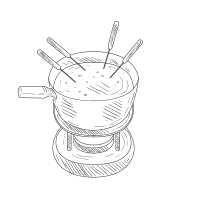
The classic caquelon, or fondue pot, is your first critical decision. Its material dictates how heat spreads and holds, directly impacting your control.
- Enameled Cast Iron: The modern gold standard. It provides superb, even heat distribution and excellent retention, creating a forgiving buffer against temperature spikes. Its weight offers stability on the burner.
- Ceramic or Stoneware: Beautiful and traditional, these pots heat slowly and evenly. They are less conductive than metal, which can be an advantage for gentle warming but requires more attentive pre-heating. Avoid thermal shock.
- Traditional Clay: The most authentic choice, it offers porous, gentle heat. It often requires seasoning and careful handling but provides unmatched, even warmth for a classic texture.
The Heat Source: Precision vs. Tradition
Your ability to make fine adjustments to heat is non-negotiable. The burner is your control panel.
- Adjustable Alcohol or Gel Burners: These offer the classic fondue experience with good control. Choose a burner with a wide, adjustable flame dial. Practice with water to understand its settings before your cheese debut.
- Electric Fondue Pots: The laboratory-grade choice for precision. Many feature thermostatic controls, allowing you to dial in an exact temperature. They eliminate the open flame but provide unparalleled consistency, especially for beginners.
Component & Tool Table
| Component Category | Options | Key Characteristics |
|---|---|---|
| Pot (Caquelon) | Enameled Cast Iron, Ceramic, Traditional Clay | Cast iron offers even heat and forgiveness. Ceramic provides gentle, slow warmth. Clay is authentic but requires seasoning. All must be fondue-specific for shape and heat resistance. |
| Heat Source | Adjustable Alcohol/Gel Burner, Electric Pot | Burners offer tradition and portability; seek precise control dials. Electric pots provide set-and-forget temperature accuracy, ideal for mastering the science. |
| Critical Utensils | Wooden Spoon, Instant-Read Thermometer, Long-Stemmed Forks | A wooden spoon prevents scratching and doesn’t conduct heat. An instant-read thermometer is your essential data tool. Forks keep hands safe from the pot and flame. |
The Core System: Managing Emulsion and Heat
Fondue is not a static sauce. It is a dynamic, temporary emulsion—a suspension of one liquid in another—that you must actively sustain. Think of yourself as an engineer managing a delicate, delicious system with two primary control variables.
Variable 1: Temperature Control—The “Goldilocks Zone”
Heat is the energy that melts cheese and activates chemistry, but it must be precisely targeted. Your fondue must live in a narrow thermal band between 160°F and 175°F (71°C and 80°C). This is the fondue “Goldilocks Zone.”
Stray outside this zone and the system fails. Too hot (above 185°F/85°C), and the cheese proteins overcoagulate, squeezing out their fat and moisture. This creates a tight, grainy, rubbery mass floating in oil. Too cold, and the emulsion never properly forms; the fat remains separate, and the cheese simply sinks and congeals.
Control Tools & Methods: Your instant-read thermometer is your guide. Use it frequently during the initial melt. Learn visual cues: the perfect fondue should have tiny, lazy bubbles rising to the surface, not a vigorous simmer. The moment you see larger, active bubbles, reduce the heat immediately. With a burner, this means turning the dial down. With an electric pot, adjust the thermostat. This is active management, not passive cooking.
Variable 2: Emulsification—Building the Stable Bond
An emulsion is a mixture of two liquids that normally don’t mix, like oil and water. In fondue, the melted cheese fat is the “oil,” and the wine or broth is the “water.” To force them to combine into a creamy suspension, you need an emulsifier.
Cheese itself provides some emulsifiers—proteins and natural salts—but they are fragile. This is where science meets technique. The acid in wine helps keep proteins from clumping. The starch in flour or cornstarch is your emulsification insurance policy. Starch molecules swell in the hot liquid, creating a physical network that traps fat droplets and prevents them from coalescing and separating.
The consequence of ignoring this science is a “broken” fondue. Adding cheese too quickly overwhelms the liquid’s ability to incorporate it. Insufficient stirring fails to distribute heat and emulsifiers evenly. Skipping the starch leaves the emulsion vulnerable to the slightest temperature fluctuation. Every step in the process supports the emulsification reaction.
Advanced Practices: The Art of the Blend
With the system’s theory understood, you now refine the art. Your choices in ingredients and technique elevate your fondue from scientifically stable to sublimely delicious.
Ingredient Preparation: The Foundation of Flavor
Preparation is non-negotiable. Cheese must be grated or finely diced. Large chunks melt unevenly, creating cold spots that seize up and cause clumping. Select a blend of cheeses for flavor and function: a younger, high-moisture cheese like Gruyère for meltability, and an aged, flavorful one like Comté or Appenzeller for depth. The wine or acidic liquid (like dry cider or lemon juice-infused broth) is not just for flavor; its acidity helps keep cheese proteins dispersed and stable. Never use a sweet or non-acidic liquid as your base.
The Technique: Process and Motion
Two techniques are paramount. First, the “slurry” method: toss your grated cheese with a tablespoon of cornstarch or flour before adding it. This coats every strand, ensuring the starch is perfectly distributed to do its job. Second, the “figure-eight” stir. This is not a superstition. Stirring in a constant, lazy figure-eight pattern ensures every part of the pot base gets equal contact with heat and that the melting cheese integrates smoothly from the edges to the center. It is the motion of even incorporation.
Strategy for Success: Building the Pot
Follow this sequence to build an unbreakable emulsion:
- Flavor the Base: Rub the inside of the pot with a cut clove of garlic.
- Heat the Liquid: Add wine or broth and heat it just to a bare simmer in your Goldilocks Zone.
- Incorporate Gradually: Add a large handful of your starch-tossed cheese. Stir constantly in a figure-eight until fully melted and smooth before adding the next handful. This patience is critical.
- Finish and Season: Once all cheese is incorporated and the fondue is velvety, finish with a splash of kirsch (if using) and season with pepper or nutmeg. The kirsch isn’t just for flavor; its alcohol can help tighten the emulsion.
Threat Management: Saving and Preventing Breaks
Adopt a proactive commander’s mindset. Your goal is to prevent problems through disciplined practice. But even masters need a rescue plan.
Prevention: The Best Defense
Your three immutable rules are: gradual cheese addition, maintained temperature zone, and constant, gentle stirring. If you hold to these, a break is almost impossible. Ensure your dippers are room temperature, not cold from the fridge, to avoid shocking the pot when dipped.
Intervention: The Rescue Plans
If trouble strikes, diagnose first. Is the fondue grainy (too hot) or oily and separated (emulsion failed)? For graininess, immediately remove from heat and stir vigorously. Sometimes this can re-integrate the proteins. For separation, try this tiered response:
- Off-Heat Stir: Take the pot off the burner. Stir vigorously with a whisk to try to mechanically re-emulsify.
- Hot Liquid Splash: If stirring alone fails, add a tablespoon of hot wine or broth and whisk fiercely.
- Emergency Slurry: For a full break, mix one teaspoon of cornstarch with two teaspoons of cold wine or water. Bring your fondue back to a very low heat, whisk in the slurry, and stir constantly until it thickens and re-incorporates. This is your guaranteed fix.
The Action Plan: A Fondue Master’s Calendar
Follow this phased roadmap to guide your process from preparation to perfect service.
| Phase | Primary Tasks | Focus On |
|---|---|---|
| Prep & Mise en Place | Grate and starch-toss all cheese. Prepare all dippers (bread, vegetables). Measure wine, kirsch. Set up burner/station. | Organization. Having everything ready and within arm’s reach is 50% of the battle. |
| Foundation Building | Heat wine to a bare simmer (160-170°F). Add first batch of cheese. Stir until completely smooth. | Gentle, even heat. Establishing the initial emulsion correctly. |
| Emulsion & Integration | Add remaining cheese in small batches, stirring each to full smoothness. Adjust flame to maintain lazy bubbles. | Patience and temperature vigilance. Maintaining the Goldilocks Zone. |
| Maintenance & Service | Adjust flame for steady warmth. Encourage communal stirring with each dip. Monitor texture. | Consistency. Keeping the fondue at the perfect dipping viscosity until the last bite. |
The Mastered Pot—A Transformation
Fondue mastery is the elegant balance of emulsion science and precise thermal control. It is the journey from selecting the right conductive pot to commanding the steady, rhythmic stir that builds a silken bond. It transforms the act of cooking from following a recipe to conducting a delicious, predictable reaction.
When you internalize this science, the result is profound satisfaction. The anxiety of the broken pot vanishes, replaced by the confident calm of a chef in command. You create not just a dish, but an event—a communal pot that remains luxuriously smooth from the first crisp bite of bread to the coveted croûte at the bottom. This is the transformation: turning simple ingredients into an experience of guaranteed delight, where every dip is a perfect, creamy reward. Your table becomes a place of warmth, connection, and culinary triumph.
Related Articles
- How to Make Fondue at Home: A Beginner’s Guide to All 4 Types
- Fondue Potluck Guidelines: Coordinating Multiple Pots and Flavors
- Kids’ Fondue Birthday Party Planning Guide
- Fondue Speed Dating Events: How to Host Interactive Singles Nights