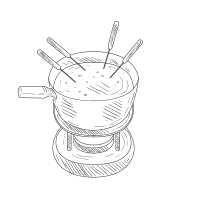
From Sizzle to Symphony
You know the scene: a crowded pot of shimmering oil, a tangle of forks, and a platter of beef cubes that all emerge tasting the same—slightly greasy, uniformly cooked, a shadow of their potential. This is the fate of a Fondue Bourguignonne stuck at the basics. It becomes a rushed, utilitarian meal, not the interactive culinary event it was meant to be. True mastery transforms this classic from a simple hot-oil dip into a refined, controlled, and deeply satisfying experience. Elevating your Bourguignonne requires moving beyond the starter kit to command three core pillars: the foundational hardware, the precise management of the cooking environment, and the artful curation of every element on the table.
Part 1: Foundational Choices – The Hardware of Refinement
Your equipment is the control center for temperature, safety, and social flow. Compromising here undermines everything that follows.
The Vessel and Heat Source: Stability is Everything
This duo forms the non-negotiable foundation of your fondue system.
Part A: The Pot. A heavy-bottomed, enameled cast iron or thick stainless steel pot is essential. It maintains a steady, even heat, preventing the drastic temperature swings that cause food to absorb oil. Lightweight pots or ceramic alternatives cannot perform this critical function.
Part B: The Fuel. Your choice dictates your control. Butane cartridge burners offer precise, adjustable, and sustained high heat—ideal for maintaining the crucial 375°F. Liquid fuel (ethanol/gel) burners are often less adjustable and can struggle to keep pace, leading to a cooling pot and greasy results.
The Tools of Engagement
Superior tools enhance safety and enjoyment. Seek long-handled fondue forks (8+ inches) with pronounced tines to secure meat. Color-coded ends prevent confusion. Provide ample fork rests to prevent hot handles from scorching your table, and consider a simple splatter guard for ultimate control.
Part 2: The Core System: Mastering the Cooking Environment
This is not about boiling oil. It is about managing a pristine, high-heat medium for perfect searing.
The Oil: Selection and Thermodynamics
The oil is your cooking environment. You must select and control it with intention.
Selection: Use oils with a high smoke point (above 400°F/205°C). My personal favorite is refined avocado oil for its neutral flavor and exceptional stability. Peanut and high-oleic sunflower oils are also excellent. A blend can be beneficial for cost and flavor balance.
Control: The ideal temperature range is a narrow 350-375°F (175-190°C). Below this, food soaks up oil and becomes greasy. Above it, the oil degrades, smokes, and imparts bitter flavors. Using a deep-fry or quality candy thermometer is not a suggestion—it is mandatory for consistent results.
Safety and Atmosphere as Managed Variables
Mastery extends beyond the pot. Ensure absolute stability on a level, heat-proof surface. Keep the setup away from curtains and overhead cabinets. For a flare-up, calmly place the lid on the pot to smother flames—never use water. Socially, guide your guests: encourage cooking in small batches to maintain oil temperature, and establish the “one-bite-per-dip” rule to keep the experience elegant and paced.
Part 3: Advanced Practices: The Art of Curation and Preparation
Here, your role shifts from active cook to expert curator. The quality of your preparation defines the experience.
The Protein Canvas: Beyond Basic Beef
Move beyond generic “stew meat.” Seek well-marbled, tender cuts that can withstand quick searing.
| Cut of Beef | Key Characteristics |
|---|---|
| Filet Mignon (Tenderloin) | Exceptionally tender and lean; a luxurious choice that benefits from flavorful sauces. |
| Ribeye Cap | Intensely marbled and flavorful; offers a rich, buttery texture that stands up beautifully to high heat. |
| Strip Loin (New York Strip) | Excellent balance of robust beef flavor and tender texture; a reliable, crowd-pleasing choice. |
Cut all meat into consistent 1-inch cubes and pat them thoroughly dry with paper towels. Any surface moisture will cause violent oil splatter. For strategic variety, add cubes of lamb loin, duck breast, or large scallops to create a symphony of textures and flavors.
The Symphony of Sauces and Dips
Store-bought sauces are your greatest limitation. Homemade sauces transform each bite into a personalized creation. Prepare these ahead of time:
- Béarnaise: The classic, rich partner for beef.
- Roquefort Cream: A pungent, tangy blue cheese sauce for bold palates.
- Chimichurri: A vibrant, herbal Argentinian sauce that cuts through richness.
- Ginger-Scallion: A bright, Asian-inspired oil perfect for duck or seafood.
Present sauces in small bowls on a dedicated tray or in a multi-compartment server for an organized, elegant station.
The Supporting Cast: Salads and Accompaniments
Balance the richness with crisp, acidic elements. A simple frisée salad with a sharp vinaigrette is perfect. Provide crusty bread for saucing and blistered vegetables like mushrooms or asparagus for dipping variety.
Part 4: Threat Management: Problem Prevention and Solution
A flawless evening is achieved by anticipating issues. Adopt a proactive stance.
Prevention: The Proactive Stance
Enforce three cardinal rules: 1) No water on ingredients—pat proteins and vegetables completely dry. 2) Controlled portioning—add only 4-5 pieces to the pot at a time to avoid a temperature crash. 3) Be prepared—keep the pot lid and a kitchen fire extinguisher within reach, just in case.
Intervention: The Tiered Response Plan
| Problem | Immediate Solution |
|---|---|
| Oil temperature dropping | Pause cooking. Temporarily increase heat on the burner and wait for the thermometer to recover to 375°F before resuming with smaller batches. |
| Oil smoking excessively | Immediately remove the pot from heat. Allow it to cool completely, then replace with fresh oil. This oil has degraded. |
| Cross-contamination or lost forks | Enforce color-coding. Provide extra serving forks for transferring cooked meat to plates, keeping fondue forks solely for cooking. |
Part 5: The Action Plan: A Timeline for Effortless Elegance
This schedule eliminates day-of stress, allowing you to be a present host.
| Timeline | Primary Tasks | Focus On |
|---|---|---|
| 2-3 Days Before | Source and order premium meats. Purchase oils, fuel, and all pantry items for sauces. | Advance sourcing and planning to secure the best ingredients. |
| The Day Before | Prepare all sauces; store in airtight containers. Wash and prepare salad greens; make vinaigrette separately. | Maximizing make-ahead components. Flavors meld and improve overnight. |
| Day Of, 3 Hours Before | Cut all meats and proteins; pat dry thoroughly. Arrange on platters, cover, and refrigerate. Set the table, including the sauce station. | Complete mise en place and staging. The kitchen is ready before guests arrive. |
| 30 Minutes Before Guests Arrive | Fill the pot and light the burner. Pre-heat oil to 375°F. Do a final arrangement of all platters. | Achieving the perfect starting temperature. You greet guests with everything poised for perfection. |
The Mastered Experience
French Fondue Bourguignonne, mastered, is the ultimate balance of precise control and generous hospitality. It is the journey from selecting a heavy pot to presenting a curated, interactive feast where every element has purpose. The profound satisfaction comes not from cooking for your guests, but in creating an environment where they craft their own perfect bites—a symphony of seared meat, vibrant sauces, and shared conversation. This is the true, elevated art of the fondue experience, an unparalleled joy that transforms a simple meal into a memorable event.
Related Articles
- Greek Saganaki-Style Flambé Fondue
- British Cheddar Fondue with Ale and Mustard
- Scandinavian Seafood Fondue Traditions
- Mediterranean Fondue with Feta and Olive Oil