Beyond Cheese—The Umami Revelation
You know the scene: a pot of thick, congealing cheese, a basket of bread, and a lingering heaviness that ends the evening rather than enlivens it. This is the fondue fatigue—a one-note experience where richness overwhelms nuance. But imagine a different centerpiece: a pot of fragrant, steaming broth, alive with savory depth, where each dip is a discovery. This is the promise of the Japanese-inspired miso fondue. It is not a mere substitute; it is a sophisticated evolution. Mastering this recipe is the key to unlocking interactive, elegant dining that centers on the profound, layered symphony of umami, not just fat.
Foundational Choices: The Broth & Vessel
Your success is built before the first ingredient hits the pot. The quality of your base components and your physical setup forms the unshakable foundation for everything that follows.
Part A: Crafting the Core Broth
Your miso and dashi are the soul of the fondue. White (Shiro) Miso is mild, sweet, and forgiving, perfect for delicate dippers like seafood and tofu. Red (Aka) Miso is bold, salty, and fermented, ideal for heartier meats and root vegetables. For ultimate balance, use a blended approach, mixing two parts white to one part red. For the dashi, a quality store-bought awase dashi (kombu and bonito) is acceptable, but a 20-minute homemade batch is the transformative choice that adds a clean, oceanic backbone no powder can match.
Part B: The Fondue Vessel & Heat
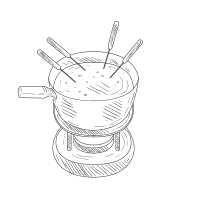
This is live-fire cooking at the table. Use a stable, level surface for your tabletop burner—butane or alcohol gel are reliable. Your vessel choice dictates heat retention and presentation. A traditional ceramic donabe offers beautiful, even heat and rustic charm but requires a diffuser to prevent cracking. Enameled cast iron is a superb all-rounder, retaining a steady simmer beautifully. A stainless steel pot is lightweight and responsive, perfect for quick adjustments.
Part C: Broth Component Breakdown
| Component Category | Options | Key Characteristics |
|---|---|---|
| Miso Type | White (Shiro), Red (Aka), Blended | White: Sweet, mild, fast-fermented. Red: Salty, robust, long-fermented. Blended: Offers the perfect balance of depth and approachability. |
| Dashi Base | Homemade Awase Dashi, Quality Store-Bought Liquid | Homemade: Provides unparalleled clarity and layered umami. Store-bought: A consistent, time-saving foundation; avoid powdered single-serve packets for best results. |
| Aromatic Infusions | Sake, Mirin, Fresh Ginger, Garlic | Sake adds alcohol-soluble flavors and depth. Mirin contributes a gentle sweetness and gloss. Fresh ginger and garlic should be lightly crushed to perfume, not overpower, the broth. |
| Richness Agents | Toasted Sesame Oil, Chicken Stock (optional) | A few drops of toasted sesame oil finish the broth with nutty fragrance. Substituting up to half the dashi with a light chicken stock can add body for meat-heavy gatherings. |
The Core System: Balancing the Broth
The fondue pot is not a static soup; it is a dynamic flavor ecosystem you manage in real-time. Your control over three key variables determines the success of every dip.
Variable 1: Umami & Salt Concentration
Ideal Target: A deeply savory, sippable broth that enhances, not masks, the natural flavor of your dippers. It should whisper umami, not shout salt.
Control Methods: Always dissolve miso in a ladle of warm dashi first before swirling it into the pot—this prevents clumping. If the broth becomes too salty from reducing, dilute with plain hot dashi or water. Balance a sharp salt edge with a teaspoon of mirin. Taste the broth between each round of dippers; this is your most important tool.
Variable 2: Temperature & Simmer
Ideal Target: A gentle, steady simmer with lazy bubbles, just below a boil (around 190°F/88°C).
Control Methods: Adjust your burner to the lowest setting that maintains this simmer. A rolling boil is your enemy—it will cloud the broth, make proteins tough, and, crucially, destroy the delicate enzymes and aromas in the miso, resulting in a flat, bitter taste.
Variable 3: Broth Enrichment & Refresh
This is the magic of the shared pot. As proteins and vegetables cook, they leave behind traces of their essence, building the broth’s complexity. After two or three rounds of hearty dippers, the broth will be profoundly flavorful but may contain sediment. This is the time for a partial refresh. Ladle out one-third of the spent broth, replace it with fresh, seasoned dashi, and swirl in a fresh spoonful of miso to recalibrate. You are cultivating flavor, not just consuming it.
Advanced Practices: Dippers & The Art of Dipping
Elevate the practice from cooking food in broth to a curated culinary journey. This is where your mise en place transforms into theater.
Preparation: The Dipper Pantry
Think in terms of texture and cooking time. Proteins: Paper-thin slices of beef (ribeye or sirloin), bite-sized chicken thigh, shell-on shrimp. Vegetables: Quick-cooking mushrooms (shimeji, enoki), baby bok choy, lengths of negi (Japanese leek). Starches & More: Pre-cooked udon noodles, cubes of lightly grilled mochi, and absorbent tofu puffs (atsuage) are essential for the finale.
Ongoing Inputs: The Dipping Sequence
Strategy is everything. Begin with mild vegetables and mushrooms to build a vegetal sweetness in the broth. Introduce seafood and white-meat poultry next, allowing their delicate flavors to shine in the now-seasoned pot. Add heartier red meats in the middle phase, where their richness can meld. Save dense, absorbent starches like udon, mochi, and tofu puffs for last, letting them soak up the now-decadent, fully realized broth.
Selection and Strategy: Condiments & Finishes
Offer small dishes of condiments for personalized finishing touches: a squeeze of ponzu for citrusy brightness, a dab of yuzu kosho for spicy-citrus punch, toasted sesame seeds, and finely sliced scallions. The grand finale, the shime, is non-negotiable. Add cooked rice or udon noodles directly to the remaining, intensely flavorful broth, simmer for a minute, and serve it as a shared soup. It is the triumphant, satisfying conclusion to the journey.
Threat Management: Avoiding Common Pitfalls
Adopt a proactive stance. The best solution is preventing the problem before it arises in the communal pot.
Prevention: The Proactive Stance
Your mantra: never boil miso. Always incorporate it off direct, rolling heat. Ensure all dippers are cut to uniform, bite-sized pieces for even cooking and to prevent overcrowding. Designate a tasting spoon and use it frequently to monitor the broth’s evolution after each dip cycle.
Intervention: Problem-Solving
If the broth becomes too salty, gradually dilute with hot dashi or water. If it tastes too weak or flat, dissolve an extra tablespoon of miso in a ladle of broth and swirl it in. If the broth turns cloudy or bitter from accidental boiling, do not try to save it. It has lost its delicate soul. Instead, quietly start a fresh side batch with reserved dashi and miso, and combine them once the new base is ready.
The Action Plan: A Fondue Gathering Roadmap
| Phase | Primary Tasks | What to Focus On |
|---|---|---|
| Phase 1: Prep (Day Of/Before) | Prepare dashi. Slice all proteins and vegetables. Arrange dippers on platters. Make condiment dishes. | Mise en place. A calm host is a successful host. Having everything prepped and within reach is 80% of the battle. |
| Phase 2: Foundation (30 Min Before) | Gently heat dashi. In a separate bowl, whisk miso with some hot dashi to form a smooth paste. Set up burner, vessel, and table. | Gentle broth base. Building a perfectly seasoned, lump-free foundation. This is your last quiet moment. |
| Phase 3: Cultivation (During Meal) | Guide the dipper sequence. Manage the simmer flame. Taste and refresh the broth as needed. Engage guests. | Guest interaction & flavor building. You are the conductor of the umami orchestra, balancing the pot’s dynamics with the table’s energy. |
| Phase 4: Completion (The Finish) | Introduce the shime—add noodles or rice to the leftover broth. Ladle the final soup into bowls. | The grand finale. This shared bowl is the culmination of your entire meal, a deeply satisfying ritual that honors the broth you built together. |
The Shared Umami Hearth
Mastery of this fondue is the mastery of balance—between salt and sweet, simmer and boil, individual taste and shared experience. It is a journey that begins with the deliberate choice of miso and culminates in the communal savoring of the final, profound broth. You move from being a cook to a curator of an interactive, flavorful event. This is the true transformation: turning a simple meal into a memorable, shared ritual, centered around the warm, comforting, and endlessly captivating depth of your own mastered Japanese-inspired miso fondue.
Related Articles
- Traditional Swiss Meat Fondue Recipe: A Tasty Delight for Meat Lovers
- Traditional Swiss Chocolate Fondue Recipe
- Traditional Swiss Cheese Fondue Recipe: Step-by-Step Guide
- Traditional Swiss Cheese Fondue Recipe