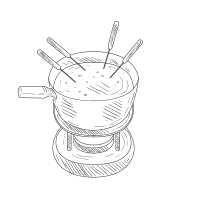
The Art of German Beer Cheese Fondue Variations by Region: Your Guide to Authentic Mastery
Imagine a rich, savory fondue that transports you directly to a cozy Bavarian pub, a rustic Black Forest farmhouse, or a bustling Cologne brewery. Now, recall the disappointment of a bland, one-note cheese dip that merely hints at this potential. That gap between a generic pot and an authentic experience is closed not by a single recipe, but by understanding the regional dialects of German beer cheese fondue. The choice of local beer and cheese isn’t just an ingredient swap—it’s the soul of the dish. Mastering these variations is the key to transforming a simple party food into a profound culinary journey through Germany’s diverse flavors and traditions.
The Foundational Duo: Selecting Your Regional “Hardware”
Your journey begins with two non-negotiable choices that form the flavor foundation: the cheese and the beer. Their regional pairing is everything. Think of them as the architectural blueprint for your fondue; the right combination ensures structural integrity and authentic character.
Part A: Cheese Selection – The Heart of the Matter
German fondue cheese falls into distinct regional families. A robust, aged Alpine cheese like Allgäu Bergkäse is ideal for a hearty, nutty foundation in the south. A tangy sour milk cheese like Harzer Roller creates a sharp, pungent profile central to some regional variations. For a creamy, spreadable base, you might use the components of Obatzda, Bavaria’s famous beer cheese spread. Your choice here dictates the fondue’s primary texture and intensity.
Part B: Beer Selection – The Liquid Catalyst
Beer is far more than just liquid; it’s the catalyst that unlocks and carries flavor. A malty Bavarian Helles or Dunkel will lend sweet, bready notes. A Franconian Rauchbier (smoked beer) injects intense, bacony depth. The light, crisp Kölsch of Cologne yields an elegant, subtle backdrop. Each beer style steers the fondue’s character decisively.
Part C: Regional Pairing Matrix
This table is your essential field guide. It matches region, cheese, and beer to predict the flavor profile you will create.
| Region | Classic Cheese(s) | Classic Beer Style | Key Characteristics |
|---|---|---|---|
| Bavaria | Emmentaler, Camembert (for Obatzda-style), Bergkäse | Helles or Dunkel | Malty, smooth, and crowd-pleasing. Often garlicky with sweet paprika. |
| Franconia | Weisslacker, intensely aged Gouda | Rauchbier (Smoked Beer) | Bold, smoky, and pungent. A powerful combination for adventurous palates. |
| Rhineland (Cologne) | Aged Gouda, Mature Havarti | Kölsch | Light, crisp, and elegant. The cheese shines with a clean, hoppy lift. |
| Black Forest/Swabia | Comté, Gruyère, Local Hard Cheeses | Schwarzbier (Black Beer) or Dunkel | Deep, roasty, and nutty. Often accented with a pinch of nutmeg or kirsch. |
The Core System: Technique and Balance
A perfect regional fondue is a delicate, hot emulsion you must actively manage. Mastering these three control variables prevents disaster and guarantees a silky, luxurious texture that carries your chosen flavors perfectly.
Control Variable 1: The Melt – Low and Slow
Ideal Target: Gentle, indirect heat. Consequence of Error: High heat causes proteins to tighten and fats to separate, creating a grainy, rubbery, or broken mess. Method: Always use a double boiler or a fondue pot with a precisely adjustable flame. Grate your cheese finely for an even, clump-free melt that integrates smoothly with the beer.
Control Variable 2: The Bind – Acid and Starch
Ideal Target: A stable, glossy emulsion. Consequence of Error: A greasy pool of separated oil and cheese solids. Method: Acid (mustard or lemon juice) helps proteins blend smoothly. Starch (rye flour, all-purpose flour, or cornstarch) stabilizes the mixture. For a Franconian touch, I always use a tablespoon of rye flour—it thickens and adds an earthy flavor that complements smoked beer beautifully.
Control Variable 3: The Seasoning – Regional Accents
Ideal Target: Enhanced, not masked, regional flavors. Consequence of Error: A homogenized, indistinct taste that loses its sense of place. Method: This is where you dial in the locale. Bavaria calls for sweet paprika and a hint of garlic. Franconia might use hot paprika and marjoram. The Black Forest often prefers a whisper of nutmeg. Your garnishes—chives, fried onions, or crispy bacon bits—should also reflect the region.
Advanced Practices: The Art of Cultivation & Serving
With your foundation set, shift focus from mere preparation to curating the complete experience. This is where your fondue becomes a true regional showcase.
Preparation: The Dipping Battalion
Move beyond simple bread cubes. Your dipping selections should complement the regional theme. Serve classic Bavarian pretzels or rye bread with a Bavarian fondue. Offer slices of smoked Franconian sausage with the Rauchbier version. For a Black Forest or Swabian pot, include boiled baby potatoes and roasted root vegetables. These choices complete the culinary picture.
The Ritual and Strategy
Maintain the fondue’s perfect consistency throughout the meal with constant, gentle figure-eight stirring. Regulate the heat to keep it just hot enough to bubble lazily. Your beverage pairing strategy is crucial: encourage guests to sip the same beer used in the pot to create a harmonious flavor loop, or offer a contrasting regional white wine from the Rhineland to cleanse the palate.
Threat Management: Saving the Fondue
Adopt a proactive stance. The best solution is always prevention through controlled heat and proper binding. However, even experts face challenges—a quick, calm response is your best tool.
Prevention: The Proactive Defense
Ensure your grated cheese is at room temperature and not damp. Stir constantly during the initial melt. Never, under any circumstances, let the fondue reach a rolling boil. This is the golden rule for emulsion stability.
Intervention: The Rescue Protocols
Problem: Too Thick. Solution: Immediately whisk in a splash of warm beer until the desired consistency returns.
Problem: Beginning to Separate (oily sheen). Solution: Remove from heat instantly. Whisk in a teaspoon of fresh lemon juice or prepared mustard vigorously to re-emulsify.
Problem: Broken/Curdled. Solution: Execute the “emergency bind.” Combine a tablespoon of cornstarch with two tablespoons of cold beer into a slurry. Remove the fondue from heat, whisk in the slurry thoroughly, then return to very low heat, whisking non-stop until smooth and unified.
The Seasonal Action Plan: A Year of Fondue
Regional fondue is not just for winter. This practical roadmap shows you how to let the seasons guide your exploration of Germany’s flavors.
| Season/Phase | Primary Tasks | Focus On |
|---|---|---|
| Fall | Explore hearty Rauchbier & smoked cheese fondue. Incorporate roasted mushrooms and squash for dipping. | Bold, warming flavors that match the crisp air. |
| Winter | Master the classic Bavarian Helles & Emmentaler base. Perfect your technique for holiday gatherings. | Tradition, comfort, and crowd-pleasing simplicity. |
| Spring | Experiment with light Kölsch & young Gouda. Use fresh chives and asparagus spears as dippers. | Lighter, celebratory profiles that echo the new season. |
| Summer | Try an informal “Obatzda-Fondue” for outdoor gatherings. Keep it spreadable and pair with radishes and pretzels. | Casual, no-cook variations perfect for balmy evenings. |
True mastery of German beer cheese fondue is found in the elegant balance of authentic regional ingredients and precise, controlled technique. Your journey moves from selecting a meaningful pairing from the matrix to commanding the pot with confidence. The profound satisfaction comes from hosting a tasting journey at your own table, creating not just a meal, but an unforgettable experience that enriches your understanding and delights your guests. This is the unparalleled joy of culinary mastery—one perfect, regional bite at a time.
Related Articles
- British Cheddar Fondue with Ale and Mustard
- Greek Saganaki-Style Flambé Fondue
- Mediterranean Fondue with Feta and Olive Oil
- Mexican Queso Fundido vs. Swiss Fondue: A Comparison