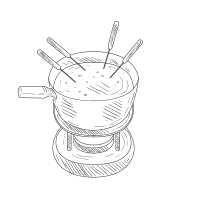

Why Your Wine Choice for Fondue Matters
Selecting the right wine isn’t just about preference; it’s about chemistry. The wrong choice can turn a cozy, indulgent meal into a disappointing experience. The fat in cheese, the acidity in wine, and the tannins in reds all interact on your palate, making the pairing crucial for enjoyment.
The Common Pain Points of a Bad Pairing
- The wine overpowers the delicate cheese flavors: A bold, oaky wine can mask the nuanced taste of Gruyère or Emmental.
- Tannic reds clash with the fat, creating a metallic taste: This is a classic mistake that leaves an unpleasant, astringent feeling in your mouth.
- An overly sweet wine makes the fondue cloying: Sweetness competes with the savory richness, resulting in a heavy, unbalanced flavor profile.
- The ultimate disappointment: a ruined cozy meal: Fondue is about comfort and sharing; a bad wine pairing can undermine the entire experience.
The Golden Rule of The Perfect Wine Pairing for Cheese Fondue
The age-old adage, “What grows together, goes together,” is your best guide. Classic Swiss and French fondue cheeses like Gruyère and Emmental hail from regions that also produce wines specifically suited to complement them. An insider’s secret: the most harmonious pairing often involves drinking the same type of wine that you use in the fondue recipe itself, creating a seamless flavor bridge.
Top Wine Contenders for Your Cheese Fondue
The Classic White Wine Champion: Dry & Crisp
White wines with high acidity are the traditional and safest choice, as they cut through the fat and refresh the palate.
- Sauvignon Blanc: Its zesty acidity and notes of citrus and grass act as a perfect counterbalance to the richness.
- Dry Riesling (Trocken): Offers vibrant acidity with subtle stone fruit flavors, without any distracting sweetness.
- Chasselas (Fendant): The insider’s choice. This is the traditional Swiss wine used in and served with fondue. It’s light, slightly effervescent (“spritzy”), and has a distinct minerality that makes it the quintessential pairing.
- Pinot Gris (Alsace style): A fuller-bodied white with sufficient acidity and a clean, dry finish.
The Surprising Red Wine Option: Light & Fruity
While white is king, certain reds can work if you choose carefully. The key is low tannins and high fruitiness.
- Gamay (Beaujolais): With its low tannins and bright, juicy flavors of red cherry and raspberry, it’s a fantastic and friendly red option.
- Pinot Noir: A light-bodied red with high acidity and red fruit notes can work beautifully, especially if served slightly chilled to emphasize its crispness.
Wines to Avoid: Bold, tannic reds like Cabernet Sauvignon, Syrah, or Malbec will clash harshly with the cheese.
The Unique & Bubbly Wildcard
Don’t overlook sparkling wines and rosés for a fun and effective pairing.
- Dry Sparkling Wines (Brut Champagne, Crémant): The bubbles and high acidity act as a superb palate cleanser, scrubbing away the richness with every sip.
- Rosé (Dry Provencal style): This versatile option combines the acidity of a white wine with the subtle berry notes of a red, making it a modern and crowd-pleasing choice.
Comparison: White vs. Red Wine with Cheese Fondue
| Feature | White Wine | Light Red Wine |
|---|---|---|
| Best For | Traditional, purist pairings | Heartier fondues or red wine lovers |
| Effect | Cleanses the palate | Complements with fruitiness |
| Risk Factor | Low | Medium (must choose the *right* red) |
| Example | Sauvignon Blanc, Chasselas | Gamay, Pinot Noir |
Beyond the Bottle: What to Drink If You Don’t Like Wine
Fondue is for everyone, and excellent non-alcoholic pairings exist that follow the same principles of cutting richness and complementing flavor.
Excellent Non-Alcoholic & Other Pairings
- Apple Cider (Hard or Non-Alcoholic): The sharp, autumnal flavor and slight sweetness are a natural partner for cheese.
- Herbal Tea: A warm cup of peppermint or chamomile tea can be surprisingly soothing and effective at cutting through the fat.
- Light Lager or Wheat Beer: The carbonation and crisp, clean finish work similarly to a sparkling wine, resetting your palate between bites.
Frequently Asked Questions (FAQs)
Can I use the same wine in the fondue that I’m drinking?
Answer: Absolutely! This is the best way to guarantee a harmonious pairing. If you cook with a crisp, dry white like Sauvignon Blanc, drinking the same wine ensures the flavors are in perfect sync.
What if my fondue has a unique cheese, like a strong blue cheese?
Answer: Adjust your pairing to match the intensity. A sweeter wine like Sauternes or a fortified wine like Port can stand up to the bold, salty, and pungent flavors of blue cheese, creating a classic and decadent combination.
Is there a single, safest wine choice for most cheese fondues?
Answer: Yes. A dry, unoaked Sauvignon Blanc or a Swiss Chasselas is your most versatile and foolproof bet for a classic Gruyère-based fondue. Their high acidity and neutral profile make them incredibly food-friendly.
Does the temperature of the wine matter?
Answer: Yes, and this is a pro-tip many forget. Serve white and sparkling wines well-chilled (45-50°F / 7-10°C) and light reds slightly cooler than room temperature (55°F / 13°C). A cold temperature enhances acidity and refreshment, which is crucial for balancing the rich, warm fondue.
Related Articles
- British Cheddar Fondue with Ale and Mustard
- German Beer Cheese Fondue Variations by Region
- How to Make Cheese Fondue Without Wine
- The Best Cheese Fondue Pot for Home Use: Cast Iron, Ceramic, or Electric?