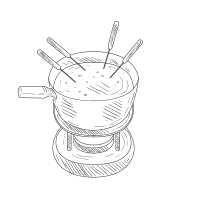
The Perfect British Cheddar Fondue with Ale and Mustard: Your Guide to Unbeatable Flavor and Texture
You’ve experienced it before: the promising pot of melted cheese that quickly turns into a greasy puddle or a stubborn, grainy mass. The conversation falters as the dip becomes a chore. This disappointment stems from a misunderstanding of fondue’s true nature. It is not merely melted cheese; it is a delicate, temporary emulsion—a suspension of fat, protein, and liquid held in perfect, silky balance. Mastering the British Cheddar Fondue with Ale and Mustard transforms this risk into a guaranteed triumph. It is the key to creating a convivial centerpiece of profound depth and unshakeable smoothness, moving far beyond the Swiss cliché into the realm of robust, sophisticated comfort.
Foundational Choices: The Flavor Hardware
Your ingredient selections are the non-negotiable architecture of your fondue. Compromise here, and the entire structure will falter. Precision in your foundation guarantees the spectacular result.
Cheese Selection and Sizing: The Core Architecture
A mature, sharp British Cheddar is non-negotiable. Look for a West Country Farmhouse Cheddar or similar; its complex, tangy flavor and optimal fat content provide both character and meltability. For added creaminess and to support the emulsion, blend in a secondary cheese like Double Gloucester or a mild Cheshire. Calculate 150-200 grams of total cheese per person as a generous starting point for a main course.
The Liquid Base: Building the Environment
Forget white wine. A British ale—a good bitter or pale ale—provides the malty, slightly bitter backbone that complements cheddar’s sharpness beautifully. Its carbonation also aids the emulsion. The critical stabilizer is acid. A tablespoon of lemon juice or a splash of dry cider is essential; it adjusts the pH, helping the proteins melt smoothly rather than clump.
Components for Stability and Flavor
Every component has a deliberate function. The thickener is your safety net, while mustard and aromatics define the flavor profile.
| Component Category | Options | Key Characteristics |
|---|---|---|
| Thickener (Starch) | Cornstarch, All-Purpose Flour | Cornstarch: Creates a glossier, more transparent sauce; powerful thickening with a neutral taste. Flour: Offers a more opaque, “roux-based” texture; can impart a slight raw flavor if not cooked sufficiently. |
| Mustard | Whole Grain Mustard, Dijon Mustard | Whole Grain: Provides pops of sharp, vinous flavor and visual texture; authentically British. Dijon: Integrates seamlessly for a smoother, more uniform heat and acidity. |
| Aromatics | Garlic, Worcestershire Sauce, Black Pepper | Garlic: Rubbed on the pot for a foundational scent. Worcestershire: Adds umami depth and complexity. Black Pepper: Freshly ground pepper cuts through the richness. |
The Core System: Managing the Emulsion
A great fondue is a dynamic system you control, not a static sauce. Your management of heat, motion, and sequence determines its fate.
Temperature Control: The Prime Directive
Apply heat gently and patiently. Use a heavy-bottomed saucepan over a low-to-medium flame. The goal is to melt the cheese slowly, preventing the proteins from seizing and the fats from separating. When transferring to a fondue pot, maintain the barest simmer—the flame should kiss the bottom, not aggressively heat it.
The Stir: Motion is Life
Constant, deliberate stirring is non-negotiable. Use a wooden spoon in a steady figure-eight pattern. This ensures even heat distribution and incorporates the cheese into the liquid base uniformly. Neglect leads to hot spots, scorching, and the dreaded grainy texture.
Sequence and Rhythm: The Methodical Additions
Follow a strict protocol. First, create a slurry by dissolving your cornstarch in the cold ale. Heat this mixture until just steaming. Then, add your room-temperature cheese in handfuls, stirring completely after each addition until smooth before adding the next. This gradual process is the heart of building a stable emulsion.
Advanced Practices: Optimization and Cultivation of Flavor
With the system under control, focus elevates your fondue from technically correct to memorably exquisite.
Preparation: The *Mise en Place* of Success
Grate your own cheese. Pre-grated cheese contains anti-caking agents like cellulose, which hinder smooth melting. Let the grated cheese sit out for 20-30 minutes to lose its chill. Before you begin cooking, cut a garlic clove in half and rub it vigorously over the entire interior surface of your cooking pot. This creates a subtle, pervasive layer of flavor.
Ongoing Inputs: The Stir-Ins and Garnishes
Once the emulsion is complete, taste and adjust. Does it need more mustard for sharpness? A squeeze of lemon for brightness? A dash of Worcestershire for depth? Finish with a garnish of finely chopped chives or crispy fried shallots for contrasting texture and a professional flourish.
Dipper Selection and Strategy
Move beyond simple bread. Create a platter with texture and function: crusty sourdough cubes, crisp apple and pear slices, steamed broccoli florets, roasted new potatoes, and slices of cured meat like salami. The variety cleanses the palate and makes each dip a new discovery.
Threat Management: Saving a Broken Fondue
A properly managed fondue rarely breaks. Prevention—through acid, starch, and gentle heat—is your primary defense. If problems arise, a calm, tiered response will save the day.
Intervention Protocol: First, identify the issue. Is it grainy (overheated cheese)? Immediately remove from heat, add a splash of hot ale or cider, and stir vigorously. Is it oily and separated (broken emulsion)? Combine a teaspoon of cornstarch with a tablespoon of cold ale in a separate cup. Whisk this new slurry into the broken fondue over low heat until it re-emulsifies. Do not boil.
Your Fondue Action Plan
| Phase | Primary Tasks | Focus On |
|---|---|---|
| 60 Minutes Before | Grate all cheese; let it warm up. Prepare all dippers. Make cornstarch slurry with ale. | Organization and prep. A calm cook is a successful cook. |
| The Cooking Phase (10-15 mins) | Heat ale slurry. Add cheese in small batches, stirring constantly in a figure-eight. Incorporate mustard and seasonings. | Patience and rhythm. Do not rush the melting process. |
| During the Feast | Transfer to fondue pot. Adjust flame to maintain a bubble. Stir occasionally. Add garnishes. | Socializing and maintenance. A gentle heat and occasional stir keep the emulsion perfect. |
The journey from selecting a block of sharp cheddar to the communal joy of the shared pot is one of applied science and sensory delight. You have learned to command the emulsion, balance bold flavors, and create not just a dish, but an experience. The profound satisfaction comes when the pot reaches the table—deeply golden, aromatic, and flawlessly smooth. This British Cheddar Fondue with Ale and Mustard transforms a simple meal into a memorable event, establishing your mastery over the elemental pleasures of comfort and craft.
Related Articles
- German Beer Cheese Fondue Variations by Region
- Greek Saganaki-Style Flambé Fondue
- Mediterranean Fondue with Feta and Olive Oil
- Mexican Queso Fundido vs. Swiss Fondue: A Comparison