Beyond the Pot, A Nordic Feast
Picture a long, dark Scandinavian evening. The world outside is cold, but inside, warmth radiates from a shared table. At its center, a pot of crystal-clear, herb-scented broth simmers gently, a fragrant sea waiting to embrace morsels of pristine cod, sweet scallops, and rosy salmon. This is not just dinner; it is a culinary ritual. Mastering Scandinavian seafood fondue traditions transforms a simple cooking method into an elegant, convivial experience. It is the key to unlocking the Nordic ethos of “hygge”—where exceptional ingredients, shared effort, and deep satisfaction converge around the hearth.
Foundational Choices: The Scandinavian Fondue “Kit”
Authenticity begins with intentional choices. Your equipment and base ingredients create the non-negotiable foundation for a true Nordic fondue experience.
Part A: The Vessel and Heat Source
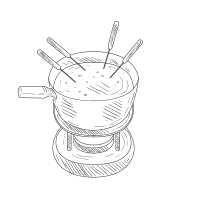
Your pot is the heart of the hearth. For a broth-based fondue, heat control is paramount. A classic ceramic or enameled cast-iron fondue pot retains gentle heat beautifully but requires a stable gel or liquid fuel burner. A modern, high-quality stainless steel pot paired with an adjustable induction cooktop offers superior temperature precision. Japanese shabu-shabu pots with a central chimney are also excellent, promoting even circulation. For a gathering of four to six, a 2 to 3-quart capacity is ideal.
Part B: The Sacred Broth (The “Fond”)
In Nordic fondue, the broth is a flavor-infusing medium, not merely hot water. It must be pristine and aromatic. Start with high-quality water or a light fish stock. The essential aromatics are fresh dill fronds (never dried), whole white peppercorns, thin lemon slices, and a bay leaf. A splash of dry Nordic white wine or a teaspoon of aquavit adds a subtle, characteristic depth. This broth will become more valuable as the meal progresses.
Part C: The Seafood Selection Table
Quality is non-negotiable. Seek the freshest, most sustainable seafood available. Offer variety in texture and flavor to cater to all preferences and create a dynamic eating experience.
| Component Category | Options | Key Characteristics |
|---|---|---|
| Firm White Fish (e.g., Cod, Haddock) | Skinless fillets, cut into 1-inch thick chunks | Mild and sweet flavor; holds its shape perfectly; cooks through in 60-90 seconds; the foundational, foolproof choice. |
| Salmon & Trout | Skinless fillets, cut into 1-inch cubes | Rich, fatty, and flavorful; cooks very quickly (45-60 seconds); adds luxurious color and taste to the broth. |
| Shellfish (Shrimp, Scallops) | Peeled large shrimp (tail-on optional), dry-packed sea scallops | Shrimp turn pink and curl in 1-2 minutes; scallops become opaque and tender in 60-90 seconds. They impart a sweet, briny essence to the broth. |
| Luxury Additions (Lobster, King Crab) | Par-cooked lobster tail meat, king crab leg segments | Primarily for warming through (30-45 seconds); these are for special occasions and provide spectacular, sweet flavor with minimal cooking. |
The Core System: Managing the Fondue Experience
A perfect fondue is a dynamic system of control. Master these variables to ensure every piece of seafood is cooked to tender perfection.
Control Variable 1: Broth Temperature
The ideal range is a steady, gentle simmer between 185-200°F (85-93°C). You should see small bubbles rising lazily to the surface. A rolling boil is your enemy—it clouds the broth, makes aromatics bitter, and instantly toughens delicate seafood. Control it with an instant-read thermometer and by attentively adjusting your heat source. If the boil threatens, lift the pot off the heat momentarily.
Control Variable 2: Sequencing and Timing
Cook with strategy. Begin with firm white fish to establish the broth’s base flavor. Then introduce shellfish, and finish with the most delicate items like thin salmon. Never overcrowd the pot; adding more than 4-5 pieces at once crashes the temperature. Provide each guest with a small side plate for their cooked food and use color-coded fondue forks to avoid confusion. This maintains a steady, social cooking rhythm.
Control Variable 3: The Dipping Sauce Ecosystem
Nordic sauces complement; they never mask. Prepare a core trio ahead of time. A creamy dill and mustard sauce (sour cream, fresh dill, whole-grain mustard) is essential. A tangy lemon-caper remoulade (mayonnaise, lemon zest, chopped capers) adds brightness. Offer a small cup of warmed, clarified butter with chopped chives for pure, rich indulgence. This trio covers every possible craving.
Advanced Practices: The Art of the Nordic Spread
Elevate your gathering from a meal to a holistic feast with thoughtful accompaniments and strategic broth management.
Preparation: The Supporting Cast
The seafood is the star, but the supporting cast is crucial. Serve a bowl of small, boiled baby potatoes or buttery new potatoes. Offer dense, chewy dark rye bread or crispbread for soaking up sauces and broth. A bowl of quick-pickled vegetables—sliced cucumber, red onion, and carrot in a sweet vinegar brine—provides essential acidity and crunch to cut through the richness.
Ongoing Inputs: Broth Refinement and Refreshment
As the meal progresses, your broth will become a concentrated, delicious seafood stock. Skim off any foam that appears. If the liquid level drops more than an inch, carefully top it up with simmering hot water or a bit of reserved aromatic broth to maintain the depth of flavor without diluting it excessively.
Selection and Strategy: Curating the Finale
Plan for a grand finale. Once the last piece of seafood is cooked, ladle the now-incredibly flavorful broth into cups. Stir in a spoonful of the remaining dill sauce or a few cooked noodles for a simple, glorious soup. Sipping this essence of the meal is the ultimate, satisfying conclusion to the ritual.
Threat Management: Preventing Fondue Faux Pas
A proactive host ensures safety and seamless enjoyment, preventing common pitfalls before they occur.
Prevention: Safety and Flow
Seafood safety is paramount. Keep all raw seafood on a bed of ice until moments before serving. Emphasize fondue fork etiquette: the fondue fork is for cooking only. Each guest uses their personal dining fork to retrieve cooked food from their colored fondue fork, eliminating cross-contamination and dangerous “fork duels” in the pot. Set the table with ample space for plates, sauce bowls, and side dishes to avoid clutter.
Intervention: Troubleshooting Common Issues
Problem: Broth becomes cloudy or tastes weak.
Solution: Carefully ladle out a cup of broth, strain it through a fine-mesh sieve lined with cheesecloth, and return the clear liquid to the pot. Have a small pot of concentrated fish or vegetable stock simmering on the stovetop to boost flavor if needed.
Problem: Seafood sticks to the pot or falls off forks.
Solution: Pat every piece of seafood thoroughly dry with paper towels before arranging on the platter. Ensure fondue forks are clean and dry before spearing a new piece; moisture reduces grip.
The Action Plan: A Seasonal Fondue Roadmap
| Season/Phase | Primary Tasks | What to Focus On |
|---|---|---|
| Winter (Nov-Feb) | Source high-quality frozen or preserved summer dill. Focus on rich, hearty fish like salmon, cod, and halibut. Use a robust aquavit in the broth. | Creating a cozy, candlelit “hygge” atmosphere. This is the classic season for fondue, a beacon of warmth against the dark. |
| Spring (Mar-May) | Incorporate the first fresh dill and chives. Feature lighter white fish like pollock and spring shrimp. Add fresh green peas or asparagus as a side. | Celebrating the return of light and fresh flavors. A brighter, greener presentation on the table. |
| Summer (Jun-Aug) | Embrace abundance! Use loads of fresh, local dill. Highlight delicate shellfish like scallops and langoustines. Serve with new potatoes and a crisp, dry white wine. | Al fresco dining. A lighter, celebratory feast that showcases the peak of Nordic seafood harvest. |
| Fall (Sep-Oct) | Utilize the last of the fresh dill and begin incorporating preserved lemon. Feature meatier fish like monkfish and large prawns. Introduce earthy sides like roasted root vegetables. | Transition and gratitude. A heartier spread that bridges the bounty of summer with the coming comfort of winter. |
The Heart of the Hearth
Mastering Scandinavian seafood fondue traditions is an exercise in celebrating purity, community, and control. It begins with the foundational choice of a pristine scallop and culminates in the shared sip of a broth transformed by the meal itself. This ritual is more than cooking; it is an act of connection. It turns a simple pot into a hearth, gathering friends and family in a circle of warmth that nourishes the spirit as deeply as the body. This is the unparalleled joy and profound satisfaction of the Nordic table—a taste of hygge, mastered.
Related Articles
- Greek Saganaki-Style Flambé Fondue
- British Cheddar Fondue with Ale and Mustard
- Mediterranean Fondue with Feta and Olive Oil
- Asian Fusion Fondue: Curry and Coconut Milk Bases