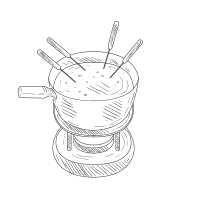
The Heart of the Feast: Mastering Your Fondue Fuel Source
Picture the perfect fondue moment: laughter fills the air, bread is poised for dipping, and the pot beckons with its smooth, velvety promise. Then, disaster. The cheese clumps into a rubbery mass. The chocolate seizes into a grainy halt. The oil never gets hot enough. This culinary letdown almost always traces back to a single, overlooked element: an inconsistent or inadequate heat source. Your choice of fuel is the silent conductor of the entire fondue symphony. It dictates not just temperature, but pace, safety, and the very success of your dish. Selecting the optimal fondue fuel alternative is the foundational key to transforming your fondue from a precarious experiment into a reliably exquisite, social centerpiece. Master this, and you unlock confidence, control, and superior results every time.
Foundational Choices: The Heat Source “Hardware”
Your fuel choice is the non-negotiable bedrock of your fondue experience. It determines what you can cook, how you control it, and where you can host. This isn’t a minor detail; it’s the hardware that enables your culinary software.
Part A: Selection and Sizing: Matching Fuel to Fondue
The first rule is compatibility. Your fuel must align with your fondue type and pot material. A mismatch guarantees frustration.
- Sterno (Canned Heat): The classic choice. Its gentle, diffuse flame is ideal for traditional cheese and chocolate fondues that require sustained, low heat. It struggles to reach and maintain the high temperatures needed for oil or broth fondue. Choose Sterno for atmosphere and simplicity.
- Gel Fuel (Liquid/Gel Ethanol): The portable specialist. It burns cleanly and is remarkably wind-resistant, making it excellent for outdoor patios or decorative fondue sets. It suits moderate-heat applications like cheese or chocolate, but like Sterno, lacks precise adjustability.
- Electric Fondue Pot: The versatile champion. With its built-in, adjustable thermostat, it provides precise, consistent heat for all fondue types. It is absolutely critical for safely maintaining the exact high heat needed for oil fondue and is foolproof for delicate chocolate. This is the tool for control and menu flexibility.
Part B: Setup and Safety: The Non-Negotiable Protocols
Regardless of your choice, universal rules apply. Always use a stable, level, heat-resistant surface. Keep the setup away from curtains, paper, and flammable decorations. Then, follow your fuel’s specific protocol.
- For Sterno & Gel Fuel: Use a long-reach lighter. Place the can or burner securely in the stand before lighting. Never attempt to refill or “top up” a burning or hot fuel container. Always have a snuffer or metal lid ready to extinguish the flame.
- For Electric Pots: Practice diligent cord management to prevent tripping. Ensure the pot is seated correctly on its heating base for proper contact. Never immerse the base or cord in water. Plug into an outlet away from the dining area.
Part C: Material and Component Comparison
This detailed comparison breaks down your core options. Use it as your quick-reference guide to the characteristics of each fondue fuel alternative.
| Component Category | Primary Options | Key Characteristics & Best Use |
|---|---|---|
| Fuel / Heat Source | Sterno (Canned Heat) |
|
| Gel Fuel (Liquid Ethanol) |
|
|
| Electric Element |
|
The Core System: Actively Managing Your Heat
Think of your fondue not as a pot of food, but as a dynamic thermal system. Your role is to actively manage its key variables. The right fuel is your tool; these techniques are your skills.
Variable 1: Temperature Precision
Hit the sweet spot. For cheese, aim for 115-130°F (46-54°C)—a bare simmer. Oil must reach and hold 375°F (190°C) for safe, quick cooking. Chocolate is most delicate, thriving between 110-120°F (43-49°C). Stray outside these ranges, and you invite broken cheese, soggy meat, or seized chocolate.
Control Methods: An electric thermostat provides effortless precision. For Sterno or gel, you must become the thermostat. Regulate heat by sliding the adjustable pot stand higher or lower above the flame. A metal snuffer can partially dampen the flame to reduce heat.
Variable 2: Burn Time and Fuel Capacity
Your target is simple: sufficient heat for the entire meal, typically 1.5 to 2 hours. Running out of fuel mid-fondue is a hosting failure that breaks the social spell.
Planning is Key: Always have extra, sealed cans of Sterno or gel fuel ready. For electric pots, ensure your outlet is accessible and not on a switch that might be accidentally turned off. Know your equipment’s limits before your guests arrive.
Variable 3: Ambient Influence and Safety
Your environment interacts with your heat source. A draft from a door or fan can extinguish or wildly distort a Sterno or gel flame, leading to uneven heating. Electric elements are blissfully immune to this issue.
Safety is the Ultimate Control: Never leave an open flame unattended. Position the fondue pot so no guest can accidentally brush against the flame or hot components. With electric models, keep cords tidy and out of foot traffic. Your vigilance ensures the feast remains joyful.
Advanced Practices: Optimization for Superior Results
With the fundamentals mastered, shift your focus to the artful application of heat. This is where good fondues become great.
Preparation: The Right Pot for the Fuel
Your pot material is part of the thermal system. Ceramic or clay pots, common for cheese fondue, require a heat diffuser (like a stand) when used with Sterno or gel to prevent thermal shock and cracking. They often come with their own electric base. Metal pots—enameled cast iron or stainless steel—are the workhorses. They conduct heat efficiently and are compatible with all heat sources, making them indispensable for high-heat oil fondue.
Ongoing Inputs: Fueling the Social Experience
Consider the sequence of your meal. For an oil fondue, start at the highest setting to reach temperature quickly, then reduce to maintain. A cheese fondue should never boil; maintain that gentle simmer. Your fuel choice also dictates your role as host. With Sterno or gel, someone must act as “Fondue Butler,” actively managing the flame. An electric pot liberates the host to fully participate in the conversation, making it the superior choice for seamless entertainment.
Threat Management: Preventing the Fondue Fail
Adopt a proactive stance. Most common fondue disasters are preventable with the right setup and simple checks.
Prevention: Your First and Best Defense
- Cleanliness: Wipe the rim of Sterno cans and the burner cup of gel units. Debris causes an uneven flame.
- Inspection: Before each use, check electric cords for fraying. Ensure gel fuel burners are free of old, gelled fuel residue.
- Quarantine: Test a new fuel type or an unfamiliar pot with a water run-through before the big event. This reveals heat distribution and control quirks.
Intervention: A Tiered Troubleshooting Guide
If a problem arises, respond calmly and methodically.
- Symptom: Flame is too weak or low.
- Sterno/Gel: Ensure the can lid or burner cover is fully open. The fuel may be nearly spent; replace it with a fresh unit.
- Electric: Verify the pot is seated perfectly on the heating base. Check that the thermostat dial isn’t stuck on low.
- Symptom: Overheating or burning contents.
- Sterno/Gel: Immediately raise the pot higher above the flame. Use a snuffer to partially block the flame.
- Electric: Turn the thermostat down immediately. For oil, you may need to briefly unplug to cool it down quickly.
Your Fondue Action Plan: A Seasonal Roadmap
Apply your knowledge strategically throughout the year. This practical calendar turns theory into flawless execution.
| Season / Occasion | Primary Tasks & Fuel Choice | What to Focus On |
|---|---|---|
| Winter Holiday Gathering | Use an Electric pot for a stress-free, multi-course fondue (cheese, then oil or broth). | Precision, consistent heat for different courses, and full host participation in the festivities. |
| Summer Outdoor Party | Opt for Gel Fuel in a portable set for chocolate or cheese fondue on the patio. | Portability, wind resistance for a steady flame, and creating ambient lighting as the sun sets. |
| Casual Game Night | Choose classic Sterno for a simple, atmospheric cheese fondue. | Nostalgic tradition, minimal setup, and easy cleanup so the fun never pauses. |
Mastery over fondue fuel alternatives is, in essence, mastery over the experience itself. You have journeyed from understanding the foundational hardware—the distinct roles of Sterno, Gel, and Electric—to actively managing the thermal system for perfect results. This knowledge transforms you from an anxious host into a confident curator of joy. The perfect, steady heat becomes the unseen conductor, orchestrating laughter, conversation, and unforgettable shared meals. It enriches your life, one perfectly timed, delicious dip at a time.
Related Articles
- The Best Chocolate Fondue Pot for Home Use: Electric, Tealight, and Mini Options
- The Best Cheese Fondue Pot for Home Use: Cast Iron, Ceramic, or Electric?
- Outdoor Winter Fondue Parties: Heating and Setup Tips
- Fondue Potluck Guidelines: Coordinating Multiple Pots and Flavors