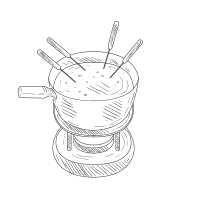

The Science Behind a Smooth Fondue (And Why It Breaks)
Understanding the chemistry of fondue is the first step toward mastering its texture. A perfect fondue is a stable emulsion where cheese fats and liquids coexist harmoniously.
The Role of Emulsifiers
Fondue is an emulsion of cheese fat and a liquid base like wine. Starches, such as cornstarch or flour, act as stabilizers by forming a network that prevents the fats and liquids from separating.
Common Culprits of a Broken Fondue
Several missteps can lead to a grainy, oily, or lumpy fondue. Here are the primary pain points:
- Overheating the Cheese: Excessive heat causes cheese proteins to tighten and squeeze out fat, breaking the emulsion.
- Adding Cheese Too Quickly: Dumping in large amounts of cheese at once overwhelms the emulsion’s capacity to incorporate it smoothly.
- Using the Wrong Cheese: Cheeses with low meltability (like paneer) or pre-shredded cheeses coated in anti-caking agents (e.g., cellulose) resist forming a smooth consistency.
Your Step-by-Step Blueprint for Fondue Perfection
Follow this actionable guide to achieve a velvety, dip-perfect cheese fondue every time.
The Foundation: Choosing and Prepping Your Cheese
Selecting the right cheese and preparing it correctly is crucial for a smooth melt.
| Excellent Melting Cheeses | Poor Melting Cheeses |
|---|---|
| Gruyère, Emmental, Fontina, Comté | Halloumi, Feta, Paneer, Ricotta |
Unique Tip: Toss your shredded cheese with cornstarch before adding it to the pot. This coats every strand, ensuring the starch is evenly distributed for a seamless, lump-free melt—a pro technique many home cooks overlook.
The Liquid Base: More Than Just Wine
The liquid component provides acidity and flavor while helping to stabilize the emulsion.
| Liquid Option | Flavor Profile | Effect on Consistency |
|---|---|---|
| Dry White Wine | Tangy, acidic | Excellent for stability |
| Beer (lager/ale) | Malty, bitter | Can be grainier; use with cornstarch |
| Broth + Lemon Juice | Savory, mild tang | Good non-alcoholic alternative |
The Melting Process: Low and Slow is the Way to Go
Gentle, indirect heat is non-negotiable. Use a fondue pot or a double boiler to maintain a consistent, low temperature. Add cheese in small handfuls, stirring in a figure-8 or zig-zag pattern until fully melted before adding more. This gradual incorporation prevents the emulsion from breaking.
Fondue First Aid: How to Fix a Broken or Too-Thick Fondue
Even with care, fondue can sometimes go awry. Here’s how to rescue it.
Saving a Separated (Grainy) Fondue
If your fondue has broken and become oily or grainy, remove it from heat immediately. Let it cool slightly, then vigorously whisk in a tablespoon of cold lemon juice or a cornstarch slurry (1 tsp cornstarch + 1 tbsp cold water). The fresh emulsifier can often re-bond the mixture.
Thinning a Too-Thick Fondue
For fondue that has become overly thick, gradually whisk in small amounts of warm (not cold) wine, broth, or kirsch. Adding cold liquid can shock the fondue and cause it to seize, so temperature is key.
Frequently Asked Questions (FAQs)
Can I make fondue without alcohol?
Absolutely. Substitute wine with a high-quality vegetable or chicken broth and add a squeeze of fresh lemon juice. The acidity from the lemon helps mimic wine’s stabilizing effect.
Why is my fondue stringy and rubbery?
This texture usually results from overheating the cheese or using a cheese that is too young and high in moisture. Opt for older, drier, well-aged cheeses like Gruyère for a smoother melt.
What’s the secret ingredient for extra creaminess?
A small amount of sodium citrate, a powerful emulsifying salt used by professional chefs, guarantees a silky, stable fondue every time—even with cheeses that are typically difficult to melt. This is a little-known trick that elevates homemade fondue to restaurant quality.
Can I reheat leftover fondue?
Yes, but it must be done gently. Reheat in a saucepan over low heat, adding a splash of liquid (wine or broth) and stirring constantly. Avoid the microwave, as it heats unevenly and will likely cause the fondue to break.
Related Articles
- How to Keep Cheese Fondue Warm
- Tips for avoiding lumpy cheese fondue
- How to thicken thin cheese fondue
- Tips for keeping cheese fondue warm and gooey