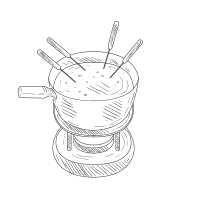

Why Your Bread Choice Matters in Fondue
The Role of Bread: More Than Just a Dipper
Bread in fondue serves multiple critical functions beyond being a simple vehicle for cheese. It needs structural integrity to withstand the heat of the melted cheese without disintegrating, a porous interior to absorb the rich flavors, and a complementary taste profile that enhances rather than competes with the cheese. The right bread transforms a simple dip into a harmonious culinary experience.
Common Pain Points When Choosing Bread
- Soggy Mess: Using soft, airy bread that disintegrates in the pot, leaving you with a cheesy spoonful instead of a neat bite.
- Flavor Clash: Selecting a bread with a dominant flavor, like an overly sweet cinnamon raisin, that overpowers the delicate notes of Gruyère or Emmental.
- The Lost Cube: Bread that falls off the fork and is lost in the fondue, forcing an awkward retrieval mission.
- Stale & Tough: Using bread that is too hard or crusty, making it difficult to spear and dip, leading to a frustrating experience.
The Top Contenders: A Guide to Different Types Of Bread For Cheese Fondue
The Classic Foundation: Crusty Artisan Loaves
- French Baguette: The gold standard. Its sturdy crust provides structural support, while the soft, airy interior (the crumb) soaks up cheese perfectly without falling apart.
- Sourdough: Its distinct tangy flavor actively cuts through the richness of traditional fondue cheeses, cleansing the palate between bites.
- Ciabatta: Prized for its large, irregular holes (open crumb) and chewy texture, which are ideal for trapping and holding large amounts of cheese.
Hearty & Wholesome: Rye and Pumpernickel
The earthy, slightly sour notes of rye bread pair wonderfully with Swiss and German-style fondues. Its denser texture holds up exceptionally well.
Unique Insight: A dark pumpernickel can add a stunning visual contrast on a fondue platter. Its malty sweetness is a surprising and delightful complement to sharp cheddar-based fondues, a pairing many haven’t considered.
Rustic & Robust: Multigrain and Seeded Breads
Seeds and whole grains add a delightful crunch and a nutty flavor that can elevate a simple cheese fondue. The varied textures provide a more complex eating experience.
Caution: Be mindful of breads with too many loose seeds (like poppy seeds) that could fall into the fondue and alter its texture.
A Unique Twist: Pretzel Bread and Bagels
For a different approach, denser, chewy options like pretzel rolls or mini bagels work wonderfully. Their salty exterior enhances the cheese’s flavor, creating a savory-salt balance that is highly addictive.
Bread Showdown: A Comparison Guide
| Bread Type | Texture | Flavor Profile | Best For |
|---|---|---|---|
| Crusty Baguette | Crisp crust, soft and airy interior | Neutral, slightly yeasty | The classic choice for traditional Swiss fondue; lets the cheese shine. |
| Hearty Sourdough | Chewier, denser crumb | Tangy, acidic | Cutting through extra-rich, heavy cheese blends. |
| Soft Dinner Roll | Very soft, fluffy | Mild, buttery | Generally not recommended due to poor durability. |
| Dense Pumpernickel | Very dense, moist | Earthy, malty, slightly sweet | Bold, flavorful fondues (e.g., sharp cheddar); excellent stability. |
Pro Tips for Preparing Your Fondue Bread
The Golden Rule: Stale is Better
Using slightly day-old bread is a pro secret. As bread stales, it loses moisture, making it less likely to become a soggy mess when introduced to hot, liquid cheese. It provides the perfect sturdy base for dipping.
Cutting for Success: Cubes vs. Wedges
For most breads, aim for 1-inch cubes with a bit of crust on each piece to ensure they stay on the fork. For baguettes, cut them on a sharp angle to create a longer, crustier wedge that offers more surface area for dipping and a comfortable handle.
The Secret for a Perfect Bite: Toasting
Unique Insight: Lightly toasting your bread cubes in a 300°F (150°C) oven for 5-10 minutes before serving is a game-changer very few home cooks utilize. This step dries out the surface just enough to create a perfectly crisp exterior that “locks in” the cheese upon contact. This prevents messy drips and creates a sublime textural contrast between the crunchy bread and the smooth, molten cheese.
Frequently Asked Questions (FAQs)
Can I use gluten-free bread for cheese fondue?
Yes, absolutely. The key is to select a dense, sturdy gluten-free loaf, often those made with a blend of seeds and whole-grain flours. Toasting it thoroughly is non-negotiable, as it helps prevent the common crumbling issue associated with gluten-free breads.
What is the absolute worst type of bread to use?
Highly processed, soft white sandwich bread is the worst offender, as it lacks structure and turns into a gluey, unappetizing mass in the fondue. Similarly, very flaky breads like croissants should be avoided as they shed layers into the pot.
Should the bread be served warm or at room temperature?
Room temperature is standard and recommended. Warm bread can cause the cheese to become too runny and slide off the piece too quickly, making for a messy bite.
How far in advance can I cube the bread?
You can cube the bread a few hours ahead of your fondue party. The best way to store it is in a paper bag or a loosely covered bowl at room temperature. This allows it to dry out slightly (a good thing for fondue!) without becoming unpleasantly hard.
Related Articles
- Cheese fondue dipping tips for the perfect bite
- The Best Cheese Fondue Pot for Home Use: Cast Iron, Ceramic, or Electric?
- Fondue Tasting Party: Side-by-Side Cheese Comparison Format
- Fondue and Game Night Pairings: Best Board Games for Fondue Parties