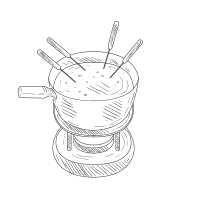

Why Proper Care is Crucial for Your Fondue Pot
Your fondue pot is more than just a cooking vessel; it’s the centerpiece of social gatherings and culinary creativity. Proper cleaning and maintenance ensure it remains a reliable partner for years to come, preserving both its function and the quality of your meals.
The Consequences of Improper Cleaning
Neglecting your fondue pot can lead to a host of problems that affect your cooking and the pot itself:
- Stuck-on Residue: Cheese, chocolate, or oil can harden and bond to the surface, making future cleaning difficult and potentially burning during the next use.
- Burnt Flavors: Old, burnt-on food can impart unpleasant, acrid tastes to new fondues, ruining the delicate flavors of cheese, chocolate, or broth.
- Rust and Corrosion: Especially for cast iron pots, moisture left after cleaning can lead to rust, which compromises the pot’s integrity and can be unsafe.
- Permanent Stains and Damage: Harsh cleaning methods or neglect can cause discoloration, pitting, or even cracks in materials like ceramic or enamel.
Extending the Lifespan of Your Heirloom Appliance
With proper care, a high-quality fondue pot can last for generations. Regular maintenance prevents wear and tear, ensuring it remains a functional and beautiful heirloom. A well-maintained pot also performs better, heating evenly and retaining temperature effectively for the perfect fondue experience every time.
Understanding Your Fondue Pot Material (The First Step to Proper Care)
Different materials require different care strategies. Identifying your pot’s composition is the first step to effective cleaning and maintenance.
Ceramic or Stoneware Pots: Gentle Giants
Known for their excellent heat retention and even heating, these pots are ideal for cheese and chocolate fondues. They are, however, prone to cracking if subjected to sudden temperature changes. Handle with care and avoid abrasive cleaners.
Cast Iron Pots: The Seasoned Workhorse
Cast iron is incredibly durable and provides superb, even heat distribution, making it perfect for oil and broth fondues. Its secret is the “seasoning”—a layer of polymerized oil that creates a natural non-stick surface. Harsh soaps can strip this seasoning away.
Stainless Steel or Enameled Pots: The Modern Easy-Clean
These pots are often the most low-maintenance. Stainless steel is resistant to rust and staining, while enameled surfaces (often over cast iron) provide a non-porous, easy-to-clean finish that doesn’t require seasoning.
Copper Pots: The Classic (But High-Maintenance) Beauty
Copper offers unparalleled heat conductivity for precise temperature control. However, it reacts with acidic foods and tarnishes easily, requiring specialized cleaners and regular polishing to maintain its gleaming appearance.
Your Step-by-Step Guide: How to Clean And Maintain Your Fondue Pot After Use
Follow this universal process after every fondue session to keep your pot in pristine condition.
The Golden Rule: Let it Cool Completely
Never submerge a hot pot in water or clean it while it’s warm. The thermal shock can cause cast iron to warp or crack ceramic and stoneware. Allow the pot to cool to room temperature naturally.
Step 1: Tackling the Remnants (Scraping and Pre-Rinse)
Remove any large, leftover food chunks with a soft silicone or wooden spatula. Avoid metal utensils that can scratch the surface. Follow with a gentle pre-rinse using warm water to loosen remaining residue.
Step 2: The Main Wash (Material-Specific Methods)
- For Ceramic/Stoneware: Use a mild dish detergent and a soft sponge or cloth. Avoid abrasive scouring pads which can scratch the glazed surface.
- For Cast Iron: Use hot water and a stiff-bristled brush (nylon or dedicated cast iron brush) to scrub away food. Avoid soap to preserve the seasoning. For stuck-on bits, use coarse salt as a gentle abrasive.
- For Stainless Steel/Enamel: Regular dish soap is perfectly safe. Use a non-abrasive sponge to clean. These materials can handle a wider range of cleaners.
- For Copper: Use a cleaner specifically formulated for copper. Apply with a soft cloth, rinse thoroughly, and dry immediately to prevent water spots.
Step 3: Thorough Drying and Final Inspection
This is a critical, often overlooked step. Dry the pot completely with a soft towel. For cast iron, place it on a warm stovetop burner for a few minutes to evaporate any lingering moisture. Do not air-dry, as this invites rust. Once dry, do a quick visual inspection for any new scratches, chips, or signs of wear.
Something Unique You Might Not Know
For stubborn, burnt-on cheese in any pot, try this chef’s trick: Add a small amount of white vinegar or a paste of baking soda and water to the pot and let it sit for 15-20 minutes before scrubbing. The mild acidity of the vinegar helps break down the dairy proteins, while the baking soda acts as a gentle abrasive and deodorizer. Rinse thoroughly afterward.
Solving Common Fondue Pot Pain Points
“My Cheese Fondue Burned and Stuck to the Bottom!”
This is a classic issue. Fill the pot with warm, soapy water and let it soak for an hour or more. For a more powerful solution, use the vinegar or baking soda method mentioned above. Gently scrape the bottom with a wooden or plastic utensil to lift the residue.
“There’s a Lingering Smell of Oil in My Pot.”
To deodorize, create a paste with baking soda and a small amount of water. Scrub the interior of the pot, let it sit for 30 minutes, then rinse. For stainless steel, you can also boil a mixture of water and lemon juice or white vinegar for 10 minutes.
“My Cast Iron Pot is Losing its Seasoning.”
This means the protective oil layer is wearing thin. It’s time to re-season. Thoroughly clean and dry the pot, then apply a very thin layer of a high-smoke-point oil (like canola, grapeseed, or flaxseed) to the entire interior surface. Place it upside down in a 350°F (175°C) oven for one hour. Let it cool in the oven.
“I See Discoloration or Light Rust Spots.”
For light rust on cast iron, scrub the area with a steel wool pad or a dedicated rust eraser. Re-season immediately afterward. For discoloration on stainless steel or copper, use a dedicated polish. Discoloration inside an enameled pot is often just staining and is usually harmless, but abrasive cleaners should be avoided.
Proactive Maintenance for a Pristine Pot
The Art of Seasoning a Cast Iron Fondue Pot
Seasoning isn’t a one-time task. A well-used cast iron pot should be re-seasoned periodically, especially if food starts to stick or the surface looks dull. The oven method described above is the most thorough. For a quick touch-up, you can apply a thin layer of oil and heat the pot on the stove until it just starts to smoke, then let it cool.
Proper Storage Solutions to Prevent Damage
Always store your fondue pot completely dry. Place a paper towel inside ceramic or cast iron pots to absorb any ambient moisture. If stacking, place a soft cloth or paper towel between pots to prevent scratches. Store the pot with its lid off to allow for air circulation.
Regular Check-ups: Inspecting for Cracks and Wear
Before each use, give your pot a quick once-over. Look for hairline cracks in ceramic, chips in enamel, or any signs of rust. Addressing small issues early can prevent them from becoming major problems.
Fondue Pot Care Comparison Chart
| Material | Recommended Cleaner | Dishwasher Safe? | Key Maintenance Tip |
|---|---|---|---|
| Ceramic / Stoneware | Mild dish soap, soft sponge | Usually No | Avoid thermal shock; cool completely before washing. |
| Cast Iron | Hot water, brush, coarse salt | Absolutely Not | Re-season regularly to maintain non-stick surface. |
| Stainless Steel / Enamel | Dish soap, non-abrasive sponge | Often Yes (check manufacturer’s guide) | Prone to water spots; dry immediately after washing. |
| Copper | Specialized copper cleaner | No | Polish regularly to prevent tarnish and maintain appearance. |
Frequently Asked Questions (FAQs) About Fondue Pot Care
Can I put my fondue pot in the dishwasher?
It depends entirely on the material. Stainless steel and some enameled pots are often dishwasher-safe, but you should always check the manufacturer’s instructions. Cast iron, copper, and ceramic/stoneware should never be put in the dishwasher, as the harsh detergents and high heat can ruin their surfaces and seasoning.
How do I remove a persistent, burnt-on smell?
Create a baking soda paste, apply it to the interior, and let it sit for several hours or overnight. The baking soda will absorb the odor. Rinse thoroughly. For a deeper clean, boil a 50/50 solution of water and white vinegar for 10 minutes, then wash as usual.
Is it safe to use abrasive scrubbers or steel wool?
Generally, no. Abrasive materials like steel wool can scratch and permanently damage the surfaces of ceramic, enamel, and stainless steel. They should only be used as a last resort for removing severe rust from unseasoned cast iron, and the pot must be re-seasoned immediately afterward.
My ceramic pot has a hairline crack. Is it still safe to use?
No. A crack, even a small one, compromises the structural integrity of the pot. It can expand when heated, potentially causing the pot to break apart and creating a safety hazard. It can also harbor bacteria. It’s best to retire a cracked ceramic fondue pot.
How often should I re-season my cast iron fondue pot?
There’s no fixed schedule. Re-season your pot when food begins to stick more than usual, the surface looks dull or patchy, or you notice any hint of rust. For a frequently used pot, this might be once or twice a year. For occasional use, a thorough seasoning at the start of the fondue season may be sufficient.
Conclusion: Enjoy a Perfect Fondue Every Time
Knowing how to clean and maintain your fondue pot is the secret to decades of delightful entertaining and delicious meals. By understanding your pot’s material, following a consistent cleaning routine, and addressing issues proactively, you transform a simple kitchen task into an investment in countless future gatherings. With a little care, your fondue pot will be ready to create warm, cheesy, chocolatey, or savory memories for years to come.
Related Articles
- Fondue Pot Maintenance Tips: How To Keep It In Great Condition
- Fondue Potluck Guidelines: Coordinating Multiple Pots and Flavors
- How to Make Fondue Without a Fondue Pot
- How to Make Chocolate Fondue Without a Fondue Pot