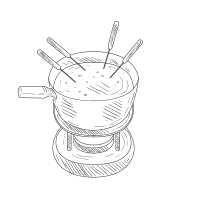
Best Dipping Options For Chocolate Fondue

Chocolate Fondue

The Essential Categories: Building Your Perfect Fondue Platter

Organize your dippers into these logical categories for easy party planning and a balanced flavor experience.

The Classic Crowd-Pleasers (You Can’t Go Wrong)

  • Fresh Fruits: Strawberries, bananas, pineapple chunks, apple slices (brush with lemon juice to prevent browning).
  • Baked Goods: Pound cake cubes, brownie bites, marshmallows, angel food cake, pretzels (for sweet & salty).
  • Simple & Savory: Pretzel rods, plain potato chips, or rice crackers.

Unexpected & Gourmet Dippers (Elevate Your Spread)

  • Unique Fruits: Dried mango, fresh figs, candied orange peel, or chilled lychee.
  • Savory Surprises: Bacon strips (cooked until crispy), cheese cubes (like a mild Gouda or aged cheddar), or salted popcorn.
  • Something Unique: A unique option people might not know is using chilled, cooked sweet potato or butternut squash cubes. Their earthy sweetness is a fantastic contrast to rich chocolate.

Solving Common Fondue Dipper Dilemmas (Pain Points)

Address the real problems people face when preparing for a fondue night to ensure a smooth and enjoyable experience.

“My Fruit Gets Soggy and Falls Off the Fork!”

  • Solution: Ensure all fruits are pat completely dry after washing. Use a skewer for smaller, slippery items like blueberries or raspberries.

“My Dippers Overpower the Chocolate”

  • Solution: Avoid dippers that are intensely flavored on their own (e.g., very tart citrus, strongly spiced cookies). The dipper should complement, not compete.

“I Need to Accommodate Different Diets”

  • Solution:
    • Gluten-Free: Use gluten-free brownies, cookies, and rice crackers.
    • Vegan: Offer vegan marshmallows, dairy-free pound cake, and abundant fresh fruit.
    • Nut-Free: Clearly label any items and keep nut-containing dippers on a separate plate.

Dipper Showdown: A Quick Comparison Guide

Use this quick-reference table to help you choose the perfect dippers for your chocolate fondue.

Dipper Category Flavor Profile Best For Pro Tip
Fresh Fruit (Strawberry) Sweet, Tart A refreshing, classic pairing Use ripe but firm fruit to avoid mushiness.
Baked Good (Pound Cake) Rich, Buttery Soaking up every last bit of chocolate Lightly toast cubes for a firmer texture.
Savory (Pretzel) Salty, Crunchy The perfect sweet & salty balance Opt for thick rods or twists for easy dipping.

Frequently Asked Questions About Chocolate Fondue Dippers

Can I prepare my dippers ahead of time?

  • Yes! Most can be prepped hours in advance. Cut fruits and cakes, and store them in airtight containers in the fridge. Assemble your platter just before serving.

What should I avoid dipping in chocolate fondue?

  • Avoid very watery fruits like watermelon (it will dilute the chocolate), and items that crumble easily like most crackers (they will create a mess in the pot).

How do I keep my dippers from sliding off the fork?

  • Use fondue forks with good prongs. For smaller items, skewer a few together (e.g., two marshmallows and a strawberry). Sturdier, chunkier cuts are always better.

Conclusion: The secret to the best chocolate fondue experience lies in a variety of textures and flavors. Don’t be afraid to experiment with classic and unique dippers to create a memorable fondue night that’s uniquely yours. Now that your dipper platter is planned, why not explore our guide to making the perfect silky-smooth chocolate fondue?


Related Articles

Try Our Free Tool: Use our Fondue Dipping Ingredients Selector to discover the best dippers for your chocolate fondue.

Chocolate Fondue Recipe for Dessert: Indulge Your Sweet Tooth

Chocolate Fondue

Why Chocolate Fondue is the Perfect Dessert

The Social Sweetheart

Chocolate fondue transforms dessert from a mere course into an interactive event. It encourages conversation, sharing, and playful interaction, making it ideal for date nights, parties, and family gatherings where connection is key.

Effortlessly Elegant

A chocolate fountain’s elegance belies its simplicity. With just a few quality ingredients and straightforward steps, you can create a dessert that looks professionally crafted, impressing guests without requiring advanced culinary skills.

Endlessly Customizable

Take control of your dessert destiny. From the type of chocolate to the array of dippers and toppings, fondue allows for complete personalization to suit any taste preference or dietary need.

Solving Your Fondue Frustrations (Common Pain Points)

“My Chocolate Always Seizes!”

Seizing occurs when even a tiny drop of water causes chocolate’s cocoa solids to clump. The foolproof fix is to ensure all utensils are completely dry and to gently melt the chocolate with fat (like cream) to create a stable emulsion.

“It’s Too Thick/Too Thin.”

Perfect consistency is achieved with the right cream-to-chocolate ratio. If it’s too thick, whisk in warm cream, one tablespoon at a time. If too thin, allow it to cool slightly or add a small amount of finely grated chocolate.

“Keeping it Warm is a Hassle.”

No fondue pot? No problem. Use a small slow cooker on the “warm” setting, a heatproof bowl set over a pot of simmering water (double boiler method), or even a pre-warmed thermos to maintain the ideal dipping temperature.

“My Guests Are Bored with Just Strawberries.”

Elevate your dipper game with unexpected options like salty pretzel rods, crispy bacon, orange segments, dried apricots, or even potato chips for a delightful sweet and salty contrast.

Your Go-To Chocolate Fondue Recipe for Dessert

Gathering Your Ingredients

Ingredient Purpose & Note
8 oz High-Quality Semi-Sweet or Dark Chocolate Base flavor; using a bar you enjoy eating yields the best results.
1 Cup Heavy Cream Essential for a rich, silky texture and preventing seizing.
1 tsp Vanilla Extract Enhances the chocolate flavor.
Pinch of Salt Balances sweetness and intensifies the chocolate taste.
Optional: 1-2 tbsp Liqueur (e.g., Grand Marnier, Amaretto) Adds a sophisticated flavor note for adult gatherings.

Step-by-Step Instructions

  1. The Gentle Heat: Combine chocolate and cream in a heatproof bowl. Melt over a double boiler, stirring occasionally, or in the microwave in 30-second bursts, stirring between each.
  2. The Slow Stir: Once melted, stir gently until the mixture is smooth and homogenous. Do not whisk vigorously, as this can incorporate air.
  3. The Final Transfer: Stir in vanilla, salt, and any optional liqueur. Pour the silky fondue into your pre-warmed fondue pot or serving dish.

The Dipper Bar: Beyond the Basics

Category Dippers
The Classics Fresh strawberries, banana chunks, pineapple, marshmallows, pound cake cubes
The Adventurous Salty pretzel rods, crispy bacon strips, orange segments, dried apricots, ginger snaps
The Decadent Brownie bites, cheesecake cubes, meringues, madeline cookies, potato chips

Milk, Dark, or White? A Chocolate Comparison

Type Flavor Profile Best Paired With
Dark Chocolate Rich, intense, less sweet Tart fruits (raspberries), robust flavors (espresso), orange segments
Milk Chocolate Creamy, sweet, crowd-pleasing Classics like strawberries, bananas, and marshmallows
White Chocolate Buttery, very sweet, not technically chocolate Berries, pound cake; excellent for drizzling with dark chocolate for contrast

Chocolate Fondue Pro-Tips & A Secret Ingredient

Pro-Tips for a Flawless Fondue

  • Chop chocolate bars evenly for consistent, smooth melting.
  • Pat all fruit dippers thoroughly dry to prevent water from causing the chocolate to seize or become thin.
  • Have a small amount of warm heavy cream on standby to easily adjust the fondue’s consistency if it thickens too much.

The Unique Twist: A Pinch of Espresso Powder

Here’s a secret most home cooks don’t know: A teaspoon of instant espresso powder or finely ground coffee won’t make your fondue taste like coffee. Instead, its compounds interact with the chocolate to deepen and enhance the cocoa flavor, making it taste more intensely, complexly chocolaty. It’s the secret weapon professional pastry chefs use to elevate their chocolate creations.

Chocolate Fondue Frequently Asked Questions (FAQs)

Can I make chocolate fondue ahead of time?

Yes, you can prepare it up to 2 days in advance. Store it in an airtight container in the refrigerator. Gently reheat it in short bursts in the microwave or over a double boiler, stirring frequently and adding a splash of cream to restore its silky texture.

What can I use if I don’t have a fondue pot?

Excellent alternatives include a small slow cooker set to “warm,” a ceramic bowl placed over a tea light candle (ensure the bowl is heat-safe), or a pre-warmed thermos flask to keep it hot and dippable at the table.

How do I fix seized chocolate?

Act quickly. Immediately add about a tablespoon of warm heavy cream or even boiling water and stir vigorously. The added liquid and fat can help re-emulsify the cocoa solids and sugars, bringing the mixture back to a smooth state.

Is this Chocolate Fondue Recipe for Dessert kid-friendly?

Absolutely. For a kid-friendly version, simply omit any alcohol-based flavorings. Vanilla extract, a tiny bit of almond extract, or even a pinch of cinnamon are wonderful, non-alcoholic alternatives that add great flavor.

Dive In and Enjoy!

You now have all the knowledge and secrets to create a spectacular dessert experience. Gather your ingredients, embrace the fun and interaction, and indulge your sweet tooth with this perfect Chocolate Fondue Recipe for Dessert.


Related Articles

Try Our Free Tool: Use our Fondue Dipping Ingredients Selector to discover the best dippers for your chocolate fondue.

History and Origin of Fondue

Fundue History

The Surprising History and Origin of Fondue

Fondue, with its warm, communal pot and delightful dipping, is a centerpiece of social dining. Yet, its story begins not in opulent banquet halls, but in the snow-covered Alpine cottages of Swiss peasants. Its history is a testament to human ingenuity, born from the stark necessities of survival and resourcefulness long before it became a symbol of convivial luxury.

The Humble Beginnings: Why Fondue Was Invented

Far from a chef’s whimsical creation, fondue was a practical solution to the harsh realities of Alpine life. It was a dish of necessity, designed to make the most of limited and aging provisions.

A Solution to a Winter Problem

The primary pain point for Swiss peasants and farmers was the long, isolating winter. During these months, fresh food was scarce. Cheese, a staple, would harden and become stale, while bread would turn rock-solid. Fondue was the ingenious answer: by slowly melting the hardened cheese with a bit of wine over a fire, they could transform inedible food into a warm, nourishing, and palatable meal. It was the ultimate form of recycling, ensuring nothing went to waste.

The “One-Pot” Advantage

Life in the Alps required efficiency in all things, especially cooking. With limited kitchenware and a precious supply of firewood, the “one-pot” method of fondue was a major advantage. The caquelon (the classic fondue pot) sat directly over the hearth, meaning only one heat source was needed. This saved time, effort, and resources, allowing entire families to gather around a single, simmering pot for their meal.

Tracing the Timeline: Key Milestones in Fondue History

The journey of fondue from a peasant staple to a global phenomenon is marked by several key events.

Early References and the Name’s Origin

While the practice was likely older, one of the first written recipes resembling fondue appears in the 1699 Zurich manuscript, “Gartengenuss,” and later in the French book “Le Cuisinier Méthodique.” The name itself is derived from the French verb fondre, meaning “to melt,” perfectly describing the dish’s core action.

The 1930s: Fondue Becomes a National Dish

In a brilliant and deliberate move, the Swiss Cheese Union (Schweizerische Käseunion) launched a massive marketing campaign in the 1930s. With a surplus of cheese, they promoted fondue as the Swiss national dish under the slogan “La fondue crée la bonne humeur” (“Fondue creates a good mood”). This campaign was incredibly successful, uniting the country around a single culinary icon and drastically increasing domestic cheese consumption.

The 1960s-70s: Fondue’s Global Boom

Following its appearance at the 1964 New York World’s Fair, fondue exploded onto the international scene. It became the quintessential party food of the 1960s and 70s, symbolizing sophisticated, interactive, and fun entertaining. The fondue set became a common wedding gift, cementing its place in Western pop culture.

More Than Just Cheese: The Evolution of Fondue Styles

From its cheesy origins, fondue has evolved into a versatile dining concept with several popular variations.

Cheese Fondue: The Original

The classic remains king, but even it has regional twists within Switzerland. The most famous are:

Style Name Key Cheeses Region
Moitié-Moitié (“Half-Half”) Gruyère and Vacherin Fribourgeois Central Switzerland
Neuchâteloise Gruyère Canton of Neuchâtel

Fondue Bourguignonne: A Meat Lover’s Twist

This variation, where diners cook small pieces of beef in hot oil, emerged in post-WWII Switzerland. As prosperity returned, it became a celebratory way for people to enjoy expensive meat in the same communal style as the traditional cheese fondue.

Chocolate Fondue: The Modern Dessert

Here’s a unique fact many don’t know: Chocolate fondue was not invented in Switzerland. It was created in the 1960s at the New York restaurant Chalet Suisse as a way to capitalize on the fondue craze and showcase Toblerone chocolate. It was an instant hit and remains the most popular dessert fondue today.

Fondue Fun: Etiquette and Unique Traditions

Part of fondue’s charm lies in its rituals and social rules, which turn a meal into an event.

The Rules of the Pot

Proper fondue etiquette is taken seriously. Key rules include: stirring the pot in a figure-eight pattern to keep the cheese from separating, not double-dipping, and letting your dipped morsel cool for a moment before eating.

A Unique Punishment You Might Not Know

The most famous and playful tradition involves the consequence of losing your bread in the cheese pot. The classic rule is gender-specific: if a man loses his bread, he must buy a bottle of wine for the table. If a woman loses hers, she must kiss her neighbors. This added a layer of flirtatious fun and ensured everyone paid attention, making the meal a truly interactive social experience.

Frequently Asked Questions About the History and Origin of Fondue

Is fondue really from Switzerland?

Answer: Yes, the cheese fondue we know and love today originated in the Swiss Alps. While similar melted cheese dishes existed in neighboring French Savoy and Italian Piedmont (like Raclette and Bagna Cauda), the specific method of melting cheese with wine in a communal pot is distinctly Swiss.

What was the original cheese used in fondue?

Answer: There wasn’t a single “original” cheese. Peasants used whatever was locally available and aging in their larders. This typically meant a combination of hard, aged cheeses like Gruyère and softer, creamier ones like Vacherin. The modern “Moitié-Moitié” is a direct reflection of this practical approach.

How did fondue become so popular in America?

Answer: Fondue’s American popularity skyrocketed after it was featured at the 1964 New York World’s Fair in the Swiss Pavilion. This exposure, combined with its fit with the era’s trend toward casual, interactive party foods, cemented its status as a dining fad that still has a devoted following today.

Is the classic fondue pot design important?

Answer: Absolutely. The traditional earthenware caquelon is not just for show. Its thick walls and curved bottom are designed to distribute heat gently and evenly, which is crucial for preventing the cheese from scorching or separating—a key piece of the history and origin of fondue. Using a modern thin-bottomed pot often leads to a burnt, disappointing result.


Related Articles

Try Our Free Tool: Use our Fondue Glossary to look up any fondue term or technique.

Tips for Perfect Cheese Fondue Consistency

Tips for perfect cheese fondue consistency

The Science Behind a Smooth Fondue (And Why It Breaks)

Understanding the chemistry of fondue is the first step toward mastering its texture. A perfect fondue is a stable emulsion where cheese fats and liquids coexist harmoniously.

The Role of Emulsifiers

Fondue is an emulsion of cheese fat and a liquid base like wine. Starches, such as cornstarch or flour, act as stabilizers by forming a network that prevents the fats and liquids from separating.

Common Culprits of a Broken Fondue

Several missteps can lead to a grainy, oily, or lumpy fondue. Here are the primary pain points:

  • Overheating the Cheese: Excessive heat causes cheese proteins to tighten and squeeze out fat, breaking the emulsion.
  • Adding Cheese Too Quickly: Dumping in large amounts of cheese at once overwhelms the emulsion’s capacity to incorporate it smoothly.
  • Using the Wrong Cheese: Cheeses with low meltability (like paneer) or pre-shredded cheeses coated in anti-caking agents (e.g., cellulose) resist forming a smooth consistency.

Your Step-by-Step Blueprint for Fondue Perfection

Follow this actionable guide to achieve a velvety, dip-perfect cheese fondue every time.

The Foundation: Choosing and Prepping Your Cheese

Selecting the right cheese and preparing it correctly is crucial for a smooth melt.

Excellent Melting Cheeses Poor Melting Cheeses
Gruyère, Emmental, Fontina, Comté Halloumi, Feta, Paneer, Ricotta

Unique Tip: Toss your shredded cheese with cornstarch before adding it to the pot. This coats every strand, ensuring the starch is evenly distributed for a seamless, lump-free melt—a pro technique many home cooks overlook.

The Liquid Base: More Than Just Wine

The liquid component provides acidity and flavor while helping to stabilize the emulsion.

Liquid Option Flavor Profile Effect on Consistency
Dry White Wine Tangy, acidic Excellent for stability
Beer (lager/ale) Malty, bitter Can be grainier; use with cornstarch
Broth + Lemon Juice Savory, mild tang Good non-alcoholic alternative

The Melting Process: Low and Slow is the Way to Go

Gentle, indirect heat is non-negotiable. Use a fondue pot or a double boiler to maintain a consistent, low temperature. Add cheese in small handfuls, stirring in a figure-8 or zig-zag pattern until fully melted before adding more. This gradual incorporation prevents the emulsion from breaking.

Fondue First Aid: How to Fix a Broken or Too-Thick Fondue

Even with care, fondue can sometimes go awry. Here’s how to rescue it.

Saving a Separated (Grainy) Fondue

If your fondue has broken and become oily or grainy, remove it from heat immediately. Let it cool slightly, then vigorously whisk in a tablespoon of cold lemon juice or a cornstarch slurry (1 tsp cornstarch + 1 tbsp cold water). The fresh emulsifier can often re-bond the mixture.

Thinning a Too-Thick Fondue

For fondue that has become overly thick, gradually whisk in small amounts of warm (not cold) wine, broth, or kirsch. Adding cold liquid can shock the fondue and cause it to seize, so temperature is key.

Frequently Asked Questions (FAQs)

Can I make fondue without alcohol?

Absolutely. Substitute wine with a high-quality vegetable or chicken broth and add a squeeze of fresh lemon juice. The acidity from the lemon helps mimic wine’s stabilizing effect.

Why is my fondue stringy and rubbery?

This texture usually results from overheating the cheese or using a cheese that is too young and high in moisture. Opt for older, drier, well-aged cheeses like Gruyère for a smoother melt.

What’s the secret ingredient for extra creaminess?

A small amount of sodium citrate, a powerful emulsifying salt used by professional chefs, guarantees a silky, stable fondue every time—even with cheeses that are typically difficult to melt. This is a little-known trick that elevates homemade fondue to restaurant quality.

Can I reheat leftover fondue?

Yes, but it must be done gently. Reheat in a saucepan over low heat, adding a splash of liquid (wine or broth) and stirring constantly. Avoid the microwave, as it heats unevenly and will likely cause the fondue to break.


Related Articles

Try Our Free Tool: Use our Fondue Cheese Pairing Guide to discover the best cheese combinations for your fondue.

Traditional Swiss Cheese Fondue Recipe

Traditional Swiss cheese fondue recipe

Why a Traditional Swiss Cheese Fondue Recipe is a Culinary Must-Try

Fondue is more than a meal in Switzerland; it’s a cherished social ritual that brings people together. The act of sharing a pot of melted cheese fosters conversation and connection, while the authentic combination of Swiss cheeses delivers a rich, complex flavor profile that is both comforting and sophisticated.

The Core Ingredients for an Authentic Fondue

The Cheese Trinity: The Heart of Your Fondue

The foundation of any traditional fondue lies in its cheese blend. Using the right types in the correct proportions is non-negotiable for achieving the perfect texture and taste.

Cheese Role in Fondue Flavor Profile
Gruyère Provides the primary, nutty, and complex flavor base. Salty, slightly sweet, and earthy.
Emmentaler Ensures a smooth, stringy melt due to its superb melting qualities. Mild, buttery, and faintly fruity.
Vacherin Fribourgeois The “secret” ingredient that adds an unparalleled creaminess and unctuous texture. Creamy, mild, and slightly tangy.

The Liquid Base: More Than Just Wine

A dry white wine, such as a Swiss Fendant or Chasselas, is essential. Its acidity helps stabilize the cheese emulsion, preventing it from becoming a greasy, separated mess. Unique Tip: A splash of kirsch (cherry brandy) added *off the heat* just before serving is the true mark of authenticity. It’s not just for a flavor boost; the cold alcohol helps shock and stabilize the emulsion one final time, ensuring a silky-smooth consistency.

The Essential Binders and Flavor Enhancers

  • Cornstarch or Flour: Tossed with the grated cheese to prevent clumping and separation.
  • Garlic: A halved clove is rubbed inside the pot to impart a subtle, aromatic essence.
  • Nutmeg or Lemon Juice: A pinch of nutmeg adds warmth, while a squeeze of lemon juice can enhance the wine’s acidity and brighten the flavor.

Step-by-Step: Crafting Your Traditional Swiss Cheese Fondue

Prep Work: Grate, Don’t Shred

For even and gradual melting, always grate your cheese. Pre-shredded cheese often contains anti-caking agents like potato starch, which can negatively affect the fondue’s texture.

The Fondue Cooking Process

  1. Vigorously rub the inside of your caquelon (fondue pot) with the cut side of a garlic clove.
  2. Pour the wine into the pot and heat it over medium-low heat until it is steaming hot but not boiling.
  3. Gradually add the grated cheese, one handful at a time, stirring constantly in a zig-zag or figure-eight motion. Wait for each batch to melt completely before adding the next.
  4. In a small bowl, make a slurry by mixing the cornstarch with the kirsch. Once all the cheese is melted and smooth, stir this mixture into the pot.
  5. Bring the fondue to a gentle simmer, season with a pinch of nutmeg, and then immediately transfer the pot to its tabletop burner.

Common Pain Points (and How to Solve Them)

“My Fondue is Too Thick or Lumpy”

Cause: Adding cheese too quickly or using excessively high heat.
Solution: Maintain a low, gentle heat and incorporate the cheese slowly and gradually, stirring constantly to encourage a smooth emulsion.

“My Fondue is Oily and Separated”

Cause: The emulsion has “broken,” typically from overheating.
Solution: Immediately remove the pot from the heat. Vigorously stir in a tablespoon of cold lemon juice or a splash of cold white wine. This can often shock the fats and liquids back into a unified emulsion.

“The Cheese Sticks to the Bottom of the Pot”

Cause: Insufficient stirring or heat that is too high and direct.
Solution: Use a heavy-bottomed pot to distribute heat evenly and keep the fondue moving with your bread or a spoon while eating.

Dipping Companions: What to Serve with Your Fondue

The Classics (Bread & Potatoes)

The best dippers are those that can stand up to the rich cheese. Cubes of day-old, crusty bread (like a baguette) are essential, as their slight staleness prevents them from falling apart. Par-boiled baby potatoes are another traditional and hearty option.

Beyond the Basics

For a refreshing contrast, offer crisp vegetables like blanched broccoli or cauliflower florets, or tart apple slices. The acidity and crunch provide a lovely balance to the richness of the cheese.

Traditional Swiss Cheese Fondue Recipe vs. Modern Variations

Aspect Traditional Swiss Fondue Modern Variations
Cheese Strict blend of Gruyère, Emmentaler, and often Vacherin. Any meltable cheese, like Cheddar, Monterey Jack, or Mozzarella.
Liquid & Flavorings Dry white wine and kirsch. Beer, cider, broth, or even milk; various herbs and spices.
Philosophy Cultural authenticity and adherence to a time-honored recipe. Creative freedom and adaptation to local tastes and ingredients.

Fondue Etiquette: The Unspoken Rules

To enjoy fondue like a true Swiss, follow these simple rules:

  • No Lost Bread: If your bread falls off the fork into the pot, tradition dictates a playful penalty (like buying the next round of drinks).
  • Stir Properly: Stir your bread in a gentle figure-eight or zig-zag motion to help keep the fondue smooth and well-mixed for everyone.
  • No Double-Dipping: This is a universal rule of sharing food for good reason!

Frequently Asked Questions (FAQs)

Can I make a Traditional Swiss Cheese Fondue Recipe without alcohol?

Yes, though the flavor and chemistry will be slightly different. Substitute the white wine with a non-alcoholic wine or a light, low-sodium vegetable or chicken broth. You can omit the kirsch entirely. The fondue may be slightly less stable and lack the characteristic “bite,” but it will still be delicious.

What kind of pot do I absolutely need?

A heavy-bottomed caquelon is ideal. Traditionally made of ceramic (for electric stoves) or cast iron (for gas stoves), its material distributes heat evenly, which is crucial for preventing the cheese from scorching on the bottom.

How do I reheat leftover fondue?

Reheat it very gently in a heavy-bottomed saucepan over the lowest possible heat. Stir constantly and add a small splash of wine or milk to help reconstitute the emulsion. Be aware that it will never be quite as perfectly smooth as when first made.

Is there a gluten-free version of this recipe?

Absolutely. The cheese mixture itself is naturally gluten-free. Simply use certified gluten-free cornstarch and serve with your favorite gluten-free bread, potatoes, and vegetables for dipping.

Conclusion: Your Journey to Fondue Mastery

Mastering the Traditional Swiss Cheese Fondue Recipe is a rewarding culinary achievement that promises memorable gatherings with friends and family. It’s a simple yet profound dish where technique and quality ingredients shine. Remember, the perfect beverage pairing is a small glass of the same dry white wine used in the fondue, as it aids in digesting the rich cheese. Now, gather your loved ones, light the burner, and dip into a tradition that warms both the stomach and the soul.


Related Articles

Try Our Free Tool: Use our Fondue Cheese Pairing Guide to discover the best cheese combinations for your fondue.

Affiliate Disclosure: FondueCooking.com is a participant in the Amazon Services LLC Associates Program, an affiliate advertising program designed to provide a means for sites to earn advertising fees by advertising and linking to Amazon.com. As an Amazon Associate we earn from qualifying purchases. Learn more