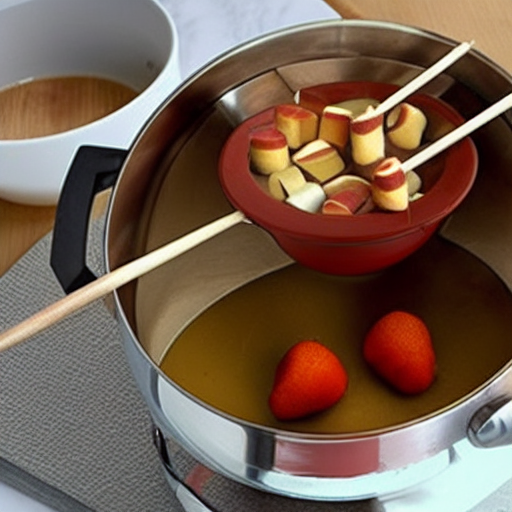
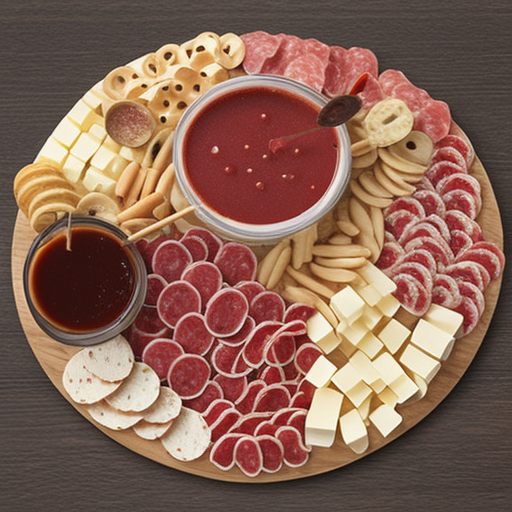
Making A Fondue Charcuterie Board

fondue charcuterie

Why a Fondue Charcuterie Board is Your Next Party’s Star

Imagine the best of both worlds: the elegant, interactive fun of fondue combined with the artful abundance of a charcuterie board. This fusion creates a centerpiece that is not just food, but an experience. It’s communal, customizable, and guaranteed to be a conversation starter. This guide will walk you through every step of Making A Fondue Charcuterie Board that will impress every guest.

Essential Components for Your Board

The Fondue Centerpiece: Choosing Your Cheese

The cheese is the heart of the operation. Your choice will define the flavor profile.

  • Classic Swiss: A blend of Gruyère and Emmentaler is traditional, offering a nutty, slightly sharp flavor that melts beautifully.
  • Funky & Bold: Cheeses like Comté or Appenzeller provide a more complex, robust flavor for adventurous palates.
  • Easy Melting Alternatives: Fontina or a young Gouda are excellent, reliable choices that create a wonderfully smooth fondue.

The Charcuterie Selection: Meats & Cured Goods

Select a variety of cured meats for contrasting textures and flavors.

  • Texture Mix: Include hard salami, thinly sliced Prosciutto di Parma, and spicy Soppressata.
  • Something Unique: Elevate your board with lesser-known gems like duck prosciutto or air-dried beef Bresaola.

The Dipping Cast: Beyond Just Bread

This is where you can get creative and ensure there’s something for everyone.

  • Crusty Breads: Cubes of baguette or sourdough are non-negotiable for soaking up the cheese.
  • Vegetables: Blanched broccoli, steamed baby potatoes, and crisp fennel slices add freshness and color.
  • Fruits: Slices of crisp apple and pear, and whole grapes provide a sweet contrast to the rich cheese.
  • Proteins & More: Soft pretzel bites and small chunks of cooked sausage are hearty, satisfying dippers.

Assembling Your Masterpiece: A Step-by-Step Guide

Step 1: Prepare Your Fondue First

Have your fondue completely ready and kept warm in its pot before you even think about the board. A good fondue can be held for a short time over very low heat.

Step 2: Build the Board Around the Pot

Place the fondue pot (always on a protective trivet) either in the center or off to one side of your board. Arrange your larger items like bunches of grapes, meat rolls, and bread piles first to create an anchor structure. Then, fill in the gaps with your smaller items like nuts and fruit slices.

Step 3: Garnish for Visual Appeal

Use fresh herbs like sprigs of rosemary or thyme to add color and fragrance. Scatter whole walnuts or Marcona almonds to introduce different shapes and textures.

Overcoming Common Pain Points

“My Cheese is Clumping or Seizing!”

Solution: This is often caused by high heat or adding cheese too quickly. Always toss your shredded cheese with a tablespoon of cornstarch or flour first. Add the cheese to your warm (not boiling) wine or broth base gradually, stirring constantly in a figure-eight motion until melted before adding more.

“The Board Looks Sparse or Messy.”

Solution: Use the “rule of odds”—grouping items in threes or fives is more visually appealing to the human eye. Create little “nests” or small piles for items like nuts or olives to make the board look abundant and intentionally designed, not just scattered.

“How Do I Keep Everything Warm and Safe?”

Solution: A high-quality fondue pot with a stable fuel source (like gel fuel or tea light) is key. For the board itself, a slate or marble board will stay cooler longer than wood, helping to keep your cured meats at a safe, appealing temperature.

Fondue Charcuterie Board vs. Traditional Charcuterie Board

The Interactive Experience

Fondue Board: This is a highly interactive, communal event. The fondue pot is the social hub, encouraging conversation and shared participation as everyone dips together.

Traditional Board: This is more about individual grazing. Guests build their own perfect bites at their own pace, focusing on personal pairings.

Flavor & Temperature Dynamics

Fondue Board: Features a warm, creamy, and unifying flavor from the cheese that ties every single element on the board together with a common, delicious thread.

Traditional Board: Focuses on the contrast of room-temperature flavors and textures—salty, creamy, crunchy, sweet—without a single, dominant component.

Frequently Asked Questions (FAQs)

Can I make a fondue charcuterie board ahead of time?

Answer: Absolutely, and you should! You can prep all your dippers (cut vegetables, bread, fruit), arrange the entire board (cover it with plastic wrap and refrigerate), and grate your cheese hours in advance. The fondue itself, however, should be made just before serving to ensure the perfect, silky-smooth texture.

What’s a good non-alcoholic substitute for wine in the fondue?

Answer: A combination of good-quality, unsweetened apple cider and a tablespoon of lemon juice is an excellent substitute. The acidity from the lemon juice is the crucial element that prevents the cheese proteins from seizing up, mimicking the role of the wine.

What if I don’t have a traditional fondue pot?

Answer: Don’t let that stop you! A small, heavy-bottomed saucepan (like one used for making sauces) placed securely on a trivet in the center of the table works in a pinch. Alternatively, a small crockpot set to “warm” or “low” can effectively keep your fondue at the perfect dipping temperature.

The Pro Tip You Haven’t Heard: The “Flavor Bridge”

Unique Insight: Don’t just think of the fondue as a separate dip. The secret to a next-level board is creating intentional “flavor bridges.” When assembling, strategically place items that pair well together next to each other. For example, place a slice of spicy soppressata right next to a sweet pear wedge. When a guest picks up both and dips them into the cheese, they experience a complex, layered flavor journey—spicy, sweet, and creamy all at once. This thoughtful curation is what elevates a Fondue Charcuterie Board from simply good to truly unforgettable.

Cheese Fondue Quick Reference

Cheese Type Flavor Profile Best Paired With
Gruyère & Emmentaler Nutty, Salty, Sharp Cornichons, Sourdough Bread, Ham
Fontina Buttery, Mild, Earthy Mushrooms, Potatoes, Prosciutto
Comté Complex, Caramel-like, Fruity Apples, Walnuts, Bresaola

Final Thoughts and Inspiration

The most important rule for Making A Fondue Charcuterie Board is to have fun and let your personality shine. Use this guide as a foundation, but don’t be afraid to swap in your favorite local cheeses, seasonal fruits, or must-have cured meats. Gather your friends, pick your favorite cheese, and start creating a delicious, memorable experience today!


Related Articles

Try Our Free Tool: Use our Fondue Dipping Ingredients Selector to find the perfect dipping combinations for your fondue.

Different Types of Fondue Pots Available

Fondue Pots

Understanding the Core Types of Fondue Pots

Choosing the right pot is the first step to fondue success. The main categories are defined by their material and heat source, each creating a different dining experience.

Classic Ceramic (Crock) Pots

Best For: Cheese and chocolate fondues.

How They Work: These pots are heated by a small tea light candle. The thick ceramic construction provides gentle, even heat that is ideal for melting delicate ingredients without scorching.

Pain Points:

  • Incapable of reaching the high temperatures required for oil or broth fondues.
  • Heat can be inconsistent and may be too low for some recipes.

Unique Insight: The dimple or recess on the bottom of many ceramic pots isn’t just for design; it’s engineered to create an air gap that helps the candle heat the pot more efficiently rather than just scorching the base.

Electric Fondue Pots

Best For: Versatility! Can often handle cheese, chocolate, oil, and broth.

How They Work: Simply plug into an outlet and use the adjustable thermostat for precise temperature control from low melts to high-temperature frying.

Pain Points:

  • The power cord can be cumbersome on the dining table.
  • Typically more expensive than non-electric options.
  • Not usable outdoors without a power source.

Unique Insight: Many modern electric pots have a “non-stick” ceramic or titanium coating, which is a huge upgrade from older Teflon models and makes cleanup from cheesy fondues significantly easier.

Sturdy Cast Iron Pots

Best For: Oil and broth fondues (Fondue Bourguignonne & Fondue Chinoise).

How They Work: The pot is heated on a stovetop until very hot, then transferred to a stand with a burner (usually gel fuel or alcohol) to maintain the high temperature at the table.

Pain Points:

  • Extremely heavy and retains heat for a very long time, posing a significant burn risk.
  • Requires regular seasoning to maintain its non-stick properties and prevent rust.
  • Not ideal for delicate cheese or chocolate fondues, as it will get too hot and cause scorching.

Elegant Enameled Cast Iron Pots

Best For: A stylish, all-in-one solution. Excellent for cheese, chocolate, and broth.

How They Work: These function like raw cast iron but feature a porcelain enamel coating. This eliminates the need for seasoning and allows for easier cleaning and more vibrant colors.

Pain Points:

  • The enamel coating can chip if knocked against a hard surface.
  • Often the most expensive type of pot.

Unique Insight: High-quality enameled cast iron, like Le Creuset, can go directly from the stovetop to the table, making it one of the most seamless and elegant types of fondue pots available.

Choosing Your Pot: A Side-by-Side Comparison

Use this table for a quick reference to help you decide which fondue pot is right for you.

Feature Ceramic (Crock) Electric Cast Iron
Best For Cheese, Chocolate All Types (Most Versatile) Oil, Broth
Heat Source Tea Light Candle Electric Cord Gel Fuel / Stove
Temp Control Low (Limited) High (Precise) Very High
Cleanup Easy Moderate Difficult (Seasoning)
Durability Fragile Moderate Very Durable
Price $ $$ $$

Beyond the Basics: Unique and Specialty Fondue Pots

The Original Caquelon

A true “caquelon” is the specific name for the earthenware pot used in traditional Swiss cheese fondue. It’s not just any ceramic pot; its rough interior is designed to help cheese cling and slowly develop a “soccarate”—a golden-brown crust of toasted cheese at the bottom that is considered a delicacy to be shared at the end of the meal.

Multi-Cooker & Raclette Combos

Modern innovation has brought us combination appliances. These often feature a raclette grill on top for melting cheese over individual pans, with a fondue pot below for a shared dipping experience. This offers two distinct and popular Swiss dining traditions in one convenient device.

Frequently Asked Questions (FAQs)

Can I use a regular pot for fondue?

Answer: You can absolutely heat your fondue base (like cheese or broth) in a regular pot on the stove. However, for serving at the table, a dedicated fondue pot is highly recommended for both safety and maintaining consistent temperature control throughout your meal.

What is the most versatile type of fondue pot?

Answer: An electric fondue pot is generally the most versatile of the different types of fondue pots available. Its adjustable thermostat allows it to maintain the low, gentle heat needed for chocolate and the high, sustained heat required for frying with oil or simmering broth.

How do I clean a fondue pot, especially after cheese?

Answer: The method varies by material. For ceramic and electric pots with non-stick coatings, let the pot soak in warm, soapy water. For traditional cast iron, avoid soap; use hot water and a stiff brush, then dry it thoroughly over low heat and apply a thin layer of cooking oil to re-season it. Always refer to your manufacturer’s instructions first.

Are fondue pots safe to use?

Answer: Yes, when used correctly. Key safety tips include: keeping cords and fuel sources away from the table’s edge, placing the pot on a stable, heat-resistant trivet, never leaving a lit burner or candle unattended, and supervising children closely around the hot pot and forks.

Conclusion: The perfect fondue pot is the one that matches your favorite fondue style. Whether you’re a cheese traditionalist, a meat-and-broth enthusiast, or have a sweet tooth for chocolate, understanding the different types of fondue pots available is your key to hosting many memorable, interactive meals. Choose the pot that best fits your culinary adventures.


Related Articles

Try Our Free Tool: Use our Fondue Pot Selector to find the perfect fondue pot for your needs.

How To Choose The Right Fondue Pot

Fondue Cooking


How To Choose The Right Fondue Pot: The Ultimate Guide

Fondue is a fun, social dining experience, but the wrong pot can lead to a disappointing mess. This guide will walk you through every consideration to ensure your next fondue night is a success.

Understanding Your Fondue Style: The First Step

Cheese Fondue

Requires gentle, consistent, low heat. A pot that’s too hot will cause the cheese to separate and become oily.

Chocolate Fondue

Needs very low, delicate heat to avoid scorching the chocolate. A flame that’s too strong is the enemy.

Oil or Broth Fondue (Fondue Bourguignonne)

Requires high heat to maintain a rolling boil or hot enough oil for cooking raw meat.

Key Factors in How To Choose The Right Fondue Pot

Material Matters: The Heart of the Heat

Ceramic or Stoneware: Best for cheese and chocolate. Provides even, gentle heat distribution. (Pain Point: Can be fragile and may crack with sudden temperature changes).

Cast Iron: Excellent heat retention, great for all fondue types. Heats very evenly. (Pain Point: Very heavy and requires seasoning to prevent rust).

Stainless Steel: Durable, lightweight, and often non-reactive. Ideal for oil and broth fondues. (Pain Point: Can create hot spots if the base is thin).

Copper: Heats quickly and very evenly, a classic choice. (Pain Point: Often requires a tin or stainless steel lining and can be expensive to maintain).

The Heat Source: Fueling the Fun

Gel Fuel / Liquid Fuel (Sterno): Portable, easy to use, and offers good flame control. Best for cheese and chocolate.

Denatured Alcohol Burner: Provides a clean, hot flame, excellent for all fondue types.

Electric: The ultimate in temperature control. You can set an exact temperature, making it foolproof for beginners. (Pain Point: You’re tethered to an outlet, limiting portability).

Induction-Compatible: If you have an induction cooktop, this is a modern and highly efficient option.

Capacity and Shape

Consider how many people you typically host. A 1-quart pot is good for 2-4 people; 2-3 quarts is better for a party. A curved or rounded pot (caquelon) is traditional for cheese, making it easier to stir.

Head-to-Head: Fondue Pot Material Comparison

Material Best For Pros Cons
Ceramic Cheese, Chocolate Gentle heat, traditional look Fragile, slow to heat
Cast Iron All Types Superior heat retention, durable Very heavy, requires maintenance
Stainless Steel Oil, Broth Lightweight, durable, easy clean Can have hot spots
Electric All Types (esp. beginners) Precise temperature control Not portable, cord can be clumsy

Avoiding Common Fondue Fails

Scorched Chocolate or Separated Cheese

This is almost always a heat issue. Solution: Use a pot with a heavy base (cast iron, thick ceramic) and a gentle fuel source.

The Pot That Won’t Stay Hot

A common problem with thin metal pots during oil fondue. Solution: Prioritize heat retention (cast iron) or use a powerful fuel source.

A Dangerous, Tippy Setup

A tall, narrow pot on a small stand is a hazard. Solution: Look for a stable, wide base on both the pot and the stand.

The Impossible Clean-Up

Burnt-on cheese is a nightmare. Solution: Soak the pot immediately after use. Non-stick interiors can be a major help.

The Pro’s Secret: What You Might Not Know

The “Swiss Rule” for Cheese Fondue

In Switzerland, it’s believed that a well-used, unwashed ceramic pot (simply wiped clean) seasons over time, much like a cast-iron skillet, and improves the flavor of subsequent fondues. While not for everyone, this highlights the importance of a dedicated pot for cheese to avoid flavor transfer.

Frequently Asked Questions (FAQs)

Can I use a regular pot on the stove instead of a fondue pot?

While you can melt ingredients in any stove-safe pot, a dedicated fondue set is designed for safe, stable tabletop use with a consistent heat source, which is crucial for the experience.

What is the most versatile type of fondue pot?

A high-quality cast iron or a well-reviewed electric pot is your best bet for handling cheese, chocolate, and oil with minimal fuss.

How do I control the temperature of a fuel-based fondue pot?

Most burners have a sliding lid to regulate airflow and flame size. For a lower flame, partially close the lid.

Is a non-stick coating a good idea for a fondue pot?

For cheese and chocolate, a non-stick interior can be a lifesaver for clean-up. Just ensure you use wooden or silicone forks to avoid scratching the coating.

Conclusion: Recap that knowing How To Choose The Right Fondue Pot comes down to matching the pot’s material and heat source to your preferred fondue style. By considering these factors, you can invest in a centerpiece that will deliver perfect, memorable meals for years to come.


Related Articles

Try Our Free Tool: Use our Fondue Pot Selector to find the perfect fondue pot for your needs.

How to Make Fondue Without a Fondue Pot

Fondue With A Pot

Why You Don’t Need a Fancy Pot to Enjoy Fondue

Fondue is a wonderfully social and delicious culinary experience that shouldn’t be limited by owning a single, specialized piece of equipment. The good news is that learning how to make fondue without a fondue pot is simple and opens up this classic dish to everyone, using items you likely already have in your kitchen.

Common Pain Points (And How We Solve Them)

“I don’t want to buy a unitasker appliance.”

Solution: We will use versatile, multi-purpose cookware that you already own, saving you money and cupboard space.

“I’m worried about keeping the fondue warm and smooth.”

Solution: This guide covers gentle, indirect heat sources and key techniques to prevent your cheese from breaking or your chocolate from scorching.

“My kitchen is small, and I have no storage space.”

Solution: This method requires zero extra storage. You’ll be using your everyday pots, pans, and bowls.

“It seems too complicated for a casual get-together.”

Solution: We break the process down into easy, manageable steps that are perfect for a stress-free, casual party.

Your Kitchen Arsenal: The Best Fondue Pot Alternatives

The Double Boiler (The Ultimate Choice for Cheese Fondue)

Why it works: It provides gentle, indirect heat from steam, which is crucial for preventing cheese from seizing, breaking, or burning. This is the most controlled method.

How to set it up: Simply place a heatproof glass or stainless steel bowl over a pot of simmering water, ensuring the bottom of the bowl doesn’t touch the water.

The Slow Cooker or Crock-Pot (The “Set It and Forget It” Method)

Why it works: Excellent for keeping fondue at a perfect, consistent, low temperature for hours. It’s ideal for parties as it becomes a self-contained serving vessel.

How to use it: You can make the fondue directly in the slow cooker on a low setting or transfer a prepared fondue into it to keep warm.

A Heavy-Bottomed Saucepan (The Quick Stovetop Method)

Why it works: A high-quality saucepan with a thick base (like enameled cast iron or tri-ply stainless steel) distributes heat evenly, reducing hot spots. This method is best for chocolate fondue, which is less prone to breaking than cheese.

Pro Tip: Always use the absolute lowest heat setting on your stove and stir constantly.

Step-by-Step: How to Make Fondue Without a Fondue Pot

Step 1: Choose Your Vessel and Heat Source

Decide which method suits your fondue type best: a double boiler for delicate cheese fondues or a heavy-bottomed saucepan for robust chocolate fondues.

Step 2: Prepare Your Fondue Base

For Cheese: Grate your cheese and toss it with a tablespoon of cornstarch or flour. This helps prevent clumping. In your chosen pot, gently heat your wine, beer, or other acidic liquid.

For Chocolate: Chop your chocolate bar or blocks finely for quick and even melting.

Step 3: The Melting Process – Low and Slow is Key

For Cheese: Gradually add your cornstarch-dusted cheese to the warm liquid, stirring in a zig-zag or figure-eight pattern (not circular) until creamy and smooth.

For Chocolate: Pour warm cream or heated liquid over the chopped chocolate and let it sit for a minute before stirring until silky smooth.

Step 4: Transfer and Serve

Unique Tip: For a truly rustic and heat-retentive serving dish, preheat a heavy ceramic bowl or, for a unique autumn twist, a small, cleaned-out sugar pumpkin or acorn squash! A ceramic bowl warmed in a low oven (around 200°F / 95°C for 10-15 minutes) will keep your fondue warm far longer than a room-temperature bowl. If using a slow cooker, simply place it on the “Warm” setting on your table.

Fondue Pot vs. No Fondue Pot: A Quick Comparison

Feature Traditional Fondue Pot DIY Alternatives
Cost Can be expensive Uses items you already own
Heat Control Built-in, but can be too aggressive More precise control with your stovetop
Versatility Primarily a single-use appliance Your pots and pans have many uses
Storage Requires dedicated space No extra storage needed
End Result Authentic experience Equally (or more) delicious fondue

Your Fondue Without a Pot FAQs, Answered

Can I reheat leftover fondue?

Yes! The key is gentle reheating. Use a double boiler or a saucepan on the lowest possible heat. As it warms, stir in a small splash of the original liquid (wine for cheese, cream for chocolate) to bring it back to a smooth, dippable consistency.

What can I use for a fondue fork substitute?

Regular dinner forks, wooden or metal skewers, toothpicks for small items, or even small salad forks work perfectly. Just be sure to provide a separate plate or bowl for each guest to place their used utensil to avoid cross-contamination.

My cheese fondue became stringy and clumpy. What went wrong?

This is usually caused by excessive heat, which causes the cheese proteins to tighten and the fats to separate. To fix it, remove it from the heat and vigorously whisk in a splash of lemon juice or a bit of hot cream. To prevent it, always use low heat, toss your cheese in cornstarch, and add the cheese gradually while stirring constantly.

Is it safe to use a ceramic bowl on a stovetop?

No. Never place a ceramic, stoneware, or glass bowl directly on an electric coil or gas burner, as it will crack or shatter due to thermal shock. A ceramic bowl should only be used as a serving vessel (after being warmed in an oven) or as the top part of a double boiler, where it is heated by steam, not direct contact with the heat source.

Dive In and Enjoy!

The true magic of fondue lies in the shared experience—the laughter and conversation around a communal pot. Don’t let the lack of specialized equipment hold you back. Gather your friends, choose your favorite dippers, and enjoy the delicious, cozy experience of your very own homemade, pot-less fondue.


Related Articles

Try Our Free Tool: Use our Fondue Pot Selector to find the perfect fondue pot for your needs.

How to Clean And Maintain Your Fondue Pot

Cleaning Fondue Pots

Why Proper Care is Crucial for Your Fondue Pot

Your fondue pot is more than just a cooking vessel; it’s the centerpiece of social gatherings and culinary creativity. Proper cleaning and maintenance ensure it remains a reliable partner for years to come, preserving both its function and the quality of your meals.

The Consequences of Improper Cleaning

Neglecting your fondue pot can lead to a host of problems that affect your cooking and the pot itself:

  • Stuck-on Residue: Cheese, chocolate, or oil can harden and bond to the surface, making future cleaning difficult and potentially burning during the next use.
  • Burnt Flavors: Old, burnt-on food can impart unpleasant, acrid tastes to new fondues, ruining the delicate flavors of cheese, chocolate, or broth.
  • Rust and Corrosion: Especially for cast iron pots, moisture left after cleaning can lead to rust, which compromises the pot’s integrity and can be unsafe.
  • Permanent Stains and Damage: Harsh cleaning methods or neglect can cause discoloration, pitting, or even cracks in materials like ceramic or enamel.

Extending the Lifespan of Your Heirloom Appliance

With proper care, a high-quality fondue pot can last for generations. Regular maintenance prevents wear and tear, ensuring it remains a functional and beautiful heirloom. A well-maintained pot also performs better, heating evenly and retaining temperature effectively for the perfect fondue experience every time.

Understanding Your Fondue Pot Material (The First Step to Proper Care)

Different materials require different care strategies. Identifying your pot’s composition is the first step to effective cleaning and maintenance.

Ceramic or Stoneware Pots: Gentle Giants

Known for their excellent heat retention and even heating, these pots are ideal for cheese and chocolate fondues. They are, however, prone to cracking if subjected to sudden temperature changes. Handle with care and avoid abrasive cleaners.

Cast Iron Pots: The Seasoned Workhorse

Cast iron is incredibly durable and provides superb, even heat distribution, making it perfect for oil and broth fondues. Its secret is the “seasoning”—a layer of polymerized oil that creates a natural non-stick surface. Harsh soaps can strip this seasoning away.

Stainless Steel or Enameled Pots: The Modern Easy-Clean

These pots are often the most low-maintenance. Stainless steel is resistant to rust and staining, while enameled surfaces (often over cast iron) provide a non-porous, easy-to-clean finish that doesn’t require seasoning.

Copper Pots: The Classic (But High-Maintenance) Beauty

Copper offers unparalleled heat conductivity for precise temperature control. However, it reacts with acidic foods and tarnishes easily, requiring specialized cleaners and regular polishing to maintain its gleaming appearance.

Your Step-by-Step Guide: How to Clean And Maintain Your Fondue Pot After Use

Follow this universal process after every fondue session to keep your pot in pristine condition.

The Golden Rule: Let it Cool Completely

Never submerge a hot pot in water or clean it while it’s warm. The thermal shock can cause cast iron to warp or crack ceramic and stoneware. Allow the pot to cool to room temperature naturally.

Step 1: Tackling the Remnants (Scraping and Pre-Rinse)

Remove any large, leftover food chunks with a soft silicone or wooden spatula. Avoid metal utensils that can scratch the surface. Follow with a gentle pre-rinse using warm water to loosen remaining residue.

Step 2: The Main Wash (Material-Specific Methods)

  • For Ceramic/Stoneware: Use a mild dish detergent and a soft sponge or cloth. Avoid abrasive scouring pads which can scratch the glazed surface.
  • For Cast Iron: Use hot water and a stiff-bristled brush (nylon or dedicated cast iron brush) to scrub away food. Avoid soap to preserve the seasoning. For stuck-on bits, use coarse salt as a gentle abrasive.
  • For Stainless Steel/Enamel: Regular dish soap is perfectly safe. Use a non-abrasive sponge to clean. These materials can handle a wider range of cleaners.
  • For Copper: Use a cleaner specifically formulated for copper. Apply with a soft cloth, rinse thoroughly, and dry immediately to prevent water spots.

Step 3: Thorough Drying and Final Inspection

This is a critical, often overlooked step. Dry the pot completely with a soft towel. For cast iron, place it on a warm stovetop burner for a few minutes to evaporate any lingering moisture. Do not air-dry, as this invites rust. Once dry, do a quick visual inspection for any new scratches, chips, or signs of wear.

Something Unique You Might Not Know

For stubborn, burnt-on cheese in any pot, try this chef’s trick: Add a small amount of white vinegar or a paste of baking soda and water to the pot and let it sit for 15-20 minutes before scrubbing. The mild acidity of the vinegar helps break down the dairy proteins, while the baking soda acts as a gentle abrasive and deodorizer. Rinse thoroughly afterward.

Solving Common Fondue Pot Pain Points

“My Cheese Fondue Burned and Stuck to the Bottom!”

This is a classic issue. Fill the pot with warm, soapy water and let it soak for an hour or more. For a more powerful solution, use the vinegar or baking soda method mentioned above. Gently scrape the bottom with a wooden or plastic utensil to lift the residue.

“There’s a Lingering Smell of Oil in My Pot.”

To deodorize, create a paste with baking soda and a small amount of water. Scrub the interior of the pot, let it sit for 30 minutes, then rinse. For stainless steel, you can also boil a mixture of water and lemon juice or white vinegar for 10 minutes.

“My Cast Iron Pot is Losing its Seasoning.”

This means the protective oil layer is wearing thin. It’s time to re-season. Thoroughly clean and dry the pot, then apply a very thin layer of a high-smoke-point oil (like canola, grapeseed, or flaxseed) to the entire interior surface. Place it upside down in a 350°F (175°C) oven for one hour. Let it cool in the oven.

“I See Discoloration or Light Rust Spots.”

For light rust on cast iron, scrub the area with a steel wool pad or a dedicated rust eraser. Re-season immediately afterward. For discoloration on stainless steel or copper, use a dedicated polish. Discoloration inside an enameled pot is often just staining and is usually harmless, but abrasive cleaners should be avoided.

Proactive Maintenance for a Pristine Pot

The Art of Seasoning a Cast Iron Fondue Pot

Seasoning isn’t a one-time task. A well-used cast iron pot should be re-seasoned periodically, especially if food starts to stick or the surface looks dull. The oven method described above is the most thorough. For a quick touch-up, you can apply a thin layer of oil and heat the pot on the stove until it just starts to smoke, then let it cool.

Proper Storage Solutions to Prevent Damage

Always store your fondue pot completely dry. Place a paper towel inside ceramic or cast iron pots to absorb any ambient moisture. If stacking, place a soft cloth or paper towel between pots to prevent scratches. Store the pot with its lid off to allow for air circulation.

Regular Check-ups: Inspecting for Cracks and Wear

Before each use, give your pot a quick once-over. Look for hairline cracks in ceramic, chips in enamel, or any signs of rust. Addressing small issues early can prevent them from becoming major problems.

Fondue Pot Care Comparison Chart

Material Recommended Cleaner Dishwasher Safe? Key Maintenance Tip
Ceramic / Stoneware Mild dish soap, soft sponge Usually No Avoid thermal shock; cool completely before washing.
Cast Iron Hot water, brush, coarse salt Absolutely Not Re-season regularly to maintain non-stick surface.
Stainless Steel / Enamel Dish soap, non-abrasive sponge Often Yes (check manufacturer’s guide) Prone to water spots; dry immediately after washing.
Copper Specialized copper cleaner No Polish regularly to prevent tarnish and maintain appearance.

Frequently Asked Questions (FAQs) About Fondue Pot Care

Can I put my fondue pot in the dishwasher?

It depends entirely on the material. Stainless steel and some enameled pots are often dishwasher-safe, but you should always check the manufacturer’s instructions. Cast iron, copper, and ceramic/stoneware should never be put in the dishwasher, as the harsh detergents and high heat can ruin their surfaces and seasoning.

How do I remove a persistent, burnt-on smell?

Create a baking soda paste, apply it to the interior, and let it sit for several hours or overnight. The baking soda will absorb the odor. Rinse thoroughly. For a deeper clean, boil a 50/50 solution of water and white vinegar for 10 minutes, then wash as usual.

Is it safe to use abrasive scrubbers or steel wool?

Generally, no. Abrasive materials like steel wool can scratch and permanently damage the surfaces of ceramic, enamel, and stainless steel. They should only be used as a last resort for removing severe rust from unseasoned cast iron, and the pot must be re-seasoned immediately afterward.

My ceramic pot has a hairline crack. Is it still safe to use?

No. A crack, even a small one, compromises the structural integrity of the pot. It can expand when heated, potentially causing the pot to break apart and creating a safety hazard. It can also harbor bacteria. It’s best to retire a cracked ceramic fondue pot.

How often should I re-season my cast iron fondue pot?

There’s no fixed schedule. Re-season your pot when food begins to stick more than usual, the surface looks dull or patchy, or you notice any hint of rust. For a frequently used pot, this might be once or twice a year. For occasional use, a thorough seasoning at the start of the fondue season may be sufficient.

Conclusion: Enjoy a Perfect Fondue Every Time

Knowing how to clean and maintain your fondue pot is the secret to decades of delightful entertaining and delicious meals. By understanding your pot’s material, following a consistent cleaning routine, and addressing issues proactively, you transform a simple kitchen task into an investment in countless future gatherings. With a little care, your fondue pot will be ready to create warm, cheesy, chocolatey, or savory memories for years to come.


Related Articles

Try Our Free Tool: Use our Fondue Pot Selector to find the perfect fondue pot for your needs.

Using Leftover Fondue: Creative Recipes for your Next Meal

Using Leftover Fondue

Using Leftover Fondue: Creative Recipes for Your Next Meal

We’ve all been there after a fondue party, staring at a pot of congealed cheese or hardened chocolate. This isn’t a problem, but an opportunity. This guide will show you how to turn that leftover fondue into the star of your next breakfast, lunch, or dinner.

The Fondue Leftover Predicament: Common Pain Points

Let’s address the specific frustrations people have with leftover fondue.

The Texture Tango: From Silky to Solid

Cheese fondue separates and becomes grainy or rubbery when reheated incorrectly. Chocolate fondue can seize or become chalky.

The Flavor Fade: Is It Still Good?

Worrying that the flavors have diminished or that the fondue has absorbed other smells from the fridge.

The “Same Meal, Second Day” Boredom

Not wanting to just re-dip the same bread and vegetables, leading to food waste.

Reinventing Your Leftover Cheese Fondue

Here are the core solutions for your savory leftovers.

The Ultimate Gourmet Grilled Cheese

Spread the leftover cheese fondue between bread for a deeply flavorful, melty sandwich. Try adding caramelized onions or ham for extra depth.

Savory Fondue Soufflé or Egg Scramble

Gently fold warmed fondue into beaten eggs before scrambling or baking into a fluffy, decadent soufflé for a luxurious breakfast or brunch.

Elevated Fondue Potato Gratin

Layer sliced potatoes in a baking dish and pour thinned-out fondue over the top before baking for a rich, cheesy gratin that’s far superior to standard versions.

The “Fondue-Burger” Fusion

Use the fondue as a gourmet burger topping or mix it directly into ground beef patties for an incredibly juicy and flavorful burger experience.

Sweet Transformations for Leftover Chocolate Fondue

Transform your sweet leftovers into delightful new desserts.

Decadent Hot Chocolate or Mocha Sauce

Gently warm the chocolate fondue with milk or cream to create instant luxurious hot chocolate, or drizzle over coffee for an elegant mocha.

No-Bake Chocolate Fondue Truffles

Mix chilled chocolate fondue with crushed cookies, oats, or nut butter, then roll into balls and coat with cocoa powder or sprinkles for effortless truffles.

Fondue-Stuffed French Toast or Pancakes

Use the fondue as a filling for stuffed French toast or swirl it into pancake batter for a decadent breakfast treat.

Cheese vs. Chocolate: A Leftover Fondue Showdown

This comparison helps you understand the different handling techniques for each type.

Reheating Rules: Gentle Heat vs. Low & Slow

Cheese Fondue Chocolate Fondue
Requires gentle, indirect heat (double boiler) with a splash of wine or milk to reconstitute Best reheated very slowly and stirred constantly to prevent seizing

Shelf Life & Storage Smarts

Type Refrigerator Life Best Storage
Cheese Fondue 3-4 days Airtight glass container
Chocolate Fondue 3-4 days Airtight container with parchment paper pressed on surface

Versatility Verdict: Which Leftover Wins?

Cheese fondue offers more versatility for savory meals, while chocolate fondue reigns as a dessert powerhouse. It’s essentially a tie depending on your culinary needs!

Leftover Fondue FAQs: Your Questions, Answered

How long is leftover fondue good for?

Properly stored in an airtight container, it’s best used within 3-4 days. Always check for off smells or mold before using.

Can I freeze leftover fondue?

It’s possible but not ideal. Cheese fondue can become grainy upon thawing. Chocolate fondue freezes better but may need re-tempering. For best results, use it fresh within a few days.

My cheese fondue is lumpy after being in the fridge. Can I fix it?

Yes! Gently reheat it in a double boiler with a small amount of acidic liquid (like white wine or lemon juice) while whisking constantly. The acid helps re-emulsify the fats and proteins.

What’s a unique way to use fondue that most people don’t know?

Unique Insight: Use a small amount of strongly flavored cheese fondue (like one with Gruyère and white wine) as a base for a next-level risotto. Stir it in at the end instead of Parmesan for an incredibly deep and complex flavor that standard risotto can’t achieve.

Conclusion: Your Leftover Fondue Journey Starts Now

Leftover fondue is a secret ingredient, not a burden. See your next fondue party not as an end, but as the beginning of several delicious meals. Pick one creative recipe and try using leftover fondue in a brand new way tonight!


Related Articles

Try Our Free Tool: Use our Fondue Recipe Generator to generate a custom fondue recipe tailored to your taste.

Tips for Preventing Cheese Fondue from Burning

Prevent Fondue Burning

Why Does Cheese Fondue Burn? Understanding the Science

The magic of a perfect cheese fondue lies in its smooth, creamy texture. However, this can quickly turn into a tragedy with a burnt, grainy, or separated mess. Understanding the science behind why fondue burns is the first step toward prevention.

The Role of Direct Heat

Using a metal pot directly over a flame creates intense, localized hot spots. Cheese, a delicate emulsion of fats, proteins, and water, cannot withstand this uneven, direct heat, leading to scorching and separation.

The Enemy: Protein Coagulation

Excessive heat causes the proteins in cheese (primarily casein) to coagulate or tighten up too rapidly. This process squeezes out the fats and moisture, resulting in a grainy, oily fondue rather than a smooth, homogenous one.

Proactive Tips for Preventing Cheese Fondue from Burning

Preventing burnt fondue is all about technique and patience. Follow these actionable tips for a flawless result every time.

Your Foundation: The Right Pot Makes All the Difference

The pot you use is your first line of defense. Here’s a comparison of the most common options:

Pot Type Pros Cons Burn Risk
Traditional Caquelon (Ceramic/Clay) Excellent heat retention; authentic fondue experience. Requires vigilant, low-heat management; must be seasoned. High if not handled carefully.
Modern Double Boiler/Enameled Pot Foolproof; water buffer eliminates direct heat. Less traditional; requires an extra pot. Very Low.
Heavy-Bottomed Stainless Steel Saucier Heats evenly; responsive to temperature changes. Can still create hot spots if heat is too high. Medium, with careful heat management.

The Low and Slow Heating Principle

Patience is non-negotiable. Never rush the melting process by cranking up the heat. Melt your cheese over the lowest possible heat setting, stirring frequently. This gentle approach allows the proteins and fats to emulsify slowly and smoothly.

The Critical Role of Cornstarch

Before adding cheese to the pot, toss your shredded cheese in a small amount of cornstarch or all-purpose flour (about one tablespoon per pound of cheese). This acts as a stabilizer, coating the cheese proteins and preventing them from clumping together and seizing when heat is applied.

The Gradual Cheese Incorporation Method

Add your cheese to the warm liquid base (like wine or broth) in small handfuls. Wait for each batch to fully melt and incorporate into the liquid before adding the next. This maintains a consistent temperature in the pot and prevents the foundation from overheating.

The “Something Unique” Factor: The Acidic Secret Weapon

While wine is a common fondue ingredient, its true power is often overlooked. The secret isn’t just the alcohol, but the acidity.

A Splash of Acidity is Your Best Friend

This is the unique tip many don’t know. A tablespoon of lemon juice or a dry white wine doesn’t just add flavor.

The Science: The acid helps keep the milk proteins (casein) calm and dispersed. It interferes with the proteins’ ability to bond too tightly with each other, significantly reducing their tendency to seize up and form grainy, burnt clumps when heat is applied. It’s a chemical safeguard against burning that goes beyond simple flavor enhancement.

Common Fondue Pain Points and How to Fix Them

Even with the best preparation, things can go wrong. Here’s how to troubleshoot common fondue disasters.

Pain Point: My Fondue is Already Grainy and Thick

Fix: Immediately remove the pot from heat. Whisk in a small amount of fresh, hot liquid (wine, broth, or a splash of lemon juice). Do not add more cheese, as this will worsen the problem. The goal is to re-hydrate and re-disperse the proteins.

Pain Point: The Cheese and Liquid Have Separated

Fix: This is a broken emulsion, where the fats have split from the water-based liquids. Remove from heat and whisk in a teaspoon of a cold cornstarch slurry (cornstarch mixed with cold water) or a splash of acidic lemon juice. Whisk vigorously to encourage the mixture to rebind.

Pain Point: A Burnt Layer is Stuck to the Bottom of the Pot

Fix: Unfortunately, if you can smell or taste burning, the fondue is likely ruined. You can try to carefully scrape off the unburnt top portion into a new pot to salvage what you can, but the scorched flavor will often persist. The key here is rigorous prevention.

Cheese Fondue FAQs: Your Burning Questions Answered

What is the best type of cheese for fondue to prevent burning?

Cheeses that melt well are key. Classics like Gruyère, Emmental, and Appenzeller are ideal because of their excellent melting properties and flavor. A combination often works best. Crucially, avoid pre-shredded bagged cheese, as it is coated in anti-caking agents like potato starch or cellulose, which can prevent smooth melting and lead to a grainy texture.

Can I reheat leftover cheese fondue?

Yes, but it must be done gently to prevent separation and burning. The best method is to use a double boiler or a heavy-bottomed saucepan on the lowest possible heat, stirring constantly and patiently. Using a microwave is highly discouraged as it heats extremely unevenly, creating hot spots that will cause the proteins to seize.

What should I do if my fondue is too thick?

Thin it out with small increments of warm liquid. Good options include the dry white wine you cooked with, a light broth, or even a touch of kirsch. Add the liquid slowly, whisking continuously, until you reach the desired creamy, dipping consistency.

Is a fondue pot with a flame necessary?

This is a common misconception. The small flame (from a tea light candle or gel fuel) under a traditional fondue set is only for keeping the fondue warm at the table once it is already cooked. It should not be used as the primary heat source for melting the cheese. The actual melting and combining of ingredients should always be done carefully on a stovetop where you have precise control over the temperature.

Conclusion

A perfect, unburnt cheese fondue is easily within your reach by mastering a few key techniques. Remember the most critical tips: use the right equipment (a double boiler is the safest bet for beginners), melt your cheese low and slow, coat it in cornstarch for stability, add it gradually, and never underestimate the power of an acidic ingredient like lemon juice or wine to keep the proteins in check. With this knowledge, you can confidently create a smooth, creamy, and delicious fondue every time.


Related Articles

Try Our Free Tool: Use our Fondue Party Planner to plan your perfect fondue party with a custom shopping list, equipment checklist, and timeline.

Best Dipping Options For Chocolate Fondue

Chocolate Fondue

The Essential Categories: Building Your Perfect Fondue Platter

Organize your dippers into these logical categories for easy party planning and a balanced flavor experience.

The Classic Crowd-Pleasers (You Can’t Go Wrong)

  • Fresh Fruits: Strawberries, bananas, pineapple chunks, apple slices (brush with lemon juice to prevent browning).
  • Baked Goods: Pound cake cubes, brownie bites, marshmallows, angel food cake, pretzels (for sweet & salty).
  • Simple & Savory: Pretzel rods, plain potato chips, or rice crackers.

Unexpected & Gourmet Dippers (Elevate Your Spread)

  • Unique Fruits: Dried mango, fresh figs, candied orange peel, or chilled lychee.
  • Savory Surprises: Bacon strips (cooked until crispy), cheese cubes (like a mild Gouda or aged cheddar), or salted popcorn.
  • Something Unique: A unique option people might not know is using chilled, cooked sweet potato or butternut squash cubes. Their earthy sweetness is a fantastic contrast to rich chocolate.

Solving Common Fondue Dipper Dilemmas (Pain Points)

Address the real problems people face when preparing for a fondue night to ensure a smooth and enjoyable experience.

“My Fruit Gets Soggy and Falls Off the Fork!”

  • Solution: Ensure all fruits are pat completely dry after washing. Use a skewer for smaller, slippery items like blueberries or raspberries.

“My Dippers Overpower the Chocolate”

  • Solution: Avoid dippers that are intensely flavored on their own (e.g., very tart citrus, strongly spiced cookies). The dipper should complement, not compete.

“I Need to Accommodate Different Diets”

  • Solution:
    • Gluten-Free: Use gluten-free brownies, cookies, and rice crackers.
    • Vegan: Offer vegan marshmallows, dairy-free pound cake, and abundant fresh fruit.
    • Nut-Free: Clearly label any items and keep nut-containing dippers on a separate plate.

Dipper Showdown: A Quick Comparison Guide

Use this quick-reference table to help you choose the perfect dippers for your chocolate fondue.

Dipper Category Flavor Profile Best For Pro Tip
Fresh Fruit (Strawberry) Sweet, Tart A refreshing, classic pairing Use ripe but firm fruit to avoid mushiness.
Baked Good (Pound Cake) Rich, Buttery Soaking up every last bit of chocolate Lightly toast cubes for a firmer texture.
Savory (Pretzel) Salty, Crunchy The perfect sweet & salty balance Opt for thick rods or twists for easy dipping.

Frequently Asked Questions About Chocolate Fondue Dippers

Can I prepare my dippers ahead of time?

  • Yes! Most can be prepped hours in advance. Cut fruits and cakes, and store them in airtight containers in the fridge. Assemble your platter just before serving.

What should I avoid dipping in chocolate fondue?

  • Avoid very watery fruits like watermelon (it will dilute the chocolate), and items that crumble easily like most crackers (they will create a mess in the pot).

How do I keep my dippers from sliding off the fork?

  • Use fondue forks with good prongs. For smaller items, skewer a few together (e.g., two marshmallows and a strawberry). Sturdier, chunkier cuts are always better.

Conclusion: The secret to the best chocolate fondue experience lies in a variety of textures and flavors. Don’t be afraid to experiment with classic and unique dippers to create a memorable fondue night that’s uniquely yours. Now that your dipper platter is planned, why not explore our guide to making the perfect silky-smooth chocolate fondue?


Related Articles

Try Our Free Tool: Use our Fondue Dipping Ingredients Selector to discover the best dippers for your chocolate fondue.

Tips for Perfect Cheese Fondue Consistency

Tips for perfect cheese fondue consistency

The Science Behind a Smooth Fondue (And Why It Breaks)

Understanding the chemistry of fondue is the first step toward mastering its texture. A perfect fondue is a stable emulsion where cheese fats and liquids coexist harmoniously.

The Role of Emulsifiers

Fondue is an emulsion of cheese fat and a liquid base like wine. Starches, such as cornstarch or flour, act as stabilizers by forming a network that prevents the fats and liquids from separating.

Common Culprits of a Broken Fondue

Several missteps can lead to a grainy, oily, or lumpy fondue. Here are the primary pain points:

  • Overheating the Cheese: Excessive heat causes cheese proteins to tighten and squeeze out fat, breaking the emulsion.
  • Adding Cheese Too Quickly: Dumping in large amounts of cheese at once overwhelms the emulsion’s capacity to incorporate it smoothly.
  • Using the Wrong Cheese: Cheeses with low meltability (like paneer) or pre-shredded cheeses coated in anti-caking agents (e.g., cellulose) resist forming a smooth consistency.

Your Step-by-Step Blueprint for Fondue Perfection

Follow this actionable guide to achieve a velvety, dip-perfect cheese fondue every time.

The Foundation: Choosing and Prepping Your Cheese

Selecting the right cheese and preparing it correctly is crucial for a smooth melt.

Excellent Melting Cheeses Poor Melting Cheeses
Gruyère, Emmental, Fontina, Comté Halloumi, Feta, Paneer, Ricotta

Unique Tip: Toss your shredded cheese with cornstarch before adding it to the pot. This coats every strand, ensuring the starch is evenly distributed for a seamless, lump-free melt—a pro technique many home cooks overlook.

The Liquid Base: More Than Just Wine

The liquid component provides acidity and flavor while helping to stabilize the emulsion.

Liquid Option Flavor Profile Effect on Consistency
Dry White Wine Tangy, acidic Excellent for stability
Beer (lager/ale) Malty, bitter Can be grainier; use with cornstarch
Broth + Lemon Juice Savory, mild tang Good non-alcoholic alternative

The Melting Process: Low and Slow is the Way to Go

Gentle, indirect heat is non-negotiable. Use a fondue pot or a double boiler to maintain a consistent, low temperature. Add cheese in small handfuls, stirring in a figure-8 or zig-zag pattern until fully melted before adding more. This gradual incorporation prevents the emulsion from breaking.

Fondue First Aid: How to Fix a Broken or Too-Thick Fondue

Even with care, fondue can sometimes go awry. Here’s how to rescue it.

Saving a Separated (Grainy) Fondue

If your fondue has broken and become oily or grainy, remove it from heat immediately. Let it cool slightly, then vigorously whisk in a tablespoon of cold lemon juice or a cornstarch slurry (1 tsp cornstarch + 1 tbsp cold water). The fresh emulsifier can often re-bond the mixture.

Thinning a Too-Thick Fondue

For fondue that has become overly thick, gradually whisk in small amounts of warm (not cold) wine, broth, or kirsch. Adding cold liquid can shock the fondue and cause it to seize, so temperature is key.

Frequently Asked Questions (FAQs)

Can I make fondue without alcohol?

Absolutely. Substitute wine with a high-quality vegetable or chicken broth and add a squeeze of fresh lemon juice. The acidity from the lemon helps mimic wine’s stabilizing effect.

Why is my fondue stringy and rubbery?

This texture usually results from overheating the cheese or using a cheese that is too young and high in moisture. Opt for older, drier, well-aged cheeses like Gruyère for a smoother melt.

What’s the secret ingredient for extra creaminess?

A small amount of sodium citrate, a powerful emulsifying salt used by professional chefs, guarantees a silky, stable fondue every time—even with cheeses that are typically difficult to melt. This is a little-known trick that elevates homemade fondue to restaurant quality.

Can I reheat leftover fondue?

Yes, but it must be done gently. Reheat in a saucepan over low heat, adding a splash of liquid (wine or broth) and stirring constantly. Avoid the microwave, as it heats unevenly and will likely cause the fondue to break.


Related Articles

Try Our Free Tool: Use our Fondue Cheese Pairing Guide to discover the best cheese combinations for your fondue.

Affiliate Disclosure: FondueCooking.com is a participant in the Amazon Services LLC Associates Program, an affiliate advertising program designed to provide a means for sites to earn advertising fees by advertising and linking to Amazon.com. As an Amazon Associate we earn from qualifying purchases. Learn more