Why a Fondue Charcuterie Board is Your Next Party’s Star
Imagine the best of both worlds: the elegant, interactive fun of fondue combined with the artful abundance of a charcuterie board. This fusion creates a centerpiece that is not just food, but an experience. It’s communal, customizable, and guaranteed to be a conversation starter. This guide will walk you through every step of Making A Fondue Charcuterie Board that will impress every guest.
Essential Components for Your Board
The Fondue Centerpiece: Choosing Your Cheese
The cheese is the heart of the operation. Your choice will define the flavor profile.
- Classic Swiss: A blend of Gruyère and Emmentaler is traditional, offering a nutty, slightly sharp flavor that melts beautifully.
- Funky & Bold: Cheeses like Comté or Appenzeller provide a more complex, robust flavor for adventurous palates.
- Easy Melting Alternatives: Fontina or a young Gouda are excellent, reliable choices that create a wonderfully smooth fondue.
The Charcuterie Selection: Meats & Cured Goods
Select a variety of cured meats for contrasting textures and flavors.
- Texture Mix: Include hard salami, thinly sliced Prosciutto di Parma, and spicy Soppressata.
- Something Unique: Elevate your board with lesser-known gems like duck prosciutto or air-dried beef Bresaola.
The Dipping Cast: Beyond Just Bread
This is where you can get creative and ensure there’s something for everyone.
- Crusty Breads: Cubes of baguette or sourdough are non-negotiable for soaking up the cheese.
- Vegetables: Blanched broccoli, steamed baby potatoes, and crisp fennel slices add freshness and color.
- Fruits: Slices of crisp apple and pear, and whole grapes provide a sweet contrast to the rich cheese.
- Proteins & More: Soft pretzel bites and small chunks of cooked sausage are hearty, satisfying dippers.
Assembling Your Masterpiece: A Step-by-Step Guide
Step 1: Prepare Your Fondue First
Have your fondue completely ready and kept warm in its pot before you even think about the board. A good fondue can be held for a short time over very low heat.
Step 2: Build the Board Around the Pot
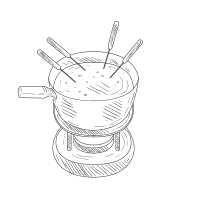
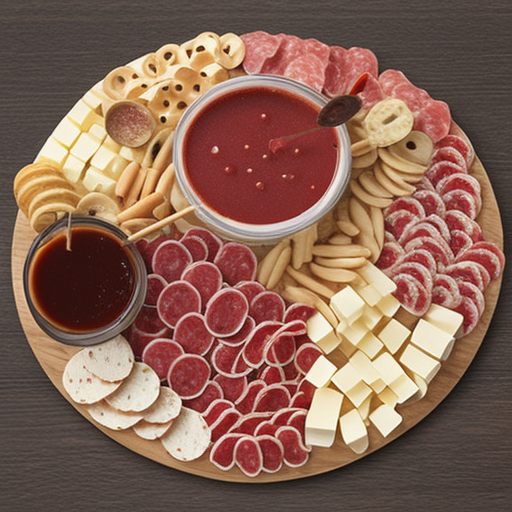
Place the fondue pot (always on a protective trivet) either in the center or off to one side of your board. Arrange your larger items like bunches of grapes, meat rolls, and bread piles first to create an anchor structure. Then, fill in the gaps with your smaller items like nuts and fruit slices.
Step 3: Garnish for Visual Appeal
Use fresh herbs like sprigs of rosemary or thyme to add color and fragrance. Scatter whole walnuts or Marcona almonds to introduce different shapes and textures.
Overcoming Common Pain Points
“My Cheese is Clumping or Seizing!”
Solution: This is often caused by high heat or adding cheese too quickly. Always toss your shredded cheese with a tablespoon of cornstarch or flour first. Add the cheese to your warm (not boiling) wine or broth base gradually, stirring constantly in a figure-eight motion until melted before adding more.
“The Board Looks Sparse or Messy.”
Solution: Use the “rule of odds”—grouping items in threes or fives is more visually appealing to the human eye. Create little “nests” or small piles for items like nuts or olives to make the board look abundant and intentionally designed, not just scattered.
“How Do I Keep Everything Warm and Safe?”
Solution: A high-quality fondue pot with a stable fuel source (like gel fuel or tea light) is key. For the board itself, a slate or marble board will stay cooler longer than wood, helping to keep your cured meats at a safe, appealing temperature.
Fondue Charcuterie Board vs. Traditional Charcuterie Board
The Interactive Experience
Fondue Board: This is a highly interactive, communal event. The fondue pot is the social hub, encouraging conversation and shared participation as everyone dips together.
Traditional Board: This is more about individual grazing. Guests build their own perfect bites at their own pace, focusing on personal pairings.
Flavor & Temperature Dynamics
Fondue Board: Features a warm, creamy, and unifying flavor from the cheese that ties every single element on the board together with a common, delicious thread.
Traditional Board: Focuses on the contrast of room-temperature flavors and textures—salty, creamy, crunchy, sweet—without a single, dominant component.
Frequently Asked Questions (FAQs)
Can I make a fondue charcuterie board ahead of time?
Answer: Absolutely, and you should! You can prep all your dippers (cut vegetables, bread, fruit), arrange the entire board (cover it with plastic wrap and refrigerate), and grate your cheese hours in advance. The fondue itself, however, should be made just before serving to ensure the perfect, silky-smooth texture.
What’s a good non-alcoholic substitute for wine in the fondue?
Answer: A combination of good-quality, unsweetened apple cider and a tablespoon of lemon juice is an excellent substitute. The acidity from the lemon juice is the crucial element that prevents the cheese proteins from seizing up, mimicking the role of the wine.
What if I don’t have a traditional fondue pot?
Answer: Don’t let that stop you! A small, heavy-bottomed saucepan (like one used for making sauces) placed securely on a trivet in the center of the table works in a pinch. Alternatively, a small crockpot set to “warm” or “low” can effectively keep your fondue at the perfect dipping temperature.
The Pro Tip You Haven’t Heard: The “Flavor Bridge”
Unique Insight: Don’t just think of the fondue as a separate dip. The secret to a next-level board is creating intentional “flavor bridges.” When assembling, strategically place items that pair well together next to each other. For example, place a slice of spicy soppressata right next to a sweet pear wedge. When a guest picks up both and dips them into the cheese, they experience a complex, layered flavor journey—spicy, sweet, and creamy all at once. This thoughtful curation is what elevates a Fondue Charcuterie Board from simply good to truly unforgettable.
Cheese Fondue Quick Reference
| Cheese Type | Flavor Profile | Best Paired With |
|---|---|---|
| Gruyère & Emmentaler | Nutty, Salty, Sharp | Cornichons, Sourdough Bread, Ham |
| Fontina | Buttery, Mild, Earthy | Mushrooms, Potatoes, Prosciutto |
| Comté | Complex, Caramel-like, Fruity | Apples, Walnuts, Bresaola |
Final Thoughts and Inspiration
The most important rule for Making A Fondue Charcuterie Board is to have fun and let your personality shine. Use this guide as a foundation, but don’t be afraid to swap in your favorite local cheeses, seasonal fruits, or must-have cured meats. Gather your friends, pick your favorite cheese, and start creating a delicious, memorable experience today!
Related Articles
- Fondue and Game Night Pairings: Best Board Games for Fondue Parties
- Diabetic-Friendly Fondue: Sugar-Free Chocolate and Low-Glycemic Dippers
- Keto-Friendly Fondue Recipes: Low-Carb Dipping Options
- Christmas Cookie Dipping Fondue Station Ideas