
Fondue: Which Cheese to Use?

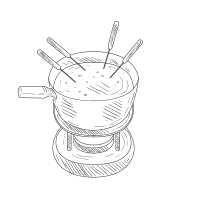
A pot of bubbling melted cheese fondue, with bread cubes and apple slices on skewers dipping into it.

Introduction to Cheese Fondue

There’s something uniquely joyful about gathering around a bubbling pot of cheese fondue. It’s more than a meal; it’s a social event, a culinary ritual that invites conversation and connection. The dipping, the swirling, the shared anticipation—it’s an experience. But at the heart of this delightful tradition lies one critical question: Fondue: Which Cheese to Use? The answer is the difference between a silky, cohesive dip and a clumpy, oily disappointment. Choosing the right cheese isn’t just a suggestion; it’s the foundation of a perfect fondue.

The Golden Rules of Fondue Cheese Selection

Not all cheeses are created equal when it comes to the fondue pot. The perfect fondue cheese must possess two key qualities: impeccable melting ability and a flavor that can stand up to wine and garlic.

The Must-Have Qualities: Melting Ability & Flavor

Why does Gruyère melt into velvety bliss while an aged cheddar might release a pool of grease? It comes down to chemistry. Cheeses that melt well, like Gruyère, Fontina, and Gouda, have a balanced structure of moisture, fat, and calcium. As they heat, the protein network relaxes and allows the fat and water to flow freely, creating a smooth emulsion. Hard, aged cheeses (like Parmesan) have less moisture and a tighter protein structure, causing them to become oily or clumpy. Fresh cheeses (like mozzarella or ricotta) have too much moisture and can become watery and rubbery.

The Starch is Your Secret Weapon

Many home cooks think tossing a bit of cornstarch or flour into their fondue is just for thickening. This is a misconception. The starch’s primary role is to act as an emulsifier. When you toss your shredded cheese in starch before adding it to the pot, the starch molecules coat the fat and protein particles. This creates a protective barrier that prevents the fats from separating from the liquids when heated, ensuring your fondue remains a smooth, homogenous mixture instead of breaking into a greasy mess. This simple, often overlooked step is the secret to a professionally smooth fondue.

The Classic Fondue Cheeses: A Deep Dive

These Swiss classics form the holy trinity of traditional fondue, each bringing its own essential character to the pot.

Gruyère: The Nutty, Salty Backbone

Gruyère is the undisputed king of fondue cheeses. This firm, pale yellow cheese from Switzerland boasts a complex, nutty, and slightly salty flavor. When melted, it provides a robust, savory base that isn’t overly sharp, making it the perfect foundation upon which to build your fondue. Its excellent melting properties ensure a smooth, creamy texture.

Emmentaler: The Iconic “Holey” Melter

Famous for its distinctive holes (or “eyes”), Emmentaler is the other classic partner to Gruyère. It has a milder, buttery, and faintly fruity flavor compared to its counterpart. Emmentaler melts into a wonderfully fluid and stretchy consistency, which helps to lighten the texture of the fondue and contributes to that classic, stringy pull when you dip your bread.

Vacherin Fribourgeois: The Swiss Secret (If You Can Find It)

For a truly authentic and luxurious fondue, seek out Vacherin Fribourgeois. This semi-soft, washed-rind cheese is a well-guarded secret in Swiss fondue circles. It’s intensely creamy, aromatic, and has a pronounced, earthy flavor. When melted, it contributes an unparalleled richness and complexity that elevates the fondue to another level. It’s a key component in the prized “Moitié-Moitié” (half and half) blend.

Modern Twists & Flavorful Alternatives

While the classics are unbeatable, don’t be afraid to explore other excellent melting cheeses from around the world.

Comté or Beaufort: Excellent French Stand-Ins

These French Alpine cheeses are close cousins to Gruyère and make fantastic substitutes. Comté offers a similar nutty complexity, while Beaufort is exceptionally buttery and creamy. Both melt beautifully and are often more readily available outside of Switzerland than some of the more obscure Swiss varieties.

Appenzeller: For a Bold, Herby Kick

If you love a pungent, full-flavored cheese, Appenzeller is for you. This Swiss cheese is washed in a secret herbal brine, giving it a spicy, aromatic kick. Use it in small amounts blended with Gruyère to add a bold, herby dimension to your fondue without overwhelming the palate.

The “No” List: Cheeses to Avoid in Fondue

Some cheeses are simply not suited for the fondue pot. Here’s why you should avoid them:

  • Hard, Aged Cheeses (e.g., Parmesan, Aged Cheddar): Their low moisture and tight protein structure cause them to “break,” releasing oils and becoming grainy.
  • Fresh Cheeses (e.g., Mozzarella, Ricotta, Paneer): Their high moisture content makes them watery and can lead to a rubbery, elastic texture when melted.
  • Blue Cheeses (e.g., Gorgonzola, Roquefort): Their strong, moldy flavor can dominate the fondue and their texture doesn’t always emulsify well. (A small amount blended with other cheeses can work for a specific flavor profile, but it’s risky for a classic fondue).

Popular Fondue Cheese Blends Compared

The art of fondue often lies in the blend. Here’s a comparison of classic and modern combinations.

Blend Name Cheeses Used Flavor Profile Best For
The Classic Neuchâteloise Gruyère & Emmentaler Perfectly balanced, nutty, creamy, and mild. Purists and first-time fondue makers. A crowd-pleasing standard.
The Moitié-Moitié (“Half & Half”) Gruyère & Vacherin Fribourgeois Incredibly rich, creamy, and complex with an earthy aroma. An authentic, luxurious Swiss experience. The gold standard for many connoisseurs.
A Robust Alpine Blend Gruyère, Appenzeller, & Comté Sharp, deeply savory, aromatic, and bold. Adventurous eaters who love strong, complex cheese flavors.

Troubleshooting Your Fondue

Even with the best cheese, things can sometimes go wrong. Here’s how to fix common fondue failures.

“My Fondue is Rubbery or Stringy!”

Cause: The cheese was likely overheated or added to the pot too quickly, causing the proteins to tighten and seize.

Fix: Maintain a very low, gentle heat (just a bare simmer) throughout the process. Add your shredded cheese in small handfuls, whisking constantly until each addition is fully melted and incorporated before adding the next.

“My Fondue is Oily and Separated!”

Cause: The emulsion has broken. This happens when the fondue gets too hot, or if there wasn’t enough starch or acid to bind the fats and liquids.

Fix: Immediately remove the pot from the heat. Add a tablespoon of cold lemon juice or white wine and whisk vigorously. The acid and rapid cooling can often help re-emulsify the mixture.

“My Fondue is Too Thick or Lumpy!”

Cause: An imbalance in your cheese-to-liquid ratio, or the cheese wasn’t properly coated in starch.

Fix: Thin it out gradually by whisking in a small amount of warm wine, broth, or even a splash of kirsch. If lumps persist, an immersion blender can save the day, but use it sparingly to avoid a gummy texture.

Frequently Asked Questions (FAQs)

Can I use pre-shredded cheese for fondue?

Answer: It is strongly discouraged. Pre-shredded cheese is coated with anti-caking agents like potato starch or cellulose. These coatings prevent the cheese from clumping in the bag but also prevent it from melting smoothly into a uniform sauce. For the creamiest fondue, always buy a block of cheese and shred it yourself just before using.

What can I use instead of white wine?

Answer: Absolutely! The wine provides acidity which helps stabilize the emulsion, but there are great non-alcoholic substitutes. Try a dry hard cider, a light lager beer, or a mixture of chicken or vegetable broth with a generous squeeze of fresh lemon juice to mimic the necessary acidity.

Is it okay to reheat leftover fondue?

Answer: Yes, but it requires a gentle touch. Reheat it slowly in a heavy-bottomed saucepan over the lowest possible heat, stirring constantly. You will almost certainly need to add a tablespoon or two of liquid (wine, milk, or broth) to help it reconstitute to a saucy consistency. Avoid the microwave, as the intense, uneven heat will almost guarantee a separated, greasy mess.

Can I make a fondue with just one type of cheese?

Answer: Absolutely. While blends are traditional for their complexity, a single-cheese fondue can be magnificent. A 100% Gruyère fondue is a classic preparation, offering a pure, uncomplicated, and deeply satisfying nutty flavor. It’s a perfect way to showcase a high-quality cheese you love.


Related Articles

Try Our Free Tool: Use our Fondue Cheese Pairing Guide to discover the best cheese combinations for your fondue.

Fondue Burner: How to Use

A fondue pot over a lit burner with cheese melting inside, surrounded by people dipping bread.

Understanding Your Fondue Burner and Fuel Types

The Two Main Types of Fondue Burners

Fondue burners are categorized primarily by their fuel source, which determines their best use case.

  • Liquid Fuel (Gel or Bioethanol) Burners: Ideal for cheese and chocolate fondues, these provide a stable, adjustable, gentle flame.
  • Denatured Alcohol (Spirit) Burners: A common, simple option for traditional sets, but they require careful handling due to the liquid fuel.
  • Butane Burners: Designed for high-heat applications like oil or broth fondues, offering powerful and consistent temperature control.

Choosing the Right Fuel: A Critical Decision

Using the correct fuel is a non-negotiable aspect of safety and performance. Never substitute one fuel type for another (e.g., do not put gel fuel in a liquid alcohol burner). Always refer to your manufacturer’s instructions for the recommended fuel type to ensure safe operation and optimal results.

Your Step-by-Step Guide on How to Use a Fondue Burner

Step 1: Setup and Preparation

Begin by placing the burner on a stable, level, and heat-resistant surface, such as a trivet or ceramic tile. Ensure the area is clear of flammable materials like curtains or paper napkins and that the fondue pot itself is clean and dry on the bottom before placing it on the stand.

Step 2: Adding the Fuel Safely

This step is critical for safety. The burner must be completely cool.

  • For Liquid Fuel Burners: Use a funnel to pour the fuel into the reservoir, filling it no more than two-thirds full to prevent spills. Immediately wipe up any drips.
  • For Gel Fuel Burners: Place the sealed gel canister into the burner’s cup. Do not puncture or open the canister.

Step 3: Lighting the Flame

Use a long-reach lighter or a long match for safety. Ignite the fuel through the designated openings. A pro tip is to light the burner before placing the fondue pot on top. This gives you better visibility and control over the ignition process.

Step 4: Regulating the Heat

Control the flame using the burner’s slider or lid. A low, blue flame is perfect for keeping cheese and chocolate gently melted, while a higher flame is needed for maintaining hot oil or broth.

Step 5: Extinguishing the Flame Safely

Never blow out the flame, as this can cause hot fuel to splatter. Always use the snuffer cap that came with your set to smother the flame by cutting off its oxygen supply.

Common Fondue Burner Issues and Troubleshooting

“My Flame Keeps Going Out”

This is often caused by an empty fuel reservoir. For wick-based spirit burners, an old or damaged wick may also be the culprit and will need replacement.

“I Can’t Get the Flame High/Low Enough”

This can result from using the wrong type of fuel, a clogged burner jet, or an improperly adjusted air intake. Ensure you are using the correct fuel and check for blockages.

“There’s a Weird Smell or Black Soot”

An unpleasant odor or soot (black residue) indicates incomplete combustion, often due to impure fuel or an improperly tuned flame. Switch to a higher-quality, recommended fuel and ensure the flame is adjusted to a clean, blue burn.

Fondue Burner Safety: The Non-Negotiables

  • Never leave a lit fondue burner unattended. Constant supervision is mandatory.
  • Keep long hair and loose clothing tied back away from the flame.
  • Position the fondue set in the center of the table, out of reach of children and pets.
  • Have a fire extinguisher or a large box of baking soda nearby specifically for potential grease fires. Never use water on a grease fire.

Fuel Showdown: Gel vs. Liquid Alcohol vs. Butane

Fuel Type Pros Cons Best For
Gel Fuel Spill-resistant, easy to use, minimal odor Less adjustable flame, slower to heat Cheese, Chocolate
Liquid Alcohol Highly adjustable flame, reusable burner Risk of spills, requires careful handling Cheese, Chocolate
Butane Very high, consistent heat, fast Requires specific canisters, overkill for delicate fondues Oil, Broth

Fondue Burner FAQs

Can I use rubbing alcohol in my fondue burner?

Answer: Absolutely not. Rubbing alcohol contains additives and water that can produce toxic fumes when burned and will likely clog your burner. Only use fuel that is specifically designed and sold for fondue burners.

How long will the fuel last in my fondue burner?

Answer: Burn time varies by burner size and flame height, but you can generally expect 1.5 to 3 hours of use. For a long fondue party, always start with a full reservoir of fuel.

How do I clean my fondue burner?

Answer: Always ensure the burner is completely cool before cleaning. Wipe the exterior with a damp cloth. If jets are clogged, use a pin or a burst of compressed air to clear them. Never submerge the burner unit in water.

A Unique Fondue Tip You Probably Didn’t Know

The “Pre-Heated Pot” Secret: One of the biggest challenges with cheese fondue is the cheese seizing up and becoming stringy. A major, often overlooked, culprit is a cold pot. Before you even light your burner, warm your empty ceramic or metal fondue pot by placing it in a regular oven at a very low temperature (around 200°F / 95°C) for 10-15 minutes. Then, add your hot cheese mixture to the pre-warmed pot and place it on the lit burner. This prevents a sudden temperature shock, ensuring your cheese stays perfectly smooth and dippable from the very first bite.

Conclusion: Master Your Next Fondue Night

Understanding how to use a fondue burner correctly is the foundation of a safe, enjoyable, and delicious fondue experience. By selecting the right fuel, following the setup and safety steps meticulously, and employing unique tips like pre-heating your pot, you are fully equipped to host an impressive and seamless fondue party for your guests.


Related Articles

Try Our Free Tool: Use our Fondue Pot Selector to find the perfect fondue pot for your needs.

Cuisinart Fondue Pot: How to Use

A Cuisinart fondue pot filled with melted cheese, surrounded by people dipping bread and vegetables.

Your Complete Guide: Mastering Your Cuisinart Fondue Pot

Fondue is more than a meal—it’s a social experience. While using a Cuisinart Fondue Pot seems simple, mastering its features ensures perfect, stress-free results every time. This guide covers setup, techniques, and pro tips for cheese, oil, and chocolate fondue.

Getting to Know Your Cuisinart Fondue Pot

Key Components and What They Do

Understanding your pot’s parts is the first step to fondue success:

  • Fondue Bowl (Pot): The main vessel, often with a non-stick interior.
  • Base/Stand: Holds the pot and houses the heating element.
  • Heating System: Electric (corded) or classic (fuel reservoir).
  • Forks: Long-handled, color-coded for easy identification.

Electric vs. Classic Fuel Models: A Quick Comparison

Feature Electric Model Classic Fuel Model
Temperature Control Precise, adjustable dial Manual, based on flame
Best For Cheese, chocolate Oil, broth
Safety No open flame Requires careful handling
Portability Limited by cord Highly portable

Step-by-Step Guide: How to Use Your Cuisinart Fondue Pot

Step 1: Preparation and Safety First

Always place your pot on a stable, heat-resistant surface. Keep flammable items away and have all ingredients prepped before heating.

Step 2: Mastering the Three Main Fondue Types

For Cheese Fondue

Grate cheese and toss with cornstarch. Heat wine or broth in a separate saucepan, then gradually add cheese until smooth. Transfer to a warm fondue pot.

For Oil or Broth Fondue

Fill the pot no more than two-thirds full with oil or broth. Heat to 375°F. Unique Tip: Test oil readiness by dipping a bread cube; if it browns in 30-45 seconds, it’s perfect.

For Chocolate Fondue

Combine chocolate with cream or milk in the pot. Melt on the lowest setting, stirring constantly to avoid scorching.

Step 3: The Fondue Experience – Dipping and Etiquette

Spear food securely on forks. Stir in a figure-8 motion to prevent burning. If you drop food in the pot, tradition may require a fun forfeit!

Troubleshooting Common Issues

My Cheese Fondue is Lumpy or Stringy

Solution: Toss cheese in cornstarch before melting. Use low heat and add cheese gradually.

The Chocolate is Scorched or Seized

Solution: Melt on the lowest setting. If seized, stir in a tablespoon of warm cream until smooth.

The Oil Isn’t Hot Enough for Cooking Meat

Solution: Use a high-heat model and avoid overcrowding with cold food. Let the oil reheat between batches.

Cleanup is a Sticky Nightmare

Solution: Fill the pot with water and a drop of soap, then heat gently to loosen residue. Unique Tip: For tough stains, use a baking soda paste to scrub without scratching.

Creative Fondue Ideas Beyond the Basics

Unexpected Dippers for Your Next Party

Fondue Type Creative Dippers
Cheese Roasted potatoes, apple slices, pretzel rods
Chocolate Pound cake, marshmallows, orange segments, bacon
Oil/Broth Marinated mushrooms, sweet potato, zucchini

Frequently Asked Questions (FAQs)

Can I use my Cuisinart Fondue Pot on an induction cooktop?

No, the pot requires its built-in heating system and is not compatible with induction cooktops.

What kind of fuel does a classic Cuisinart Fondue Pot use?

It typically uses denatured alcohol or gel fuel. Always check your model’s manual for specifics.

Is the pot and forks dishwasher safe?

Forks are usually dishwasher safe, but the pot should be hand-washed to protect its coating and heating elements.

Can I make other dishes in my fondue pot?

Yes! Use it as a mini slow cooker for dips, a soup warmer, or to melt butter for seafood.

With this guide, you’re ready to host memorable fondue gatherings. Your Cuisinart Fondue Pot is a versatile tool for delicious, interactive meals—so get dipping!


Related Articles

Try Our Free Tool: Use our Fondue Pot Selector to find the perfect fondue pot for your needs.

Can I Do Fondue in a Crockpot?

A crockpot filled with melted cheese and bread cubes dipped in, with a scenic mountain view in the background.

Yes, You Can! The Crockpot is a Fondue Game-Changer

For anyone wondering if you can make fondue in a Crockpot, the answer is a resounding yes! Using a slow cooker is a fantastic, modern twist on this classic dish, offering a simpler path to delicious, communal dining.

Why Your Slow Cooker is the Secret to Perfect Fondue

The humble Crockpot solves many of the traditional frustrations associated with fondue, making it an ideal tool for both novice and experienced hosts.

Solving Common Fondue Challenges

  • No More Scorching: The Crockpot’s gentle, even heat prevents cheese from burning or oil from overheating.
  • Hands-Free Hosting: You’re no longer chained to the fondue pot, constantly stirring. You can mingle with your guests.
  • Keeps it Perfectly Warm: From the first dip to the last, your fondue stays at the ideal serving temperature for hours.
  • Effortless Cleanup: Many Crockpot inserts are removable and dishwasher-safe, making cleanup a breeze.

Crockpot Fondue vs. Traditional Fondue Pot: A Side-by-Side Comparison

Choosing the right tool can make or break your fondue experience. Here’s how these two methods stack up.

Feature Crockpot Traditional Pot
Ease of Use & Control Set-it-and-forget-it simplicity; excellent for low, consistent heat. Requires more active monitoring and flame adjustment.
Capacity & Serving Size Ideal for larger groups (4-6 quarts is perfect). Often better for intimate, 2-4 person gatherings.
Versatility & Functionality A multi-use kitchen workhorse. A single-purpose (though elegant) appliance.

How to Make Fondue in a Crockpot: A Step-by-Step Guide

The Ultimate Crockpot Cheese Fondue

Ingredients: Gruyère, Emmentaler, white wine, garlic, lemon juice, cornstarch, kirsch (optional), nutmeg.

Instructions: Rub the Crockpot insert with a garlic clove. Add wine and lemon juice and heat on High until warm. Toss shredded cheese with cornstarch. Gradually add cheese to the warm liquid, stirring until melted and smooth. Stir in kirsch and nutmeg if using. Reduce to Warm or Low to serve.

Decadent Crockpot Chocolate Fondue

Ingredients: High-quality chocolate, heavy cream, a pinch of salt, vanilla extract.

Instructions: Combine chocolate and cream in the Crockpot. Heat on Low, stirring occasionally, until chocolate is melted and mixture is smooth. Stir in salt and vanilla. Keep on Warm for serving.

Savory Crockpot Broth Fondue (Fondue Bourguignonne)

Important Safety Note: The Crockpot is for BROTH fondue only. For oil, use the “Warm” setting with extreme caution and never leave it unattended, as most Crockpots don’t have precise temperature controls for hot oil.

Ingredients: Beef or vegetable broth, aromatics (onion, garlic, herbs).

Instructions: Pour broth and aromatics into the Crockpot. Heat on High until simmering. Reduce to Low or Warm. Guests can cook thinly sliced meats and vegetables in the hot broth.

Pro Tips & Something You Might Not Know

  • The “Double Boiler” Hack: For extra-sensitive fondues (like chocolate), place an oven-safe glass bowl inside your Crockpot insert with a little water in the bottom. This creates a gentle, double-boiler effect that gives you maximum control.
  • The Cornstarch Clutch: Always toss your shredded cheese in a little cornstarch before adding it to the warm liquid. This is the #1 secret to a smooth, non-greasy, perfectly emulsified cheese fondue that most home cooks overlook.
  • Liner Love: Using a slow cooker liner makes cleanup from sticky cheese or chocolate virtually instantaneous.

Frequently Asked Questions (FAQs) About Crockpot Fondue

What kind of Crockpot is best for fondue?

A smaller (3-4 quart) model with a “Low” and “Warm” setting is ideal. An oval shape can be easier for dipping.

Can I make the fondue ahead of time?

Absolutely! Prepare your cheese fondue, let it cool, and store it in the fridge for 1-2 days. Reheat gently in the Crockpot on “Low,” stirring occasionally.

My cheese fondue is too thick/lumpy. How can I fix it?

For thick fondue, whisk in a small amount of warm liquid (wine, broth, or lemon juice). For lumps, an immersion blender can save the day.

Is it safe to leave the Crockpot on for several hours during a party?

Yes, that’s what they’re designed for! Using the “Warm” setting is perfectly safe for extended periods, making it ideal for parties.

Conclusion: Ditch the Fuss, Not the Flavor

Using a Crockpot is a brilliant, modern solution for enjoying fondue without the traditional hassle. It empowers you to be a relaxed host while delivering the same delicious, interactive experience. Try it for your next gathering and experience the ease for yourself!


Related Articles

Try Our Free Tool: Use our Fondue Pot Selector to find the perfect fondue pot for your needs.

How to Make Chocolate Fondue

A pot of melting chocolate fondue surrounded by strawberries, marshmallows, and pretzels.

The Ultimate Guide: How to Make Chocolate Fondue

There’s something undeniably magical about chocolate fondue. It’s more than just a dessert; it’s an interactive, social, and decadent experience perfect for parties, romantic dates, or simply making a weeknight feel special. This guide will take you from a fondue novice to a master chocolatier, ensuring your next fondue is flawless and unforgettable.

Why Your Chocolate Fondue Fails (And How to Fix It)

Even the simplest recipes can go awry. Understanding these common pitfalls is the first step to fondue perfection.

The Dreaded Seized Chocolate

You’re melting your chocolate, and suddenly it transforms from silky smooth to a grainy, clumpy mess. This is seized chocolate.

  • Cause: The introduction of even a single drop of moisture. Chocolate and water are sworn enemies.
  • Fix: Don’t panic! Immediately stir in a tablespoon of a hot liquid (like the warm cream from your recipe) until it smooths out again.

The Too-Thick or Too-Thin Dilemma

The texture is everything. A fondue that’s too thick is gloppy, while one that’s too thin is runny and won’t coat your dippers.

  • Cause: An incorrect chocolate-to-liquid ratio or overheating, which can cause the fats to separate.
  • Fix: To thin it, whisk in more warm cream, one teaspoon at a time. To thicken it, add a bit more finely chopped chocolate and stir until melted.

The Burned Bottom

A bitter, scorched taste can ruin the entire batch.

  • Cause: Applying direct, high heat. Chocolate is delicate and burns easily.
  • Fix: Always use a double boiler or a heatproof bowl set over a pot of simmering water, ensuring the bottom of the bowl doesn’t touch the water.

Your Step-by-Step Guide to Perfect Chocolate Fondue

Choosing Your Champion Chocolate

The quality of your chocolate directly impacts the quality of your fondue.

Chocolate Type Flavor Profile Best For
Milk Chocolate Sweet, creamy, mild Crowd-pleaser, especially for kids
Semi-Sweet Balanced, not too sweet The most versatile, classic choice
Dark Chocolate (60-70%) Rich, intense, slightly bitter Sophisticated, adult palates

Bars vs. Chips: High-quality baking bars are superior to chips. Chips contain stabilizers that can hinder a perfectly smooth melt.

Essential Equipment You’ll Need

  • Fondue Pot: Electric for consistent heat or candle-heated (caquelon) for a traditional feel.
  • DIY Double Boiler: A heatproof bowl set over a saucepan with simmering water works perfectly.
  • Skewers: Long forks, bamboo skewers, or even decorative cocktail picks.

The Melting Method: A Foolproof Process

  1. Chop Uniformly: Finely chop your chocolate bar so it melts evenly and quickly.
  2. Heat the Base Gently: In your double boiler, warm your heavy cream or milk until it’s hot but not boiling.
  3. Melt Off the Heat: Remove the bowl from the heat. Add the chopped chocolate and let it sit for one minute before stirring. This gentle residual heat starts the melting process without risk of burning.
  4. Stir in Flavorings: Once smooth, stir in your extracts, liqueurs, or other flavorings.

Beyond the Basics: Creative Variations & Dippers

Flavor Twists to Impress Your Guests

  • Orange Zest & Grand Marnier: Bright and sophisticated.
  • Salted Caramel Swirl: Stir in a few tablespoons of salted caramel sauce.
  • Spicy Mexican: Add a pinch of chili powder, cinnamon, and a dash of cayenne.

The Dipper Directory: From Classic to Creative

Category Options
Classic Fruits Strawberries, banana chunks, pineapple, raspberries
Baked Goods Pound cake, brownie bites, marshmallows, madeline cookies
Savory Surprises Pretzel rods, potato chips, thick-cut bacon
Healthy Options Apple slices, dried apricots, pear chunks, coconut strips

Chocolate Fondue vs. Other Chocolate Treats

Fondue vs. Chocolate Fountain

Aspect Chocolate Fondue Chocolate Fountain
Consistency Thicker, creamier Thinner, more viscous (uses special oil)
Scale & Cleanup Intimate, easier cleanup Large events, complex cleanup
Best For 4-8 people, sit-down experience 50+ people, flowing centerpiece

Fondue vs. Melted Chocolate Dip

The key difference is stability and texture. A simple melted chocolate dip will harden as it cools. Fondue, with its added cream or liquid, remains smooth, flowing, and dippable for the duration of your gathering.

Chocolate Fondue FAQ: Your Questions Answered

Can I make chocolate fondue ahead of time?

Absolutely! Prepare it up to 2 days in advance. Let it cool, cover it tightly, and refrigerate. To reheat, place it back over a double boiler on low heat, stirring frequently. You may need to add a splash of warm cream to restore the perfect consistency.

What can I use if I don’t have a fondue pot?

No specialized pot, no problem. A slow cooker on the “warm” setting is excellent. Alternatively, you can keep your fondue in a heatproof bowl set over a pot of hot (not simmering) water to maintain temperature.

Is there a good dairy-free or vegan alternative?

Yes! Use high-quality vegan dark chocolate and substitute the heavy cream with full-fat canned coconut milk. The result is incredibly rich and creamy.

What’s the secret to a super-shiny fondue?

After your fondue is perfectly smooth and melted, stir in a tiny pat of butter or a teaspoon of a neutral oil like grapeseed. This professional pastry chef trick adds a beautiful, glossy sheen and helps the chocolate flow off the dippers in a smooth, elegant ribbon.

Hosting the Perfect Chocolate Fondue Party

Transform your fondue into an event. Set up a “dipping station” with all your ingredients pre-sliced and arranged in bowls. Use multiple small fondue pots if you’re offering different flavors. Provide plenty of napkins and skewers, and most importantly, encourage your guests to play with their food! The interactive, communal nature is what makes chocolate fondue truly special.


Related Articles

Try Our Free Tool: Use our Fondue Dipping Ingredients Selector to discover the best dippers for your chocolate fondue.

How to Make Cheese Fondue

A pot of bubbling cheese fondue on a rustic wooden table surrounded by friends dipping bread.

Why Mastering Cheese Fondue is a Game-Changer

The Perfect Social Food

Cheese fondue transforms a simple meal into an interactive, memorable dining experience. It’s a centerpiece that encourages conversation and connection, making it ideal for gatherings with friends and family.

Surprisingly Simple Elegance

While it appears to be a complex, restaurant-quality dish, making cheese fondue at home is a straightforward process. With a few key techniques, you can create an impressive meal that belies its simple preparation.

Essential Equipment You’ll Need

The Fondue Pot: Caquelon is Key

The traditional pot for cheese fondue is a caquelon, a thick-bottomed ceramic pot. It distributes heat evenly and gently, which is crucial for preventing the cheese from scorching. While metal pots can be used, ceramic is superior for maintaining a consistent, low temperature.

Pot Type Best For Considerations
Ceramic (Caquelon) Cheese & Chocolate Fondue Provides even, gentle heat; traditional choice
Metal (Stainless Steel/Copper) Oil & Broth Fondue Heats quickly; can cause cheese to burn if not careful

A stable heat source (rechaud) is also essential to keep the fondue at the perfect temperature throughout your meal.

The Fondue Forks

Long-handled, color-coded forks are not just for tradition—they are a safety feature to prevent burns and help guests keep track of their dipping items.

Other Helpful Tools

A sturdy saucepan for the initial melting, a wooden spoon for stirring (metal can scratch pots), and a good quality box grater or food processor for prepping the cheese.

The Classic Cheese Fondue Recipe

Selecting Your Cheeses (The Flavor Foundation)

The classic Swiss combination is Gruyère for its depth and slightly salty, nutty flavor and Emmentaler for its superb melting qualities and mildness. For a unique twist, try adding a small amount of Appenzeller for a sharper, more aromatic fondue.

The Liquid Base: More Than Just Wine

A dry, acidic white wine like Sauvignon Blanc is traditional. The acid is a critical component for a stable emulsion. If you prefer not to use alcohol, you can substitute with non-alcoholic wine, vegetable broth, or even apple cider mixed with a tablespoon of lemon juice.

The Secret to a Smooth Fondue: Cornstarch & Acidity

Here’s something many don’t know: Tossing your grated cheese with cornstarch before adding it to the pot is the secret to a perfectly smooth, non-grainy fondue. The cornstarch coats the cheese proteins, preventing them from clumping together and seizing when they hit the heat. The acid from the wine or lemon juice further helps to keep the proteins separate and the fondue silky.

Step-by-Step: How to Make Cheese Fondue

  1. Prepare the Cheese: Grate all cheeses and toss thoroughly with one tablespoon of cornstarch per pound of cheese.
  2. Infuse the Pot: Cut a garlic clove in half and rub it vigorously over the entire interior surface of your fondue pot or saucepan. This imparts a subtle, essential garlic flavor.
  3. Heat the Liquid: Pour in your wine or substitute and heat it until it is steaming hot but not boiling.
  4. Add the Cheese: Add a handful of the cheese-cornstarch mixture and stir continuously in a slow, zig-zag (“figure-8”) motion until melted. Repeat until all cheese is incorporated and the fondue is smooth.
  5. Season: Stir in a splash of kirsch (a cherry brandy, optional), and a pinch of freshly grated nutmeg and black pepper.
  6. Serve: Carefully transfer the fondue to your fondue pot set over its low flame. Adjust the flame to keep the fondue just barely bubbling.

Solving Common Fondue Challenges

“My Fondue is Lumpy!”

Cause: The cheese was likely added too quickly or the heat was too high, causing the proteins to clump.
Fix: Immediately remove the pot from the heat. Add a splash of cold wine, broth, or lemon juice and whisk vigorously until the lumps dissolve.

“The Cheese and Liquid Have Separated.”

Cause: The emulsion has broken, almost always due to overheating.
Fix: Whisk in a teaspoon of lemon juice or a cornstarch slurry (1 tsp cornstarch mixed with 1 tbsp cold liquid) over low heat until it re-emulsifies.

“My Fondue is Too Thick or Too Thin.”

Too Thick: Gradually whisk in a little more of your warm liquid (wine, broth, or even milk) until it reaches the desired consistency.
Too Thin: Create a cornstarch slurry and whisk it into the simmering fondue. Let it cook for a minute until it thickens.

Dipping Companions: What to Serve with Your Fondue

The Must-Haves:

Cubed, day-old crusty bread like a baguette or sourdough. Slightly stale bread holds up better and won’t fall apart on the fork.

Beyond Bread:

  • Blanched vegetables like broccoli, cauliflower, and baby potatoes.
  • Crisp, slightly tart apple and pear slices.
  • Cornichons and pickled onions for a tangy contrast.
  • Cured meats like salami or ham.

Fondue Fun: Traditions and Etiquette

The “Lost Bread” Rule (La Religieuse)

A unique tradition involves the crispy, browned cheese crust that forms at the bottom of the pot, known as la religieuse (the nun). At the end of the meal, this crust is carefully lifted out and shared. The person who retrieves the largest piece is said to have good luck. In some regions, it’s playfully said they will be the next to marry.

Don’t Lose Your Bread!

A classic fondue rule states that if you drop your bread into the pot, you owe a penalty. This could be a kiss to your neighbor, buying the next round of drinks, or hosting the next fondue party. It’s all in good fun and keeps everyone engaged.

Cheese Fondue vs. Other Fondues

Type of Fondue Base Purpose Dippers
Cheese Fondue Wine, Cheese, Seasonings Main Course Bread, Vegetables, Meat
Chocolate Fondue Chocolate, Cream/Liqueur Dessert Fruit, Marshmallows, Cake
Oil or Broth Fondue (Fondue Bourguignonne) Hot Oil or Simmering Broth Main Course Raw Meat, Seafood, Vegetables (to be cooked)

Frequently Asked Questions (FAQs)

Can I make cheese fondue without alcohol?

Yes, absolutely. Substitute the wine with an equal amount of vegetable or chicken broth and add a tablespoon of lemon juice to provide the necessary acidity for a smooth emulsion.

What can I use if I don’t have a fondue pot?

You can use a heavy-bottomed saucepan kept on the stove over the lowest possible heat. A slow cooker on the “warm” setting can also work, though it may not get hot enough to form the prized la religieuse crust.

How do I reheat leftover cheese fondue?

Reheat it gently in a saucepan over very low heat. It will likely be thick, so whisk in a small splash of wine, milk, or water to bring it back to a creamy consistency.

Is there a gluten-free way to make cheese fondue?

Yes. Cornstarch is naturally gluten-free, making it a perfect thickener. For dipping, use gluten-free bread, a wide variety of vegetables, and apple slices.

Conclusion: Your Next Social Centerpiece

Learning how to make cheese fondue is a simple yet incredibly rewarding skill that elevates any gathering. It’s more than a meal; it’s an experience. So gather your favorite cheeses, call your friends, and get ready to create a warm, cheesy, and unforgettable social centerpiece.


Related Articles

Try Our Free Tool: Use our Fondue Cheese Pairing Guide to discover the best cheese combinations for your fondue.

How to Make Fondue

A pot of melted cheese fondue on a table with bread cubes, vegetables, and friends gathered around.

Fondue at Home: Everything You Need to Know to Make It, Serve It, and Nail It

Fondue is one of those rare dishes that turns dinner into an event. A shared pot of melted cheese, chocolate, or sizzling broth sits at the center of the table, and suddenly everyone slows down, leans in, and starts talking. The dipping is almost beside the point.

The word comes from the French verb fondre, meaning “to melt.” The earliest known written recipe dates to a 1699 Zurich cookbook, but it was not until the 1930s that fondue became widely known across Switzerland. The Swiss Cheese Union (a dairy cartel formed to manage a growing surplus of unsold cheese) launched an aggressive campaign to brand fondue as the Swiss national dish. They sent recipes to households, created advertising materials, and built a romantic narrative around Alpine peasant tradition. That story was largely a marketing invention, but it worked. By the time fondue reached America at the 1964 New York World’s Fair, it was already a symbol of Swiss identity.

Today, fondue remains one of the most enjoyable ways to host a meal. Whether you are making a classic cheese pot, a chocolate dessert dip, or a hot oil or broth version for cooking meat at the table, the principles are simple once you understand a few key techniques.


Choosing the Right Equipment

Fondue Pots: Ceramic vs. Cast Iron

The pot you use matters more than most people expect.

Ceramic pots retain gentle, even heat, which makes them ideal for cheese and chocolate fondues. Both of these can scorch quickly over direct flame, so the slow, steady warmth of ceramic gives you more control and a longer window before things go wrong.

Cast iron holds heat at a higher level and recovers it faster when cold items are added. This makes it the better choice for oil and broth fondues, where you need the cooking medium to stay hot enough to cook raw meat through quickly and safely.

No Fondue Pot? Here Is What to Do Instead

A slow cooker on its lowest “warm” or “low” setting works well as a substitute for cheese fondue. The indirect, gentle heat mimics the effect of a good ceramic pot and keeps the fondue at a consistent dipping temperature throughout the meal without the risk of scorching.

For getting the fondue started, any heavy-bottomed saucepan on the stove works fine. Prepare it there, then transfer to your serving vessel.

The Rest of the Setup

Long-stemmed fondue forks with color-coded tips help guests track their own food. For heat, the main options are:

  • Gel or ethanol fuel burners, which are portable and allow you to adjust the flame
  • Denatured alcohol burners, a clean-burning traditional choice compatible with most pots
  • Electric fondue pots, which offer the most precise temperature control and eliminate the open flame entirely

You will also want a trivet to protect your table and a stable base for the pot. A non-slip surface underneath is worth the extra thirty seconds it takes to set up.


How to Make Classic Cheese Fondue

Choosing Your Cheese

The most important decision in cheese fondue is the cheese itself. The classic Swiss combination pairs Gruyère with Emmental, and for good reason. Gruyère brings a rich, nutty, creamy flavor that deepens with age, developing earthy complexity without becoming overpowering. Emmental contributes a milder, slightly sweet nuttiness and melts easily, giving the fondue a smooth, cohesive texture.

Neither of these cheeses should be extremely old. As cheese ages, its casein protein breaks down, and that protein is what holds the fondue together and keeps the fat from separating. A very aged cheese can result in a greasy, oily pot. Fresh-grated Gruyère and Emmental in the medium age range are ideal.

Other regional combinations worth trying include Gruyère with Vacherin Fribourgeois (the traditional “moitié-moitié” or half-half blend from the canton of Fribourg), or Gruyère with Appenzeller for a more aromatic, pungent result.

The Science of a Smooth Fondue

Understanding why fondue works makes it much easier to fix when it does not. A good cheese fondue is an emulsion, which is a stable mixture of cheese fat dispersed evenly through a liquid base. Two things make this possible:

Acid from the wine. Dry white wine contains tartaric acid, which breaks down the casein protein in the cheese. This allows the fat to disperse evenly rather than pooling on the surface. This is why the type of wine matters: you want something dry and high in acid, such as a Sauvignon Blanc, Pinot Gris, or Chasselas (the traditional Swiss choice). The acid is the functional ingredient here, not the alcohol.

Cornstarch. Tossing your grated cheese in cornstarch before adding it to the pot thickens and stabilizes the mixture, giving it structure and preventing the fat from separating.

Kirsch, the traditional cherry eau de vie added at the end, contributes flavor and a pleasant fruity complexity. It also adds a modest stabilizing effect, but it is not the primary reason the fondue holds together. The wine and cornstarch do that work.

Step-by-Step Method

  1. Rub the inside of your fondue pot or a heavy saucepan with a halved garlic clove. If you enjoy garlic, leave the halves in the pot as the wine heats.
  2. Add a dry white wine and heat over medium until it is steaming but not boiling.
  3. In a bowl, toss your grated cheese with one tablespoon of cornstarch per 400g (14oz) of cheese. This step is not optional.
  4. Add the cheese to the warm wine in small handfuls, stirring constantly in a figure-eight or zig-zag motion. Never dump it all in at once.
  5. Once smooth, stir in two tablespoons of kirsch, a pinch of freshly grated nutmeg, and black pepper to taste.
  6. Transfer immediately to your heated fondue pot and serve.

Serving quantity guide: Plan on roughly 200g (7oz) of cheese mixture and 200g (7oz) of dippers per person.


How to Make Chocolate Fondue

Choose the Right Chocolate

Skip the baking chips if you can. Standard chocolate chips contain soy lecithin and other stabilizers designed to help them hold their shape in the oven, which is exactly what you do not want when melting them into a smooth, flowing dip. They can result in a thicker, denser texture. Use good-quality chocolate bars (chopped into small, even pieces) or purpose-made melting wafers instead. Semi-sweet or dark chocolate in the 55 to 70 percent cacao range gives the best balance of richness and sweetness.

If chips are all you have, brands with higher cocoa butter content, such as Guittard or Ghirardelli, melt more reliably than budget alternatives.

Method

  1. Warm heavy cream in your fondue pot or a saucepan over low heat until it just begins to steam. Do not let it simmer.
  2. Remove from heat and add your chopped chocolate. Let it sit undisturbed for two minutes, then stir slowly from the center outward until fully combined and glossy.
  3. Stir in a pinch of salt and, if desired, a tablespoon of Grand Marnier, Baileys, or another liqueur for extra depth.
  4. If the fondue is too thick, whisk in warm cream one tablespoon at a time.

For a richer texture and a beautiful sheen, stir in a small pat of butter at the end. The added fat coats the cocoa particles and gives the finished fondue a more indulgent mouthfeel.

Serving quantity guide: Plan on 100g (3.5oz) of chocolate and 150g (5oz) of dippers per person.


How to Make Oil or Broth Fondue (Fondue Bourguignonne)

Fondue Bourguignonne takes its name from the Burgundy region of France and involves cooking raw pieces of meat directly at the table in hot oil or flavored broth. The Swiss restaurateur Konrad Egli introduced it to New York at his Chalet Suisse restaurant in 1956.

Oil vs. Broth

Oil fondue produces a crisp, seared exterior on the meat. Use an oil with a high smoke point. Canola (400 to 475°F), refined peanut (450°F), or grapeseed (420°F) are all reliable choices. They are neutral-tasting and stable at the temperatures needed to cook meat quickly.

Broth fondue is gentler, and the cooking liquid imparts flavor directly to the meat. Use a well-seasoned chicken, beef, or vegetable broth. The result is closer to poaching than frying, so pair it with bold dipping sauces to add contrast.

Safety First

Oil fondue is the one type that carries real safety risks if handled carelessly:

  • Never fill the pot more than halfway with oil. Hot oil expands, and an overfilled pot can boil over dramatically.
  • Pat all meats and seafood completely dry before dipping. Moisture and hot oil do not mix well.
  • Cut meat into small, bite-sized pieces (roughly 2cm or 1 inch) so they cook through thoroughly in 1 to 2 minutes without sitting in the oil long enough to cool the pot down.

Serving quantity guide: Plan on 250g (9oz) of raw meat or seafood per person, plus an assortment of sauces.


Building Your Dipping Station

Half the pleasure of fondue is the spread around it. Here is what works best with each type:

For cheese fondue: Day-old crusty bread (baguette works well, cut into 1-inch cubes), blanched broccoli, cauliflower florets, baby potatoes, and sliced raw bell peppers. Crisp apple and pear slices are an underrated addition, as their acidity cuts through the richness of the cheese beautifully.

For chocolate fondue: Strawberries, banana chunks, pineapple spears, and orange segments. For baked goods, try cubes of pound cake, brownies, or angel food cake. Salted pretzels and marshmallows round out the spread and offer good textural contrast.

For oil or broth fondue: Cubed sirloin, chicken breast, shrimp, and scallops. Provide at least three or four dipping sauces. Béarnaise, garlic aioli, horseradish cream, teriyaki, and sweet chili sauce are all crowd-pleasers that work with most proteins.


Fondue Etiquette

Fondue has its own social customs, some of which date back generations. The most universal rule is no double-dipping. Once your food touches the pot, it stays on your fork until it goes in your mouth.

The tradition most guests find charming: if you drop your bread into the cheese pot, you owe the table a penalty. Depending on who you ask, that means buying the next bottle of wine, singing a song, or (in some Swiss households) a dash into the cold. As the pot empties and the last of the cheese cooks against the bottom, it forms a crispy, caramelized crust called la religieuse (the nun). This is considered a delicacy and is typically offered to the guest of honor.


Troubleshooting Common Problems

My cheese fondue is lumpy or stringy. This usually means the cheese was added too quickly, the heat was too high, or the cornstarch step was skipped. Prevention is easier than rescue: add cheese in small handfuls, keep the heat gentle and steady, and always coat the grated cheese in cornstarch first. If it has already gone lumpy, try whisking in a tablespoon of lemon juice (the acid can help restore the emulsion) and stirring vigorously over very low heat.

My cheese fondue has broken and looks oily. The fat has separated from the protein matrix, usually caused by overheating. Remove from heat immediately, whisk in a teaspoon of lemon juice, and stir constantly. In stubborn cases, an immersion blender can sometimes pull it back together.

My chocolate is seizing. Seizing happens when even a small amount of moisture enters the chocolate. Water binds to the sugar particles, forming a syrup that causes everything to clump rather than flow. Prevention means keeping every utensil completely dry and using a low, indirect heat to avoid steam condensation. To rescue seized chocolate, stir in warm heavy cream one tablespoon at a time, mixing continuously until it relaxes back into a smooth consistency.

My chocolate is burning on the bottom. Turn the heat down or off. Chocolate fondue does not need much heat to stay warm. The residual warmth of the pot is usually enough between dips. If the flame is necessary, keep it as low as possible.


Frequently Asked Questions

Can I make fondue without alcohol?

Yes, with good results. For cheese fondue, the acid in the wine is what actually does the functional work of keeping the emulsion smooth. Replacing it with dry apple cider (which also contains natural acid) or adding two tablespoons of lemon juice to vegetable broth gives you a similar effect. Skip the kirsch entirely, or substitute a teaspoon of vanilla extract or almond extract for a hint of complexity.

What do I do with leftover fondue?

Leftover cheese fondue solidifies into a firm, sliceable block when chilled. Cut it into portions, dredge each piece in flour, and pan-fry in a little butter until golden and crisp on both sides. The result (gooey inside, crunchy outside) is arguably better than the original. Leftover chocolate fondue can be refrigerated, then rolled into truffles once firm. Coat them in cocoa powder, crushed nuts, or a second layer of melted chocolate.

How do I clean a fondue pot?

For stuck-on cheese, fill the pot with water and a tablespoon of baking soda and bring it to a gentle simmer. The cheese will loosen in a few minutes. For burnt-on oil residue, add coarse salt and scrub with a folded paper towel. The salt acts as a mild abrasive without scratching. Always check the manufacturer’s instructions for ceramic pots, which can be sensitive to sudden temperature changes (going from very hot to cold water immediately can cause cracking).


Hosting a Fondue Night

The goal is unhurried, convivial dining. Set up the fondue pot as the centerpiece and arrange all dippers on platters within easy reach of everyone at the table. Provide plenty of napkins, have extra fuel ready before guests arrive, and resist the urge to rush anyone. The best fondue evenings last two hours longer than expected, and that is entirely the point.

Fondue Type Cheese or Chocolate Dippers
Cheese Fondue 200g (7oz) per person 200g (7oz) per person
Chocolate Fondue 100g (3.5oz) per person 150g (5oz) per person
Oil or Broth Fondue — 250g (9oz) raw meat/seafood per person

Related Articles

Try Our Free Tool: Use our Fondue Glossary to look up any fondue term or technique.

Affiliate Disclosure: FondueCooking.com is a participant in the Amazon Services LLC Associates Program, an affiliate advertising program designed to provide a means for sites to earn advertising fees by advertising and linking to Amazon.com. As an Amazon Associate we earn from qualifying purchases. Learn more