How to Keep Chocolate Fondue Warm

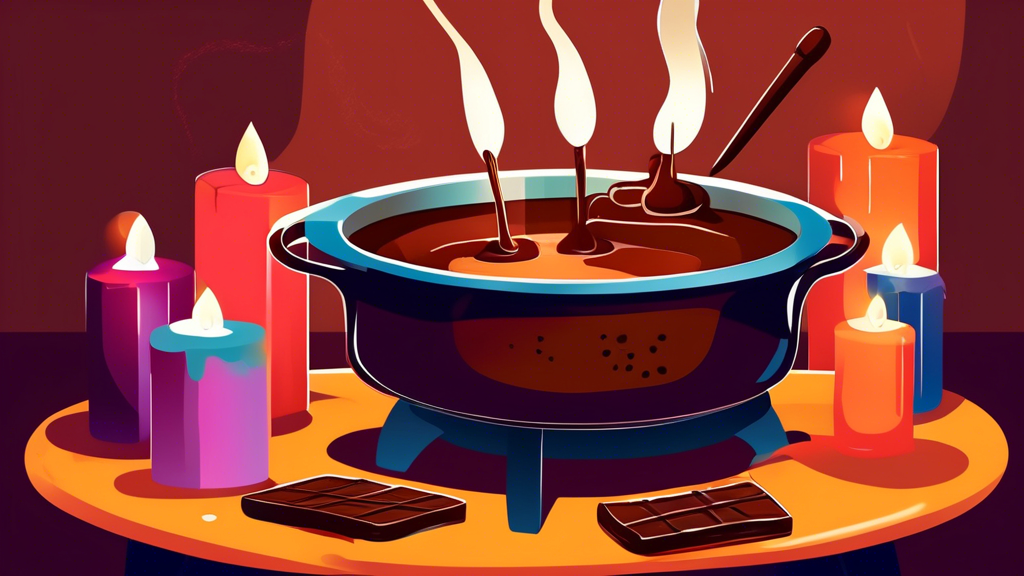
A pot of melted chocolate fondue steaming on a table with candles underneath.

The Core Challenge: Why Chocolate Fondue is So Temperamental

Understanding the Science of Melting Chocolate

Chocolate is a delicate emulsion of cocoa solids, cocoa butter, and sugar. When heated, this structure becomes unstable. For a perfect dipping consistency, your fondue needs to stay within a specific “working temperature” range of 115°F to 120°F (46°C to 49°C). Straying outside this range leads to common textural disasters.

Common Issues You’ll Avoid

  • The Dreaded Seize: Introducing even a single drop of water into melted chocolate causes it to instantly become grainy, thick, and clumpy.
  • The Unwanted Skin: As the chocolate cools, a firm, unappetizing film forms on the surface.
  • The Burned Bottom: Direct, high heat scorches the chocolate, giving it a bitter, burnt flavor that ruins the entire batch.
  • The Lukewarm Letdown: The fondue cools down halfway through your gathering, forcing guests to dip into a cold, thickening pool.

The Best Methods for How to Keep Chocolate Fondue Warm

The Gold Standard: Using a Fondue Pot

  • Candle-Powered (Tea Light) Pots: Excellent for maintaining the heat of an already-melted fondue. Best suited for shorter, more intimate gatherings.
  • Electric Fondue Pots: The most reliable and user-friendly option. They can melt the chocolate from scratch and maintain a perfectly consistent temperature indefinitely.
  • Ethanol / Gel Fuel Burners: Provide a stronger, more adjustable flame than tea lights, making them ideal for longer parties where consistent heat is crucial.

The Kitchen Workaround: A Double Boiler on the Stove

Create a makeshift double boiler by placing a heatproof bowl over a pot of gently simmering water (ensure the bowl doesn’t touch the water). This method is highly effective but is a “stationary” solution, meaning your fondue stays on the stovetop.

The Modern Hack: Small Appliances to the Rescue

  • Slow Cooker / Crock-Pot: Perfect for large batches. Use the “Low” or “Warm” setting to keep your fondue at the ideal temperature without burning it.
  • Rice Cooker: The “keep warm” function on most rice cookers happens to be the perfect temperature range for maintaining chocolate fondue.
  • Hot Plate: Offers a consistent, low heat source for any heatproof bowl, giving you flexibility in your serving dish.

Method Comparison: Choosing Your Warmth Warrior

Method Heat Control Portability Ease of Use Best For
Electric Fondue Pot Excellent High Very Easy All occasions, especially longer parties
Tea Light Fondue Pot Low High Easy Intimate dinners (1-2 hours)
Slow Cooker Good Low Easy Large parties, buffets
Double Boiler Good None Moderate Kitchen-side serving

Pro Tips and Unique Tricks for Flawless Fondue

The Secret to a Stable, Heat-Tolerant Fondue

Here’s a game-changer most people don’t know: Adding a small amount of a neutral fat (1-2 teaspoons of coconut oil or a pat of butter) to your melting chocolate does more than just thin it. It actively changes the fat crystal structure, making the fondue significantly more resistant to temperature fluctuations. This simple trick drastically reduces the risk of seizing and prevents a skin from forming, giving you a much wider margin for error.

Prep and Serve Like a Pro

  • Pre-warm Your Bowl: Rinse your fondue bowl with hot water and dry it thoroughly before adding the chocolate. This gives your fondue a critical heat-retention head start.
  • Use a Lid: During brief pauses in dipping, cover the pot with a lid or a piece of foil to trap heat and moisture.
  • Stir Frequently: Consistent stirring redistributes heat evenly throughout the fondue, preventing hot spots from burning the chocolate at the bottom of the pot.

Frequently Asked Questions (FAQs)

Can I reheat chocolate fondue if it gets too cold?

Yes, you can gently reheat it. The best method is to use a double boiler. If using a microwave, do so in short 15-second bursts, stirring vigorously each time to ensure even heating and to avoid scorching.

What is the ideal temperature to keep chocolate fondue warm?

The sweet spot for liquid, dippable chocolate fondue is a consistent temperature between 115°F and 120°F (46°C to 49°C). It should feel hot to the touch but not scalding.

How long can you safely keep chocolate fondue warm?

For both food safety and optimal quality, it’s best not to leave fondue out at a warm temperature for more than 2 hours. If you need to keep it warm for longer, it must be held consistently above 140°F (60°C), though the texture and flavor may begin to degrade over time.

My fondue is too thick. What can I add to thin it?

If your fondue has thickened, gently stir in a small amount of warm heavy cream, a flavored liqueur, or a teaspoon of a neutral oil like coconut or vegetable oil. Add the liquid slowly and stir continuously until you achieve your desired consistency.


Related Articles

Try Our Free Tool: Use our Fondue Dipping Ingredients Selector to discover the best dippers for your chocolate fondue.

How to Keep Cheese Fondue Warm

A pot of bubbling cheese fondue on a cozy table with a lit sterno underneath and a festive gathering in the background

Why Your Fondue Gets Cold: Understanding the Core Problem

The Science of a Perfect Melt

Cheese fondue’s texture is a delicate balance of emulsified fats, proteins, and liquid. Consistent, low heat is crucial. High heat causes the proteins to tighten and squeeze out the fat, resulting in a broken, greasy fondue. Conversely, insufficient heat allows the proteins to rebond, creating a clumpy, solid mass.

Common Fondue Challenges

  • The Clumpy, Rubbery Mass: Cheese seizing up and becoming impossible to dip.
  • The Greasy Pool: The oil separating from the cheese solids due to overheating.
  • The “First Come, First Served” Problem: The first guests get perfect fondue, while latecomers get a cold pot.
  • Safety Concerns: Juggling flammable fuel cans or dealing with unstable electric warmers.

Your Arsenal for Warm Fondue: Method Breakdowns

The Traditionalist’s Choice: The Fondue Pot & Burner

Using a gel fuel (Sterno) or liquid fuel burner is the classic method. The key is to regulate the flame to a gentle, steady level—remember the “simmer, don’t boil” rule to prevent scorching and separation.

The Modern Solution: Electric Fondue Pots

Electric fondue pots offer superior, adjustable temperature control, making them ideal for beginners. They come in various styles, with ceramic pots often providing more even heat distribution than metal.

The Kitchen Hack: A Double Boiler on the Stovetop

For smaller, seated gatherings, a double boiler is an excellent solution. Simply place your heatproof fondue bowl over a pot of gently simmering water. This method provides indirect, consistent heat that’s perfect for maintaining temperature without risk of burning.

The Buffet Savior: A Slow Cooker or Warming Tray

For large parties or buffet-style serving, a slow cooker set to the “Warm” or “Low” setting is perfect. It can keep fondue at the ideal temperature for extended periods without constant supervision.

Fondue Warmer Showdown: Comparing Your Options

Choosing Your Fondue Warming Method

Method Portability Temperature Control Aesthetics Ease of Use
Fuel Burner Excellent (ideal for outdoor use) Moderate (requires manual adjustment) High (traditional, elegant appearance) Moderate
Electric Pot Limited (requires power outlet) Excellent (precise digital controls) Moderate (modern designs) High (very beginner-friendly)
Double Boiler Poor (stationary setup) Good (consistent indirect heat) Low (practical but not decorative) Moderate
Slow Cooker Poor (best for stationary buffets) Good (maintains steady warm temperature) Low (utilitarian appearance) High (set-and-forget operation)

Pro Tips and Unique Tricks for Impeccable Warmth

The “Tea Light” Trick for Casual Gatherings

A little-known hack for small, metal fondue pots: place a few tea light candles in a stable holder and set your pot on top. The radiant heat provides just enough warmth to maintain temperature without further cooking, perfect for a relaxed, lengthy conversation over fondue.

Pre-Heating is a Game-Changer

One of the most overlooked steps is pre-heating your fondue pot. Fill it with hot water and let it sit for a few minutes before drying it thoroughly and adding your hot cheese mixture. A cold ceramic or metal pot will instantly absorb heat from your fondue, causing it to cool prematurely.

The Lid is Your Friend

During lulls in dipping or short breaks, placing a lid on your fondue pot—even slightly ajar to prevent condensation—can trap a significant amount of heat, reducing the energy needed to maintain temperature and keeping your fondue perfectly dippable.

Frequently Asked Questions (FAQs) on Keeping Fondue Warm

Can I reheat cold cheese fondue?

Yes, but it must be done gently to avoid breaking the emulsion. Use a low heat setting on the stovetop or a double boiler, stirring constantly. Avoid the microwave, as it heats unevenly and will almost certainly cause the fondue to separate.

How long can I realistically keep fondue warm?

For optimal texture and food safety, aim to consume your fondue within 1-2 hours of keeping it warm. Beyond this, the cheese can become grainy, and if the temperature drops below 135°F (57°C), the risk of bacterial growth increases.

What is the ideal temperature for serving cheese fondue?

The perfect serving temperature range is between 135°F and 165°F (57°C – 74°C). This is hot enough to keep the cheese melted and safe for consumption but not so hot that it burns the mouth or causes the fats to separate.

My fondue broke and became oily. Can I fix it?

Often, yes! Immediately remove it from the heat and let it cool slightly. Then, vigorously whisk in a tablespoon of cold lemon juice or a cornstarch slurry (one teaspoon cornstarch mixed with one tablespoon of cold water or wine). The acid or additional starch can help re-emulsify the fats and liquids. Properly maintaining the temperature is the best way to prevent this issue from occurring in the first place.


Related Articles

Try Our Free Tool: Use our Fondue Cheese Pairing Guide to discover the best cheese combinations for your fondue.

How to Heat a Fondue Pot

A fondue pot filled with melted cheese being heated over a blue flame burner on a rustic wooden table.

The Ultimate Guide: How to Heat a Fondue Pot Perfectly and Safely

Briefly introduce the joy of fondue and how the success of the entire meal hinges on one critical step: properly heating the fondue pot. This guide will walk you through every method and secret for perfect, safe heating.

Understanding Your Fondue Pot Type: The First Step to Proper Heating

The Classic Candle-Powered Pot (Fondue Brûlot)

  • Best for: Dessert fondues (chocolate, caramel).
  • Heating Capability: Provides gentle, consistent, low heat.
  • Common Issue: Why it won’t work for cheese or oil. (It simply doesn’t get hot enough and will lead to a lumpy, cold mess).

The Standard Electric Fondue Pot

  • Best for: All fondue types (cheese, broth, oil, chocolate).
  • Heating Capability: Adjustable, consistent, and easy to control.
  • Common Issue: Cord management and ensuring the heating element is clean.

The Traditional Fuel-Based Pot (Gel Fuel or Denatured Alcohol)

  • Best for: Cheese, broth, and oil fondues.
  • Heating Capability: High, direct heat; requires careful flame management.
  • Common Issue: Running out of fuel mid-meal and the difficulty of adjusting the heat precisely.

The Cast Iron Pot (Used on a Stovetop Stand)

  • Best for: Oil and broth fondues.
  • Heating Capability: Excellent heat retention and distribution.
  • Common Issue: The pot gets extremely hot and stays hot for a long time, posing a major burn risk if not handled correctly.

Step-by-Step: How to Heat a Fondue Pot for Each Fondue Type

How to Heat a Fondue Pot for Cheese Fondue

  • The Golden Rule: Always heat the cheese mixture on the stovetop first, then transfer it to a pre-warmed fondue pot.
  • Step 1: Prepare your cheese sauce in a saucepan on the stove.
  • Step 2: While the cheese is melting, add a little water to your fondue pot and turn it on (if electric) or light the fuel to pre-warm it. Empty the water before adding the cheese.
  • Unique Tip: Pre-warming the pot prevents the cheese from “thermal shocking” and seizing up, ensuring a silky-smooth texture throughout your meal.

How to Heat a Fondue Pot for Oil or Broth (Fondue Bourguignonne)

  • The Safety Rule: Never fill the pot more than halfway.
  • Step 1: Heat your oil or broth on the stovetop to the desired temperature (typically 375°F/190°C for oil, a simmer for broth).
  • Step 2: Carefully transfer the hot liquid to your stable, pre-positioned fondue pot.
  • Step 3: Immediately light the fuel or turn the electric pot to high to maintain the temperature.

How to Heat a Fondue Pot for Chocolate Fondue

  • The Gentle Approach: Use a double boiler method on the stovetop to melt the chocolate to avoid scorching.
  • Step 1: Melt chocolate with cream/liqueur in a double boiler.
  • Step 2: Transfer to a fondue pot set over the lowest possible flame (tea light or lowest electric setting).
  • Common Issue: High heat will cause the chocolate to separate and become grainy.

Fuel Showdown: Gel vs. Denatured Alcohol vs. Electric

Fuel Type Pros Cons
Gel Fuel (Sterno) Easy to light, readily available, less volatile. Lower heat output, can be difficult to extinguish completely, may impart a slight odor.
Denatured Alcohol Very high, clean-burning heat. More volatile and dangerous if spilled, burns with an invisible flame (be very careful!), can be harder to find.
Electric Heating Element Precise temperature control, safest option for indoor use, no open flame. Limited by cord length, requires an outlet, the heating coil can be difficult to clean after oil fondues.

Common Fondue Heating Mistakes and How to Avoid Them

  • Mistake 1: Adding cold cheese to a cold pot. (Result: Lumpy fondue).
  • Mistake 2: Overfilling the pot with oil. (Result: Dangerous boil-overs).
  • Mistake 3: Placing a hot pot directly on a cold surface. (Result: Cracking the pot or damaging your table).
  • Mistake 4: Letting the fuel run out without a backup. (Result: A cold, disappointing end to the meal).

Fondue Pot Heating FAQs

Can you heat a fondue pot on the stove?

Answer: It depends. Cast iron pots are designed for it. Ceramic or metal pots meant for fuel/electric use should not be placed directly on a gas or electric coil burner, as the intense, direct heat can crack or warp them. Always check the manufacturer’s instructions.

How long does it take to heat a fondue pot?

Answer: This varies greatly. A pre-warm might take 5 minutes. Getting oil to the proper temperature in the pot can take 10-15 minutes. The key is patience—never rush the heating process.

Why is my cheese fondue burning on the bottom?

Answer: The heat is too high and direct. For fuel pots, lower the flame by partially closing the burner lid. For electric pots, turn down the temperature. Remember, the goal is to maintain warmth, not cook the fondue further.

What is a safe and stable surface to place a heated fondue pot on?

Answer: Always use a trivet or a heat-resistant pad on your table. Never place it directly on wood, plastic, or other sensitive surfaces. Ensure the table is stable and not wobbly.

Conclusion: Mastering how to heat a fondue pot is the secret to a flawless and fun fondue experience. By identifying your pot type, following the right steps for your chosen fondue, and avoiding common pitfalls, you’re guaranteed a delicious, memorable meal with friends and family. Now, get dipping.


Related Articles

Try Our Free Tool: Use our Fondue Pot Selector to find the perfect fondue pot for your needs.

How to Do a Fondue Party

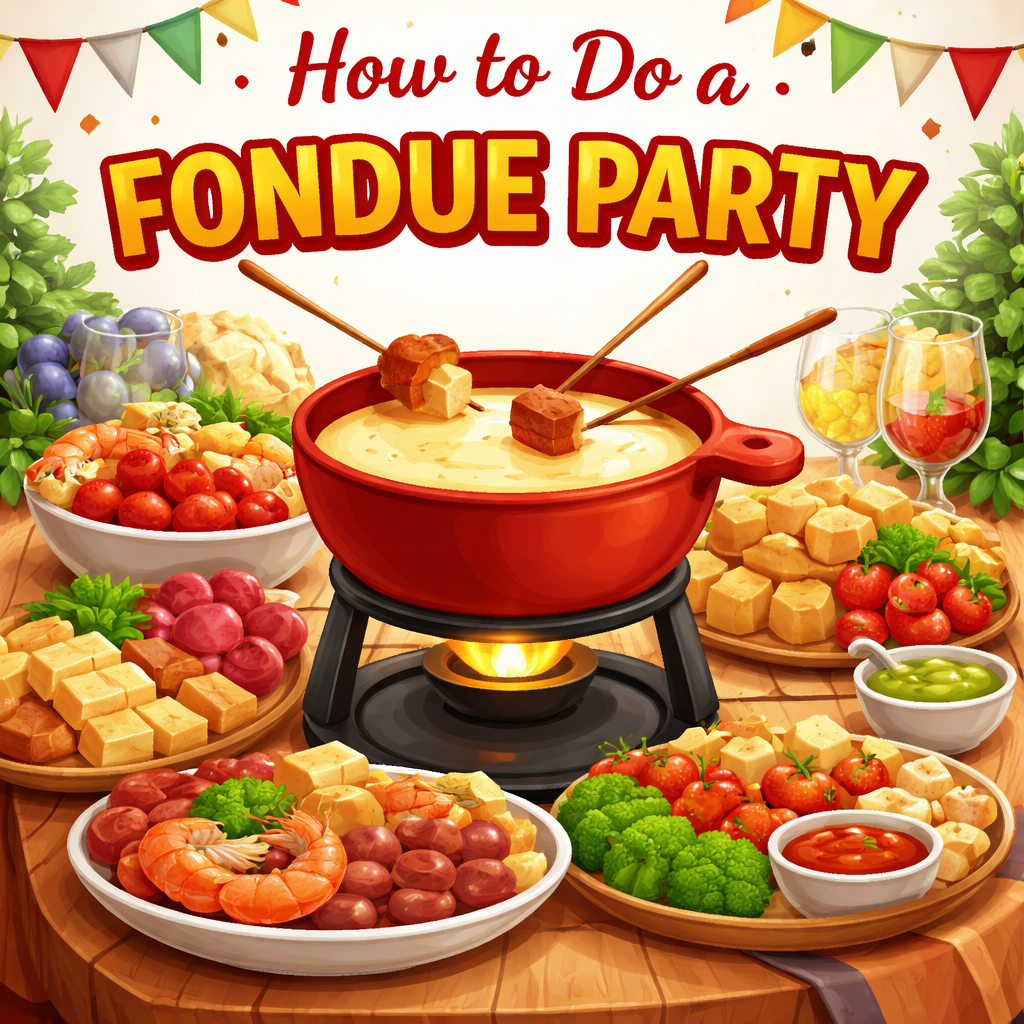
how to do a fondue party 1

A fondue party transforms an ordinary dinner into an interactive experience. The shared pot becomes a natural conversation starter, encouraging guests to gather around, engage with each other, and create memories while cooking their own food. This communal dining style breaks down the formality of traditional entertaining and creates a relaxed atmosphere where connections happen naturally.

This versatile party theme adapts to nearly any occasion. Host an intimate winter gathering for four, plan a romantic Valentine’s dinner for two, celebrate a birthday with friends, or create a festive holiday event. The beauty of fondue lies in its flexibility and universal appeal.

Decide Which Fondue Style Fits Your Party

Your first decision shapes the entire evening. Each fondue type creates a different experience and requires specific planning.

Cheese fondue serves as the perfect centerpiece for a main course. Guests dip cubed bread, crisp vegetables, and apple slices into melted cheese. This option requires steady, gentle heat to prevent the cheese from burning or separating. Budget around 6 to 8 ounces of cheese per person, and expect to spend about $20 to $30 for quality cheese to serve four people.

Chocolate fondue offers the easiest entry point for first-time hosts. It works beautifully as a dessert finale and forgives temperature fluctuations better than cheese. Guests love dipping strawberries, pound cake, and marshmallows into rich melted chocolate. A single batch typically costs $10 to $15 and serves six people generously.

Broth or oil fondue (also called Fondue Bourguignonne) turns the main course into an interactive cooking experience. Guests cook thin slices of meat and vegetables in simmering broth or hot oil. This option requires the most attention to safety, as hot oil can reach temperatures of 350 to 375 degrees Fahrenheit. You’ll need to establish clear protocols for handling raw meat and managing the high heat source.

Gather Your Essential Equipment

A traditional setup includes a fondue pot (called a caquelon), a heat source, long-stemmed fondue forks, and a stable stand. Ceramic or enameled cast iron pots work best for cheese, while metal pots handle the high heat required for oil.

The heat source matters more than many hosts realize. Fuel gel canisters burn cleanly and adjust easily, making them ideal for cheese fondue. Electric fondue pots offer the most control but require an outlet near your dining table. Tea light candles work only for chocolate fondue, as they don’t generate enough heat for cheese or oil.

Don’t own a fondue set? A slow cooker on the warm setting maintains perfect temperature for cheese fondue throughout your party. For chocolate, use a small saucepan placed over a tea light warmer or a double boiler setup. These alternatives cost nothing if you already have the equipment, and they work surprisingly well.

Budget $30 to $60 for a basic fondue set, or $80 to $150 for an electric model with precise temperature control.

Create Your Dipping Station

Variety makes a fondue party memorable. Prepare more dippers than you think you’ll need, as guests tend to eat more in this interactive format. Plan for about 1 pound of dippers per person.

For cheese fondue, offer these textures and flavors:

  • Cubed rustic baguette or sourdough (1 loaf serves 4 people)
  • Steamed broccoli and cauliflower florets
  • Crisp apple slices tossed with lemon juice to prevent browning
  • Baby potatoes, boiled and halved
  • Cured meats like salami or prosciutto, rolled for easy dipping
  • Cherry tomatoes and bell pepper strips

For oil or broth fondue, focus on quick-cooking proteins:

  • Sirloin or tenderloin, sliced 1/4 inch thick (6 ounces per person)
  • Chicken breast, pounded thin and cubed
  • Large shrimp, peeled and deveined
  • Sea scallops
  • Mushrooms and zucchini for vegetarian options

Raw meat requires its own plate at each place setting. Never let raw meat touch cooked food or eating utensils.

For chocolate fondue, balance fruit with indulgence:

  • Strawberries, hulled and dried
  • Banana chunks
  • Fresh pineapple pieces
  • Pound cake or angel food cake, cubed
  • Brownie bites
  • Marshmallows
  • Pretzels for salty-sweet contrast

Prepare all dippers two to three hours before guests arrive. Cover and refrigerate items that might brown or dry out.

Master the Foundational Recipes

These recipes create the base for most fondue parties. Each serves four people as a main course or six as an appetizer.

Classic Swiss Cheese Fondue

Rub the inside of your fondue pot with a cut garlic clove. This subtle flavor enhancement makes a noticeable difference. Add 1 cup of dry white wine and 1 tablespoon of lemon juice, then heat over medium until the mixture simmers gently.

While the wine heats, toss 8 ounces of shredded Gruyère and 8 ounces of shredded Emmentaler with 1 tablespoon of cornstarch. This coating prevents the proteins from clumping together and helps create a smooth, creamy texture.

Reduce heat to low and gradually add the cheese mixture by the handful, stirring constantly in a figure-eight pattern. Wait until each addition melts completely before adding more. This patience prevents lumps and creates the signature smooth consistency.

Season with a pinch of nutmeg and freshly ground black pepper. A tablespoon of kirsch (cherry brandy) adds authentic Swiss flavor, but you can omit it.

Rich Chocolate Fondue

Heat 1 cup of heavy cream in a saucepan over medium-low heat until it just begins to steam. Don’t let it boil.

Remove from heat and add 12 ounces of chopped dark chocolate. Let it sit for 1 minute, then stir until completely smooth. The residual heat melts the chocolate gently, preventing it from seizing.

Stir in 1/4 teaspoon of salt and 1 teaspoon of vanilla extract. For an adult party, add 2 tablespoons of Grand Marnier, Kahlúa, or amaretto.

Transfer to your fondue pot and keep warm over a tea light.

Critical technique for cheese fondue: Always toss your shredded cheese with cornstarch before adding it to the wine. This step coats the cheese proteins and helps them emulsify smoothly into the liquid. Without this coating, the proteins can clump together and create a stringy, separated texture that won’t recover.

Set Up Your Party Space

Arrange your table with the fondue pot in the center, easily reachable from all sides. Never place a hot pot near the edge of a table where children or pets might bump it.

Each guest needs a fondue fork, a dinner plate, a regular dinner fork, and a napkin. For oil or broth fondue, add a small plate specifically for raw meat to prevent cross-contamination.

Create ambiance with soft lighting and a simple centerpiece that doesn’t obstruct the pot. Skip tall candles or elaborate decorations that could catch fire near the heat source.

A playlist of upbeat but mellow music keeps energy flowing without overwhelming conversation. Aim for 60 to 70 decibels, about the volume of normal conversation.

Keep extra fuel canisters within reach but away from the active flame. Nothing kills the party mood faster than a pot that goes cold mid-meal.

Solve Problems Before They Happen

If your cheese fondue becomes too thick, whisk in warm white wine one tablespoon at a time until it reaches the right consistency. The wine thins the mixture without diluting the flavor.

If it’s too thin, mix 1 teaspoon of cornstarch with 1 tablespoon of cold wine to create a slurry. Stir this into the fondue and let it cook for 1 minute. The cornstarch will thicken the mixture without creating lumps.

For chocolate that’s too thick, add warm cream by the tablespoon. For chocolate that’s too thin, melt additional chopped chocolate directly into the pot.

To prevent cross-contamination with raw meat, use a two-fork system. The long fondue fork goes into the pot with raw meat, cooks the food, and never touches anyone’s mouth. Once the meat finishes cooking, each guest uses their regular dinner fork to remove the cooked food from the fondue fork. This system seems complicated at first, but guests adapt quickly once you demonstrate it.

Color-coding helps too. Assign each guest a specific fork color and provide a small diagram at each place setting showing the two-fork method.

Keep the temperature steady by adjusting your heat source every 15 to 20 minutes. Cheese fondue performs best at around 120 degrees Fahrenheit. If it starts bubbling vigorously, reduce the heat immediately.

Add Playful Traditions

Swiss fondue culture includes several traditions that add entertainment to the meal. The most famous involves “lost bread.” When someone drops their bread into the cheese pot, tradition calls for a fun consequence. Some versions require the person to buy the next round of drinks, while others call for kissing a neighbor or performing a silly dare. Choose whatever fits your group’s style, or create your own house rule.

Remind guests not to double-dip their fondue forks into the communal pot. The fork used for dipping should transfer food to their dinner fork, which then goes into their mouth. This keeps the shared pot hygienic throughout the meal.

Make a game of guessing which dipper pairs best with the fondue. Have everyone vote on their favorite combination at the end of the night.

Consider Dietary Needs

Fondue parties naturally accommodate various diets with small adjustments.

For lactose-intolerant guests, use lactose-free cheese or aged cheeses like Gruyère, which contain minimal lactose. Some aged cheddars work well too.

For vegan guests, create a separate pot using cashew-based cheese sauce or nutritional yeast-based fondue. Violife and other brands make shreddable vegan cheese that melts reasonably well.

For gluten-free guests, offer gluten-free bread cubes, rice crackers, and plenty of vegetables and fruit as dippers.

Always label each pot clearly if you’re serving multiple options.

Choose Drinks That Complement the Fondue

With cheese fondue, serve white wines that cut through richness. Sauvignon Blanc offers bright acidity and citrus notes. Dry Riesling provides a touch of sweetness that balances the salt in the cheese. Traditional Swiss choices include Chasselas or Fendant. Light lagers work well for beer drinkers.

With oil or broth fondue, pour light-bodied red wines like Pinot Noir or Beaujolais. These wines complement meat without overwhelming it.

With chocolate fondue, consider dessert wines like Port or late-harvest Riesling. Coffee provides a nice counterpoint to the sweetness. Champagne or sparkling wine adds celebration to the dessert course.

For non-drinkers, offer sparkling water with lemon, herbal tea, or Italian sodas. Avoid very cold beverages with cheese fondue, as some believe cold drinks can cause the melted cheese to solidify in your stomach (though this isn’t scientifically proven).

Plan Your Timeline

Three days before: Order or purchase your cheese, meat, and any special ingredients. Fresh, quality ingredients make a dramatic difference in fondue.

One day before: Shred your cheese and toss it with cornstarch. Store it covered in the refrigerator. Chop your chocolate. Prepare any marinades for meat fondue. Cut vegetables and store them in airtight containers.

Four hours before: Slice meat thinly and keep it refrigerated. Cube your bread and let it sit out uncovered so it dries slightly. Fresh bread can become gummy when dipped.

Two hours before: Arrange your dippers on serving platters and cover them with damp paper towels. Set your table completely. Test your fondue pot and heat source.

Thirty minutes before guests arrive: Start preparing your fondue. Cheese fondue holds well for up to an hour if kept at the right temperature. Make chocolate fondue just before serving it.

Manage Cleanup Efficiently

Let your fondue pot cool completely before attempting to clean it. Rushing this step often leads to burnt hands and damaged equipment.

For cheese residue, fill the pot with hot water and a squirt of dish soap. Let it soak for 30 minutes. The hot water will loosen most of the cheese. For stubborn spots, make a paste from baking soda and water, spread it over the affected area, let it sit for 10 minutes, then scrub gently with a soft sponge. Never use abrasive scrubbers on ceramic or enameled pots, as they’ll damage the surface.

For chocolate, hot water and soap usually work immediately. Chocolate rarely sticks or burns if you kept the heat low enough.

Frequently Asked Questions

Can I make fondue ahead of time?

Cheese fondue tastes best made fresh, as it tends to separate when reheated. However, you can shred your cheese, prep your dippers, and measure out all ingredients the day before. This advance work makes the actual cooking process quick and smooth. Chocolate fondue reheats more successfully. Make it up to 4 hours ahead, store it in the refrigerator, then reheat gently over low heat while whisking constantly.

How much fondue do I need per person?

Plan for 6 to 8 ounces of cheese per person for a main course, or 3 to 4 ounces for an appetizer. For chocolate fondue as dessert, 2 to 3 ounces per person provides plenty. These amounts assume you’re serving adequate dippers and perhaps a side salad.

What should I serve alongside the fondue?

A crisp green salad with vinaigrette balances the richness of cheese fondue perfectly. For broth fondue, offer several dipping sauces like béarnaise, horseradish cream, or garlic aioli. Rice or crusty bread on the side helps round out the meal. Keep sides simple so the fondue remains the star.

What if someone has never been to a fondue party?

Demonstrate the proper technique when your first guest arrives. Show them how to spear the dipper, dip it into the fondue using a gentle stirring motion, and let excess drip back into the pot. For meat fondue, explain the two-fork system clearly and show them how long to cook each type of protein. Most people catch on within their first few dips.

Where can I buy fondue equipment?

Kitchen stores like Sur La Table, Williams Sonoma, and Crate & Barrel stock fondue sets year-round. Online retailers like Amazon offer extensive selections with customer reviews. Thrift stores often carry vintage fondue sets in excellent condition for a fraction of the retail price. Check these secondhand options first if you’re not sure how often you’ll use the equipment.

A fondue party succeeds when you focus on creating a warm, welcoming atmosphere rather than achieving perfection. Choose your fondue style, gather quality ingredients, set up a comfortable space, and let the interactive nature of the meal bring people together. The shared experience of cooking and eating around a communal pot creates connections that outlast the evening itself.


Related Articles

Try Our Free Tool: Use our Fondue Party Planner to plan your perfect fondue party with a custom shopping list, equipment checklist, and timeline.

How to Cook Beef Fondue

A pot of simmering beef broth with skewers of raw beef, colorful vegetables, and dipping sauces arranged on a rustic wooden table.

What is Beef Fondue? A Modern Twist on a Classic

More Than Just Cheese and Chocolate

When most people hear “fondue,” they think of melted cheese or chocolate. However, beef fondue (specifically Fondue Bourguignonne) is a celebrated and interactive main course that turns dinner into a social event. It’s all about customizing your meal, one delicious bite at a time, right at the table.

Essential Equipment You’ll Need

The Right Fondue Pot is Key

Not all fondue pots are created equal. For cheese or chocolate, a ceramic pot is used. For cooking beef in oil or broth, you must use a metal pot (typically stainless steel or enameled cast iron) designed to withstand high direct heat. A stable stand and a reliable fuel burner, like one using gel fuel or ethanol, are non-negotiable for safety and consistent cooking.

Don’t Forget the Tools

  • Long-handled fondue forks: Essential for handling raw and cooking meat. Look for ones with color-coded tips so guests can identify their fork.
  • Regular dining forks: Crucial for eating your cooked meat. Never eat directly from the fondue fork—it will be scalding hot.
  • Small plates and bowls: For holding raw meat, cooked meat, and an array of dipping sauces.

Your Step-by-Step Guide on How to Cook Beef Fondue

Step 1: Selecting and Preparing the Perfect Beef

The success of your fondue hinges on the quality and cut of the beef. You need tender, well-marbled cuts that cook quickly. The best options are:

  • Beef Tenderloin: The most tender and luxurious choice.
  • Sirloin: A great balance of flavor and tenderness.
  • Ribeye: Excellent marbling for a rich, juicy result.

Pro Tip: Partially freeze the beef for about 30-45 minutes. This firms it up, making it incredibly easy to slice into thin, uniform strips or cubes.

Step 2: Choosing Your Cooking Liquid: Oil vs. Broth

This choice defines the character of your meal.

  • Oil Fondue (Fondue Bourguignonne): This is the classic method. It creates a beautifully seared, crispy exterior while keeping the inside juicy. Use a neutral oil with a high smoke point, such as canola, peanut, or grapeseed oil.
  • Broth Fondue (Fondue Chinoise or Asian Hot Pot): A lighter, healthier, and deeply flavorful alternative. The meat poaches gently in a seasoned broth, absorbing its aromas. You can use a rich beef broth or an Asian-inspired broth with soy, ginger, and garlic.

Step 3: Setting Up Your Fondue Station Safely

Safety is paramount, especially with hot oil.

  • Place the fondue set on a stable, heat-resistant surface away from edges.
  • Ensure the pot is securely seated on its stand before lighting the burner.
  • Pat all pieces of meat completely dry with paper towels to prevent dangerous oil splatters.
  • Arrange all components—meat, sauces, sides—within easy reach of all guests to minimize reaching over the hot pot.

Step 4: The Cooking Process Explained

Now that your station is ready, here’s how to cook beef fondue properly:

  • For Oil Fondue: Heat the oil to 375°F (190°C). If you don’t have a thermometer, test the oil by dipping a cube of bread; it should turn golden brown in 30-45 seconds. Spear a piece of meat and cook it in the hot oil for 30-45 seconds for medium-rare.
  • For Broth Fondue: Bring the broth to a gentle simmer. Spear a piece of meat and submerge it in the broth for 1-2 minutes, or until it reaches your desired level of doneness.

Overcoming Common Beef Fondue Challenges

Challenge: “My Meat is Tough or Chewy.”

Solution: This is almost always due to using the wrong cut of meat or overcooking. Stick to the recommended tender cuts and be vigilant with cooking times. For broth fondue, the meat will continue to cook slightly after you remove it from the pot, so account for that.

Challenge: “The Oil Smokes or Splatters Everywhere.”

Solution: This happens if the oil gets too hot or if the meat is wet. Use a high-smoke-point oil, monitor the temperature, and be religious about patting the meat dry before cooking.

Challenge: “My Broth is Bland.”

Solution: Don’t use plain water or unseasoned broth. Build a flavor base by simmering the broth beforehand with aromatics like garlic, onions, ginger, star anise, scallions, and a splash of soy sauce or wine.

Oil vs. Broth Fondue: Which is Right for You?

Method Pros Cons
Oil Fondue Classic method; creates a delicious, crispy sear; rich flavor. Higher in fat; potential for smoke and lingering smell; greater safety concerns.
Broth Fondue Healthier and lighter; infuses meat with flavor; the broth becomes a delicious soup. Meat doesn’t get a seared crust; can be more subtle in flavor.

Dipping Sauces and Side Dishes

Must-Have Dipping Sauces

The sauces are half the fun! Offer a variety to please every palate:

  • Classic Béarnaise: Rich and herby.
  • Horseradish Cream: Sharp and creamy, a perfect pairing for beef.
  • Garlic Aioli: A robust, garlicky mayonnaise.
  • Teriyaki Glaze: Sweet and savory, excellent with broth-fondue meat.
  • Gorgonzola Cream: Bold and tangy.

The Perfect Accompaniments

Balance the rich meat with these sides:

  • Crusty bread (like a baguette) for soaking up sauces and broth.
  • Roasted baby potatoes or potato gratin.
  • A crisp green salad with a vinaigrette to cut through the richness.
  • Blanched vegetables like broccoli, carrots, or asparagus.

Unique Fondue Tip: Don’t Waste the Broth!

Here is a unique insight that many people miss. After you’ve finished cooking all your meat and vegetables in a broth fondue, the liquid in the pot is no longer just broth—it’s a deeply flavorful, nutrient-rich consommé, infused with the essence of everything cooked in it.

Turn Your Leftover Broth into a “Course Two” Soup

This is a celebrated tradition in many Asian hot pot cultures. Ladle the rich broth into mugs or bowls. You can stir in some cooked rice, noodles, or wilted greens like spinach or chopped scallions. Enjoying this “second course” soup is a comforting and delicious way to conclude the fondue experience, ensuring nothing goes to waste.

Frequently Asked Questions (FAQs)

What is the best oil temperature for beef fondue?

A: 375°F (190°C) is ideal. If you don’t have a thermometer, a cube of bread should brown in 30-45 seconds. Maintaining this temperature ensures the meat cooks quickly without burning the oil.

Can I use a different meat besides beef?

A: Absolutely! Chicken (ensure it’s cooked through), shrimp, pork, and even firm tofu work wonderfully. Broth fondue is particularly versatile for different proteins. Always adjust cooking times accordingly for safety and desired doneness.

How do I clean a fondue pot after using oil?

A: Never pour used oil down the drain. Let the oil cool completely in the pot, then carefully dispose of it in a sealed container. Wipe the pot out thoroughly with paper towels to remove grease, then wash with hot, soapy water.

Is beef fondue safe for a party?

A: Yes, it’s a fantastic party meal, but it requires vigilance. Ensure the pot is on a stable surface, brief guests on fork safety (no double-dipping raw meat forks into the pot), and keep raw meat plates completely separate from cooked meat and other foods to prevent cross-contamination.


Related Articles

Try Our Free Tool: Use our Fondue Glossary to look up any fondue term or technique.

How Much Chocolate for Fondue?

A pot of melted milk chocolate fondue surrounded by pieces of fruit and cake on skewers.

The Golden Rule: Calculating Your Chocolate Fondue Needs

The Standard Formula for a Crowd

For a perfect chocolate fondue, the baseline is 2-3 ounces (55-85 grams) of chocolate per person. This accounts for a satisfying serving with a variety of dippers.

Number of People Light Appetite (2 oz/person) Hearty Appetite (3 oz/person)
2 4 oz (115g) 6 oz (170g)
4 8 oz (225g) 12 oz (340g)
8 16 oz (450g) 24 oz (680g)

Adjusting for Appetite and Occasion

Use 2 ounces per person for a light dessert course or when serving multiple other food options. Opt for 3 ounces per person for a dedicated dessert event or a group of chocolate enthusiasts.

Common Fondue Challenges (And How to Avoid Them)

The “Too Little Chocolate” Dilemma

Running out of fondue mid-party can disappoint guests. Always round up your calculations and have extra dippers like fruit or marshmallows on hand as a buffer.

The “Seized or Grainy Chocolate” Catastrophe

Introducing even a tiny amount of water to melting chocolate causes it to seize into a thick, grainy mass. Ensure all equipment is completely dry and use a double boiler. If it seizes, whisk in a tablespoon of warm heavy cream or neutral vegetable oil to salvage it.

The “Leftover Logistics” Question

Don’t discard leftover fondue! Pour it into a parchment-lined tray, let it set, and break it into homemade chocolate bark. You can also reuse it as a sauce for ice cream or pancakes.

Chocolate Showdown: Which Type is Best for Fondue?

High-Quality Chocolate Bars vs. Chocolate Chips

Bars (Recommended): They contain a higher cocoa butter content, which allows for a smoother, glossier melt and superior flavor. They do require chopping before melting.

Chips (Convenient): Often include stabilizers to hold their shape, which can result in a less smooth, sometimes waxy texture when melted. Best for quick, casual fondues.

Milk, Dark, or White Chocolate?

Milk Chocolate: A universal favorite, offering a sweet and creamy profile that pairs well with almost any dipper.

Dark Chocolate: Provides a rich, sophisticated, and less sweet flavor. It complements tart fruits like strawberries and oranges exceptionally well.

White Chocolate: Very sweet and creamy. A little-known fact: it’s not technically chocolate as it contains no cocoa solids, only cocoa butter, making it the most delicate to melt without scorching.

The Secret to Perfect Fondue Consistency

It’s Not Just About the Chocolate

The amount of chocolate is only half the story. The liquid you use to thin it is critical for achieving the ideal dipping consistency. A unique pro tip: a good starting ratio is 1 tablespoon of liquid (like heavy cream, coconut milk, or a flavored liqueur) for every 3 ounces of chocolate.

The Melting Method Matters

Always use a double boiler (bain-marie) for gentle, indirect heat. This prevents the chocolate from burning and ensures a silky-smooth texture.

Frequently Asked Questions (FAQs) About Chocolate Fondue

Can I make chocolate fondue ahead of time?

Absolutely. Prepare it up to 2 days in advance, store it in the refrigerator, and gently reheat it using a double boiler. You may need to add a splash of cream while reheating to restore its fluidity.

What are the best dippers for chocolate fondue?

Classic choices include strawberries, banana chunks, pineapple, marshmallows, pound cake, and pretzels. For an adventurous twist, try bacon strips, potato chips, dried apricots, or small cheesecake bites.

How do I keep the fondue warm during serving?

Use a fondue pot with a tea light candle or gel fuel burner. If you don’t have a fondue pot, a small slow cooker set to “warm” is an excellent alternative.

My fondue is too thick. How can I thin it out?

Whisk in additional warm liquid (such as cream, milk, or a liqueur) one tablespoon at a time until it reaches your desired consistency.


Related Articles

Try Our Free Tool: Use our Fondue Dipping Ingredients Selector to discover the best dippers for your chocolate fondue.

How Much Cheese for Fondue Per Person?

A pot of melted cheese fondue surrounded by forks with bread cubes and grapes, steaming and inviting.

The Golden Rule: Calculating Cheese for a Perfect Fondue

The Standard Serving Size

When planning your fondue, the core question is: how much cheese for fondue per person? The standard answer is typically 200-250 grams (7-9 ounces) of cheese per person. This range is the sweet spot because it accounts for a small amount of loss during the melting process, provides a genuinely satisfying portion when combined with various dippers, and helps prevent both waste and a last-minute cheese shortage.

Factors That Adjust Your Final Amount

While the standard serving is a perfect starting point, several factors can nudge you toward the higher or lower end of that range.

  • Appetite of Your Guests: Is this a light, pre-dinner appetizer or the main event for the evening? A dinner party will require the full 250g, while a cocktail party might only need 200g.
  • Number and Type of Dips: If the cheese fondue is the only shared dish, plan for more. If you’re serving multiple appetizers or a chocolate fondue for dessert, you can lean toward the lower end.
  • The “Fondue Rule”: Don’t forget the playful traditions! The classic “rule” that if you drop your bread you must kiss the person next to you can surprisingly impact consumption, often leading to more leisurely eating and potentially less cheese consumed overall.

Avoiding Common Fondue Frustrations

The Dreaded “Too Much” or “Not Enough” Dilemma

This is the primary anxiety for any fondue host. Running out of cheese can halt the party’s momentum, while being left with a costly, unmelted block is simply wasteful. The solution is simple: trust the 200-250g rule and know your audience. When in doubt, it’s always better to have a small buffer.

A Broken or Grainy Fondue

There’s nothing sadder than a fondue that has “broken,” separating into a greasy, clumpy mess. This is often caused by excessive heat or adding the cheese too quickly. To ensure a velvety-smooth result, keep the heat low and steady, toss your grated cheese in a bit of cornstarch before adding it, and stir in a gentle, figure-eight motion as you incorporate the cheese slowly.

The Cheese Hardening in the Pot

If the fondue at the bottom of the pot burns and forms a hard, unappetizing layer, the temperature is likely too high. Using the right equipment is key. A heavy-bottomed ceramic (e.g., Caquelon) or enameled cast iron pot distributes heat evenly and helps maintain a consistent, low temperature perfect for fondue.

Cheese Fondue vs. Other Fondues: A Portion Comparison

Not all fondues are created equal, and their serving sizes reflect their role in the meal.

Fondue Type Serving Per Person Notes
Cheese Fondue 200-250g (7-9 oz) of cheese Heavier, savory, often the main course. Amount is measured by the weight of cheese before melting.
Chocolate Fondue 100-150g (3.5-5 oz) of chocolate Sweet, rich, and served as a dessert, so portions are naturally smaller.
Broth or Oil Fondue (Fondue Bourguignonne) 150-200g (5-7 oz) of raw meat/veg Portion is based on the weight of raw ingredients to be cooked in the pot, not the cooking liquid itself.

Unique Fondue Insight: The “Fondue Keepsake”

What is the *La Religieuse*?

Here’s a secret that will impress any fondue aficionado. At the very bottom of a properly made traditional cheese fondue pot, a delicious, crispy, golden-brown crust of toasted cheese forms. This is not a mistake; it’s a delicacy known as La Religieuse, which means “the nun” in French, a name derived from its resemblance to a nun’s cornette (headpiece). Considered the prize of the meal, this crispy keepsake is often carefully lifted out in one piece at the end and shared among the guests. It’s a delightful tradition that turns a potential problem (overcooked cheese) into a celebrated finale.

Frequently Asked Questions (FAQs) About Cheese Fondue

Does the 200-250g rule include the weight of the dippers?

No, this amount is for the cheese itself. You will need to prepare dippers like bread, vegetables, and apples separately. A good rule of thumb is to have about 150-200g of dippers per person to accompany the cheese.

I’m serving 8 people. How many total pounds of cheese do I need?

Let’s do the math using the higher end of the range to ensure you have enough:

8 people x 9 ounces = 72 ounces

There are 16 ounces in a pound, so 72 / 16 = 4.5 pounds.

We recommend rounding up slightly, so purchasing 4.5 to 5 pounds of cheese for 8 people is a safe and generous bet.

Can I prepare the cheese mixture in advance?

You can do some prep ahead of time to make your life easier. Grate all your cheeses and toss them with the cornstarch or flour, then store the mixture in an airtight container in the refrigerator. However, the actual melting and combining with wine and seasonings is best done just before serving to guarantee the perfect, smooth texture and prevent separation.

What are the best cheeses for a smooth, classic fondue?

The best fondues come from a blend of cheeses known for their superb melting qualities. The classics are:

  • Gruyère: Provides a savory, slightly nutty flavor and excellent melt.
  • Emmental: Offers a buttery, mild taste and the classic “stringy” texture.
  • Appenzeller: Adds a more pungent, spicy note to the blend.

A 50/50 blend of Gruyère and Emmental is a fantastic and foolproof starting point.


Related Articles

Try Our Free Tool: Use our Fondue Cheese Pairing Guide to discover the best cheese combinations for your fondue.

How Much Beef Per Person for Fondue?

A rustic wooden table set for a fondue party, with skewers of raw beef cubes ready to be dipped in a steaming pot of cheese fondue.

How Much Beef Per Person for Fondue: The Definitive Portion Guide

Planning a fondue party is exciting, but figuring out the right amount of beef can be tricky. Serving too little leaves guests hungry, while too much leads to waste. This guide provides precise calculations and professional tips to ensure your meat fondue is a resounding success.

The Golden Rule: Standard Beef Fondue Portions

Get the foundational knowledge right to build your perfect fondue meal.

The General Guideline

The standard recommendation is 6 to 8 ounces (170g to 225g) of raw, trimmed beef per person. This range comfortably satisfies most adults when the fondue is the event’s main course.

Factors That Adjust Your Final Amount

  • Appetite Level: A light lunch sits at the lower end of the range, while a hearty dinner calls for the upper limit.
  • Number of Courses: If you’re serving cheese fondue, a salad, and dessert, reduce the beef portion to 4-6 ounces per person.
  • Guest Demographics: Adjust for big eaters and lighter diners like children.

Beyond the Basics: Choosing and Preparing Your Fondue Beef

Elevate your fondue from good to gourmet with these selection and preparation insights.

Best Cuts of Beef for Fondue

Opt for tender, lean cuts that cook quickly and remain tender. The best choices are:

  • Filet Mignon: The most popular choice for its tenderness and minimal fat.
  • Sirloin: A great balance of flavor and tenderness.
  • Ribeye: Offers rich flavor from marbling, but trim excess fat for cleaner fondue.

A Unique Pro Tip: The “Fondue Shrinkage” Secret

Here’s something most guides miss: high-quality, lean beef like filet mignon loses less moisture and weight during cooking than fattier cuts. While generic meat can shrink by about 25%, a prime filet might only shrink by 15%. This means you get more edible meat per ounce you purchase, impacting both your budget and portion planning significantly.

How to Slice Beef for Perfect Fondue Bites

For ideal cooking and eating, slice your beef into 1-inch cubes. A pro tip is to partially freeze the beef for 20-30 minutes before slicing; this firms it up, allowing for cleaner, thinner, and more uniform pieces.

Addressing Common Fondue Concerns

Let’s tackle the typical worries hosts face to ensure a stress-free event.

“I’m Terrified of Running Out of Food!”

Solution: Plan for 8 ounces per person and keep an extra half-pound of beef as a “safety net.” It’s always better to have leftovers than hungry guests, and cooked fondue beef makes for excellent next-day meals.

“I Don’t Want a Ton of Wasteful Leftovers.”

Solution: If the fondue is part of a multi-course meal, stick to 6 ounces per person. Any leftover cooked beef can be repurposed into salads, sandwiches, or stir-fries, ensuring nothing goes to waste.

“My Guests Have Different Dietary Preferences.”

Solution: Create a diverse fondue spread. Calculate the beef portions for meat-eaters and supplement with other proteins like shrimp, scallops, and chicken breast, along with a variety of vegetables such as mushrooms, bell peppers, and broccoli.

Fondue Comparison: Meat vs. Other Ingredients

Understanding how beef portions relate to other fondue types helps in planning a balanced menu.

Beef vs. Cheese Fondue Portions

Fondue Type Recommended Portion per Person Reasoning
Beef Fondue 6-8 oz (170-225g) Served as the main protein source.
Cheese Fondue ~1/2 cup Richer and served with bread, apples, and vegetables, so less is needed.

Oil Fondue vs. Broth Fondue (Fondue Bourguignonne)

The portion size for beef remains largely the same between oil and broth fondues. However, the broth method can feel lighter and less rich, potentially leading guests to consume a slightly larger quantity.

Frequently Asked Questions (FAQs)

Quick answers to the most common questions about beef fondue.

Can I prepare the beef for fondue ahead of time?

Yes, you can slice and season the beef cubes hours in advance. Store them covered in the refrigerator until you’re ready to start cooking.

What are the best sauces to serve with beef fondue?

Classic pairings include Béarnaise, Horseradish Cream, Garlic Aioli, Teriyaki, and a fresh Green Herb Sauce. Offering 3-4 varieties caters to different tastes.

Is 1 pound of beef enough for fondue for two people?

Absolutely. One pound (16 ounces) divided between two people provides 8 ounces each, which is at the top of the recommended range and makes for a very satisfying meal.

How do I adjust portions for a large crowd?

Use this simple formula: Number of Guests x 7 oz (the middle of the range) = Total Raw Beef Needed. For example, for 10 people: 10 x 7 = 70 oz, or about 4.4 pounds.

Your Simple Fondue Cheat Sheet

Scenario Beef per Person
Main Course Fondue 6-8 oz (170-225g)
Multi-Course Meal 4-6 oz (115-170g)
Best Cuts Filet Mignon, Sirloin

Now that you’re equipped with the perfect portions and pro tips, it’s time to gather your ingredients and get ready for a memorable fondue experience!


Related Articles

Try Our Free Tool: Use our Fondue Glossary to look up any fondue term or technique.

How Do You Use a Fondue Pot?

A group of friends sharing a fondue pot filled with melted cheese and dipping bread into it.

Fondue Pot Fundamentals: Types and Equipment

Know Your Pot: Ceramic vs. Metal

Choosing the right pot is the first step to fondue success. The material dictates what you can safely cook.

  • Ceramic/Earthenware Pots: Best for cheese and chocolate fondues. They provide gentle, even heat and retain temperature well. Caution: These pots are susceptible to thermal shock and can crack if exposed to sudden temperature changes.
  • Metal Pots (Stainless Steel, Enameled Cast Iron): Essential for oil and broth fondues (Fondue Bourguignonne). They can withstand direct, high heat without damage.

The Essential Fondue Set Checklist

Before you begin, ensure you have all the necessary components for a safe and enjoyable experience.

  • The Pot (Caquelon): The main vessel for your fondue.
  • The Stand & Burner: Keeps the fondue warm at the table. Know your fuel type (gel vs. liquid).
  • Fondue Forks: Long-handled, often color-coded to help guests identify their food.
  • Regular Forks for Eating: A crucial safety tip! Never eat directly from the hot fondue fork.

The Step-by-Step Process: How Do You Use a Fondue Pot?

Step 1: Choosing and Preparing Your Fuel

The type of burner you have determines the fuel you use. Using the wrong type is a major safety hazard.

  • Gel Fuel Burner: Simply place the canister in the burner and light it. It’s often considered safer and easier.
  • Liquid Fuel Burner: Fill the reservoir with denatured alcohol or bio-ethanol according to the manufacturer’s instructions. Light it carefully with a long match or lighter. Key Safety Warning: Never add fuel to a lit or hot burner. Always extinguish the flame and let the burner cool completely first.

Step 2: Preparing the Pot Itself

Proper pot prep prevents sticking and enhances flavor.

  • For Cheese & Chocolate: The “Seasoning” Secret. What most people don’t know: For ceramic pots, rubbing a cut garlic clove around the inside before adding your ingredients can prevent sticking and, surprisingly, adds a subtle, complex flavor layer that complements even chocolate fondue.
  • For Oil & Broth: Ensure the pot is completely dry before adding oil to prevent dangerous splattering when heating.

Step 3: Mastering the Three Main Fondue Types

Each fondue type has its own technique for perfect results.

  • Cheese Fondue: The classic. Grate your cheese and toss it with a little cornstarch. Heat wine or beer in the pot, then gradually add the cheese, stirring constantly in a zig-zag pattern until smooth. The acid helps prevent the cheese from separating.
  • Oil or Broth Fondue (Fondue Bourguignonne): Fill the metal pot no more than halfway with oil or broth. Heat it to the perfect cooking temperature of 375°F / 190°C. Guests then cook their own raw meats and veggies.
  • Chocolate Fondue: The dessert. Gently melt chocolate with a small amount of heavy cream or coconut milk over low heat, stirring frequently to create a smooth, dippable consistency.

Step 4: The Art of Dipping and Eating

There’s a technique to the perfect fondue bite.

  • Cheese Fondue: Use a swirling motion when dipping to coat your bread or vegetable evenly.
  • Oil or Broth Fondue: Spear raw meat and submerge it in the hot oil or broth until cooked to your liking (typically 30-90 seconds).
  • The Crucial Rule: Never eat directly from the fondue fork! It becomes extremely hot. Use it to cook and dip, then slide the food onto your plate using a regular fork.

Step 5: Post-Fondue Cleanup Made Easy

Don’t let cleanup deter you. A little strategy makes it simple.

  • Cheese Pots: Fill the pot with hot, soapy water and let it soak. This will loosen the stubborn, baked-on cheese, making it easy to scrub clean later.
  • Oil Pots: Allow the oil to cool completely in the pot. Once solidified or cool, carefully pour it into a non-recyclable container (like a milk carton) and dispose of it with your regular trash. Never pour oil down the drain.

Solving Common Fondue Challenges

My Cheese Fondue is Lumpy or Separated!

Cause & Fix: This is often caused by overheating or adding cheese too quickly. If your fondue breaks, a splash of lemon juice or a cornstarch slurry (cornstarch mixed with a little cold water or wine) can often bring it back to a smooth, emulsified state.

The Fuel Flame is Too High or Too Low

Cause & Fix: For liquid fuel burners, use the adjustable knob to regulate the flame. For gel fuel burners, the flame is generally fixed. If it’s too low, you may need to extinguish it and relight with a new, full tin of gel fuel.

Food is Sticking to the Bottom of the Pot

Cause & Fix: The heat is likely too high, or the pot wasn’t prepared properly. Remember the garlic-rubbing trick for ceramic pots! For metal pots, ensure adequate liquid or fat and avoid cranking the heat.

Is My Oil Hot Enough? (The Bread Cube Test)

Unique Insight: If you don’t have a kitchen thermometer, you can use this simple test. Drop a 1-inch cube of bread into the oil. If it turns golden brown in 30-45 seconds, your oil is perfectly around 375°F (190°C) and ready for cooking.

Fondue Pot vs. Alternatives
Appliance Best For Limitations
Fondue Pot All fondue types (Cheese, Oil, Chocolate); social, centralized dining. Requires specific fuel; specialized equipment.
Slow Cooker Mimicking cheese or chocolate fondue; keeping food warm for hours. Lacks the direct, adjustable heat source for keeping oil hot enough for cooking.
Electric Skillet Broth-based fondues; cooking for larger groups. Often too shallow and lacks the traditional, intimate social setup.

Frequently Asked Questions (FAQs)

What kind of fuel do I use for a fondue pot?

Answer: It depends entirely on your burner type. Use denatured alcohol or bio-ethanol for liquid burners, and specifically designed gel fuel cans for gel burners. Never substitute with gasoline or other flammable liquids.

Can I use a fondue pot on an electric or induction stove?

Answer: Only if the manufacturer explicitly states the pot is safe for stovetop use. Most ceramic pots cannot go on a direct stovetop flame or induction plate as the intense, concentrated heat will crack them. Metal pots are more likely to be stovetop-safe.

What are the best dippers for each type of fondue?

Answer: Pairing the right dipper with your fondue elevates the experience.

  • Cheese: Cubed crusty bread (like baguette), tart apple slices, steamed broccoli florets, boiled baby potatoes.
  • Oil/Broth: Cubed beef sirloin, chicken breast, shrimp, mushrooms, bell peppers, zucchini.
  • Chocolate: Strawberries, banana chunks, pound cake, marshmallows, pineapple pieces, pretzels.

What is the “fondue rule” if you drop your bread?

Answer: This is a playful tradition! The penalty for losing your bread in the pot varies, but it often involves buying the next round of drinks for the table or, in a more romantic setting, kissing your neighbor.

Using a fondue pot is a simple and delightful process once you know these fundamentals. It transforms a meal into a memorable, interactive event. Now that you know exactly how do you use a fondue pot, it’s time to dig yours out of the cupboard, gather friends and family, and start planning your next fondue party!


Related Articles

Try Our Free Tool: Use our Fondue Pot Selector to find the perfect fondue pot for your needs.

How Do Fondue Pots Work?

A fondue pot cross-section diagram, showing the heating element and melted cheese.

The Core Mechanics: The Science Behind the Melt

Fondue pots are designed for one primary purpose: to maintain a consistent, gentle heat that keeps delicate ingredients like cheese and chocolate perfectly melted without burning. They aren’t for boiling; they’re for sustaining an ideal temperature for dipping.

Consistent, Gentle Heat is Key

The magic of a fondue pot lies in its ability to provide low, steady warmth. This prevents cheese from breaking (separating into a greasy mess) and chocolate from seizing (becoming grainy and solid).

The Heat Source Breakdown

Every fondue pot has two main parts: the pot itself and the heat source. The heat source, whether a flame or an electric coil, warms the pot, which then distributes that heat evenly to the contents inside.

The Material Matters

The pot’s construction material—ceramic, metal, or enameled cast iron—plays a crucial role in how it absorbs, retains, and disperses heat, directly impacting your fondue’s texture and consistency.

Types of Fondue Pots and How They Work

Different fondue experiences require different types of pots, each engineered for specific tasks.

Classic Ceramic (Caquelon) for Cheese

This traditional pot is designed for cheese fondue. Its thick ceramic walls heat up slowly and retain heat exceptionally well, providing the gentle, consistent warmth needed to keep cheese smooth. It’s typically used with a liquid fuel burner placed directly underneath.

Metal Pots for Oil and Broth

Constructed from stainless steel or enameled cast iron, these pots are built to withstand high temperatures. They work with a more intense heat source to bring oil or broth to a boil for cooking raw meats and vegetables, a style known as Fondue Bourguignonne.

Electric Fondue Pots: The Modern Multi-Tasker

Electric models feature a built-in, thermostatically controlled heating element. This allows for precise temperature settings, making them the most versatile and foolproof option for cheese, chocolate, oil, or broth.

Choosing the Right Pot: A Quick Comparison

Type Best For Heat Source Pros Cons
Ceramic Pot Cheese Fondue Liquid Fuel Authentic experience, even heat distribution. Not suitable for high-heat cooking, fragile.
Metal Pot Oil & Broth Liquid Fuel/Propane Handles very high temperatures well. Temperature can be tricky to control precisely.
Electric Pot Everything Electric Plug Precise temperature control, safest for indoor use. Less traditional, power cord can be inconvenient.

Common Challenges and How to Solve Them

Even with the right equipment, things can go wrong. Here’s how to troubleshoot common fondue frustrations.

“My Cheese is Lumpy or Oily!”

This is called “breaking,” and it’s often caused by overheating. The solution is to keep the heat very low and stir in a cornstarch slurry at the beginning. Adding an acidic component like a splash of lemon juice or wine can also help stabilize the emulsion.

“My Chocolate Seized Up!”

Chocolate seizes when it comes into contact with even a tiny amount of moisture. Always ensure your pot and utensils are completely dry. To fix it, try stirring in a small amount of warm cream or fat to bring it back to a smooth consistency.

“The Bottom is Burning!”

This usually means the heat is too high or too direct. Immediately reduce the flame or lower the electric setting. For ceramic pots, using a heat diffuser between the flame and the pot can help distribute heat more evenly and prevent scorching.

Fondue Pot FAQs

Get quick answers to the most frequently asked questions about fondue pots.

Can you use a regular pot instead of a fondue pot?

You can use a regular pot on the stove to melt your ingredients, but it’s not safe or practical for serving at the table. Fondue pots are designed to maintain a safe, consistent temperature in a social dining setting, which a regular pot cannot do.

What fuel is safest for my fondue pot?

Safety depends on following the manufacturer’s instructions. Denatured alcohol and gel fuel are common for traditional pots, while electric pots are generally considered the safest for indoor use. Always place any fondue setup on a stable, heat-proof surface away from flammable materials.

How do you clean a fondue pot?

Always let the pot cool completely first. For cheese or chocolate, soaking the pot in warm, soapy water is the most effective way to loosen residue. For oil fondues, wipe out excess oil with a paper towel before washing. Avoid abrasive scrubbers on ceramic and non-stick surfaces.

A Unique Fondue Tip You Might Not Know

The “Garlic Rub” for Enhanced Flavor: Before you add any ingredients to your cold ceramic or metal fondue pot, take a peeled clove of garlic and rub it vigorously all over the interior surface. This classic technique imparts a subtle, aromatic garlic essence that forms a delicious flavor foundation for your cheese fondue, a pro secret often missed in modern guides.


Related Articles

Try Our Free Tool: Use our Fondue Pot Selector to find the perfect fondue pot for your needs.

Affiliate Disclosure: FondueCooking.com is a participant in the Amazon Services LLC Associates Program, an affiliate advertising program designed to provide a means for sites to earn advertising fees by advertising and linking to Amazon.com. As an Amazon Associate we earn from qualifying purchases. Learn more