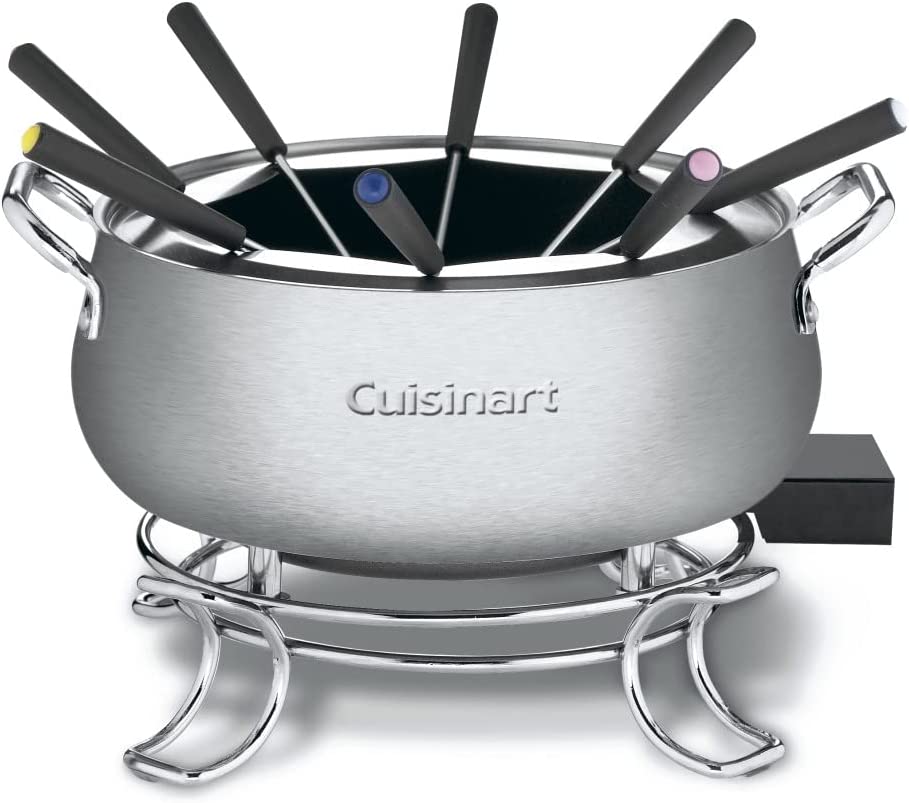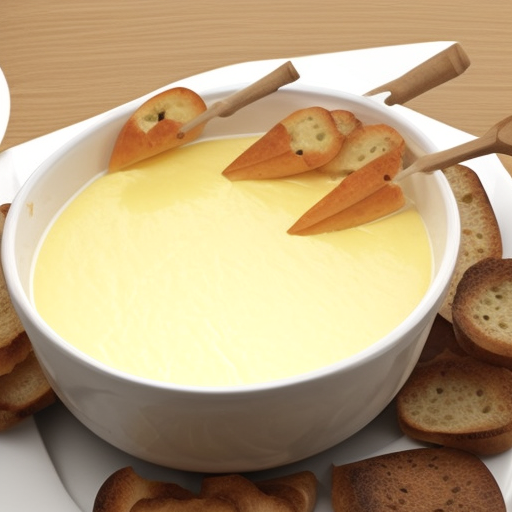
Fondue Pot Maintenance Tips: How To Keep It In Great Condition

The Ultimate Cleaning Guide for Every Fondue Pot Type

Ceramic or Stoneware Pots (Cheese & Chocolate)

Pain Point: Dealing with baked-on, stubborn cheese residue.

Method: The “Warm Water Soak” technique. Never use cold water on a hot ceramic pot.

Unique Tip: For a shiny, stain-free finish, create a paste with baking soda and water, gently scrub, and rinse. This is a natural and effective alternative to harsh chemicals.

Cast Iron Pots (Oil & Broth)

Pain Point: Rust is the enemy. Avoiding it at all costs.

Method: Hand-wash only, dry immediately and thoroughly, and the secret step: re-seasoning.

Unique Tip: After drying, place the clean, dry pot on the stove over low heat for 2-3 minutes to ensure every bit of moisture is evaporated before storage.

Stainless Steel & Enameled Pots

Pain Point: Stubborn oil film and discoloration.

Method: Using mild dish soap and a non-abrasive sponge.

Unique Tip: To remove a cloudy film or light stains, wipe the interior with a cloth dampened with white vinegar, then rinse with water.

Non-Stick Coated Pots

Pain Point: Scratching the delicate surface, ruining the non-stick properties.

Method: Gentle cleaning with soft sponges and avoiding metal utensils at all times.

Proactive Care: Habits for Long-Term Fondue Pot Health

The Golden Rule: Never Shock the Pot

Explain thermal shock (placing a hot pot in cold water or a cold pot on a hot burner) and how it can cause ceramic to crack and metal to warp.

Proper Storage is Key

Store completely dry with the lid off or slightly ajar to prevent moisture and musty odors.

Place a paper towel inside the pot to absorb any ambient moisture.

Keep in a cool, dry place.

Troubleshooting Common Fondue Pot Problems

“My Cast Iron Pot is Rusty. Is It Ruined?”

Answer: No! Explain how to scrub off the rust with a steel wool pad and re-season the pot from scratch to restore its non-stick surface.

“There’s a Stubborn Burnt-On Spot in My Ceramic Pot.”

Answer: Fill the pot with warm water and a few tablespoons of baking soda. Let it simmer on the stove for 10-15 minutes, then let it soak. The burnt bits should lift away easily.

“My Fondue Fuel Burner Won’t Stay Lit.”

Unique Insight: This is often a maintenance issue. Ensure the burner wick is trimmed to 1/8 inch above the metal burner cup and that the air vents are not clogged with old gel fuel or debris. A clean burner is a reliable burner.

Fondue Pot Maintenance FAQ

Can I put my fondue pot in the dishwasher?

Answer: Almost always no. The high heat and harsh detergents can damage ceramics, strip seasoning from cast iron, and dull stainless steel. Hand-washing is the safest bet for longevity.

What should I absolutely avoid cleaning my fondue pot with?

Answer: Avoid abrasive scouring pads, steel wool (except for rust removal on cast iron), and harsh chemical cleaners. They can scratch surfaces and leave behind chemical residues.

How often should I re-season my cast iron fondue pot?

Answer: Re-season it whenever food starts to stick or you notice a dull, dry surface. With proper care (drying and a light oil coat after each use), a full re-seasoning may only be needed once or twice a year.

Is it safe to use metal utensils with my fondue pot?

Answer: It is safe for stainless steel and well-seasoned cast iron. However, you should never use metal utensils with ceramic, non-stick, or enameled pots as they will cause permanent scratches.

Cleaning Method Comparison

Pot Material Recommended Cleaner Tools to Avoid Special Consideration
Ceramic/Stoneware Baking Soda Paste, Warm Water Abrasive Pads, Cold Water on Hot Pot Prone to Thermal Shock
Cast Iron Hot Water, Mild Soap (sparingly) Dishwasher, Prolonged Soaking Must be Dried and Re-oiled Immediately
Stainless Steel/Enamel Mild Dish Soap, Vinegar (for film) Steel Wool, Harsh Chemicals Vinegar restores shine
Non-Stick Mild Dish Soap, Soft Sponge Metal Utensils, Abrasive Cleaners Scratches are permanent

Related Articles

Try Our Free Tool: Use our Fondue Pot Selector to find the perfect fondue pot for your needs.

Healthy Dipping Choices For Chocolate Fondue

Why Your Current Fondue Dippers Need a Healthy Makeover

The Common Pain Points of Traditional Fondue

Traditional fondue dippers like marshmallows and pound cake can lead to a quick sugar rush followed by an energy crash, provide empty calories with little nutritional benefit, and make it easy to overindulge due to their low satiety.

Building Your Ultimate Platter: Categories of Healthy Dipping Choices For Chocolate Fondue

Fresh & Fruity Favorites (The Classic Refreshment)

Strawberries, bananas, and orange segments are timeless choices. For a unique twist, try lightly grilling stone fruits like peaches or nectarines to bring out a caramelized flavor that pairs wonderfully with dark chocolate.

The Crunch Factor (Satisfying Texture without Fried Foods)

Rice cakes and air-popped popcorn offer a satisfying crunch. A unique idea is to use roasted chickpeas tossed with cinnamon—they provide a savory, protein-packed crunch that surprises and delights.

A Touch of Savory (The Unexpected Game-Changer)

Whole wheat pretzel sticks are a great start. For something different, try lightly salted, roasted potato or sweet potato cubes. Their starchy neutrality makes them an ideal base for rich chocolate.

Protein-Powered Picks (For Staying Power)

Apple slices with almond butter add protein and flavor. A unique option is frozen Greek yogurt bites: drop spoonfuls of Greek yogurt onto a baking sheet, add a berry, freeze, and dip for a creamy, protein-rich treat.

Healthy Dipper Showdown: A Quick Comparison Guide

Fresh Fruit vs. Dried Fruit

Type Pros Cons Verdict
Fresh Fruit High water content, more filling, less sugar-dense Can brown if not prepared ahead Better for volume and hydration
Dried Fruit Concentrated flavor, longer shelf life High in sugar and calories Enjoy in small quantities

Angel Food Cake vs. Pound Cake

Type Pros Cons Verdict
Angel Food Cake Fat-free, lower in calories High in sugar and refined carbs Skip for healthier options like rice cakes or roasted sweet potato
Pound Cake Rich, buttery flavor High in fat, sugar, and calories Avoid for a truly healthy fondue

Level Up Your Chocolate, Too!

Choosing the Right Chocolate Foundation

Opt for high-quality dark chocolate (70% cacao or higher) to reduce sugar and increase antioxidants. Use light coconut milk or almond milk instead of heavy cream for a dairy-free, lighter melting base.

Your Healthy Chocolate Fondue FAQs

Can I prepare the dippers ahead of time?

Yes! Cut fruits like apples and pears and soak them in a little orange juice or lemon water to prevent browning. Store all pre-cut dippers in airtight containers in the refrigerator.

What is the best healthy alternative to melted chocolate if I want to avoid it?

Melt a high-cacao dark chocolate bar with a tablespoon of nut butter (such as almond or cashew) and a splash of milk for a richer, protein-enhanced dip that’s still indulgent.

Are there any low-carb dipping options?

Absolutely. Focus on berries like raspberries and blackberries, roasted nuts in moderation, and chunks of coconut meat for a satisfying low-carb fondue experience.

Conclusion: Dip, Savor, and Feel Great

Creating a colorful, nutritious fondue spread allows you to enjoy a sweet treat without guilt. Experiment with the unique twists provided to discover new favorites and make your fondue gatherings both healthy and memorable.


Related Articles

Try Our Free Tool: Use our Fondue Dipping Ingredients Selector to discover the best dippers for your chocolate fondue.

Outdoor Fondue Pots For Camping And Picnics

Elevate Your Adventure: The Complete Guide to Outdoor Fondue Pots For Camping And Picnics

Transform your outdoor meals into interactive culinary adventures. Fondue isn’t just for cozy winter nights indoors—it’s a perfect way to create memorable, shared dining experiences under the open sky. This guide will walk you through everything you need to know to choose and use the perfect outdoor fondue setup for your next picnic or camping trip.

Why Choose a Fondue Pot for Your Outdoor Excursion?

The Social Experience

Fondue naturally brings people together. Gathering around a shared pot encourages conversation, laughter, and connection, turning a simple meal into a memorable social event.

Versatility in a Single Pot

One compact pot can deliver an entire multi-course meal. Start with a savory cheese fondue, move to a main course with broth or oil for cooking meats and vegetables, and finish with a decadent chocolate dessert—all with the same portable equipment.

Compact and Portable Designs

Modern outdoor fondue sets are engineered for adventure. With lightweight materials, nesting components, and carrying cases, they’re surprisingly easy to pack and transport to your favorite outdoor spot.

Key Considerations Before You Buy

Fuel Type: The Heart of Your Setup

The fuel source determines your cooking power, convenience, and safety. Here are the main options:

  • Liquid Fuel (Ethanol/Gel): Offers consistent, flameless heat ideal for relaxed dining. Gel fuel is particularly wind-resistant. However, it provides lower heat output and requires carrying spare fuel cans.
  • Butane/Propane Canisters: Delivers fast, high, and easily adjustable heat, perfect for boiling broth or oil quickly. The main drawback is the need to carry extra, sometimes bulky, fuel canisters.
  • Charcoal: Imparts a unique, smoky flavor and generates very high heat. The trade-off is a longer setup and cooldown time, along with less precise temperature control.

Material and Durability: Built for the Outdoors

Your pot needs to withstand the elements and travel.

  • Stainless Steel: The top choice for durability, corrosion resistance, and easy cleaning. It’s a workhorse for outdoor use.
  • Enameled Cast Iron: Provides superior, even heat retention but is significantly heavier and can chip if knocked against rocks or other hard gear.
  • Lightweight Aluminum: Excellent for keeping your pack light but can react with acidic foods like wine-based cheese fondues, potentially altering the taste.

Stability and Safety Features

Never underestimate the importance of stability on uneven ground. Look for a pot with a wide, heavy base. Heat-resistant handles and secure locking lids for safe transport are also critical features for a worry-free experience.

Comparing Your Outdoor Fondue Options

Liquid Fuel vs. Butane Fondue Sets: A Head-to-Head

Feature Liquid Fuel (Ethanol/Gel) Butane/Propane
Heat Control Low to Moderate High and Easily Adjustable
Wind Resistance Good (especially gel) Fair (requires a wind guard)
Fuel Availability Widely available Widely available
Best For Relaxed picnics, cheese/chocolate fondue Base camping, broth/oil fondue

Verdict: Butane is the winner for power and control, especially for main courses. Liquid fuel excels in simplicity and ambiance, perfect for a leisurely picnic.

Traditional vs. Modern Electric Pots (For Powered Campgrounds)

While not for backcountry trips, a modern electric fondue pot is a fantastic, flameless option if you are at a campsite with a reliable electrical hookup. They offer precise temperature control and eliminate the need to carry fuel.

Pro Tips for a Flawless Outdoor Fondue Experience

The “One-Pot” Meal Strategy

Maximize your pot’s utility. Plan a full meal: start with cheese fondue for appetizers, wipe the pot clean, then use broth or oil for your main course, and finish with a quick clean for chocolate dessert. This streamlined approach simplifies your entire cooking setup outdoors.

Master Your Temperature Control

Here’s a pro tip most people don’t know: For broth or oil fondues, bring your liquid to a rolling boil on your main camp stove first. Then, carefully transfer it to the pre-heated fondue pot. This conserves your specialized fondue fuel for maintaining temperature rather than wasting it on the energy-intensive task of reaching a boil.

Prep is Everything

Do all your chopping and prep work at home. Store pre-cut bread, meats, vegetables, and fruits in separate airtight containers. This minimizes mess, cleanup, and food safety concerns at your campsite.

Essential Safety Must-Dos

  • Always place your fondue pot on a level, stable, and non-flammable surface.
  • Never leave a lit fondue pot unattended, especially around children or pets.
  • Always have a means to extinguish a flame nearby, such as a small fire extinguisher or a large bottle of water.

Frequently Asked Questions (FAQs)

Can I use my indoor fondue pot outside?

Answer: It is not recommended. Indoor electric pots lack the stability and durability for outdoor terrain, and their electrical components are not weatherproof. Ceramic or delicate pots can easily crack from thermal shock or accidental impacts.

What is the best fuel for a windy picnic?

Answer: Butane burners housed within a built-in wind guard offer the best protection. Ethanol/gel fuels also perform well in breezy conditions because the flame is lower and often contained within a burner cup.

How do I clean my outdoor fondue pot at the campsite?

Answer: Allow the pot to cool completely. Use hot water, a small amount of biodegradable soap, and a non-abrasive sponge. For stubborn, burnt-on oil, add a little water to the pot and heat it gently to loosen the residue. Always follow Leave No Trace principles and pack out your wastewater in a designated container.

What are some unique dippers beyond bread and meat?

Answer: Get creative! For cheese fondue, try pretzels, blanched broccoli, or pear slices. For chocolate, experiment with chunks of brownie, strawberries, pineapple, or even potato chips for a surprising sweet-and-salty combination.

Conclusion: Your Next Gathering, Unforgettable

An outdoor fondue pot is more than just cooking gear—it’s an invitation to slow down, connect with your companions, and savor a unique dining experience in nature. With the right knowledge and preparation, you’re ready to elevate your next camping trip or picnic from ordinary to extraordinary. Embrace the adventure and start dipping!


Related Articles

Try Our Free Tool: Use our Fondue Pot Selector to find the perfect fondue pot for your needs.

Stainless Steel Or Ceramic Fondue Pot: Pros And Cons

Introduction to Fondue Pot Materials

Fondue is more than a meal; it’s a social experience centered around a shared pot of delicious, melted goodness. Whether it’s cheese, oil, or chocolate, the heart of this tradition is the fondue pot itself. Choosing the right material isn’t just about aesthetics—it’s about performance, ease of use, and the final result on your plate. The two primary materials you’ll encounter are stainless steel and ceramic (often enameled cast iron). This guide provides a detailed breakdown of the Stainless Steel Or Ceramic Fondue Pot: Pros And Cons to help you make the perfect choice for your table.

The Stainless Steel Fondue Pot: A Modern Workhorse

Stainless steel fondue pots are the champions of modern kitchens, prized for their resilience and efficiency.

Key Advantages of Stainless Steel

  • Unmatched Durability & Longevity: Resists dents, chips, and cracks. Built to last a lifetime.
  • Superior and Rapid Heat Conduction: Heats up quickly and distributes heat evenly, preventing scorching.
  • Incredibly Easy to Clean: Typically dishwasher safe and non-porous, so it won’t absorb odors or flavors from previous fondues.
  • Lightweight and Easy to Handle: Easier to lift, pour, and clean compared to heavier ceramic pots.

Potential Drawbacks of Stainless Steel

  • Less Traditional Aesthetic: Lacks the classic, rustic charm of a ceramic pot.
  • Heat Retention Issues: Can cool down faster if removed from the heat source, making it less ideal for keeping cheese fondue warm at the table without a constant flame.
  • Potential for Hot Handles: Handles can get very hot and often require the use of potholders.

The Ceramic Fondue Pot: A Classic Choice

Ceramic pots, particularly those made from enameled cast iron, are the traditional favorites, offering timeless beauty and exceptional heat management.

Key Advantages of Ceramic (Enameled Cast Iron)

  • Superior Heat Retention: Once hot, it stays hot for a long time, perfect for keeping cheese or chocolate fondue at a consistent, serving-ready temperature.
  • Beautiful, Traditional Presentation: Offers a classic, elegant look that is central to the fondue experience.
  • Excellent for Simmering: The gentle, radiant heat is ideal for delicate fondues like cheese, preventing them from breaking or burning.

Potential Drawbacks of Ceramic

  • Heavy and Fragile: Significantly heavier than steel and can chip or crack if dropped.
  • Slower to Heat Up: Requires more time to reach the desired temperature.
  • More Demanding Cleaning: Often requires hand-washing and can be prone to staining if not cleaned immediately.

Head-to-Head Comparison: Stainless Steel vs. Ceramic

This comparison table highlights the key differences at a glance.

Feature Stainless Steel Ceramic
Best For Oil & Broth Fondue Cheese Fondue
Heat-Up Speed Fast Slow
Heat Retention Poor Excellent
Durability Very High Fragile (can chip)
Weight Light Heavy
Cleaning Easy (often dishwasher safe) Demanding (often hand-wash only)
Induction Cooktop Compatible Often Yes Rarely

Which is Best for Cheese Fondue?

Winner: Ceramic. Its superior heat retention keeps cheese smooth and liquid without continued aggressive heating, which can cause it to separate or become oily.

Which is Best for Oil or Broth Fondue?

Winner: Stainless Steel. Its rapid and responsive heating is crucial for maintaining a consistent, rolling boil necessary for safely and effectively cooking raw meat and vegetables.

Which is Best for Chocolate Fondue?

Winner: Ceramic (with a flame diffuser) or Stainless Steel (on low heat). Ceramic’s gentle, even heat is ideal for preventing scorching. However, a stainless steel pot on a very low, controlled flame can also work perfectly if you are vigilant about stirring.

The Unique Factor: Material and Flavor Interaction

Here’s a piece of fondue lore that many don’t know: the pot’s material can subtly influence the fondue’s flavor profile. High-quality ceramic pots, especially unglazed or well-seasoned ones, can contribute a very slight “earthy” minerality over many uses. Some fondue connoisseurs believe this characteristic enhances the complexity of a traditional cheese fondue, adding a depth of flavor that is part of the authentic experience. In contrast, stainless steel is completely inert and non-reactive. It guarantees a “pure” taste of the ingredients without any external influence, which can be preferable for delicate chocolate or broths where you want nothing to interfere with the primary flavors.

Making Your Final Decision: A Quick Guide

Your choice ultimately boils down to your primary needs and the type of fondue you plan to make most often.

  • Choose Stainless Steel if: You value speed, durability, easy cleaning, and plan to make a lot of oil- or broth-based fondues.
  • Choose Ceramic if: You prioritize a classic presentation, superior heat retention for cheese and chocolate, and don’t mind the extra weight and careful cleaning.

For the ultimate fondue enthusiast who makes all types, owning one of each is not an uncommon solution!

Frequently Asked Questions (FAQs)

Can I use a ceramic fondue pot on an induction cooktop?

Typically, no. Most classic ceramic pots are not induction-compatible unless they have a specific magnetic base plate. Stainless steel pots are far more likely to work on induction cooktops.

Is one material generally more expensive than the other?

Yes, high-quality enameled ceramic (cast iron) pots from reputable brands are often more expensive than their stainless steel counterparts due to the materials and manufacturing process involved.

Can a stainless steel pot work for cheese fondue if it’s all I have?

Absolutely. Use a lower, more controlled flame and stir frequently to prevent hotspots and burning. It’s versatile but requires more attention than a ceramic pot to maintain the perfect consistency.

How do I prevent my chocolate fondue from scorching in any pot?

The best method is to use a double boiler to melt the chocolate gently first, then transfer it to your pre-warmed fondue pot. Never apply direct, high heat to chocolate, as it burns easily.


Related Articles

Try Our Free Tool: Use our Fondue Pot Selector to find the perfect fondue pot for your needs.

Electric Vs. Traditional Fondue Pot: Which One To Choose?

fondue6

Introduction: The Fondue Dilemma

Fondue, the quintessential communal dining experience, has captivated food lovers for generations. Whether it’s dipping crusty bread into melted cheese, savoring tender meat cooked in bubbling broth, or indulging in sweet chocolate-covered treats, fondue brings people together. But when it’s time to choose your equipment, you’re faced with a classic conundrum: Electric Vs. Traditional Fondue Pot: Which One To Choose? This guide will dissect the pros, cons, and ideal scenarios for each, empowering you to make the perfect selection for your kitchen and lifestyle.

Understanding the Core Technologies

The Traditional Fondue Pot (Fuel-Based)

Traditional fondue pots operate using a liquid fuel burner, typically powered by gel ethanol, denatured alcohol, or butane. This method is celebrated for delivering an authentic, rustic fondue experience, reminiscent of its Swiss origins. A key advantage is its portability; since it doesn’t require an electrical outlet, it’s perfect for outdoor gatherings, picnics, or even during a power outage.

The Electric Fondue Pot

Electric fondue pots are the modern answer to fondue making. They plug into a standard wall outlet and use an internal heating element to warm the pot. The standout feature here is precision: most models include a thermostat that allows you to set and maintain an exact temperature, eliminating guesswork and ensuring consistently perfect results, especially for delicate fondues like cheese and chocolate.

Head-to-Head Comparison: Breaking Down the Key Factors

Temperature Control and Consistency

Electric fondue pots excel in this category. With a built-in thermostat, they maintain a steady temperature, preventing cheese from scorching or chocolate from seizing. Traditional pots require manual flame adjustment, which can lead to hot spots and demands constant vigilance to keep the fondue at the ideal consistency.

Ease of Use and Convenience

Electric models are incredibly user-friendly—often a simple matter of plugging in and selecting a temperature. Many feature removable pots for easy cleaning. Traditional pots involve handling flammable fuel, lighting the burner, and adjusting the flame, which can be intimidating for beginners and less convenient for quick, casual fondue nights.

Versatility and Fondue Types

Fondue Type Electric Pot Traditional Pot
Cheese Fondue Excellent (low, consistent heat) Good (requires careful flame control)
Chocolate Fondue Excellent (prevents burning) Fair (high risk of scorching)
Oil/Broth Fondue Poor (most can’t reach high temps) Excellent (achieves and maintains high heat)

Portability and Ambiance

Traditional pots are unbeatable for portability, making them ideal for outdoor events. They also provide a charming, flickering flame that enhances the dining ambiance. Electric pots are tethered to an outlet, limiting their use to indoor settings, and offer a more modern, functional aesthetic.

Safety Considerations

Electric fondue pots are generally safer, featuring cool-touch exteriors, no open flames, and often auto-shutoff functions. This makes them a better choice for households with children or pets. Traditional pots require careful handling of fuel and an open flame, necessitating a stable, non-flammable surface and constant supervision.

The Unique Factor: What You Might Not Know

The Material Matters More Than You Think

While the heat source is crucial, the pot’s material—ceramic, cast iron, or stainless steel—plays a significant role in heat distribution and retention. Ceramic is excellent for even, low heat (ideal for cheese), while cast iron retains heat superbly, making it great for oil fondues. A little-known tip: high-end traditional cast iron pots can be pre-heated on an electric stove. This hybrid technique allows you to use the stove’s powerful heat for initial melting or boiling, then transfer the pot to its stand for a portable, flame-heated serving. It’s the best of both worlds for enthusiasts seeking optimal performance.

Who Should Choose Which? A Quick Guide

Choose an Electric Fondue Pot If…

  • You are new to fondue and value simplicity.
  • Your primary interest is cheese or chocolate fondue.
  • Safety and “set-it-and-forget-it” operation are priorities.
  • You typically host indoor gatherings.

Choose a Traditional Fondue Pot If…

  • You cherish the authentic, rustic experience and ambiance.
  • You frequently prepare oil or broth-based fondues.
  • You need a portable option for outdoor dining or parties.
  • You are an experienced fondue lover who enjoys the hands-on ritual.

Frequently Asked Questions (FAQs)

Can you use a traditional fondue pot indoors?

Yes, but it must be in a very well-ventilated area to avoid the buildup of fumes from the fuel. Always ensure proper airflow to maintain safety.

Are electric fondue pots good for meat fondue?

Most standard electric models cannot reach the high temperatures required for oil fondue. However, specific “multi-course” or high-wattage electric fondue pots are designed for this purpose and can be effective.

Which type is easier to clean?

Electric pots typically have non-stick, removable inserts that are dishwasher safe, making clean-up significantly easier than traditional pots, which often have fixed components and may require hand washing.

Is one option more cost-effective than the other?

Traditional pots often have a lower initial purchase price, but you’ll have ongoing costs for fuel. Electric pots usually cost more upfront but operate on household electricity, which may be more economical over time, depending on your usage.

Final Verdict: Electric Vs. Traditional Fondue Pot: Which One To Choose?

Your choice between an electric and traditional fondue pot ultimately hinges on your personal preferences, the types of fondue you plan to make, and your hosting environment. If you prioritize convenience, safety, and perfect temperature control for cheese or chocolate, an electric pot is your best bet. If you value portability, authentic ambiance, and the ability to cook with oil or broth, a traditional pot will serve you well. Consider the factors of temperature control, safety, versatility, and ambiance to select the ideal fondue pot for creating memorable gatherings with family and friends.


Related Articles

Try Our Free Tool: Use our Fondue Recipe Generator to generate a custom fondue recipe tailored to your taste.

Special Features To Look For In A Fondue Pot: Dipping Forks, Adjustable Heat

cuisinart fondue maker review

Beyond the Pot: The Must-Have Features for Perfect Fondue

Fondue is more than a meal; it’s a social and culinary experience. The right equipment, specifically a pot with key features, is the difference between a fun party and a culinary disaster. To ensure your cheese stays smooth and your chocolate doesn’t burn, understanding the Special Features To Look For In A Fondue Pot: Dipping Forks, Adjustable Heat is the first step to success.

The Heart of the Matter: Mastering Adjustable Heat

Precise temperature control is non-negotiable for different types of fondue. It’s the feature that prevents culinary mishaps and ensures every dip is perfect.

Why Precise Temperature is Everything

Pain Point: Burnt cheese, scorched chocolate, or oil that’s not hot enough for cooking meat, leading to unsafe food and a disappointing experience.

The Solution (Adjustable Heat): A good thermostat or flame control prevents these issues by providing the right amount of heat for each fondue type.

  • Cheese Fondue: Requires low, consistent heat to stay emulsified and prevent separation.
  • Chocolate Fondue: Needs very low heat to avoid seizing and becoming grainy.
  • Broth/Oil Fondue: Requires high, stable heat to cook meat and seafood safely and efficiently.

Types of Heating Mechanisms

Type Pros Cons Best For
Electric Fondue Pots Superior adjustable heat, digital controls, preset temperatures, consistent performance. Requires an outlet, less portable. All fondue types, especially cheese and chocolate.
Gel Fuel / Alcohol Burners Portable, classic fondue experience, no cord. Manual flame control, challenging to maintain consistent low heat. Broth and oil fondues where high heat is key.
Induction Cooktops + Dedicated Pot Highly efficient, precise digital control, fast heating. Requires a specific induction-compatible pot and cooktop. The modern enthusiast who values speed and precision.

Unique Insight: The “Simmer Zone” Test

A high-quality pot with excellent heat distribution will have a wide “simmer zone.” This means the fondue bubbles gently across the entire surface, not just in one hot spot directly over the flame. This prevents burning in the center while the edges remain cool, ensuring a consistently perfect texture throughout your fondue.

Your Tools of the Trade: A Deep Dive into Dipping Forks

Fondue forks are not an afterthought; they are a critical safety and functionality feature designed specifically for the task.

Anatomy of the Perfect Fondue Fork

Pain Point: Forks that are too short (risking burned fingers), food that slips off, or handles that become too hot to hold.

The Solution (Well-Designed Forks): The ideal fork is engineered for the job.

  • Long Length: Keeps hands safely away from the hot pot and burner.
  • Color-Coded Handles: Essential for a group to identify their fork, avoiding double-dipping confusion.
  • Heat-Resistant Handles: Prevents burns from the part of the fork that rests on the pot’s edge.
  • Effective Tines/Prongs: Hooked ends or two-prong designs securely hold bread, meat, and fruit.

Material Matters: Stainless Steel vs. Other Metals

Material Pros Cons
Stainless Steel Durable, non-reactive (won’t alter food taste), rust-resistant, easy to clean. Can be more expensive.
Chrome-Plated or Other Metals Often less expensive. Can chip, rust, or react with acidic foods over time.

Unique Insight: The “Resting Hook” Design

Look for forks with a pronounced hook at the end of the handle. This isn’t just for aesthetics; it’s a functional design to rest securely on the edge of the pot. This prevents the handle from sliding into the fondue and stops the fork’s handle from overheating. A poorly balanced fork without this feature can be a constant nuisance and a safety hazard during your meal.

Putting It All Together: Your Fondue Feature Checklist

Beyond the two main features, here is a complete checklist for your perfect fondue pot:

  • Non-Stick Interior: A game-changer for easy cleaning, especially with sticky cheese fondues.
  • Pot Material: Ceramic for cheese/chocolate (excellent heat retention), metal for oil/broth (high heat tolerance).
  • Stability: A wide, sturdy base is crucial to prevent dangerous tipping.
  • Number of Forks: Typically 6-8; ensure there are enough for your usual guest count, with a couple of extras being ideal.

Frequently Asked Questions (FAQs)

Can I use regular forks if I lose the fondue forks?

No, it is not recommended and can be unsafe. Regular forks are too short, presenting a burn risk. Their metal handles will conduct heat and become too hot to hold, and they lack the hooked end to rest securely on the pot, making them likely to fall into the hot fondue.

What’s the ideal number of dipping forks?

Most quality sets come with 6-8 forks, which is perfect for a standard fondue party. A good rule of thumb is to have at least two forks per person. This allows one fork to be cooling down while the other is in use, making the process more efficient and comfortable for your guests.

My electric fondue pot only has “Low” and “High” settings. Is that sufficient?

It is workable but not ideal. You will need to monitor it very closely. “Low” can usually be used for chocolate if you stir frequently to distribute heat, and “High” is suitable for oil or broth. For delicate cheese fondues that require a very specific, steady temperature, a pot with more granular control (like a thermostat dial) is highly recommended.

Are there fondue pots that are good for both cheese and oil?

Yes, multi-purpose fondue sets are an excellent investment. These often include a single heating base with interchangeable pots—typically a metal pot for oil/broth fondue and a ceramic insert for cheese/chocolate. This versatility means one appliance can handle your entire fondue menu.

Conclusion: Dip with Confidence

By prioritizing these two special features to look for in a fondue pot: dipping forks, adjustable heat, you are investing in countless successful and stress-free fondue experiences. This knowledge transforms the fondue pot from a simple novelty item into a reliable and essential kitchen tool. Use this guide to find your perfect pot and host memorable gatherings with confidence.


Related Articles

Try Our Free Tool: Use our Fondue Dipping Ingredients Selector to find the perfect dipping combinations for your fondue.

Best Cheese Combinations for Fondue: A Guide to Delicious Melts

cheese fondue

The Foundation: Why Cheese Blending is Key

Using a single cheese for fondue often leads to disappointment—it might be stringy, oily, or have a one-dimensional flavor. The secret to a perfect fondue lies in creating a balanced blend. Think of it as a “fondue trio”: you need a base cheese for melt, a flavor cheese for character, and a stabilizer for the ideal consistency.

The Melting Powerhouse (The Base)

Cheeses like Gruyère, Emmental, and Fontina are excellent choices. They melt into a smooth, creamy liquid that forms the foundation of your fondue.

The Flavor Bomb (The Punch)

To add depth and complexity, incorporate cheeses like sharp Cheddar, Comté, or aged Gouda. These provide the distinctive taste that makes your fondue memorable.

The Secret Stabilizer (The Key to Perfection)

While cornstarch or flour is commonly used to prevent separation, a little-known trick is to add a small amount of sodium citrate. This modern culinary salt ensures a silky-smooth, never-grainy fondue without relying on wine or starch, revolutionizing the texture for purists.

Classic & Timeless Cheese Combinations

These tried-and-true blends are guaranteed to please any crowd.

The Swiss Classic: Gruyère & Emmental

This combination offers a nutty, slightly sweet, and supremely creamy profile. Perfect with crusty bread, boiled potatoes, or broccoli.

The Alpine Blend: Gruyère, Emmental & Appenzeller

Adding Appenzeller introduces a sharper, more aromatic note. Pair it with cured meats like prosciutto or sweet pear slices for a delightful contrast.

Creative & Adventurous Cheese Blends

For those ready to explore beyond tradition, these innovative combinations offer exciting new flavors.

The Smoky Twist: Smoked Gouda & Fontina

Enjoy a creamy, mild base with a deep smoky undertone. Ideal for dipping apples, smoked sausage, or dark rye bread.

The “Cheddar” Pub Style: Sharp Cheddar & Monterey Jack

A familiar and accessible blend, this combo delivers a hearty flavor. Serve with pretzel bites, cauliflower, or crispy breadcrumbs.

Solving Common Fondue Pain Points

Addressing these frequent issues will ensure your fondue turns out perfectly every time.

“My Cheese is Clumpy or Stringy!”

Cause: Adding cheese too quickly or to overly hot liquid.
Solution: Grate cheese finely, toss with cornstarch, and add gradually over low heat while stirring constantly.

“My Fondue is Too Thick / Too Thin!”

Cause: Incorrect ratio of liquid to cheese.
Solution: For thin fondue, add more cheese or a cornstarch slurry. For thick fondue, whisk in additional warm wine or broth.

“The Fondue Separated and is Oily!”

Cause: Overheating, which causes the fats and proteins to separate.
Solution: Immediately reduce the heat and whisk in a tablespoon of warm lemon juice or cream to re-emulsify the mixture.

Cheese Showdown: Gruyère vs. Cheddar in Fondue

This comparison helps you choose the right cheese for your desired fondue style.

Feature Gruyère (The Classic) Cheddar (The Bold)
Flavor Nutty, complex, slightly salty Sharp, tangy, robust
Melting Quality Excellent, smooth and creamy Can be oily if not blended; best with a “melter” like Fontina
Best For Traditional, elegant fondue Hearty, pub-style fondue
Wine Pairing Dry white wine like Sauvignon Blanc Hard cider or ale

Frequently Asked Questions (FAQs)

Can I use pre-shredded cheese for fondue?

Answer: It’s not recommended. Pre-shredded cheese contains anti-caking agents that can prevent a smooth melt and create a grainy texture. Always shred your own cheese from a block for the best results.

What is the best liquid to use for fondue?

Answer: A dry white wine is classic, as its acidity helps stabilize the cheese. For non-alcoholic options, use high-quality broth (chicken or vegetable) mixed with a squeeze of lemon juice to mimic the acidity.

How do I keep my fondue warm without burning it?

Answer: Use a fondue pot with a tea light or gel fuel burner for low, consistent heat. If using a regular pot on the stove, keep it on the lowest setting and stir frequently to prevent scorching.

What are some unique dippers beyond bread?

Answer: Get creative! Try blanched asparagus, roasted Brussels sprouts, crispy potato wedges, firm fruits like apples and pears, or even soft pretzel pieces for a fun twist.

Mastering the best cheese combinations for fondue is an art of balancing flavor, texture, and melt. Start with a classic blend and then experiment with your own creations. Grab your fondue pot, gather your friends, and get ready to dip into something delicious!


Related Articles

Try Our Free Tool: Use our Fondue Cheese Pairing Guide to discover the best cheese combinations for your fondue.

Making Fondue with Seasonal Ingredients: A Delicious and Cozy Treat

Seasonal Ingredients

Why Seasonal Ingredients Elevate Your Fondue Game

Transform your fondue from a simple dish into a culinary journey that celebrates the rhythm of nature. Using what’s fresh and in-season not only enhances flavor but also brings a deeper connection to your food and community.

Peak Flavor for an Unforgettable Experience

Seasonal produce is harvested at its nutritional and flavorful peak, offering superior taste and texture. Imagine a summer tomato bursting with sweetness or an autumn apple with crisp, tart notes—these elements make your fondue base and dippers truly exceptional.

Supporting Local & Sustainable Practices

Choosing seasonal ingredients often means supporting local farmers and reducing the environmental impact of long-distance food transport. It’s a small step with a big impact on your community and planet.

A Budget-Friendly Gourmet Approach

When produce is in season, it’s abundant and less expensive. This allows you to create a luxurious, gourmet fondue experience without straining your wallet.

Your Seasonal Fondue Menu: A Guide for Every Time of Year

Adapt your fondue to the changing seasons with these inspired ideas that highlight the best of each period.

Spring Awakening: Lighter, Brighter Flavors

Welcome spring with fondue that reflects renewal and freshness. A Gruyère and Fontina cheese fondue accented with dry white wine and fresh herbs like chives or tarragon pairs perfectly with steamed asparagus, baby potatoes, and radishes.

Summer Bounty: Fresh and Vibrant Creations

Embrace the abundance of summer with a light broth fondue for cooking zucchini, bell peppers, and cherry tomatoes. For dessert, try a white chocolate fondue infused with fresh basil or mint, served with strawberries, peaches, and pound cake.

Autumn Harvest: Rich and Earthy Tastes

As the air turns crisp, opt for a rich Cheddar and Emmentaler cheese fondue enhanced with nutmeg and hard cider. Complement it with roasted Brussels sprouts, apple slices, and pretzel bread for a cozy, satisfying meal.

Winter Warmth: Deep and Comforting Combinations

Warm up during the cold months with a dark chocolate fondue spiced with cayenne, orange zest, or bourbon. Serve with clementine segments, dried figs, and gingerbread cookies for a festive treat.

Pain Points Solved by Seasonal Fondue

Address common hosting and cooking challenges with the versatile and thoughtful approach of seasonal fondue.

“I’m Bored of the Same Old Fondue.”

Solution: A seasonal roadmap ensures your fondue is ever-changing and exciting, adapting to the freshest ingredients available each month.

“I Want to Host, But I’m on a Budget.”

Solution: Seasonal shopping is cost-effective, allowing you to create an impressive, varied fondue spread without high costs.

“How Do I Make a Meal Feel Special and Thoughtful?”

Solution: Curating a fondue around the season shows intentionality and care, making any gathering feel personalized and memorable.

Classic vs. Seasonal Fondue: A Quick Comparison

Feature Classic Fondue Seasonal Fondue
Flavor Profile Consistent, traditional Dynamic, changes with the seasons
Ingredient Source Often relies on year-round, shipped produce Prioritizes fresh, local, in-season items
Creativity & Uniqueness Standardized experience Highly customizable and unique to your region and time of year
Cost Can be higher for out-of-season items Generally more budget-friendly

Pro Tips for a Flawless Seasonal Fondue

Elevate your fondue game with these expert suggestions, including a little-known secret for perfect texture.

The Unique Tip: Your Secret Weapon is… Cornstarch!

While many use cornstarch to prevent cheese clumping, a tiny pinch mixed into the cream before adding chocolate ensures a silky-smooth dessert fondue that won’t seize or separate.

Prep is Key

Chop and arrange all dippers before melting your fondue base to maintain a warm, inviting pot and avoid last-minute chaos.

Balance Your Dippers

Combine a variety of textures and flavors—crunchy (like apples or bread), soft (like potatoes or pears), savory, and sweet—for a well-rounded fondue experience.

Frequently Asked Questions (FAQs)

Get answers to common questions to ensure your seasonal fondue is a success.

Can I make fondue without a special fondue pot?

Yes! Use a heavy-bottomed saucepan on low heat, then transfer to a pre-warmed slow cooker set to “warm” for serving.

My cheese fondue is too thick/too thin. How can I fix it?

Too Thick: Whisk in additional warm liquid (wine, broth, or cream).
Too Thin: Create a cornstarch slurry with cold wine or water, whisk into the fondue, and simmer briefly to thicken.

What are some unique seasonal ingredients I might not have thought of?

Consider adding roasted garlic puree to autumn cheese fondue or infusing chocolate with fresh rosemary in winter. These subtle twists can elevate your fondue uniquely.

How do I keep my dessert fondue from being too sweet?

Use high-quality dark chocolate (70% cocoa) as a base, and add a pinch of sea salt or a splash of tart liqueur like Chambord to balance the sweetness.

Conclusion: Your Cozy, Seasonal Adventure Awaits

Embrace the joy of making fondue with seasonal ingredients as a way to celebrate coziness, connection, and the ever-changing tapestry of nature. Visit your local market, pick what’s fresh, and create a delicious, memorable treat that delights all year round.


Related Articles

Try Our Free Tool: Use our Fondue Pot Selector to find the best fondue pot for easy maintenance.

The Perfect Wine Pairing for Cheese Fondue

Wine and Fondue

Why Your Wine Choice for Fondue Matters

Selecting the right wine isn’t just about preference; it’s about chemistry. The wrong choice can turn a cozy, indulgent meal into a disappointing experience. The fat in cheese, the acidity in wine, and the tannins in reds all interact on your palate, making the pairing crucial for enjoyment.

The Common Pain Points of a Bad Pairing

  • The wine overpowers the delicate cheese flavors: A bold, oaky wine can mask the nuanced taste of Gruyère or Emmental.
  • Tannic reds clash with the fat, creating a metallic taste: This is a classic mistake that leaves an unpleasant, astringent feeling in your mouth.
  • An overly sweet wine makes the fondue cloying: Sweetness competes with the savory richness, resulting in a heavy, unbalanced flavor profile.
  • The ultimate disappointment: a ruined cozy meal: Fondue is about comfort and sharing; a bad wine pairing can undermine the entire experience.

The Golden Rule of The Perfect Wine Pairing for Cheese Fondue

The age-old adage, “What grows together, goes together,” is your best guide. Classic Swiss and French fondue cheeses like Gruyère and Emmental hail from regions that also produce wines specifically suited to complement them. An insider’s secret: the most harmonious pairing often involves drinking the same type of wine that you use in the fondue recipe itself, creating a seamless flavor bridge.

Top Wine Contenders for Your Cheese Fondue

The Classic White Wine Champion: Dry & Crisp

White wines with high acidity are the traditional and safest choice, as they cut through the fat and refresh the palate.

  • Sauvignon Blanc: Its zesty acidity and notes of citrus and grass act as a perfect counterbalance to the richness.
  • Dry Riesling (Trocken): Offers vibrant acidity with subtle stone fruit flavors, without any distracting sweetness.
  • Chasselas (Fendant): The insider’s choice. This is the traditional Swiss wine used in and served with fondue. It’s light, slightly effervescent (“spritzy”), and has a distinct minerality that makes it the quintessential pairing.
  • Pinot Gris (Alsace style): A fuller-bodied white with sufficient acidity and a clean, dry finish.

The Surprising Red Wine Option: Light & Fruity

While white is king, certain reds can work if you choose carefully. The key is low tannins and high fruitiness.

  • Gamay (Beaujolais): With its low tannins and bright, juicy flavors of red cherry and raspberry, it’s a fantastic and friendly red option.
  • Pinot Noir: A light-bodied red with high acidity and red fruit notes can work beautifully, especially if served slightly chilled to emphasize its crispness.

Wines to Avoid: Bold, tannic reds like Cabernet Sauvignon, Syrah, or Malbec will clash harshly with the cheese.

The Unique & Bubbly Wildcard

Don’t overlook sparkling wines and rosés for a fun and effective pairing.

  • Dry Sparkling Wines (Brut Champagne, Crémant): The bubbles and high acidity act as a superb palate cleanser, scrubbing away the richness with every sip.
  • Rosé (Dry Provencal style): This versatile option combines the acidity of a white wine with the subtle berry notes of a red, making it a modern and crowd-pleasing choice.

Comparison: White vs. Red Wine with Cheese Fondue

Feature White Wine Light Red Wine
Best For Traditional, purist pairings Heartier fondues or red wine lovers
Effect Cleanses the palate Complements with fruitiness
Risk Factor Low Medium (must choose the *right* red)
Example Sauvignon Blanc, Chasselas Gamay, Pinot Noir

Beyond the Bottle: What to Drink If You Don’t Like Wine

Fondue is for everyone, and excellent non-alcoholic pairings exist that follow the same principles of cutting richness and complementing flavor.

Excellent Non-Alcoholic & Other Pairings

  • Apple Cider (Hard or Non-Alcoholic): The sharp, autumnal flavor and slight sweetness are a natural partner for cheese.
  • Herbal Tea: A warm cup of peppermint or chamomile tea can be surprisingly soothing and effective at cutting through the fat.
  • Light Lager or Wheat Beer: The carbonation and crisp, clean finish work similarly to a sparkling wine, resetting your palate between bites.

Frequently Asked Questions (FAQs)

Can I use the same wine in the fondue that I’m drinking?

Answer: Absolutely! This is the best way to guarantee a harmonious pairing. If you cook with a crisp, dry white like Sauvignon Blanc, drinking the same wine ensures the flavors are in perfect sync.

What if my fondue has a unique cheese, like a strong blue cheese?

Answer: Adjust your pairing to match the intensity. A sweeter wine like Sauternes or a fortified wine like Port can stand up to the bold, salty, and pungent flavors of blue cheese, creating a classic and decadent combination.

Is there a single, safest wine choice for most cheese fondues?

Answer: Yes. A dry, unoaked Sauvignon Blanc or a Swiss Chasselas is your most versatile and foolproof bet for a classic Gruyère-based fondue. Their high acidity and neutral profile make them incredibly food-friendly.

Does the temperature of the wine matter?

Answer: Yes, and this is a pro-tip many forget. Serve white and sparkling wines well-chilled (45-50°F / 7-10°C) and light reds slightly cooler than room temperature (55°F / 13°C). A cold temperature enhances acidity and refreshment, which is crucial for balancing the rich, warm fondue.


Related Articles

Try Our Free Tool: Use our Fondue Cheese Pairing Guide to discover the best cheese combinations for your fondue.

Affiliate Disclosure: FondueCooking.com is a participant in the Amazon Services LLC Associates Program, an affiliate advertising program designed to provide a means for sites to earn advertising fees by advertising and linking to Amazon.com. As an Amazon Associate we earn from qualifying purchases. Learn more