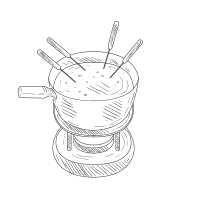
Valentine’s Day Fondue Menu: Aphrodisiac Ingredients and Romantic Themes


The Art of Edible Romance

Imagine a Valentine’s evening defined not by a rushed reservation or a predictable plate, but by a shared, interactive feast. The cliché of an overpriced, impersonal dinner often leaves you feeling disconnected. The true magic of the evening lies in creation and connection. This is where fondue becomes your most powerful tool. It transforms a meal into an experience—a playful, intimate ritual built for two. Mastering your Valentine’s Day Fondue Menu: Aphrodisiac Ingredients and Romantic Themes is the key to unlocking an evening of profound sensory pleasure and unforgettable romance.

Foundational Choices: Setting the Stage for Seduction

Your initial decisions form the bedrock of the evening. The right equipment and ambiance are not mere details; they are the framework for intimacy.

Selecting Your Fondue Vessel & Fuel

Your pot dictates the menu’s flow. A classic ceramic or cast iron pot is ideal for cheese, retaining gentle, even heat. A sleek chocolate fountain offers dramatic flair for dessert but requires more setup. For ultimate versatility, a multi-purpose set with a stainless steel insert for broth and oil, and a ceramic bowl for chocolate and cheese, is the expert’s choice. For fuel, gel cans offer portability, but electric fondue pots provide precise, consistent temperature control—the superior choice for a stress-free evening.

Crafting the Ambiance: The “Where” and “How”

Location is everything. Choose a low table or clear your dining surface completely. Use dim lighting—dimmable lamps or numerous candles—to cast a flattering glow. Arrange seating side-by-side or at a corner to encourage closeness. Create a dedicated “dipping station” with all ingredients within easy reach, minimizing clutter and maximizing the flow of conversation and touch.

The Aphrodisiac Pantry: A Curated Ingredient Guide

Aphrodisiacs work through history, symbolism, and sensory science. They intrigue the mind and delight the senses. Curate your menu with these ingredients to craft a narrative of allure.

Ingredient Category Key Aphrodisiac Options Romantic Characteristics & Pairing Notes
Chocolate Dark (70%+), Raw Cacao Nibs Rich in phenylethylamine, a mood-lifting compound. Pair with orange zest, chili, or sea salt to create complex, conversation-starting flavors.
Spices & Herbs Saffron, Cardamom, Ginseng, Basil Saffron offers a luxurious golden hue and subtle flavor. Cardamom and ginseng add warming, exotic notes. Fresh basil brings a bright, fragrant finish to savory fondues.
Fruits & Nuts Strawberries, Figs, Almonds, Pine Nuts Strawberries and figs are sensual in shape and sweetness. Almonds are symbols of fertility. Lightly toast nuts to intensify their aroma and flavor for dipping.
Savory Luxuries Truffle (oil or salt), Oysters, Asparagus Truffle provides an intoxicating, earthy aroma. Oysters, classic and briny, can be chopped into a broth fondue. Asparagus spears are perfect dippers with suggestive elegance.

The Core System: Building Your Three-Course Fondue Narrative

Frame your menu as a romantic story in three acts. This progression builds anticipation and engages all the senses.

Act I – The Savory Seduction (Cheese Fondue)

Begin with rich, creamy intrigue. Use a base of traditional Swiss cheeses like Gruyère and Emmental for superior melt. Elevate it with a pinch of saffron threads for color and mystery, or a few drops of truffle oil for depth. A dash of nutmeg or a splash of crisp, local apple brandy instead of white wine adds warmth. For dippers, move beyond bread. Offer blanched asparagus spears, steamed artichoke hearts, and crisp apple slices. Each bite should invite conversation and discovery.

Act II – The Passionate Pause (Broth or Oil Fondue)

This act is interactive, playful, and light. A seasoned broth (think ginger, star anise, and lemongrass) is healthier and creates a fragrant steam. A high-heat oil like peanut or grapeseed offers crispier results. The magic is in the shared cooking. Provide luxe, bite-sized proteins: filet mignon, plump scallops, and shrimp. Include mushrooms and baby bok choy. The act of cooking for each other—offering a perfectly done morsel—is inherently intimate and engaging.

Act III – The Decadent Finale (Chocolate Fondue)

End with silky, luxurious decadence. Use high-quality dark chocolate. For a perfectly smooth texture, chop the chocolate finely and melt it gently with warm cream in a double boiler, stirring constantly. Avoid high heat. Flavor it with a pinch of espresso powder or a drop of orange blossom water. Present an artful array of dippers: ripe strawberries, fresh figs, mango chunks, and cubes of pound cake. Garnish the pot itself with edible rose petals or a dusting of edible gold for a breathtaking finish.

Advanced Practices: Elevating the Experience

Mastery lies in the details that engage every sense and create a fully immersive world.

Thematic Pairing: Drinks & Music

Pair each course deliberately. A dry Riesling or crisp Sauvignon Blanc cuts through the richness of cheese fondue. For the broth course, a light Pinot Noir or a ginger-infused cocktail complements savory flavors. With chocolate, offer a glass of Champagne or a ruby Port. Curate a playlist that mirrors your menu’s arc: start with upbeat, familiar tunes during setup, transition to smooth jazz or bossa nova during the meal, and end with intimate, low-tempo tracks for dessert.

Sensory Details for Full Immersion

Consider texture: use linen napkins and chill your fondue fork handles for a refreshing contrast. Engage smell with scented candles in vanilla or sandalwood, placed safely away from the food. Visually, coordinate colors—use a red table runner, white plates, and green herb garnishes to create a feast for the eyes before the first bite is taken.

Threat Management: Avoiding Romantic Pitfalls

Adopt a proactive stance. Your best defense is impeccable preparation, known in professional kitchens as mise en place. Have every ingredient pre-cut, measured, and arranged before your partner arrives. This eliminates frantic searching and lets you be fully present. For common interventions, have a tiered plan. If chocolate seizes, whisk in a tablespoon of warm cream. If cheese fondue separates, a squeeze of lemon juice or a cornstarch slurry can bring it back. An awkward pause is best filled by offering a dipped morsel—a simple, graceful act that refocuses on connection.

Your Countdown to Romance

Follow this timeline to execute your evening with the calm confidence of a master.

Timeline Primary Tasks Focus Goal
1 Week Before Secure your fondue set. Plan your full three-course menu and shopping list. Test your music playlist. Eliminate last-minute decisions and ensure equipment readiness.
2 Days Before Shop for all non-perishable items: chocolates, cheeses, oils, wines, spices. Charge any electronic devices for music. Assemble your core pantry and minimize day-of stress.
Day Of Shop for fresh dippers, proteins, and flowers. Chill champagne. Pre-cut all dippers and store them covered in the fridge. Secure peak freshness and complete all prep work.
1 Hour Before Set the table fully. Arrange all prepped ingredients on platters. Light candles. Start your opening playlist. Melt your first course. Create a complete atmosphere of welcome and anticipation.

Crafting a Cherished Tradition

The power of this evening lies in the thoughtful creation of a shared ritual. You move from selecting a pot to sharing the last chocolate-dipped strawberry in a seamless flow of connection. This is the transformation: a meal becomes a memory. A Valentine’s Day Fondue Menu built on aphrodisiac ingredients and romantic themes does more than satiate hunger. It creates a personalized language of love, a joyful tradition that deepens your bond with every delicious, interactive bite. The profound satisfaction comes not just from the food, but from crafting an experience that celebrates your unique connection.


Related Articles

Try Our Free Tool: Use our Fondue Party Planner to plan your seasonal fondue gathering with a custom checklist and timeline.

Fall Harvest Fondue: Pumpkin and Apple Cider Cheese Recipes


Fall Harvest Fondue: Pumpkin and Apple Cider Cheese Recipes – Your Guide to the Ultimate Autumn Centerpiece

You’ve assembled the perfect autumn gathering. The air is crisp, the company is warm, but the centerpiece dish falls flat. It’s a bland, oily puddle or a thick, gluey mass. The conversation turns polite, the dippers abandoned. This disappointment is the exact opposite of the culinary triumph you envision: a communal pot of luxuriously smooth, aromatic cheese, perfectly balanced between rich decadence and the bright, spiced soul of the season. That triumph is not a matter of luck. It is the direct result of mastering a simple, profound harmony. Mastering the art of the Fall Harvest Fondue—specifically, the pumpkin and apple cider cheese iteration—is your key to creating an unforgettable, seasonally-perfect experience. It transforms a simple meal into the heart of your harvest table.

Foundational Choices: The “Hardware” of Your Fondue

Every masterpiece requires the right tools and materials. Your fondue’s fate is sealed by your initial choices in equipment and core ingredients. This foundation determines whether your creation is silky and stable or broken and disappointing.

Vessel and Heat Source Selection

Consistent, gentle, indirect heat is non-negotiable. A classic ceramic caquelon over a tea light or alcohol burner offers tradition and beautiful presentation but demands vigilance; it’s best for maintaining an already-perfect fondue. For the critical melting phase, a heavy-bottomed saucepan on the stove provides superior control. An electric fondue pot with an adjustable thermostat is the modern workhorse, offering set-and-forget temperature regulation. Choose based on your priority: ultimate control (stove-top to classic pot) or consistent maintenance (electric pot).

The Core Flavor Components

The holy trinity of fondue is cheese, liquid, and acid. For this autumn version, two ingredients are sacrosanct. You must use 100% pure pumpkin puree, not pumpkin pie filling, which contains sugars and spices that will throw your careful balance into chaos. For the liquid base, fresh, high-quality apple cider (preferably unfiltered) is essential. Its natural sweetness and acidity are the backbone of the flavor profile. Reduce it by one-third before use to concentrate flavor and eliminate excess water that can cause a thin, weak fondue.

Cheese and Thickener Breakdown

Selecting the right cheese blend is the art within the science. Each brings a key characteristic to the emulsion. Always grate your own cheese; pre-shredded bags contain anti-caking agents that can ruin the texture. Furthermore, you must toss the grated cheese with your chosen thickener before adding it to the warm liquid. This simple step prevents the proteins from clumping into a rubbery ball.

Component Category Options Key Characteristics
Primary Cheese Gruyère, Emmental, Fontina, Sharp White Cheddar Gruyère offers essential nutty depth. Fontina is supremely creamy and melty. Sharp Cheddar introduces a welcome tang. A blend (e.g., 2 parts Gruyère to 1 part Fontina and 1 part Cheddar) creates a complex, stable foundation.
Liquid Base Hard Apple Cider, Dry White Wine, Non-Alcoholic Apple Cider Hard cider is the ideal choice for this recipe, reinforcing the apple theme and providing necessary acidity. Dry white wine (like Sauvignon Blanc) is a classic, sharp alternative. For a non-alcoholic version, use reduced fresh cider with a teaspoon of lemon juice added for acidity.
Thickener Cornstarch, All-Purpose Flour Cornstarch is superior for fondue. It creates a glossier, more stable emulsion that holds well over time. Use one tablespoon per pound of cheese. Toss thoroughly until every strand is lightly coated.

The Core System: Mastering the Melt and Emulsion

A perfect fondue is not merely melted cheese; it is a stable, creamy emulsion of fat, protein, and liquid. Managing this system requires understanding three control variables. Ignore them at your peril.

Control Variable 1: Temperature

The ideal temperature is a constant, low simmer where a few lazy bubbles break the surface. Exceeding this range is the most common error. High heat causes the proteins to tighten violently, squeezing out fat and resulting in a broken, greasy pool. Heat that is too low yields a thick, gluey, and unappetizing mass. Your method: always begin melting in a double boiler or heavy saucepan over medium-low heat. This provides gentle, even warmth. Only transfer to your serving fondue pot once the emulsion is perfectly achieved.

Control Variable 2: Acid and Moisture Balance

The acid in your cider or wine is not just for flavor. It chemically alters the cheese proteins, keeping them smooth and preventing them from binding into long, stringy threads. This is why you must add the cheese to the warm, acidic liquid, not the other way around. The pumpkin puree adds wonderful flavor and body, but it is also a source of moisture. This is why pre-reducing your cider and cooking the pumpkin with the aromatics for a minute is critical—it drives off excess water and concentrates flavor, protecting your emulsion’s integrity.

Control Variable 3: The Stir

Technique is everything. A haphazard stir creates hot spots and uneven melting. From the moment the first handful of cheese hits the warm liquid, you must employ a constant, gentle, figure-eight motion with a wooden spoon or silicone spatula. This pattern ensures even heat distribution and coaxes the cheese into a homogeneous, velvety blend. Do not rush. Add the cheese in small handfuls, allowing each to melt fully before adding the next.

Advanced Practices: Flavor Optimization and Dipper Strategy

With the core system mastered, you now elevate your fondue from technically correct to memorably exquisite. This is where personal artistry meets seasonal celebration.

Flavor Layering and Aromatics

Do not simply add spices at the end. For depth, bloom your dry spices (a pinch of freshly grated nutmeg, a half teaspoon of dry mustard, a whisper of cayenne) in the warm, reduced cider for 60 seconds before adding the cheese. This unlocks their volatile oils and toasts their flavors, embedding them into the foundation. For the finishing aromatic touch, stir in a tablespoon of brandy, calvados, or even a dark spiced rum off the heat. The alcohol vapor carries the scent directly to your guests, completing the sensory experience.

The Dipper Ecosystem

The dipper platter should be a considered composition, designed to cut through richness and provide textural contrast. Move far beyond simple bread. Think in categories: The Foundation (day-old, crusty sourdough or baguette cubes, which hold up well). The Crisp Contrast (blanched or roasted broccoli florets, cauliflower, Brussels sprout halves). The Sweet Relief (firm apple slices, like Honeycrisp or Granny Smith, and soft pretzel bites). The Savory Anchor (cooked, cubed ham, smoked sausage, or seared steak tips). This variety ensures every dip is a new discovery.

Threat Management: Saving and Reviving Your Fondue

A master is proactive, not reactive. Adherence to the core system prevents most disasters. The cardinal rules are low heat, pre-tossed cheese, and gradual addition. However, even experts face challenges. Here is your tiered response plan.

Prevention is Primary: Keep your heat source low. Never leave the fondue unattended while melting. Ensure every shred of cheese is coated in cornstarch.

Intervention – The Tiered Response:

  • Scenario: Too Thick. The fondue is becoming a paste. Solution: Immediately whisk in a small splash (a tablespoon or two) of warmed cider, wine, or even whole milk. Incorporate fully.
  • Scenario: Beginning to Separate. An oily sheen appears around the edges. Solution: Immediately remove the pot from the heat. Vigorously whisk in 1-2 teaspoons of fresh lemon juice or a slurry of 1 teaspoon cornstarch mixed with 1 tablespoon of cold cider. The added acid or starch can often re-emulsify the fats.
  • Scenario: “Seized” or Grainy. The cheese has broken into tight, grainy curds. Solution: This is often a point of no return. As a last resort, try using an immersion blender with a tablespoon of hot cream. This may salvage it into a passable sauce, but the texture will not be perfect fondue.

The Action Plan: A Seasonal Fondue Timeline

Execution under pressure leads to mistakes. This practical roadmap removes the guesswork and lets you focus on hosting.

Phase Primary Tasks What to Focus On
Prep (Day Before/Morning Of) Grate all cheese; toss thoroughly with cornstarch. Store in a sealed container. Reduce apple cider by one-third. Prepare all dippers; store in separate containers. Mise en place. Your success depends on this preparation. Concentrating the cider flavor is a critical, passive step.
Hour Before Serving Set up the fondue station with pot, burner, fuel, and serving platters. Warm plates or bowls for dippers in a low oven. Creating an inviting, functional presentation area. Warm serving dishes keep the fondue from cooling too quickly on cold dippers.
The Melt (15 Min Before Guests Dip) On the stove, use your double-boiler method. Warm the reduced cider with bloomed spices. Add cheese in handfuls, stirring in a constant figure-eight until luxuriously creamy. Whisk in pumpkin puree until fully incorporated. Achieving the perfect, stable emulsion in the controlled environment of your stove. This is your moment of focused craftsmanship.
Service & Enjoyment Transfer the completed fondue to your serving pot. Adjust the fondue burner to maintain the gentlest possible bubble. Light the candle, gather your guests, and begin. Maintaining temperature and fostering the communal, joyful ritual of shared dining. Your work is done; now, savor.

The journey from concept to centerpiece is a masterclass in balance. It begins with the deliberate selection of hardware and the uncompromising quality of pumpkin and cider. It proceeds through the precise, scientific management of temperature and emulsion. It culminates in the artful layering of spice and the strategic composition of the dipper platter. When you master this process, you achieve more than a dish. You create the warm, aromatic, beating heart of the harvest table—a personal celebration of autumn that draws people together. The profound satisfaction of that moment, of watching friends and family gather around a pot of your own impeccable creation, is the unparalleled joy of this culinary mastery. It doesn’t just feed the body; it enriches the season.


Related Articles

Try Our Free Tool: Use our Fondue Party Planner to plan your seasonal fondue gathering with a custom checklist and timeline.

Summer BBQ Fondue: Grilled Meats and Outdoor Fondue Ideas


Master the Ultimate Summer BBQ Fondue: Grilled Meats and Outdoor Fondue Ideas

You know the scene. The grill is fired up, the smoke smells incredible, but you’re anchored to it, playing short-order cook while your guests’ plates fill with items cooked at different times. The sides are wilting, and the experience, while fun, feels fragmented. Now, imagine a different kind of gathering. One where the grill produces perfectly cooked, succulent proteins that become the stars of an interactive, communal feast. Where the host is part of the party, guiding friends and family through a luxurious, dip-centric experience under the open sky. This is the transformative power of Summer BBQ Fondue—a seamless fusion of primal grilling and elegant, shared dining. Mastering this fusion is your key to becoming the undisputed champion of outdoor entertaining, creating memorable, chef-driven gatherings that elevate the backyard BBQ into an event.

Foundational Choices: The Fondue “Command Center”

Your equipment forms the non-negotiable foundation for a smooth, safe, and spectacular event. The right choices here dictate the entire flow of your evening.

Selecting Your Fondue Vessel

The pot is the heart of your operation, and your choice depends on the fondue style you envision.

  • Fuel-Based (Traditional): The classic choice for cheese or broth fondues. Ethanol (gel) burners offer a gentle, steady flame, while butane canisters provide more heat and control. Both require careful handling and a wind-protected location.
  • Electric: The ultimate in precise temperature control, ideal for temperamental chocolate or delicate cheese. This is your best bet if you have reliable outdoor outlet access. Ensure you use a heavy-duty outdoor extension cord.
  • Cast Iron over Coals: The rustic, integrated approach. A seasoned cast iron pot placed directly on your grill grate turns your BBQ into a fondue station. Perfect for maintaining a steady simmer for broth or the high heat needed for oil.

The Grill & Station Setup

Your grill and fondue station must work in concert, not compete.

  • The Two-Zone Imperative: This is non-negotiable for grilling proteins for fondue. Bank your coals or light only half your gas burners to create a direct heat zone for searing and an indirect heat zone for resting and keeping food warm.
  • The Fondue Station: Position it on a stable, level table away from main foot traffic and overhanging branches. Provide wind protection (a simple trifold board works) and have all necessary fuel, utensils, and serving plates within arm’s reach.

Component & Fuel Comparison

Type Best For Key Characteristics & Considerations
Fuel-Based (Ethanol/Butane) Cheese, Broth Portable and authentic. Requires fuel management and wind protection. Butane offers more adjustable heat than ethanol gel.
Electric Chocolate, Cheese Superior temperature control. Requires outdoor power. The safest and most consistent option for delicate fondues.
Cast Iron on Grill Oil, Broth Rustic and integrated. Uses grill’s heat source. Excellent for high-heat oil fondue. Requires a well-seasoned pot and careful temperature monitoring via grill vents.

The Core System: Managing Heat and Flow

A Summer BBQ Fondue is dynamic culinary theater. You are the director, with temperature and timing as your lead actors. Lose control here, and the performance falls apart.

Control Variable 1: The Fondue Pot Temperature

Each fondue medium has a specific thermal sweet spot. Stray from it, and quality plummets.

  • Targets & Consequences:
    • Cheese (120-130°F): Too hot, and it breaks into a greasy, grainy mess. Too cool, and it becomes a gluey mass.
    • Oil (375°F): Too cool, and food absorbs oil, becoming greasy. Too hot, and it smokes or burns.
    • Broth (Gentle Simmer): A rolling boil will overcook delicate proteins in seconds.
    • Chocolate (~110°F for serving): Direct high heat causes seizing—a gritty, ruined texture.
  • Control Tools: Use an adjustable flame or electric dial. A clip-on thermometer is invaluable for oil and broth. For oil, the classic “bread cube test” is perfect: a 1-inch cube should brown golden in 30 seconds.

Control Variable 2: The Grill’s Thermal Zones

The grill is not just for cooking; it’s your staging area.

  • The Strategy: Grill all your meats to perfect doneness over direct heat, then move them to the indirect zone. This lets them rest (juices redistribute) and stay warm without overcooking until the fondue pot is ready and guests are assembled.
  • Consequences of Neglect: Without this system, you serve cold, undercooked, or tragically overcooked proteins.
  • Control Tools: Your two-zone fire is the foundation. An instant-read thermometer is your truth-teller. Have a dedicated warm platter in the indirect zone for holding.

Advanced Practices: The Art of Selection and Pairing

With your environment mastered, shift focus to the art itself—the ingredients and their brilliant pairings.

Preparation: The Protein Protocol

How you prepare the meat is as important as how you cook it.

  • Cutting for Fondue: Uniformity is critical. Aim for 1-inch cubes for oil/broth or thin strips for cheese. Consistent size ensures consistent cooking.
  • Marinades & Dry Rubs: Since these are dipping vehicles, use bold, complementary flavors. For a classic Swiss cheese fondue, a grilled bratwurst with caraway is perfect. For an Asian-inspired broth, marinate sirloin strips in soy, ginger, and sesame oil.

The Dipping Matrix: Strategic Pairings

Not everything should go in every pot. Strategic pairing elevates each bite.

  • For Oil or Broth Fondue: These are for premium, quick-cooking proteins. Supreme-quality grilled meats are essential: filet mignon, sirloin, chicken thigh, shrimp, scallops, lobster tail.
  • For Cheese Fondue: Think hearty, savory dippers that can hold their own: grilled sausages, smoked chicken, blistered potatoes, or crusty bread.
  • For Chocolate Fondue: Transform your grill into a dessert station. Grill pineapple rings or peach halves for caramelized sweetness. Skewer cubes of pound cake or angel food cake for a quick toast.

Threat Management: Safety and Problem-Solving

Adopt a proactive stance. A flawless event is, above all, a safe one. Prepare for common pitfalls before they happen.

Prevention: The Safety Doctrine

  • Never move a lit fondue pot. Extinguish flames completely before refueling.
  • Keep the fondue station on a stable surface, away from edges and active play areas.
  • Establish rules: one dipper at a time, no double-dipping, and spear food securely to prevent “lost cargo” in hot oil.

Intervention: Fondue Rescue Guide

  • Broken Cheese Sauce: Immediately remove from heat. Stir in a teaspoon of lemon juice or a cornstarch slurry (1 tsp cornstarch + 1 Tbsp cold wine) until re-emulsified.
  • Greasy, Cool Oil: Ensure all proteins are patted completely dry. Increase heat. Fry in very small batches to avoid temperature crash.
  • Seized Chocolate: Immediately remove from heat. Stir in a tablespoon of warm cream or vegetable oil until smooth again.

Your Seasonal Fondue Roadmap

Phase Primary Tasks (1-2 Weeks Before) Game Day Focus
Planning & Prep Select your fondue style and menu. Source high-quality meats and cheeses. Prep and freeze marinades. Test equipment fuel levels and function. Cut and portion all proteins; store airtight. Mental orchestration. You are the conductor, not the cook. Set up stations first. Light the grill for two-zone heat early. Start fondue pots as guests arrive. Grill all meats to perfect temp and hold on indirect side. Then, gather everyone and launch the interactive feast.
Execution (Day Of) Final grocery run for fresh bread, veggies, and dessert. Thaw pre-marinated meats. Set the table and stage your outdoor space. As above.

True mastery of the Summer BBQ Fondue lies in the elegant balance you create—the fierce, direct heat of the grill meeting the communal warmth of the shared pot. This journey, from selecting your foundational vessel to orchestrating the perfect, dipped bite, transforms you from a weekend griller into a maestro of memorable experiences. The profound satisfaction arrives not when the last ember dies, but in the lingering laughter, the shared stories over a simmering pot, and the unparalleled joy of hosting a feast that engages all the senses under the summer sky. This is the ultimate reward of your culinary command.


Related Articles

Try Our Free Tool: Use our Fondue Party Planner to plan your seasonal fondue gathering with a custom checklist and timeline.

Spring Garden Fondue: Fresh Herb and Vegetable Cheese Blends

Spring Garden Fondue: Fresh Herb and Vegetable Cheese Blends – Your Guide to Effortless, Elegant Entertaining

You hear the doorbell. Guests have arrived, bearing wine and expectation. The store-bought tub on the counter suddenly looks bland and apologetic. This moment of quiet panic is universal, but entirely avoidable. Imagine instead presenting a pot of molten gold, flecked with emerald herbs and the sweet essence of spring vegetables. This is the transformative power of mastering the Spring Garden Fondue. It is more than a dip; it is a centerpiece, a conversation starter, and a direct expression of seasonal abundance. The key to confident, show-stopping hospitality lies not in complexity, but in understanding the elegant system of cheese, technique, and garden-fresh flavor.

Part 1: Foundational Choices – The Cheese & Vessel

Every masterpiece requires a solid foundation. Your initial choices in cheese and equipment determine the flavor profile and functional success of your fondue. Treat these decisions as the architecture of your dish.

A. Cheese Selection and Blending: Building Flavor Architecture

Superior fondue relies on a blend. A single cheese lacks depth and often melts poorly. Build your blend with purpose.

  • The Melting Trio (The Backbone): Swiss-style cheeses provide structure. Use equal parts finely grated Gruyère (for its nutty, savory backbone) and Emmental (for buttery smoothness). For added complexity, substitute a portion with Appenzeller or Comté.
  • The Creamy Base (The Luxurious Texture): Incorporate a soft, ripe cheese like Brie or Camembert, rind removed. This cheese melts into a velvety sauce, preventing stringiness and adding a rich mouthfeel. Aim for a ratio of 3 parts hard cheese to 1 part soft cheese.

The Non-Negotiable Rule: You must grate your own cheese. Pre-shredded cheese is coated in cellulose or potato starch to prevent clumping. These agents seize up in the fondue, creating a gummy, grainy texture that no technique can salvage.

B. The Fondue Pot: Choosing Your Vessel

Your pot is both functional engine and presentation piece. The right choice ensures consistent heat and lasting enjoyment.

Vessel Type Key Characteristics Best For
Traditional Ceramic Caquelon Provides gentle, even heat retention. Develops a prized seasoning (the “culotte”) over time. Requires careful preheating to avoid cracking. The classicist seeking authentic presentation. Best used with a gel-fuel or ethanol burner.
Enameled Cast Iron Superior, aggressive heat retention and distribution. Nearly impossible to scorch. Easy to clean. Anyone prioritizing foolproof function and durability. Works with any heat source.
Electric Fondue Pot Offers precise, adjustable temperature control. No open flame. Often has a non-stick interior. Entertaining with children or in spaces where an open flame is a concern. Guarantees consistent heat.

Sizing Guide: A 1.5-quart pot comfortably serves 4-6 people. For larger gatherings, use two pots with different blends to create a tasting experience.

Part 2: The Core System – The Fondue Method & Liaison

A perfect fondue is a stable emulsion of fat, protein, and liquid. Think of it as a delicate ecosystem you must manage with precision. The two critical control variables are your liquid base and your binding agent.

A. The Liquid Base: More Than Just Wine

The liquid does more than thin the cheese; its acidity stabilizes the proteins, preventing separation.

  • The Classic: A dry, acidic white wine like Sauvignon Blanc or unoaked Chardonnay (about 1 cup per pound of cheese). The alcohol evaporates, leaving behind bright flavor.
  • Non-Alcoholic Mastery: Substitute with an equal amount of dry hard cider, or a light vegetable broth with a full tablespoon of fresh lemon juice added. The acidity is non-negotiable.

B. The Critical Liaison: Achieving Silken Texture

This is the heart of the technique. The liaison—a starch slurry—coats the cheese proteins, ensuring they melt smoothly into the liquid instead of clumping together.

The Method: For each pound of grated cheese, toss it with one tablespoon of cornstarch or all-purpose flour. In your pot, gently heat your chosen liquid with a minced garlic clove until just simmering. Reduce the heat to the lowest possible setting. Add a handful of cheese and stir constantly in a slow figure-eight pattern until fully melted. Repeat, handful by handful, never adding more cheese before the previous addition is fully incorporated. This patience is the price of perfection.

Consequence of Error: High heat or rushed additions will cause the emulsion to “break.” The fat will separate, creating an oily pool with grainy cheese curds. Prevention is straightforward; rescue is possible but requires immediate action.

Part 3: Advanced Cultivation – The Garden Blend

Now, we cultivate the garden. This is where you personalize and optimize, transforming a classic cheese fondue into a seasonal celebration. Your herbs and vegetables are not mere garnishes; they are integral flavor components.

A. Fresh Herb Integration: The Aromatic Soul

Treat herbs based on their delicacy. Delicate, leafy herbs lose their vibrancy with prolonged heat.

  • Delicate Fold-Ins (Added at the End): Finely chopped chives, parsley, tarragon, chervil, or dill. Stir them in just before serving to preserve their bright color and fresh punch.
  • Heartier Infusions (Added at the Start): Woodsy herbs like thyme, rosemary, or savory. Add a sprig to the warming wine base to infuse their oils, then remove it before adding cheese.

The Guideline: Use ¼ to ½ cup total of finely chopped mixed herbs per pound of cheese. Start conservatively; you can always add more.

B. Vegetable Add-Ins: Texture and Sweetness

Vegetables introduce sweetness, texture, and visual appeal. The critical rule is managing their moisture content to avoid a watery fondue.

Vegetable Type Preparation Method Role in the Fondue
Purées for Body (Roasted Garlic, Sun-Dried Tomato Paste, Pea Purée) Integrate 1-2 tablespoons into the warm wine base before adding cheese. Adds deep, savory sweetness and a subtle, velvety thickness. Imparts beautiful color.
Crisp, Tender Accents (Blanched Asparagus tips, Caramelized Shallots, Sautéed Mushrooms) Chop finely. Sauté to remove excess moisture or blot thoroughly after blanching. Provides delightful textural contrast and bursts of concentrated flavor. Fold in at the end.

Part 4: Threat Management – Preventing & Saving a Broken Fondue

Adopt a proactive stance. A broken fondue is almost always a result of haste or high heat.

Prevention: The Proactive Stance

  • Grate cheese finely and let it approach room temperature for even melting.
  • Always use the cornstarch liaison.
  • Maintain the lowest possible heat after the initial simmer. The fondue should bubble lazily, never boil.
  • Stir constantly in that patient figure-eight pattern.

Intervention: The Rescue Plan

If you see oily separation, act immediately.

  1. Immediate Action: Remove the pot from heat. Add one teaspoon of fresh lemon juice or a splash of cold wine/stock. Whisk vigorously to encourage the mixture back together.
  2. The Slurry Rescue: If step one fails, create a new slurry. Mix one teaspoon of cornstarch with one tablespoon of the separated liquid from the pot until smooth. Over the lowest heat, whisk this new slurry into the broken fondue. It will often re-thicken and re-emulsify.
  3. Last Resort: For a severely broken batch, a handheld immersion blender can force a re-emulsion. Blend for only a few seconds. The texture will be smoother but may lose some of its traditional character.

Part 5: The Action Plan – A Seasonal Fondue Roadmap

Your Spring Garden Fondue is a year-round concept. Adapt your blend to what is freshest, creating an ever-evolving centerpiece for your table.

Season Primary Herb & Vegetable Focus Perfect Dipping Accompaniments
Spring Chives, Tarragon, Blanched Asparagus, Pea Purée Steamed new potatoes, blistered snap peas, crusty baguette, radishes.
Summer Basil, Lemon Thyme, Roasted Bell Pepper Purée, Sautéed Zucchini Grilled ciabatta, cherry tomatoes, green beans, artichoke hearts.
Autumn Sage, Thyme, Caramelized Shallots, Roasted Butternut Squash Purée Roasted Brussels sprout halves, apple slices, sourdough rye, pretzel bread.
Winter Rosemary, Savory, Sautéed Wild Mushrooms, a hint of Truffle Oil Seared steak bites, roasted cauliflower, potato roesti, pear slices.

The journey from selecting your cheese to cultivating a garden-fresh blend culminates in a singular, shared experience. It is the satisfaction of watching friends gather, lean in, and dip into a creation that is uniquely yours—a pot of captured seasonality. This mastery transforms obligation into joy, and a simple meal into a lasting memory. The balanced, vibrant, and communal act of sharing a Spring Garden Fondue enriches your table with unparalleled, seasonal delight.


Related Articles

Try Our Free Tool: Use our Fondue Party Planner to plan your seasonal fondue gathering with a custom checklist and timeline.

Easy Chocolate Fondue Dipping Ideas

Introduction to Easy Chocolate Fondue Dipping Ideas

There’s something magical about gathering around a pot of warm, melted chocolate. Chocolate fondue isn’t just a dessert; it’s a social experience, a fun and interactive way to end a meal or be the centerpiece of a party. The best part? It’s incredibly easy to make. This guide is dedicated to the unsung heroes of any fondue setup: the dippers. We’ll provide you with a treasure trove of simple, creative, and crowd-pleasing dipping options that will take your fondue from good to unforgettable, covering everything from timeless classics to unique surprises you might not have considered.

The Foundation: Your Easy Chocolate Fondue Base

Before we dive into the dippers, let’s ensure your chocolate canvas is perfect.

Choosing Your Chocolate (Milk, Dark, or White)

The type of chocolate you choose sets the tone for your entire fondue.

  • Milk Chocolate: Sweet, creamy, and a universal crowd-pleaser, especially for kids.
  • Dark Chocolate: Rich and less sweet, it pairs beautifully with fruit and creates a fantastic contrast with salty dippers.
  • White Chocolate: Very sweet and buttery, it’s excellent with tart fruits like raspberries and pineapple.

Simple Melting Methods (Double Boiler vs. Microwave)

Method How-To Pros & Cons
Double Boiler Place a heatproof bowl over a saucepan of gently simmering water (ensure the bowl doesn’t touch the water). Stir chocolate until melted. Pro: Most controlled, minimizes risk of burning. Con: Requires more equipment and time.
Microwave Heat chocolate in a microwave-safe bowl in 30-second intervals, stirring thoroughly between each interval. Pro: Fast and convenient. Con: Easy to overheat and burn the chocolate if not watched carefully.

Pro Tip: The Secret to a Silky-Smooth Fondue

Here’s a little-known trick to elevate your fondue from good to professional: after your chocolate is perfectly melted, stir in a tiny pinch of fine sea salt and a teaspoon of a neutral-tasting oil (like coconut or vegetable oil). The salt enhances the chocolate’s flavor, while the oil does two crucial things: it prevents the chocolate from “seizing” (turning grainy) if a watery dipper accidentally falls in, and it creates a glossier, thinner, and more dippable texture that clings perfectly to your treats.

Classic & Crowd-Pleasing Dippers Everyone Loves

You can’t go wrong with these timeless favorites. They are the backbone of any great fondue spread.

The Fruit Basket: Sweet & Tart Pairings

  • Strawberries: The quintessential fondue fruit.
  • Banana Slices: Creamy and sweet.
  • Pineapple Chunks: Their acidity cuts through the richness of the chocolate.
  • Apple Slices: A crisp, refreshing option (a quick toss in lemon juice prevents browning).
  • Dried Apricots & Orange Slices: Offer a chewy texture and a bright, tangy flavor.

The Bakery Section: Soft & Chewy Textures

  • Pound Cake or Angel Food Cake Cubes: Soft, spongy, and perfect for soaking up chocolate.
  • Brownie Bites: For the ultimate chocolate lover.
  • Marshmallows: A must-have for their fluffy, melt-in-your-mouth quality.
  • Pretzels: The classic sweet and salty combo.
  • Cookies (e.g., shortbread, biscotti): Add a delightful crunch.

Unexpected & Creative Easy Chocolate Fondue Dipping Ideas

Ready to get adventurous? These unique dippers will surprise and delight your guests.

Salty & Savory Twists

  • Pretzel Rods: Great for dipping and larger than tiny pretzels.
  • Thick-Cut Potato Chips or Waffle Fries: The salt and crunch are a phenomenal contrast to smooth, sweet chocolate.
  • Crispy Bacon Strips: Trust us, the sweet-salty-smoky combination is a game-changer.

Breakfast for Dessert

  • Mini Pancakes or Waffle Pieces: Why should syrup have all the fun?
  • French Toast Sticks: Already custardy and delicious, they become even better with a chocolate coating.

The Gourmet Touch

For a truly sophisticated fondue experience, try these unique pairings. The complex flavors will impress any foodie. Consider candied ginger for a spicy kick, salted, roasted chickpeas for a nutty crunch, or even small, cold pieces of a high-quality, mild cheese like Gouda or Brie. The creamy, savory cheese with rich dark chocolate is an unexpectedly divine combination that dates back to traditional European flavor pairings.

Solving Common Fondue Frustrations (Pain Points)

Even the simplest desserts can have hiccups. Here’s how to solve the most common fondue problems.

“My Chocolate is Too Thick or Lumpy!”

If your chocolate has “seized” and become grainy, don’t panic. For every 6 ounces of chocolate, gradually stir in about a tablespoon of warm water, cream, or vegetable oil until it becomes smooth again. The key is to add the liquid slowly and stir vigorously.

“My Dippers Keep Falling Off the Fork!”

Skewering technique is key. For soft fruits like bananas, use a stabbing motion. For sturdy items like cake, spear them at a slight angle. If you’re serious about fondue, invest in proper fondue forks—their long handles keep hands safe from the heat, and their sharp, often two-pronged tips provide a much more secure hold than a regular dinner fork.

“How Do I Keep My Fondue Warm?”

A steady, low heat is crucial. If you have a fondue pot with a tea light or burner, use it! If you’re improvising, a slow cooker on the “warm” setting is perfect. You can also place your bowl of fondue over a saucepan of hot (not simmering) water to create a makeshift double boiler on the table.

Fondue Dipping Ideas: Sweet vs. Savory Comparison

Category Sweet Dippers Savory Dippers
Examples Fruit, Cake, Marshmallows Pretzels, Bacon, Cheese, Potato Chips
Flavor Profile Enhances and complements the sweetness of the chocolate. Creates a dynamic sweet and salty contrast.
Best Chocolate Pairing Milk or White Chocolate Dark Chocolate
Crowd Appeal High, especially popular with children. More adventurous, typically a hit with adults.

Frequently Asked Questions (FAQs) About Chocolate Fondue

What is the best type of chocolate to use for fondue?

High-quality chocolate baking bars are ideal as they melt smoothly and have a clean flavor. Chocolate chips contain stabilizers that can make the fondue thicker. For the easiest, foolproof option, chocolate melting wafers are specifically designed to melt into a perfect, stable consistency.

Can I make chocolate fondue ahead of time?

Yes! You can melt the chocolate a few hours ahead of time. Let it cool, cover it with plastic wrap, and store it at room temperature. When ready to serve, gently re-melt it using your preferred method, adding a splash of cream or oil to loosen it up if needed.

What can I use if I don’t have a fondue pot?

No specialized pot? No problem. A small slow cooker or crockpot on the “warm” setting works brilliantly. You can also use a heatproof bowl set over a pot of hot water (a DIY double boiler) placed directly on the table. Just use oven mitts to handle the hot bowl.

How do I clean a burnt fondue pot?

For a ceramic or metal pot, fill it with warm water and a few tablespoons of baking soda. Let it soak for an hour or overnight. The baking soda will help loosen the burnt-on chocolate, making it easy to scrub clean.

Your Perfect Fondue Party Awaits!

Creating an unforgettable chocolate fondue experience is all about variety and fun. With this arsenal of easy chocolate fondue dipping ideas—from the classic strawberries to the gourmet surprise of brie—you’re fully equipped to host a delightful and delicious gathering. So, melt that chocolate, lay out your dippers, and watch as your fondue pot becomes the heart of the party. Don’t be afraid to experiment and find your own favorite combinations!


Related Articles

Try Our Free Tool: Use our Fondue Dipping Ingredients Selector to discover the best dippers for your chocolate fondue.

Vegan Chocolate Fondue Dipping Alternatives

Introduction to Vegan Chocolate Fondue

There’s something universally delightful about gathering around a pot of warm, melted chocolate, skewering your favorite treats, and indulging in a sweet, communal dessert. Chocolate fondue is the epitome of shareable joy, and the best part is that it’s incredibly easy to make vegan. By simply swapping dairy-based chocolate for high-quality dark or specially formulated vegan chocolate, you open up a world of delicious possibilities. The real key to a perfect, inclusive dessert experience, however, lies in the incredible variety of Vegan Chocolate Fondue Dipping Alternatives. Moving beyond the expected allows you to create a fondue night that is memorable, satisfying, and welcoming to everyone at the table.

Why You Need Creative Vegan Dipping Alternatives

While a bowl of strawberries is a classic starting point, relying on just one or two dippers can leave your fondue feeling repetitive and underwhelming. The common pain point of a monotonous fondue spread is easily solved with a little creativity. A diverse platter of dippers is not just about variety; it’s about inclusivity. It ensures that guests with dairy allergies, egg allergies, or those following a plant-based diet can partake fully without compromise. Furthermore, exploring a wide range of alternatives is a fantastic opportunity to play with new textures—from creamy and soft to crunchy and chewy—and discover exciting flavor combinations that will elevate your fondue from a simple dessert to a gourmet experience.

The Best Fruit-Based Vegan Chocolate Fondue Dipping Alternatives

Fruit provides a natural sweetness and refreshing contrast to rich chocolate, making it a foundational element of any fondue platter.

Classic & Refreshing Choices

You can’t go wrong with these timeless favorites. Strawberries, banana slices, and pineapple chunks are beloved for a reason. Their familiar flavors are a perfect match for chocolate.

Pro Tip: Briefly freeze banana slices for about 30 minutes before serving. This gives them a firmer, almost ice-cream-like texture that resists browning and provides a delightful contrast to the warm chocolate.

Bold & Tropical Flavors

Transport your taste buds with these vibrant options. Cubes of ripe mango, slices of kiwi, and strips of dried coconut offer a tropical escape.

Pro Tip: For a next-level experience, grill pineapple rings until they have visible caramelized grill marks. The smoky, caramelized flavor pairs exceptionally with the deep notes of dark vegan chocolate.

Unexpected Gems

For the adventurous eater, these fruits offer unique and sophisticated flavor profiles. Try fresh or dried figs, slices of sweet persimmon (when in season), or the jewel-like bursts of pomegranate arils.

Something Unique: Don’t overlook chilled, seedless grapes. The cool, crisp, and juicy burst of the grape creates a magical temperature and texture contrast with the warm, rich, velvety chocolate that is truly unforgettable.

Savory & Sweet Vegan Dipping Alternatives

The magic of the salty-sweet combination is a cornerstone of dessert perfection, and fondue is the perfect vehicle for it.

The Salty-Sweet Superstars

These dippers provide a satisfying crunch and a hit of salt that makes the chocolate taste even richer. Excellent choices include:

  • Pretzels (always check the label to ensure they are vegan and don’t contain honey or dairy)
  • Thick-cut, salted potato chips
  • Roasted and salted nuts like almonds, peanuts, and cashews

Bakery & Doughy Delights

For a truly decadent treat, soft and cakey dippers are a must. Look for or make:

  • Cubes of vegan pound cake or banana bread
  • Vegan marshmallows
  • Vegan doughnut holes or chunks of angel food cake

Something Unique: Seek out or bake crispy, airy vegan meringues made from aquafaba (the liquid from a can of chickpeas). They are incredibly light, melt-in-your-mouth, and act like little chocolate sponges, creating an exquisite textural experience.

Healthy & Wholesome Vegan Dipping Options

For those seeking a slightly lighter or nutrient-dense option, these dippers are perfect for balancing indulgence with well-being.

For a Nutrient Boost

These options add fiber and a satisfying crunch:

  • Rice cakes broken into bite-sized pieces
  • <>

    Air-popped or lightly salted popcorn

  • Crunchy roasted chickpeas

Energy-Bite Style

These are almost a dessert unto themselves, but they pair wonderfully with chocolate:

  • Vegan granola bites or clusters
  • Soft, chewy date rolls
  • Chunks of your favorite raw, vegan energy bar

How to Choose Your Vegan Chocolate Fondue Dipping Alternatives

Crafting the perfect fondue platter is an art. Here’s a simple guide to help you balance your selection:

Consideration Why It Matters Example Dippers
Texture Balance Offering a mix of soft, crunchy, and chewy textures keeps every bite interesting. Soft: Banana, Marshmallow. Crunchy: Pretzel, Apple. Chewy: Dried Fig, Date.
Visual Appeal A colorful platter is more inviting. Use a rainbow of fruits and vary the shapes and sizes. Red: Strawberries. Orange: Persimmon. Yellow: Pineapple. Green: Kiwi. Brown: Nuts.
Chocolate Pairing Consider the flavor profile of your chocolate. Tart fruits cut through rich dark chocolate, while sweeter dippers complement milder vegan white chocolate. Dark Chocolate: Orange, Raspberry. White Chocolate: Coconut, Pineapple.

Vegan Fondue Dipping Alternatives: FAQ

Can I prepare my dipping alternatives ahead of time?

Absolutely! Prep is key to a stress-free fondue party. You can cut most fruits a few hours in advance. To prevent browning, keep apples, pears, and bananas in a bowl of acidulated water (water with a squeeze of lemon or lime juice). Store all items in separate containers in the refrigerator to maintain their individual freshness and texture until you’re ready to assemble your platter.

What are some good gluten-free vegan fondue dippers?

The majority of vegan fondue dippers are naturally gluten-free! This includes all fresh fruits, roasted nuts, vegan marshmallows, popcorn, rice cakes, and roasted chickpeas. Just be sure to double-check labels on any packaged items like pretzels or granola to confirm they are certified gluten-free.

How do I keep my dippers from falling off the fork?

This is a common fondue dilemma. The best strategy is to use sturdy items or skewer smaller, more slippery pieces (like mango or tofu) together with a firmer item. For very soft fruits like banana, using fondue forks with good grippy prongs or chilling the fruit slightly beforehand can provide more stability.

What’s the most unique vegan fondue dipper you recommend?

For a truly sophisticated and unique twist, we highly recommend candied ginger or dark chocolate-dipped orange slices. The zesty, aromatic, and slightly spicy kick of the ginger or the bright citrus oil from the orange peel creates a complex flavor profile that brilliantly cuts through the richness of the chocolate, cleansing the palate between bites.

Conclusion: Create Your Perfect Vegan Fondue Platter

As you can see, the world of Vegan Chocolate Fondue Dipping Alternatives is vast, exciting, and full of potential. It stretches far beyond the simple strawberry, inviting you to play with textures, flavors, and colors. The perfect fondue platter is a personal creation. Use this guide as a starting point, but don’t be afraid to experiment and personalize. Combine your favorite classics with a few unexpected gems to create a dessert experience that is uniquely and deliciously yours. Happy dipping!


Related Articles

Try Our Free Tool: Use our Fondue Dipping Ingredients Selector to discover the best dippers for your chocolate fondue.

Delicious Dairy-Free Fondue Options

Why Explore Dairy-Free Fondue? Beyond Just Dietary Restrictions

Fondue, the quintessential communal dining experience, has long been synonymous with melted cheese. But what if you or your guests can’t enjoy dairy? Dairy-free fondue isn’t just a consolation prize; it’s a gateway to a world of exciting, innovative, and often healthier flavors. It’s about inclusivity and culinary creativity, ensuring no one misses out on the fun of gathering around a shared pot.

Common Pain Points with Traditional Cheese Fondue

Traditional fondue, while delicious, comes with a set of challenges that can exclude guests and weigh heavily on your conscience (and stomach).

  • Lactose Intolerance and Dairy Allergies: For a significant portion of the population, dairy causes discomfort or serious allergic reactions, making a classic cheese fondue a no-go zone.
  • High Saturated Fat and Calorie Content: A pot of Gruyère and Emmental is undeniably rich, often leading to that overstuffed, sluggish feeling after a meal.
  • The Desire for a Lighter Alternative: Many people are simply looking for ways to enjoy indulgent foods without the heaviness of dairy, seeking out meals that are both satisfying and energizing.

The Surprising Benefits of Going Dairy-Free

Choosing a dairy-free path for your fondue unlocks a host of unexpected advantages that go beyond simply accommodating dietary needs.

  • Often Lower in Saturated Fat and Calories: Bases like vegetables and certain nut milks provide creaminess without the high levels of saturated fat found in cheese.
  • Enhanced Digestibility: For many, plant-based fondues are easier to digest, leading to a more comfortable and enjoyable post-meal experience.
  • A Creative Culinary Canvas: This is an opportunity to explore new flavors and incorporate whole-food fats and proteins from nuts, seeds, and vegetables into a classic dish.

Crafting Your Perfect Dairy-Free Fondue: A Base Ingredient Guide

The foundation of any great fondue is its base. The dairy-free world offers a trio of fantastic options, each with its own unique personality.

The Creamy Cashew Base (The Classic Nut Option)

Raw cashews are the gold standard for creating a luxuriously creamy, neutral canvas that’s perfect for mimicking cheese sauce.

  • Ultra-Smooth Technique: Always soak raw cashews in hot water for at least 30 minutes (or overnight in cool water) before blending. This softens them, ensuring a perfectly smooth, non-gritty texture.
  • Flavor Pairing Ideas:
    • Sharp & Cheesy: Blend with nutritional yeast, white miso paste, garlic powder, and a touch of lemon juice.
    • Smoky & Spicy: Add smoked paprika, a dash of cayenne pepper, and a pinch of turmeric for color.

The Rich Coconut Milk Base (The Tropical Twist)

Full-fat coconut milk provides an incredibly rich and silky base that’s naturally dairy-free.

  • Choosing Your Coconut Milk: Opt for a canned, full-fat version for maximum creaminess. Shake the can before opening to ensure the cream and water are emulsified. Avoid “lite” versions for fondue.
  • Best Flavor Complements: This base lends itself beautifully to Asian-inspired flavors. Think red or green curry paste, fresh ginger, lime juice, and a splash of tamari.

The Velvety Root Vegetable Base (The Unexpected Hero)

For a nut-free and remarkably light option, look no further than your vegetable drawer.

  • The Perfect Puree: Steam cauliflower or white sweet potato until very tender. Blending them while hot with a little vegetable broth and fat (like olive oil) creates a surprisingly velvety, neutral base.
  • The Purist’s Choice: This is a fantastic low-fat option that allows the flavors of your dippers to shine through. It’s a clean, wholesome take on fondue.

Dairy-Free Fondue Showdown: A Comparison of Bases

To help you choose the right base for your occasion, here’s a quick comparison.

Base Creaminess Dominant Flavor Preparation Time Allergen Info
Cashew Very High Neutral, Nutty Moderate (requires soaking) Contains Tree Nuts
Coconut Milk High Mildly Sweet, Tropical Quick (no prep) Nut-Free*
Root Vegetable Medium Neutral, Earthy Moderate (requires cooking) Top 9 Allergen-Free

*Coconut is technically a fruit, not a botanical nut, and is not a common allergen, but always check with guests.

Dipping, Sipping, and Enjoying: The Full Dairy-Free Fondue Experience

A great fondue is about more than just the pot; it’s about the community and the accompaniments.

The Ultimate Dipping Platter: What to Dunk

  • Breads: Cubes of crusty sourdough, soft pretzel bites, and slices of a hearty baguette. (For gluten-free, use your favorite GF bread).
  • Vegetables: Steamed broccoli and cauliflower florets, roasted mushroom halves, blanched asparagus, and crisp bell pepper strips.
  • Proteins: Sliced apple-sage vegan sausage, pan-seared or baked tofu cubes, and chunks of seitan.

What to Drink with Your Dairy-Free Fondue

  • Wine Pairings: The high acidity in wine cuts through the richness beautifully. A crisp Sauvignon Blanc or a light, low-tannin Pinot Noir are excellent choices.
  • Non-Alcoholic Options: Sparkling apple cider, tart cherry juice, or a ginger beer with a squeeze of lime provide a refreshing contrast.

FAQs: Your Dairy-Free Fondue Questions Answered

How do I make my dairy-free fondue sauce thick and creamy?

Answer: The key is a two-pronged approach. First, use a high-speed blender to completely pulverize nuts or vegetables. Second, when heating the fondue on the stove, create a slurry by mixing a starch like arrowroot powder or tapioca flour with a little cold water, then whisk it into the warm fondue. It will thicken beautifully as it heats.

Can I make a dairy-free chocolate fondue?

Answer: Absolutely! It’s incredibly simple. Use high-quality dark chocolate (check that it’s dairy-free) and melt it with a rich, neutral non-dairy milk like oat or cashew milk. A pinch of salt and a splash of vanilla or orange extract will elevate it to new heights.

My nut-based fondue tastes gritty. What went wrong?

Answer: You likely didn’t soak the nuts long enough. A pro tip: For the smoothest texture, soak raw cashews in hot water for at least 30 minutes, or overnight in cool water. If you’re in a hurry, a 15-minute soak in boiling water can work in a pinch.

Are there any store-bought delicious dairy-free fondue options?

Answer: Yes! The market for vegan products is booming. Brands like Moocho and Vromage now create pre-made vegan fondue mixes and blocks. Look in the natural foods refrigerated section or at specialty grocery stores.

Pro Tip: The Secret to a Perfectly Smooth Fondue Every Time

Here’s a little-known trick from professional vegan chefs that will elevate your fondue from good to unforgettable. Beyond the standard base ingredients, consider adding one of these two secret weapons:

  • Soaked Raw Sunflower Seeds: Adding a small handful (about 2 tablespoons) of soaked raw sunflower seeds to your cashew or vegetable base before blending contributes an incredible, velvety richness and helps emulsify the fats, guaranteeing a silky-smooth texture.
  • White Miso Paste: A spoonful (about 1 tablespoon) of white miso paste is the ultimate flavor enhancer. It doesn’t make the fondue taste like miso; instead, it adds a deep, savory, “cheesy” umami depth that brilliantly mimics the complex flavor profile of aged dairy cheese. This trick works wonders in any savory dairy-free cheese sauce.

Incorporating one of these elements will give your dairy-free fondue a professional complexity and mouthfeel that will impress everyone at the table.


Related Articles

Try Our Free Tool: Use our Fondue Recipe Generator to generate a fondue recipe that fits your dietary needs.

Vegan Fondue Alternatives For Cheese Lovers

Vegan Fondue Alternatives For Cheese Lovers: Don’t Sacrifice the Gooey Goodness

Craving the communal joy of a bubbling fondue pot but committed to a plant-based diet? You don’t have to miss out. This guide is your passport to rich, melty, and utterly delicious vegan fondue that will satisfy even the most discerning cheese lover.

Why You Need a Great Vegan Fondue (And It’s Not Just About Cheese)

The Cheese Lover’s Dilemma: Common Pain Points

  • Missing the social ritual of sharing a fondue pot with friends and family.
  • Disappointment with bland, gritty, or overly processed non-dairy cheeses.
  • The technical challenge of achieving that perfect, stretchy “melt” without dairy.
  • Navigating dietary restrictions like lactose intolerance or high cholesterol.

The Surprising Benefits of Going Dairy-Free for Fondue

  • Plant-based fondues are often lighter and easier to digest.
  • It’s a creative way to incorporate more whole foods like nuts, vegetables, and legumes.
  • Naturally free from lactose and cholesterol, aligning with heart-healthy goals.
  • Serves as an inclusive, conversation-starting centerpiece for any gathering.

Your Guide to the Best Vegan Fondue Alternatives For Cheese Lovers

The Nut-Based Fondue (The Classic Crowd-Pleaser)

Primary Base: Cashews (for creaminess) and/or Almonds.
Flavor Profile: Rich, buttery, and deeply savory.
Best For: Mimicking traditional Swiss or Gruyère-style fondue.
The Pro Tip: Soaking raw cashews overnight (or a quick boil) is the secret to an ultra-smooth, non-gritty texture.

The Vegetable-Powered Fondue (Light & Vibrant)

Primary Base: Cauliflower or Butternut Squash.
Flavor Profile: Naturally sweeter and lighter, but can be made savory with nutritional yeast and miso.
Best For: A lower-fat option or for those with nut allergies.
Something Unique You Might Not Know: Roasting the cauliflower first caramelizes its natural sugars, adding a complex, nutty depth that perfectly complements “cheesy” flavors.

The Potato & Carrot Fondue (The Stretchy Secret)

Primary Base: Yukon Gold potatoes and carrots.
Flavor Profile: Mild, slightly sweet, and incredibly creamy.
Best For: Achieving that elusive, gooey, stretchy quality.
The Magic Ingredient: The starch from the cooked potatoes, when blended, creates a viscous, silky base that mimics the mouthfeel of melted cheese better than almost any other vegetable.

The Store-Bought Shortcut (For Busy Nights)

Reviewing popular brands of pre-made vegan cheese fondue/melts and how to doctor them up with a splash of white wine, garlic, or nutmeg for a homemade touch.

Vegan Fondue Showdown: A Quick Comparison Guide

Fondue Type Base Ingredient Best Texture Flavor Profile Effort Level
Nut-Based Cashews Ultra-Creamy & Rich Deep, Cheesy, Savory Medium
Vegetable Cauliflower Light & Silky Mild, Slightly Sweet Low-Medium
Root Veggie Potato/Carrot Gooey & Stretchy Mild, Buttery, Neutral Medium
Store-Bought Oil/Starches Varies by Brand Varies by Brand Very Low

Beyond the Pot: Dippers & Pairings for Your Vegan Fondue

  • The Classics (Reimagined): Crusty sourdough bread, steamed baby potatoes, blanched broccoli.
  • Unexpected Dippers: Roasted mushrooms, apple slices, pear wedges, pretzel bites, seitan sausages.
  • The Perfect Drink Pairing: A crisp, dry white wine or a hoppy IPA works just as well with vegan fondue as it does with the dairy version!

Frequently Asked Questions (FAQs) About Vegan Fondue

What gives vegan fondue its “cheesy” flavor?

The answer is a combination of ingredients, primarily nutritional yeast (for a savory, cheesy flavor), white miso paste (for umami depth), and lactic acid or lemon juice (for tang).

My vegan fondue is too thick/thin. How can I fix it?

Too Thick: Whisk in small amounts of unsweetened plant-based milk or vegetable broth until desired consistency is reached.
Too Thin: Create a slurry with a teaspoon of cornstarch or arrowroot powder and a little cold water, then whisk it into the simmering fondue until it thickens.

Can I make vegan fondue in a traditional fondue pot?

Absolutely! A ceramic fondue pot is ideal. If using a metal caquelon, just ensure you keep the heat very low to prevent the plant-based ingredients from scorching or separating.

Is vegan fondue healthier than regular cheese fondue?

While often lower in saturated fat and cholesterol, it can still be calorie-dense, especially nut-based versions. The healthiest choice is the vegetable-based fondue, which packs extra vitamins and fiber.

Conclusion: Your Next Fondue Night is Sorted

With these fantastic vegan fondue alternatives for cheese lovers, no one has to miss out on the fun, flavor, and fellowship of a classic fondue experience. Whether you choose a nut-based classic or experiment with a stretchy potato version, your perfect plant-based fondue is waiting to be discovered.


Related Articles

Try Our Free Tool: Use our Fondue Cheese Pairing Guide to discover the best cheese combinations for your fondue.

Kid-Friendly Chocolate Fondue Dip Ideas

Why Chocolate Fondue is a Perfect Kid-Friendly Treat

It’s an Interactive Experience

Chocolate fondue transforms dessert from a passive activity into an engaging event. Kids love the hands-on process of spearing their favorite foods and swirling them in a warm, delicious dip. This active participation makes them more likely to try new fruits and other healthy options they might normally avoid.

Endless Customization

One of the biggest advantages is the ability to cater to every palate. With a variety of dippers and even different fondue flavors, every child can build their perfect dessert. This is a game-changer for parties with multiple picky eaters, ensuring everyone leaves happy.

Solving Common Parent Pain Points

“My Fondue is Too Bitter!” – Sweetening the Deal

Many store-bought dark chocolate fondues can be too intense for young taste buds. The simplest solution is to start with a base of milk chocolate or white chocolate chips. If you find your dip still isn’t sweet enough, stir in a tablespoon of maple syrup, honey (for children over one year old), or a splash of vanilla extract to perfectly mellow the flavor.

“I’m Worried About Burns!” – Safety First Fondue

The combination of hot pots, long forks, and excited children is a legitimate concern. Instead of a traditional sterno-heated pot, consider these safer alternatives:

  • Slow Cooker: Use a small slow cooker on the “warm” or “low” setting.
  • Electric Fondue Pot: Choose one with a kid-safe guard or a locked-in pot.
  • The Bowl Method: Gently warm the dip and serve it in a pre-warmed ceramic or glass bowl. It retains heat long enough for the fun without posing a serious burn risk.

“This is Getting Too Messy!” – Containing the Chaos

Embrace the mess with a little preparation. Lay down a washable vinyl tablecloth or set each place setting on a rimmed baking sheet. This contains the drips and makes cleanup a simple matter of lifting the sheet. Provide plenty of napkins and small plates for discarded skewers.

Our Top Kid-Friendly Chocolate Fondue Dip Ideas

The Classic Creamy Milk Chocolate

This is the timeless favorite. Simply melt two cups of high-quality milk chocolate chips with one cup of heavy cream, stirring until smooth.

Unique Twist: Add a quarter teaspoon of instant espresso powder to the mix. It sounds counterintuitive, but it won’t make the fondue taste like coffee. Instead, it acts as a flavor enhancer, making the chocolate taste richer, deeper, and more complex—a secret trick used by professional pastry chefs.

The “Almost Healthy” Peanut Butter Chocolate

Combine one cup of melted milk chocolate with half a cup of creamy peanut butter and a quarter cup of milk. This not only adds a beloved flavor but also incorporates a bit of protein into the treat.

The Funfetti Cake Batter Dip

Melt two cups of white chocolate chips. Once smooth, stir in half a cup of vanilla frosting and two tablespoons of rainbow sprinkles. This is a guaranteed hit for birthdays and celebrations.

The Secretly Veggie-Packed Dip

For a nutrient boost, puree a quarter cup of steamed and cooled sweet potato or half a ripe avocado into your standard melted milk chocolate dip. The result is an unbelievably creamy, rich texture and a dose of vitamins, all without a detectable vegetable taste.

What to Dip? A Rainbow of Dipper Ideas

Category Dipper Ideas
The Fruit Brigade Strawberries, banana chunks, apple slices, pineapple chunks, marshmallows, raspberries
The Carb Crew Pretzel rods, mini waffles, pound cake cubes, graham crackers, pirouline cookies, angel food cake bites
The Surprise Squad Popcorn, rice cereal treats, animal crackers, dried apricots, cheese cubes (for a sweet/salty twist)

Fondue Fountain vs. Simple Pot: What’s Best for Kids?

The Electric Fondue Pot

Pros: Maintains a consistent, controlled temperature. Offers the traditional fondue experience.
Cons: Requires an outlet and close adult supervision, as the pot itself can get very hot.

The Fondue Fountain

Pros: Incredible “wow” factor and is mesmerizing for children.
Cons: Notoriously difficult to clean and assemble. Requires a very specific, thin chocolate consistency to flow properly, leading to a high potential for major drips and clogs.

The Winner for Most Families: The Simple Bowl Method

For young children, the safest and least stressful option is often to forgo specialized equipment altogether. Gently warm your chosen dip and serve it in a pre-warmed ceramic bowl placed on a stable surface. It minimizes burn risks and cleanup while maximizing the fun.

Frequently Asked Questions (FAQs)

Can I make the chocolate fondue dip ahead of time?

Absolutely! You can prepare the dip up to two days in advance. Store it in an airtight container in the refrigerator. When you’re ready to serve, reheat it gently in the microwave in 30-second intervals, stirring thoroughly each time, until it’s warm and smooth again.

My chocolate is seizing and getting clumpy! What do I do?

Don’t panic! Seizing occurs when a small amount of moisture comes into contact with the melting chocolate. The fix is simple: immediately remove it from the heat and stir in a small amount of a warm fat. Add warm heavy cream, vegetable oil, or even coconut oil one teaspoon at a time, stirring vigorously, until the mixture relaxes and becomes smooth again.

What are some allergy-friendly Kid-Friendly Chocolate Fondue Dip Ideas?

You can easily accommodate common allergies:

  • For Top Allergens: Use chocolate chips from brands like Enjoy Life, which are free from the top 14 allergens.
  • Nut-Free “Peanut Butter”: Substitute SunButter (made from sunflower seeds) for a similar flavor and creamy texture.
  • Always double-check the labels on all your dippers, including marshmallows and pretzels, which can sometimes contain hidden allergens.

Is there a way to make this dairy-free?

Yes, it’s very simple to make a delicious dairy-free version. Use dairy-free chocolate chips and substitute full-fat canned coconut milk for the heavy cream. The high fat content in the coconut milk will give you a luxuriously creamy result.

Conclusion
Creating these kid-friendly chocolate fondue dip ideas is about more than just dessert; it’s about creating joyful, interactive memories. With these recipes, safety tips, and creative dippers, you’re equipped to host a stress-free, deliciously fun activity. So, gather your ingredients, embrace a little creative chaos, and enjoy the sweet moments with your kids.


Related Articles

Try Our Free Tool: Use our Fondue Dipping Ingredients Selector to discover the best dippers for your chocolate fondue.

Fondue Pot Size Guide: Finding The Perfect Capacity

Why Your Fondue Pot Size Matters More Than You Think

Choosing the right fondue pot isn’t just about having enough food; it’s about chemistry, physics, and social dynamics. The capacity of your pot directly influences heat distribution, ingredient consistency, and the entire flow of your gathering. A poorly sized pot can turn a festive occasion into a frustrating culinary experiment.

The Problem with a Pot That’s Too Small

A pot that’s too small creates a domino effect of problems. You’ll constantly be making new batches, which interrupts the conversation and fun. Overcrowding around a small pot leads to tangled forks, uneven cooking, and clumpy, cold fondue. It turns a relaxing social meal into a stressful race against time.

The Downsides of a Pot That’s Too Large

Conversely, an oversized pot seems like a safe bet but introduces its own set of issues. With ingredients spread in a thin layer across a large surface area, the fondue at the bottom is prone to scorching and burning while the top cools. You’ll waste significant fuel or electricity heating empty space, and guests on the opposite side will find it awkward and difficult to reach the fondue.

Decoding Fondue Pot Capacities: A Simple Guide

Fondue type is the most critical factor in determining the ideal pot size. The consistency, cooking method, and role in the meal (starter, main, dessert) all demand different considerations.

Capacity for Cheese Fondue (The Social Centerpiece)

Cheese fondue is about slow, steady enjoyment. The goal is to keep it warm and fluid without breaking or burning.

  • Intimate Duo (1-2 people): A 1-quart pot is perfect for a cozy date night.
  • Classic Gathering (4-6 people): This is the sweet spot. A 1.5 to 2-quart capacity will keep the party going without constant refills.
  • The Dinner Party (8+ people): Opt for a 3-quart pot or, even better, set up two separate 1.5-quart pots to prevent a traffic jam around a single vessel.

Capacity for Oil or Broth Fondue (The Main Course)

Fondue Bourguignonne (oil) or Fondue Chinoise (broth) is an active cooking process. A larger volume of liquid is essential for safety and performance. It prevents dangerous temperature drops and oil splatter when cold meat is added and ensures the food cooks evenly and quickly.

  • Recommended: 2 to 3 quarts for a group of 4-6 people.

Capacity for Chocolate Fondue (The Sweet Finale)

Chocolate fondue is rich, and a little goes a long way. A smaller pot is actually advantageous here. It helps maintain a warm, thick, and luxurious consistency. A large, half-empty pot will cause the chocolate to cook too quickly and become grainy.

  • Recommended: 1 to 1.5 quarts is perfect for most groups, even up to 8 people.

The Ultimate Fondue Pot Size Comparison Chart

Number of Guests Cheese Fondue Oil/Broth Fondue Chocolate Fondue
2 People 1 Quart 1.5 Quarts 1 Quart
4-6 People 1.5 – 2 Quarts 2 – 3 Quarts 1 – 1.5 Quarts
8+ People 3 Quarts (or two pots) 4 Quarts (or two pots) 2 Quarts

Beyond Capacity: Other Crucial Factors in Your Fondue Pot Size Guide

Capacity in quarts is only part of the story. The physical design and heating method of your pot are equally important for a successful fondue experience.

Pot Shape: Caquelon vs. Straight-Sided

The traditional Swiss ceramic pot, called a caquelon, is wide and shallow. This design isn’t just for aesthetics. It creates a larger surface area relative to its volume. Here’s the unique tip: a 2-quart caquelon can often serve more people effectively than a tall, narrow 2-quart metal pot. The wide, shallow shape makes it easier for everyone to dip, and the cheese or chocolate forms a thinner layer that stays warm and fluid more consistently, preventing it from cooling and clumping in the center.

Fuel Type and Burn Time

Your pot’s heat source dictates its practical capacity. A small ethanol burner might only last 45 minutes, so even if you have a 3-quart pot, you may not have enough fuel to heat a full batch. Conversely, a powerful butane or electric fondue set can handle a large, full pot with ease. Always check your fuel’s burn time against your recipe’s cooking duration.

Don’t Forget the Dippers!

The volume and density of your dippers directly impact how much fondue you’ll consume. A group enjoying dense, crusty bread cubes will go through cheese fondue faster than a group dipping light, airy vegetables. For a main-course broth fondue, hearty dippers like potatoes and meat will require a larger pot volume than a lighter meal with just seafood and mushrooms. Plan your dipper menu with your pot capacity in mind.

Your Fondue Pot Size FAQs, Answered

Can I use a large fondue pot for a small group?

Yes, but it requires careful management. You’ll need to make a larger batch of fondue to ensure the liquid level is high enough to prevent burning. For chocolate or cheese, you must use very low, gentle heat to avoid scorching the thin layer at the bottom. It’s possible, but a properly sized pot is always easier.

What’s the most versatile fondue pot size for someone who only wants one?

A 2-quart pot is generally the best all-arounder. It’s ideal for cheese fondue for 4-6 people, sufficient for a broth fondue for a small group, and perfectly acceptable for chocolate fondue for any size party. It strikes the best balance between utility and manageability.

Is the serving size the same as the pot’s liquid capacity?

No, and this is a critical safety point. The listed capacity (e.g., 2 quarts) is the maximum volume the pot can hold. The usable capacity for safe and effective fondue-making is about two-thirds of that. You must leave significant headspace to prevent dangerous boil-overs, especially with oil, and to allow for stirring without spills.

How does the material (ceramic vs. metal) affect capacity choice?

Material significantly impacts heat retention and distribution. Ceramic and enameled cast iron pots retain heat exceptionally well. This allows for a more stable temperature, meaning you can use the pot’s capacity more efficiently—the fondue stays warm and fluid throughout. Thinner metal pots (stainless steel, aluminum) heat and cool more quickly. For these, you might find a slightly smaller usable capacity is best, as the fondue at the edges can cool down faster if the pot isn’t consistently full.


Related Articles

Try Our Free Tool: Use our Fondue Pot Selector to find the perfect fondue pot for your needs.

Affiliate Disclosure: FondueCooking.com is a participant in the Amazon Services LLC Associates Program, an affiliate advertising program designed to provide a means for sites to earn advertising fees by advertising and linking to Amazon.com. As an Amazon Associate we earn from qualifying purchases. Learn more