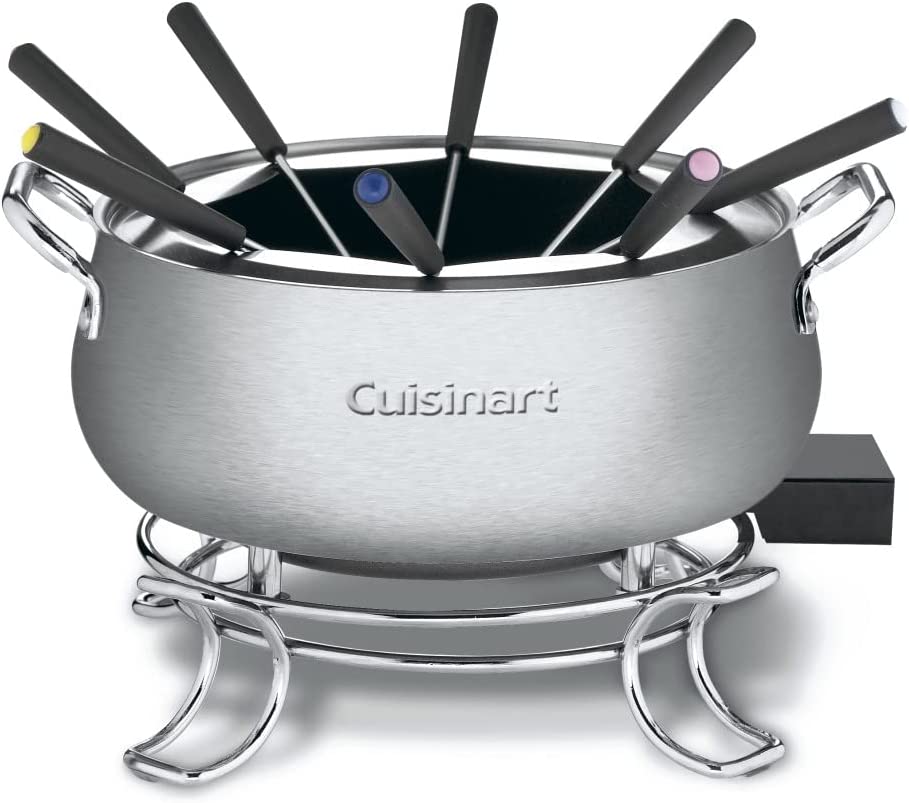
Outdoor Fondue Pots For Camping And Picnics

Elevate Your Adventure: The Complete Guide to Outdoor Fondue Pots For Camping And Picnics

Transform your outdoor meals into interactive culinary adventures. Fondue isn’t just for cozy winter nights indoors—it’s a perfect way to create memorable, shared dining experiences under the open sky. This guide will walk you through everything you need to know to choose and use the perfect outdoor fondue setup for your next picnic or camping trip.

Why Choose a Fondue Pot for Your Outdoor Excursion?

The Social Experience

Fondue naturally brings people together. Gathering around a shared pot encourages conversation, laughter, and connection, turning a simple meal into a memorable social event.

Versatility in a Single Pot

One compact pot can deliver an entire multi-course meal. Start with a savory cheese fondue, move to a main course with broth or oil for cooking meats and vegetables, and finish with a decadent chocolate dessert—all with the same portable equipment.

Compact and Portable Designs

Modern outdoor fondue sets are engineered for adventure. With lightweight materials, nesting components, and carrying cases, they’re surprisingly easy to pack and transport to your favorite outdoor spot.

Key Considerations Before You Buy

Fuel Type: The Heart of Your Setup

The fuel source determines your cooking power, convenience, and safety. Here are the main options:

  • Liquid Fuel (Ethanol/Gel): Offers consistent, flameless heat ideal for relaxed dining. Gel fuel is particularly wind-resistant. However, it provides lower heat output and requires carrying spare fuel cans.
  • Butane/Propane Canisters: Delivers fast, high, and easily adjustable heat, perfect for boiling broth or oil quickly. The main drawback is the need to carry extra, sometimes bulky, fuel canisters.
  • Charcoal: Imparts a unique, smoky flavor and generates very high heat. The trade-off is a longer setup and cooldown time, along with less precise temperature control.

Material and Durability: Built for the Outdoors

Your pot needs to withstand the elements and travel.

  • Stainless Steel: The top choice for durability, corrosion resistance, and easy cleaning. It’s a workhorse for outdoor use.
  • Enameled Cast Iron: Provides superior, even heat retention but is significantly heavier and can chip if knocked against rocks or other hard gear.
  • Lightweight Aluminum: Excellent for keeping your pack light but can react with acidic foods like wine-based cheese fondues, potentially altering the taste.

Stability and Safety Features

Never underestimate the importance of stability on uneven ground. Look for a pot with a wide, heavy base. Heat-resistant handles and secure locking lids for safe transport are also critical features for a worry-free experience.

Comparing Your Outdoor Fondue Options

Liquid Fuel vs. Butane Fondue Sets: A Head-to-Head

Feature Liquid Fuel (Ethanol/Gel) Butane/Propane
Heat Control Low to Moderate High and Easily Adjustable
Wind Resistance Good (especially gel) Fair (requires a wind guard)
Fuel Availability Widely available Widely available
Best For Relaxed picnics, cheese/chocolate fondue Base camping, broth/oil fondue

Verdict: Butane is the winner for power and control, especially for main courses. Liquid fuel excels in simplicity and ambiance, perfect for a leisurely picnic.

Traditional vs. Modern Electric Pots (For Powered Campgrounds)

While not for backcountry trips, a modern electric fondue pot is a fantastic, flameless option if you are at a campsite with a reliable electrical hookup. They offer precise temperature control and eliminate the need to carry fuel.

Pro Tips for a Flawless Outdoor Fondue Experience

The “One-Pot” Meal Strategy

Maximize your pot’s utility. Plan a full meal: start with cheese fondue for appetizers, wipe the pot clean, then use broth or oil for your main course, and finish with a quick clean for chocolate dessert. This streamlined approach simplifies your entire cooking setup outdoors.

Master Your Temperature Control

Here’s a pro tip most people don’t know: For broth or oil fondues, bring your liquid to a rolling boil on your main camp stove first. Then, carefully transfer it to the pre-heated fondue pot. This conserves your specialized fondue fuel for maintaining temperature rather than wasting it on the energy-intensive task of reaching a boil.

Prep is Everything

Do all your chopping and prep work at home. Store pre-cut bread, meats, vegetables, and fruits in separate airtight containers. This minimizes mess, cleanup, and food safety concerns at your campsite.

Essential Safety Must-Dos

  • Always place your fondue pot on a level, stable, and non-flammable surface.
  • Never leave a lit fondue pot unattended, especially around children or pets.
  • Always have a means to extinguish a flame nearby, such as a small fire extinguisher or a large bottle of water.

Frequently Asked Questions (FAQs)

Can I use my indoor fondue pot outside?

Answer: It is not recommended. Indoor electric pots lack the stability and durability for outdoor terrain, and their electrical components are not weatherproof. Ceramic or delicate pots can easily crack from thermal shock or accidental impacts.

What is the best fuel for a windy picnic?

Answer: Butane burners housed within a built-in wind guard offer the best protection. Ethanol/gel fuels also perform well in breezy conditions because the flame is lower and often contained within a burner cup.

How do I clean my outdoor fondue pot at the campsite?

Answer: Allow the pot to cool completely. Use hot water, a small amount of biodegradable soap, and a non-abrasive sponge. For stubborn, burnt-on oil, add a little water to the pot and heat it gently to loosen the residue. Always follow Leave No Trace principles and pack out your wastewater in a designated container.

What are some unique dippers beyond bread and meat?

Answer: Get creative! For cheese fondue, try pretzels, blanched broccoli, or pear slices. For chocolate, experiment with chunks of brownie, strawberries, pineapple, or even potato chips for a surprising sweet-and-salty combination.

Conclusion: Your Next Gathering, Unforgettable

An outdoor fondue pot is more than just cooking gear—it’s an invitation to slow down, connect with your companions, and savor a unique dining experience in nature. With the right knowledge and preparation, you’re ready to elevate your next camping trip or picnic from ordinary to extraordinary. Embrace the adventure and start dipping!


Related Articles

Try Our Free Tool: Use our Fondue Pot Selector to find the perfect fondue pot for your needs.

Stainless Steel Or Ceramic Fondue Pot: Pros And Cons

Introduction to Fondue Pot Materials

Fondue is more than a meal; it’s a social experience centered around a shared pot of delicious, melted goodness. Whether it’s cheese, oil, or chocolate, the heart of this tradition is the fondue pot itself. Choosing the right material isn’t just about aesthetics—it’s about performance, ease of use, and the final result on your plate. The two primary materials you’ll encounter are stainless steel and ceramic (often enameled cast iron). This guide provides a detailed breakdown of the Stainless Steel Or Ceramic Fondue Pot: Pros And Cons to help you make the perfect choice for your table.

The Stainless Steel Fondue Pot: A Modern Workhorse

Stainless steel fondue pots are the champions of modern kitchens, prized for their resilience and efficiency.

Key Advantages of Stainless Steel

  • Unmatched Durability & Longevity: Resists dents, chips, and cracks. Built to last a lifetime.
  • Superior and Rapid Heat Conduction: Heats up quickly and distributes heat evenly, preventing scorching.
  • Incredibly Easy to Clean: Typically dishwasher safe and non-porous, so it won’t absorb odors or flavors from previous fondues.
  • Lightweight and Easy to Handle: Easier to lift, pour, and clean compared to heavier ceramic pots.

Potential Drawbacks of Stainless Steel

  • Less Traditional Aesthetic: Lacks the classic, rustic charm of a ceramic pot.
  • Heat Retention Issues: Can cool down faster if removed from the heat source, making it less ideal for keeping cheese fondue warm at the table without a constant flame.
  • Potential for Hot Handles: Handles can get very hot and often require the use of potholders.

The Ceramic Fondue Pot: A Classic Choice

Ceramic pots, particularly those made from enameled cast iron, are the traditional favorites, offering timeless beauty and exceptional heat management.

Key Advantages of Ceramic (Enameled Cast Iron)

  • Superior Heat Retention: Once hot, it stays hot for a long time, perfect for keeping cheese or chocolate fondue at a consistent, serving-ready temperature.
  • Beautiful, Traditional Presentation: Offers a classic, elegant look that is central to the fondue experience.
  • Excellent for Simmering: The gentle, radiant heat is ideal for delicate fondues like cheese, preventing them from breaking or burning.

Potential Drawbacks of Ceramic

  • Heavy and Fragile: Significantly heavier than steel and can chip or crack if dropped.
  • Slower to Heat Up: Requires more time to reach the desired temperature.
  • More Demanding Cleaning: Often requires hand-washing and can be prone to staining if not cleaned immediately.

Head-to-Head Comparison: Stainless Steel vs. Ceramic

This comparison table highlights the key differences at a glance.

Feature Stainless Steel Ceramic
Best For Oil & Broth Fondue Cheese Fondue
Heat-Up Speed Fast Slow
Heat Retention Poor Excellent
Durability Very High Fragile (can chip)
Weight Light Heavy
Cleaning Easy (often dishwasher safe) Demanding (often hand-wash only)
Induction Cooktop Compatible Often Yes Rarely

Which is Best for Cheese Fondue?

Winner: Ceramic. Its superior heat retention keeps cheese smooth and liquid without continued aggressive heating, which can cause it to separate or become oily.

Which is Best for Oil or Broth Fondue?

Winner: Stainless Steel. Its rapid and responsive heating is crucial for maintaining a consistent, rolling boil necessary for safely and effectively cooking raw meat and vegetables.

Which is Best for Chocolate Fondue?

Winner: Ceramic (with a flame diffuser) or Stainless Steel (on low heat). Ceramic’s gentle, even heat is ideal for preventing scorching. However, a stainless steel pot on a very low, controlled flame can also work perfectly if you are vigilant about stirring.

The Unique Factor: Material and Flavor Interaction

Here’s a piece of fondue lore that many don’t know: the pot’s material can subtly influence the fondue’s flavor profile. High-quality ceramic pots, especially unglazed or well-seasoned ones, can contribute a very slight “earthy” minerality over many uses. Some fondue connoisseurs believe this characteristic enhances the complexity of a traditional cheese fondue, adding a depth of flavor that is part of the authentic experience. In contrast, stainless steel is completely inert and non-reactive. It guarantees a “pure” taste of the ingredients without any external influence, which can be preferable for delicate chocolate or broths where you want nothing to interfere with the primary flavors.

Making Your Final Decision: A Quick Guide

Your choice ultimately boils down to your primary needs and the type of fondue you plan to make most often.

  • Choose Stainless Steel if: You value speed, durability, easy cleaning, and plan to make a lot of oil- or broth-based fondues.
  • Choose Ceramic if: You prioritize a classic presentation, superior heat retention for cheese and chocolate, and don’t mind the extra weight and careful cleaning.

For the ultimate fondue enthusiast who makes all types, owning one of each is not an uncommon solution!

Frequently Asked Questions (FAQs)

Can I use a ceramic fondue pot on an induction cooktop?

Typically, no. Most classic ceramic pots are not induction-compatible unless they have a specific magnetic base plate. Stainless steel pots are far more likely to work on induction cooktops.

Is one material generally more expensive than the other?

Yes, high-quality enameled ceramic (cast iron) pots from reputable brands are often more expensive than their stainless steel counterparts due to the materials and manufacturing process involved.

Can a stainless steel pot work for cheese fondue if it’s all I have?

Absolutely. Use a lower, more controlled flame and stir frequently to prevent hotspots and burning. It’s versatile but requires more attention than a ceramic pot to maintain the perfect consistency.

How do I prevent my chocolate fondue from scorching in any pot?

The best method is to use a double boiler to melt the chocolate gently first, then transfer it to your pre-warmed fondue pot. Never apply direct, high heat to chocolate, as it burns easily.


Related Articles

Try Our Free Tool: Use our Fondue Pot Selector to find the perfect fondue pot for your needs.

Electric Vs. Traditional Fondue Pot: Which One To Choose?

fondue6

Introduction: The Fondue Dilemma

Fondue, the quintessential communal dining experience, has captivated food lovers for generations. Whether it’s dipping crusty bread into melted cheese, savoring tender meat cooked in bubbling broth, or indulging in sweet chocolate-covered treats, fondue brings people together. But when it’s time to choose your equipment, you’re faced with a classic conundrum: Electric Vs. Traditional Fondue Pot: Which One To Choose? This guide will dissect the pros, cons, and ideal scenarios for each, empowering you to make the perfect selection for your kitchen and lifestyle.

Understanding the Core Technologies

The Traditional Fondue Pot (Fuel-Based)

Traditional fondue pots operate using a liquid fuel burner, typically powered by gel ethanol, denatured alcohol, or butane. This method is celebrated for delivering an authentic, rustic fondue experience, reminiscent of its Swiss origins. A key advantage is its portability; since it doesn’t require an electrical outlet, it’s perfect for outdoor gatherings, picnics, or even during a power outage.

The Electric Fondue Pot

Electric fondue pots are the modern answer to fondue making. They plug into a standard wall outlet and use an internal heating element to warm the pot. The standout feature here is precision: most models include a thermostat that allows you to set and maintain an exact temperature, eliminating guesswork and ensuring consistently perfect results, especially for delicate fondues like cheese and chocolate.

Head-to-Head Comparison: Breaking Down the Key Factors

Temperature Control and Consistency

Electric fondue pots excel in this category. With a built-in thermostat, they maintain a steady temperature, preventing cheese from scorching or chocolate from seizing. Traditional pots require manual flame adjustment, which can lead to hot spots and demands constant vigilance to keep the fondue at the ideal consistency.

Ease of Use and Convenience

Electric models are incredibly user-friendly—often a simple matter of plugging in and selecting a temperature. Many feature removable pots for easy cleaning. Traditional pots involve handling flammable fuel, lighting the burner, and adjusting the flame, which can be intimidating for beginners and less convenient for quick, casual fondue nights.

Versatility and Fondue Types

Fondue Type Electric Pot Traditional Pot
Cheese Fondue Excellent (low, consistent heat) Good (requires careful flame control)
Chocolate Fondue Excellent (prevents burning) Fair (high risk of scorching)
Oil/Broth Fondue Poor (most can’t reach high temps) Excellent (achieves and maintains high heat)

Portability and Ambiance

Traditional pots are unbeatable for portability, making them ideal for outdoor events. They also provide a charming, flickering flame that enhances the dining ambiance. Electric pots are tethered to an outlet, limiting their use to indoor settings, and offer a more modern, functional aesthetic.

Safety Considerations

Electric fondue pots are generally safer, featuring cool-touch exteriors, no open flames, and often auto-shutoff functions. This makes them a better choice for households with children or pets. Traditional pots require careful handling of fuel and an open flame, necessitating a stable, non-flammable surface and constant supervision.

The Unique Factor: What You Might Not Know

The Material Matters More Than You Think

While the heat source is crucial, the pot’s material—ceramic, cast iron, or stainless steel—plays a significant role in heat distribution and retention. Ceramic is excellent for even, low heat (ideal for cheese), while cast iron retains heat superbly, making it great for oil fondues. A little-known tip: high-end traditional cast iron pots can be pre-heated on an electric stove. This hybrid technique allows you to use the stove’s powerful heat for initial melting or boiling, then transfer the pot to its stand for a portable, flame-heated serving. It’s the best of both worlds for enthusiasts seeking optimal performance.

Who Should Choose Which? A Quick Guide

Choose an Electric Fondue Pot If…

  • You are new to fondue and value simplicity.
  • Your primary interest is cheese or chocolate fondue.
  • Safety and “set-it-and-forget-it” operation are priorities.
  • You typically host indoor gatherings.

Choose a Traditional Fondue Pot If…

  • You cherish the authentic, rustic experience and ambiance.
  • You frequently prepare oil or broth-based fondues.
  • You need a portable option for outdoor dining or parties.
  • You are an experienced fondue lover who enjoys the hands-on ritual.

Frequently Asked Questions (FAQs)

Can you use a traditional fondue pot indoors?

Yes, but it must be in a very well-ventilated area to avoid the buildup of fumes from the fuel. Always ensure proper airflow to maintain safety.

Are electric fondue pots good for meat fondue?

Most standard electric models cannot reach the high temperatures required for oil fondue. However, specific “multi-course” or high-wattage electric fondue pots are designed for this purpose and can be effective.

Which type is easier to clean?

Electric pots typically have non-stick, removable inserts that are dishwasher safe, making clean-up significantly easier than traditional pots, which often have fixed components and may require hand washing.

Is one option more cost-effective than the other?

Traditional pots often have a lower initial purchase price, but you’ll have ongoing costs for fuel. Electric pots usually cost more upfront but operate on household electricity, which may be more economical over time, depending on your usage.

Final Verdict: Electric Vs. Traditional Fondue Pot: Which One To Choose?

Your choice between an electric and traditional fondue pot ultimately hinges on your personal preferences, the types of fondue you plan to make, and your hosting environment. If you prioritize convenience, safety, and perfect temperature control for cheese or chocolate, an electric pot is your best bet. If you value portability, authentic ambiance, and the ability to cook with oil or broth, a traditional pot will serve you well. Consider the factors of temperature control, safety, versatility, and ambiance to select the ideal fondue pot for creating memorable gatherings with family and friends.


Related Articles

Try Our Free Tool: Use our Fondue Recipe Generator to generate a custom fondue recipe tailored to your taste.

Special Features To Look For In A Fondue Pot: Dipping Forks, Adjustable Heat

cuisinart fondue maker review

Beyond the Pot: The Must-Have Features for Perfect Fondue

Fondue is more than a meal; it’s a social and culinary experience. The right equipment, specifically a pot with key features, is the difference between a fun party and a culinary disaster. To ensure your cheese stays smooth and your chocolate doesn’t burn, understanding the Special Features To Look For In A Fondue Pot: Dipping Forks, Adjustable Heat is the first step to success.

The Heart of the Matter: Mastering Adjustable Heat

Precise temperature control is non-negotiable for different types of fondue. It’s the feature that prevents culinary mishaps and ensures every dip is perfect.

Why Precise Temperature is Everything

Pain Point: Burnt cheese, scorched chocolate, or oil that’s not hot enough for cooking meat, leading to unsafe food and a disappointing experience.

The Solution (Adjustable Heat): A good thermostat or flame control prevents these issues by providing the right amount of heat for each fondue type.

  • Cheese Fondue: Requires low, consistent heat to stay emulsified and prevent separation.
  • Chocolate Fondue: Needs very low heat to avoid seizing and becoming grainy.
  • Broth/Oil Fondue: Requires high, stable heat to cook meat and seafood safely and efficiently.

Types of Heating Mechanisms

Type Pros Cons Best For
Electric Fondue Pots Superior adjustable heat, digital controls, preset temperatures, consistent performance. Requires an outlet, less portable. All fondue types, especially cheese and chocolate.
Gel Fuel / Alcohol Burners Portable, classic fondue experience, no cord. Manual flame control, challenging to maintain consistent low heat. Broth and oil fondues where high heat is key.
Induction Cooktops + Dedicated Pot Highly efficient, precise digital control, fast heating. Requires a specific induction-compatible pot and cooktop. The modern enthusiast who values speed and precision.

Unique Insight: The “Simmer Zone” Test

A high-quality pot with excellent heat distribution will have a wide “simmer zone.” This means the fondue bubbles gently across the entire surface, not just in one hot spot directly over the flame. This prevents burning in the center while the edges remain cool, ensuring a consistently perfect texture throughout your fondue.

Your Tools of the Trade: A Deep Dive into Dipping Forks

Fondue forks are not an afterthought; they are a critical safety and functionality feature designed specifically for the task.

Anatomy of the Perfect Fondue Fork

Pain Point: Forks that are too short (risking burned fingers), food that slips off, or handles that become too hot to hold.

The Solution (Well-Designed Forks): The ideal fork is engineered for the job.

  • Long Length: Keeps hands safely away from the hot pot and burner.
  • Color-Coded Handles: Essential for a group to identify their fork, avoiding double-dipping confusion.
  • Heat-Resistant Handles: Prevents burns from the part of the fork that rests on the pot’s edge.
  • Effective Tines/Prongs: Hooked ends or two-prong designs securely hold bread, meat, and fruit.

Material Matters: Stainless Steel vs. Other Metals

Material Pros Cons
Stainless Steel Durable, non-reactive (won’t alter food taste), rust-resistant, easy to clean. Can be more expensive.
Chrome-Plated or Other Metals Often less expensive. Can chip, rust, or react with acidic foods over time.

Unique Insight: The “Resting Hook” Design

Look for forks with a pronounced hook at the end of the handle. This isn’t just for aesthetics; it’s a functional design to rest securely on the edge of the pot. This prevents the handle from sliding into the fondue and stops the fork’s handle from overheating. A poorly balanced fork without this feature can be a constant nuisance and a safety hazard during your meal.

Putting It All Together: Your Fondue Feature Checklist

Beyond the two main features, here is a complete checklist for your perfect fondue pot:

  • Non-Stick Interior: A game-changer for easy cleaning, especially with sticky cheese fondues.
  • Pot Material: Ceramic for cheese/chocolate (excellent heat retention), metal for oil/broth (high heat tolerance).
  • Stability: A wide, sturdy base is crucial to prevent dangerous tipping.
  • Number of Forks: Typically 6-8; ensure there are enough for your usual guest count, with a couple of extras being ideal.

Frequently Asked Questions (FAQs)

Can I use regular forks if I lose the fondue forks?

No, it is not recommended and can be unsafe. Regular forks are too short, presenting a burn risk. Their metal handles will conduct heat and become too hot to hold, and they lack the hooked end to rest securely on the pot, making them likely to fall into the hot fondue.

What’s the ideal number of dipping forks?

Most quality sets come with 6-8 forks, which is perfect for a standard fondue party. A good rule of thumb is to have at least two forks per person. This allows one fork to be cooling down while the other is in use, making the process more efficient and comfortable for your guests.

My electric fondue pot only has “Low” and “High” settings. Is that sufficient?

It is workable but not ideal. You will need to monitor it very closely. “Low” can usually be used for chocolate if you stir frequently to distribute heat, and “High” is suitable for oil or broth. For delicate cheese fondues that require a very specific, steady temperature, a pot with more granular control (like a thermostat dial) is highly recommended.

Are there fondue pots that are good for both cheese and oil?

Yes, multi-purpose fondue sets are an excellent investment. These often include a single heating base with interchangeable pots—typically a metal pot for oil/broth fondue and a ceramic insert for cheese/chocolate. This versatility means one appliance can handle your entire fondue menu.

Conclusion: Dip with Confidence

By prioritizing these two special features to look for in a fondue pot: dipping forks, adjustable heat, you are investing in countless successful and stress-free fondue experiences. This knowledge transforms the fondue pot from a simple novelty item into a reliable and essential kitchen tool. Use this guide to find your perfect pot and host memorable gatherings with confidence.


Related Articles

Try Our Free Tool: Use our Fondue Dipping Ingredients Selector to find the perfect dipping combinations for your fondue.

Decadent Chocolate Fondue Recipe For Special Occasions

fondue1

Why This is the Only Chocolate Fondue Recipe You’ll Ever Need

The Secret to a Perfectly Silky Fondue (It’s Not Just Chocolate!)

The key to an unforgettable fondue isn’t just high-quality chocolate; it’s a tiny pinch of salt and a teaspoon of instant coffee granules. The salt enhances the chocolate’s flavor, and the coffee deepens it without making it taste like coffee, creating a more complex, restaurant-quality profile that will impress every guest.

Solving Common Fondue Frustrations (Your Pain Points, Solved!)

Pain Point: “My fondue always seizes and becomes grainy.”
Solution: The critical step is keeping all water away from melting chocolate. Even a single drop can cause it to seize. Always use warm (not boiling) cream and ensure all equipment is completely dry.

Pain Point: “It doesn’t stay warm and dippable for long.”
Solution: Pre-warm your fondue pot by filling it with hot water for a few minutes before adding the fondue. This simple trick helps maintain a consistent temperature, especially when using a gel fuel burner.

Pain Point: “It’s too rich and heavy.”
Solution: A splash of a bright, acidic component like orange liqueur, a few drops of high-quality balsamic vinegar, or a teaspoon of vanilla extract can cut through the richness and add a surprising layer of flavor.

Your Step-by-Step Guide to a Decadent Chocolate Fondue

Gathering Your Ingredients & Equipment

Essential Ingredients: High-quality chocolate bars (8 oz), heavy cream (1 cup), flavor enhancers (pinch of salt, instant coffee), optional liqueur (2 tbsp).
Essential Equipment: Fondue pot or a DIY double boiler (heat-proof bowl over a saucepan), rubber spatula, skewers or fondue forks.

The Melting Method: A Foolproof Process

  1. Chop your chocolate bars into small, uniform pieces for even melting.
  2. Gently heat the cream, salt, and coffee in a saucepan until steaming but not boiling.
  3. Remove from heat and immediately add the chocolate. Let it sit for 3 minutes to soften before stirring.
  4. Stir gently from the center outwards until smooth and glossy. Stir in your chosen liqueur or extract.

Transferring, Serving, and Maintaining the Perfect Temperature

Pour the finished fondue into your pre-warmed fondue pot. Keep the flame on the lowest possible setting to maintain a gentle warmth without scorching the chocolate. Stir occasionally to prevent a skin from forming.

Chocolate Showdown: Which Type is Best for Fondue?

Dark Chocolate vs. Milk Chocolate vs. Semi-Sweet

Chocolate Type Flavor Profile Sweetness Level Best Pairings
Dark Chocolate Bold, intense, slightly bitter Low Robust fruits like oranges, salty pretzels
Milk Chocolate Creamy, mild, classic High Sweet fruits like strawberries, marshmallows
Semi-Sweet Balanced, rich, versatile Medium Almost everything; the perfect all-rounder

Recommendation: A 50/50 blend of semi-sweet and high-quality dark chocolate (around 60-70% cocoa) provides the perfect balance of sweetness and sophisticated depth.

Why You Should Avoid Chocolate Chips (The Anti-Caking Agent Secret)

Most chocolate chips contain stabilizers like soy lecithin and anti-caking agents that prevent them from melting into a perfectly silky texture. These additives help chips hold their shape in cookies but create a less smooth, sometimes grainy, fondue. For a truly luxurious result, always use pure chocolate baking bars.

The Art of the Dipper: Building Your Fondue Platter

Classic Dippers Everyone Loves

Fresh strawberries, banana chunks, pineapple pieces, cubed pound cake or angel food cake, and marshmallows.

Unexpected Dippers for the Adventurous

Pretzel rods (for a salty/sweet kick), thick-cut potato chips, dried apricots, chunks of cheesecake, or even crispy bacon for the truly daring.

Pro Platter Presentation Tips

Arrange dippers in small, grouped clusters rather than mixing them all together. Use varying heights by placing some items on small bowls or ramekins. Add fresh mint leaves or edible flowers for a pop of color.

Frequently Asked Questions (FAQs) About Chocolate Fondue

Can I make chocolate fondue ahead of time?

Yes! You can prepare it up to 2 days in advance. Let it cool completely, then store it in an airtight container in the refrigerator. To reheat, place the container in a bowl of warm water or gently warm it in a double boiler, stirring frequently.

What can I use if I don’t have a fondue pot?

A small slow cooker on the “warm” setting is an excellent substitute. Alternatively, you can use a heat-proof bowl set over a pot of barely simmering water (a DIY double boiler), making sure the bottom of the bowl doesn’t touch the water.

My fondue is too thick! How can I thin it out?

Whisk in a small amount of warm heavy cream, one tablespoon at a time, until it reaches your desired consistency. Avoid adding cold liquid, as this can shock the chocolate.

What are some non-alcoholic substitutes for the liqueur?

You can use an extra teaspoon of high-quality vanilla extract, a tablespoon of strong brewed coffee, a splash of orange juice, or even a bit of maple syrup or flavored syrup (like hazelnut).

More Than Just Dessert: Making it a Special Occasion

Themed Fondue Nights

For Valentine’s Day, use heart-shaped cake cubes and pink and red dippers. For a holiday party, incorporate seasonal fruits like clementines and pomegranate arils, and use festive sprinkles for garnish.

The Final Touch: Garnishes and Accompaniments

Sprinkle the top of your fondue with flaky sea salt, crushed toasted nuts (like pistachios or hazelnuts), or a dusting of cocoa powder. For a truly dazzling effect, a light sprinkle of edible gold dust or glitter will make your dessert the centerpiece of the evening.


Related Articles

Try Our Free Tool: Use our Fondue Dipping Ingredients Selector to discover the best dippers for your chocolate fondue.

Quick Chocolate Fondue Recipe For A Party

fondue1

Why a Chocolate Fondue is Your Party’s Secret Weapon

Solving Common Party Host Pain Points

Hosting a party can be stressful, especially when it comes to dessert. A quick chocolate fondue solves multiple problems at once. It’s a low-effort dessert that delivers high visual and taste impact, creating an interactive centerpiece that gets guests mingling. You can easily accommodate various diets by offering a range of dippers, and you completely avoid the stress of baking or complex last-minute dessert assembly.

Your Go-To Quick Chocolate Fondue Recipe For A Party

The Simple Ingredients You’ll Need

  • 12 ounces of high-quality semi-sweet chocolate chips or a chopped chocolate bar
  • 1 cup of heavy cream (the key to a smooth, rich texture)
  • A pinch of salt and 1 teaspoon of vanilla extract (flavor enhancers)

The Foolproof 5-Minute Method

  1. Combine chocolate and cream in a microwave-safe bowl.
  2. Heat in 30-second bursts, stirring thoroughly after each interval.
  3. Once the mixture is smooth and glossy, stir in the vanilla and salt.

Pro-Tip: The Secret to a Perfect, Non-Separating Fondue

The real secret to a foolproof fondue isn’t just the ingredients, but a tiny addition at the end. Stir in one tablespoon of light corn syrup or a pat of unsalted butter after the chocolate has melted. This simple step adds a beautiful shine and, more importantly, prevents the chocolate and cream from seizing or separating if it cools down slightly. This keeps your fondue perfectly dippable and silky-smooth for the entire duration of your party.

Fondue Fountain vs. Simple Pot: What’s Best for Your Party?

Feature Simple Pot Fountain
Best For Intimate to medium-sized gatherings Very large parties (50+ people)
Setup & Cleanup Quick and easy More complex and time-consuming
Reliability Very reliable (uses a tea light) Can be prone to clogging or mechanical issues
“Wow” Factor Cozy and interactive High visual drama and spectacle

Beyond Strawberries: A Dipper Guide for Every Palate

The Classic Fruit Platter

Strawberries, banana chunks, pineapple pieces, and apple slices (tossed in a little lemon juice to prevent browning).

The Sweet & Salty Selection

Pretzel rods, thick-cut potato chips, salty popcorn, and cubes of rice crispy treats.

The “Why Didn’t I Think of That?” Dippers

Cubes of pound cake, marshmallows, dried apricots, biscotti, and for the truly adventurous, crispy cooked bacon. The combination of smoky, salty bacon and rich chocolate is a game-changer.

Your Quick Chocolate Fondue FAQs, Answered

Can I make chocolate fondue ahead of time?

Absolutely! You can make the fondue up to 2 days in advance. Store it in an airtight container in the refrigerator. When you’re ready to serve, gently reheat it in the microwave in 30-second intervals, stirring thoroughly each time until it’s smooth and warm.

My fondue is too thick! How can I thin it out?

Don’t worry, this is an easy fix. Simply stir in a tablespoon of warm heavy cream at a time until it reaches your desired, flowing consistency.

What can I use if I don’t have a fondue pot?

A small slow cooker on the “warm” setting is a perfect substitute. Alternatively, you can use a regular saucepan kept on the stove over the lowest possible heat, but be sure to stir it often to prevent scorching.

Can I make this dairy-free or vegan?

Yes, you can! Use a high-quality dairy-free dark chocolate and substitute full-fat canned coconut milk for the heavy cream. The result is incredibly rich, creamy, and delicious, and most guests won’t even notice the difference.

Dip, Laugh, and Enjoy!

A quick chocolate fondue recipe for a party is the easiest way to guarantee a memorable and delicious ending to your gathering. With minimal effort and maximum flavor, you can create a dessert experience your guests will be talking about long after the last dip is taken.


Related Articles

Try Our Free Tool: Use our Fondue Party Planner to plan your perfect fondue party with a custom shopping list, equipment checklist, and timeline.

Classic Chocolate Fondue Recipe For Romantic Evenings

fondue1

Why a Classic Chocolate Fondue is the Perfect Romantic Gesture

The Magic of Shared, Interactive Dining

Transform your evening from a standard meal into a collaborative adventure. A chocolate fondue encourages conversation, laughter, and playful interaction as you both dip, taste, and share the experience, making it far more engaging than a passive dinner.

An Unforgettable Sensory Experience

The rich, intoxicating aroma of premium chocolate melting is an instant mood-setter. Combined with the visual appeal of a gleaming fondue pot and a vibrant platter of dippers, it creates a feast for the senses that your partner will remember long after the last bite.

Solving Your Romantic Evening Pain Points

“I’m Not a Confident Cook”

Fear not! This classic chocolate fondue recipe is designed to be foolproof. By focusing on a few high-quality ingredients and simple steps, you can create a dessert that looks and tastes incredibly sophisticated, making you feel like a master chef with minimal effort.

“I Don’t Have Fancy Kitchen Gear”

No fondue pot? No problem. You can easily create this romantic treat using a slow cooker on the “warm” setting, a classic double boiler, or even a heatproof bowl set over a pot of gently simmering water.

“I Want to Avoid a Kitchen Disaster”

The primary fear is chocolate seizing (turning grainy) or burning. The key is gentle, indirect heat. Never let the chocolate mixture boil, and always add chopped chocolate to warm, not boiling, liquid.

Your Foolproof Classic Chocolate Fondue Recipe

Gathering Your Ingredients

Ingredient Quantity Notes
High-Quality Semi-Sweet or Dark Chocolate (chopped) 8 oz Using bars of chocolate instead of chips gives a smoother result.
Heavy Cream 1 cup Essential for a rich, creamy texture.
Flavor Enhancer 1-2 tbsp e.g., Grand Marnier, Kahlúa, vanilla extract, or a pinch of espresso powder.
Salt 1 pinch Enhances the chocolate flavor.

Step-by-Step Instructions

  1. Gently heat the heavy cream in a saucepan over medium heat until it is warm and steaming, but not boiling.
  2. Remove the cream from the heat and immediately add the chopped chocolate. Let it sit for one minute to soften, then whisk continuously until the mixture is completely smooth and glossy.
  3. Stir in your chosen flavor enhancer and the pinch of salt until fully incorporated.
  4. Carefully transfer the mixture to your fondue pot or serving vessel and keep it on a low warming setting.

The Secret to a Perfectly Silky Fondue

Here’s something most people don’t know: After you’ve melted the chocolate and cream together, stir in a teaspoon of corn syrup or honey along with the salt. This isn’t just for sweetness. The corn syrup acts as an “interfering agent,” inhibiting the sugar crystals in the chocolate from re-bonding too tightly. This scientific trick guarantees a luxuriously silky, shiny texture that remains perfectly dippable all evening long, unlike fondue made with just chocolate and cream, which can thicken and become grainy as it cools.

The Ultimate Dipping Platter: Sweet & Savory Pairings

Classic Sweet Dippers

Strawberries, banana chunks, marshmallows, cubes of pound cake or angel food cake, and pretzels for a sweet-and-salty kick.

Unexpected Savory Pairings

The combination of salt and fat complements the richness of chocolate beautifully. Don’t be afraid to think outside the box with crispy bacon strips, thick, ridged potato chips, or lightly salted crackers for a surprising and delightful contrast.

Chocolate Fondue Showdown: Dark vs. Milk vs. White

Type Profile & Pros Best For
Dark Chocolate Rich, intense, and less sweet. Pairs exceptionally well with red wine and robust flavors like orange liqueur or espresso. A sophisticated, decadent palate.
Milk Chocolate Creamy, sweet, and universally appealing. Melts easily and is a guaranteed crowd-pleaser. Those with a classic sweet tooth.
White Chocolate Note: It’s a confection made from cocoa butter, sugar, and milk. Very sweet and creamy, it excels when paired with tart fruits like raspberries. A delicate, super-sweet alternative.

Romantic Fondue FAQs: Your Questions, Answered

Can I make chocolate fondue ahead of time?

Absolutely! You can prepare the fondue up to 2 days in advance. Store it in an airtight container in the refrigerator. When ready to serve, reheat it gently in short bursts in the microwave or over a double boiler, whisking in a splash of cream or milk to bring back its silky consistency.

My chocolate seized and became grainy! How can I fix it?

Don’t panic! This happens if a small amount of moisture gets into the melting chocolate. The fix is simple: immediately remove it from the heat and whisk in a tablespoon of warm cream or a teaspoon of a neutral oil (like canola or vegetable oil) at a time until the mixture becomes smooth and liquid again.

What’s the best alcohol to use in a classic chocolate fondue?

For an orange note, use Grand Marnier or Cointreau. For a coffee-cream flavor, Kahlúa or Baileys are excellent. For a nutty accent, Amaretto is perfect. For a non-alcoholic version, simply use a teaspoon of high-quality vanilla or almond extract.

How do I keep the fondue warm throughout the evening?

If using a traditional ceramic fondue pot, a tea light candle underneath provides just enough gentle heat. For electric fondue pots or a slow cooker, use the designated “warm” or “low” setting to maintain the perfect dipping temperature.

Setting the Scene for Your Romantic Evening

Ambiance is Everything

Dim the overhead lights and rely on the soft glow of candles. Create a playlist of you and your partner’s favorite soft music or classic love songs to set an intimate and relaxing audio backdrop.

Presentation Matters

Arrange your dippers artfully on a wooden board or a elegant platter. Use your best plates, cloth napkins, and long-stemmed fondue forks (or decorative skewers) to elevate the entire experience from a simple dessert to a special occasion.


Related Articles

Try Our Free Tool: Use our Fondue Dipping Ingredients Selector to discover the best dippers for your chocolate fondue.

Tips for avoiding lumpy cheese fondue

fondue7 1

Why Does Fondue Get Lumpy? Understanding the Science

Few culinary disappointments compare to eagerly dipping your bread into a pot of cheese fondue, only to pull up a stringy, grainy mess. The secret to avoiding this lies in understanding the chemistry of cheese. When cheese melts, its components—proteins, fats, and moisture—can separate if not treated correctly, leading to a lumpy, broken sauce instead of a smooth, velvety emulsion.

The Role of Heat

High, direct heat is the primary culprit behind lumpy fondue. It causes the proteins in the cheese to coagulate too quickly, squeezing out the fats and creating a grainy, curdled texture. Gentle, consistent heat is essential for a smooth melt.

The Enemy: Starch Clumps

Adding cheese directly to a hot liquid without a stabilizer allows the cheese proteins to bind to each other instead of dispersing evenly in the liquid. This is what forms those frustrating lumps. A stabilizer like cornstarch acts as a barrier, ensuring a harmonious blend.

Moisture & Acid Imbalance

Cheese fondue relies on a careful balance of moisture and acidity to create a stable emulsion. Using the wrong type of cheese (such as those with anti-caking agents) or skipping an acidic component like wine or lemon juice can prevent the fats and liquids from combining properly, leading to separation.

Your Step-by-Step Action Plan for a Perfect Fondue

Follow this foolproof method to achieve a silky-smooth fondue every time. Patience and precision are your best tools here.

The Golden Rule: Low and Slow Heat

Always melt your fondue over the lowest possible heat. Using a double boiler or a flame tamer can help maintain a consistent, gentle temperature. Never allow your fondue to boil, as this will guarantee a grainy texture.

The Coating Method: Your Secret Weapon

Before adding your cheese to the pot, toss the shredded cheese with a tablespoon of cornstarch or all-purpose flour. This coating prevents the cheese from clumping by helping it integrate smoothly into the liquid.

The Gradual Addition Technique

Add your cheese to the pot in small handfuls, stirring constantly in a zig-zag or figure-8 motion. Wait until each addition is completely melted and incorporated before adding the next. This gradual process maintains the temperature and ensures even melting.

Common Fondue Mistakes (And How to Fix Them)

Even experienced cooks can stumble with fondue. Here are the most common pitfalls and how to avoid or correct them.

Using Pre-Shredded Cheese

Pre-shredded cheeses are coated with anti-caking agents like potato starch or cellulose, which can interfere with the melting process and lead to a gritty texture.

Pre-Shredded Cheese Freshly Shredded Cheese
Contains anti-caking agents Pure cheese, no additives
Can cause grittiness Melts smoothly and evenly
Convenient but risky for fondue Requires extra effort but guarantees quality

The Fix: Always buy a block of cheese and shred it yourself just before you begin cooking. This ensures a pure, unadulterated melt.

Dumping All the Cheese at Once

Adding all the cheese in one go overwhelms the pot, causing a drastic temperature drop and encouraging the cheese to clump rather than melt.

The Fix: Embrace patience. Use the gradual addition technique, adding small amounts of cheese at a time and stirring continuously until fully incorporated.

Choosing the Wrong Liquid Base

The liquid you choose is more than just flavor—it’s a functional component that affects the fondue’s texture. Acidic liquids like wine help stabilize the emulsion.

Liquid Base Best Use Considerations
White Wine Classic cheese fondue Acidity helps prevent separation; adds flavor
Beer Robust, savory fondue Lower acidity; may require added lemon juice
Broth Non-alcoholic option Neutral flavor; must add acid for stability

The Fix: If you’re using a neutral liquid like broth or beer, add a squeeze of fresh lemon juice to introduce the necessary acidity for a smooth fondue.

The Pro’s Secret: A “Swiss” Solution You Might Not Know

While traditional methods are reliable, there’s a little-known trick used by some Swiss chefs and modern culinary enthusiasts to guarantee a flawless fondue: sodium citrate.

The Power of a Chemical Assist

Sodium citrate is a salt that acts as a powerful emulsifier. Just a small pinch added to your fondue can create a perfectly smooth, fluid texture that resists breaking, even if you make a mistake with heat or cheese selection. It’s the secret behind many professional cheese sauces and allows you to use a wider variety of cheeses without fear of lumps.

Troubleshooting: How to Save a Lumpy Fondue

If your fondue has already seized, don’t despair. There are ways to rescue it and restore its smoothness.

The Immersion Blender Rescue

Remove the pot from heat and let it cool slightly. Then, use an immersion blender to puree the fondue until smooth. Be aware that this may slightly alter the texture, but it’s an effective last-resort fix.

The “Slurry” Fix

Mix one tablespoon of cornstarch with one tablespoon of cold wine, kirsch, or water to create a smooth slurry. Whisk this vigorously into the lumpy fondue over low heat until it re-thickens and becomes smooth.

Frequently Asked Questions (FAQs)

Can I make fondue without alcohol?

Absolutely! You can substitute the wine with an equal amount of non-alcoholic apple cider, broth, or even grape juice. Just remember to add a tablespoon of lemon juice to provide the necessary acidity that helps keep the fondue smooth.

What are the best cheeses for a non-lumpy fondue?

Cheeses that melt well are essential. Gruyère, Emmental, Fontina, and Gouda are excellent choices due to their high moisture and fat content. Avoid using aged, hard cheeses like Parmesan as the primary cheese, as they are more prone to becoming grainy.

My fondue is too thick. What did I do wrong?

A fondue that becomes too thick or pasty has likely been overheated, causing excessive evaporation and thickening. To fix it, remove the pot from heat and gradually stir in a small amount of warm liquid—such as wine, broth, or milk—until it reaches your desired consistency.

Is cornstarch or flour better for fondue?

Cornstarch is generally preferred because it creates a clearer, glossier sauce and has twice the thickening power of flour. This means you can use less of it, reducing the risk of a starchy taste and ensuring a smoother texture.

Mastering the art of smooth cheese fondue is all about technique and understanding the ingredients. By applying these tips—gentle heat, coated cheese, and gradual addition—you can confidently create a luxurious, lump-free fondue that will impress at any gathering.


Related Articles

Try Our Free Tool: Use our Fondue Cheese Pairing Guide to discover the best cheese combinations for your fondue.

Chocolate Fondue Recipe For Kids’ Dessert Party

fondue1

Why a Chocolate Fondue is the Perfect Kids’ Party Dessert

The Fun Factor: Interactive and Engaging

Kids love dipping and creating their own dessert combinations. It’s an activity and a treat all in one, keeping them entertained and satisfied.

Surprisingly Simple for Busy Parents

With minimal prep time and easy cleanup, this dessert is a lifesaver. You can even make it ahead of time to reduce party-day stress.

Your Go-To Chocolate Fondue Recipe For Kids’ Dessert Party

Ingredients You’ll Need

  • 2 cups high-quality semi-sweet or milk chocolate chips
  • 1 cup heavy cream (for a smooth, dippable texture)
  • A pinch of salt (to enhance the chocolate flavor)
  • Optional: 1 teaspoon vanilla extract

Step-by-Step Instructions

  1. Step 1: The Double Boiler Method – Place a heatproof bowl over a pot of simmering water (ensure the bowl doesn’t touch the water).
  2. Step 2: Whisking to Perfection – Add chocolate chips and heavy cream to the bowl, stirring constantly until melted and smooth.
  3. Step 3: Transferring to Your Fondue Pot – Carefully pour the mixture into a fondue pot or serving bowl kept warm.

Solving Common Chocolate Fondue Pain Points

“I’m worried about the mess!”

Solution: Use a washable tablecloth, provide plenty of napkins, and opt for skewers with safety handles to minimize spills.

“What if the chocolate seizes and gets clumpy?”

Solution: Ensure all utensils are completely dry. If seizing occurs, whisk in an additional tablespoon of warm cream to restore smoothness.

“How do I keep it warm and dippable throughout the party?”

Solution: If you lack a fondue pot, a small slow cooker on the “warm” setting works perfectly for maintaining ideal consistency.

The Ultimate Dipping Station: What to Serve

Classic Favorites

  • Strawberries, banana chunks, pineapple pieces, marshmallows, pretzel rods

Creative & Unexpected Dippers

Unique Idea: Try dipping popcorn or crispy bacon for a surprising sweet/salty combination. Pro Tip: Use cookie cutters to shape pound cake or rice cereal treats into fun forms.

Chocolate Fondue vs. Other Party Desserts

Dessert Type Pros Cons
Chocolate Fondue Interactive, customizable, less pressure for perfection Requires supervision, potential for mess
Traditional Cake Themable, familiar, minimal setup Passive, less engaging for kids
Candy Buffet High variety, visually appealing Can cause sugar overload, less interactive

Fun Fondue Party Ideas & Themes

Color-Coded Skewers

Assign each child a unique skewer color to prevent mix-ups and add a personalized touch.

The “Fondue Fountain”

Create a stunning centerpiece with tiered plates of dippers cascading toward the fondue pot for visual appeal.

Frequently Asked Questions (FAQs)

Can I make this chocolate fondue recipe ahead of time?

Yes! Prepare it up to a day in advance, refrigerate, and reheat in the microwave in 30-second intervals, stirring each time.

What’s a good dairy-free alternative for this recipe?

Use full-fat coconut milk instead of heavy cream and dairy-free chocolate chips for a rich, silky fondue everyone can enjoy.

My child has a nut allergy. Is this recipe safe?

The base recipe is nut-free, but always check labels on chocolate chips and dippers to ensure they’re from nut-free facilities.

What can I use if I don’t have a fondue pot?

A small slow cooker on “warm” or a heat-proof bowl over simmering water (as a DIY double boiler) are excellent alternatives.

Conclusion: Your Stress-Free Path to a Memorable Party

This Chocolate Fondue Recipe For Kids’ Dessert Party offers a fun, interactive, and delicious way to celebrate, creating lasting memories with minimal hassle for parents.


Related Articles

Try Our Free Tool: Use our Fondue Party Planner to plan your perfect fondue party with a custom shopping list, equipment checklist, and timeline.

Cheese fondue texture tips for beginners

fondue9

Common Fondue Texture Disasters (And How to Avoid Them)

Every fondue beginner faces these hurdles. Knowing what causes them is the first step to a perfectly smooth, creamy dip.

The Lumpy, Grainy Fondue

Cause: Overheating the cheese or adding it too quickly causes the proteins to seize up.

Solution: Keep the heat low and add finely grated cheese in small batches, stirring constantly until each addition is fully melted.

The Greasy, Separated Mess

Cause: The emulsion has broken, separating the cheese’s fats from the liquids.

Solution: An acidic component (like lemon juice or white wine) and a starch (like cornstarch) are essential to create a stable, bound fondue.

The Thick, Rubbery Glob

Cause: Prolonged high heat tightens the cheese proteins, making it thick and un-dippable.

Solution: Maintain a gentle simmer. If it thickens, stir in a small amount of warm liquid (wine or broth) to loosen it.

Your Step-by-Step Guide to Perfect Fondue Texture

Follow this foundational process for a foolproof, velvety fondue every time.

The Foundation: Choosing and Preparing Your Cheese

Use a blend of cheeses known for melting well, like Gruyère, Emmental, and Fontina.

Unique Tip: Tossing your grated cheese with a tablespoon of cornstarch before adding it to the pot is a game-changer. This “dusting” method coats the cheese, preventing clumps and ensuring a silky-smooth melt from the start—a pro secret many beginners don’t know.

The Liquid Base: More Than Just Wine

The liquid not only adds flavor but also controls the fondue’s consistency. Here’s a quick comparison:

Liquid Flavor Profile Texture Impact
Dry White Wine Tangy, complex Promotes a smooth, stable emulsion
Chicken Broth Savory, mild Can be thinner; needs extra acid (lemon juice) for stability
Apple Cider Sweet, fruity Adds subtle sweetness; ensure it’s not too sugary to avoid burning

The Stirring Technique: Low Heat and Constant Motion

Use a heavy-bottomed pot to distribute heat evenly and prevent scorching. Employ a “figure-8” stirring motion, which is more effective than simple circles for incorporating air and eliminating hot spots.

Fondue Fixes: Rescuing Your Texture in a Pinch

Even with care, things can go slightly awry. Here’s how to save your fondue.

If Your Fondue is Too Thin…

Create a beurre manié by kneading equal parts soft butter and flour together. Whisk in a tiny amount. Alternatively, mix a teaspoon of cornstarch with a tablespoon of cold liquid and stir it in over low heat.

If Your Fondue is Too Thick…

Gradually stir in a small amount of warm (not cold) wine, broth, or a splash of lemon juice until it reaches your desired creamy consistency.

Cheese Fondue Texture FAQ

Quick answers to the most common beginner questions.

Can I make fondue without wine?

Absolutely! Substitute with non-alcoholic beer, apple cider, or broth. Remember to add a tablespoon of lemon juice to provide the necessary acidity for a stable, non-greasy texture.

Why did my fondue get stringy?

Stringiness often comes from using certain cheeses (like low-moisture mozzarella) or overheating. Stick to recommended melting cheeses and keep the heat low to avoid this issue.

What’s the single most important of all cheese fondue texture tips for beginners?

Patience. Rushing by turning up the heat is the top cause of texture failures. Low heat, gradual cheese addition, and constant, gentle stirring are non-negotiable for success.


Related Articles

Try Our Free Tool: Use our Fondue Cheese Pairing Guide to discover the best cheese combinations for your fondue.

Affiliate Disclosure: FondueCooking.com is a participant in the Amazon Services LLC Associates Program, an affiliate advertising program designed to provide a means for sites to earn advertising fees by advertising and linking to Amazon.com. As an Amazon Associate we earn from qualifying purchases. Learn more