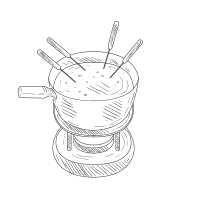
Healthier Chocolate Fondue Recipe For Guilt-Free Indulgence

fondue1

Why You Need a “Healthier” Fondue in Your Life

The Problem with Traditional Fondue

Traditional chocolate fondue often relies on heavy cream and milk chocolate, leading to a sugar crash and digestive discomfort. It’s typically so rich that you can only enjoy a small amount, leaving you unsatisfied, and it feels like a “cheat” meal that can derail healthy eating habits.

The Benefits of Our Healthier Approach

Our healthier version provides sustained energy without sugar spikes and crashes. It offers a nutrient boost with antioxidants and minerals, allows for true satisfaction with larger portions minus the bloating, and is versatile enough for everyday treats, not just special occasions.

The Secret to a Truly Guilt-Free Chocolate Fondue

It’s All About the Base

While many recipes simply swap milk for cream and call it “healthy,” ours goes a step further. The unique twist lies in using a base of canned full-fat coconut milk or even pureed sweet potato or avocado. This not only creates unparalleled creaminess but also adds hidden nutrients like healthy fats for a silky mouthfeel, fiber, and vitamins.

Choosing Your Champion Chocolate

Selecting the right chocolate is key to a healthier fondue. Here’s a comparison to guide your choice:

Type Benefits Considerations
Dark Chocolate (70%+) High in antioxidants, lower in sugar Best balance of health and flavor
Raw Cacao Powder Most nutrient-dense, minimal processing Can be bitter; may need sweetener adjustment
Sugar-Free Chocolate Chips Ideal for strict sugar avoidance Check for artificial sweeteners; may alter texture

Your Healthier Chocolate Fondue Recipe For Guilt-Free Indulgence

Preparation Time: 5 minutes
Cook Time: 5 minutes
Servings: 4

Ingredients You’ll Need

  • 1 cup full-fat coconut milk (the secret ingredient!)
  • 6 oz high-quality dark chocolate (70% or higher), finely chopped
  • 1 tbsp pure maple syrup or raw honey (adjust to taste)
  • 1 tsp pure vanilla extract
  • A pinch of sea salt

Step-by-Step Instructions

  1. Gently heat the coconut milk in a small saucepan over medium-low heat until it just begins to simmer.
  2. Remove from heat and immediately add the chopped dark chocolate. Let it sit for 1 minute to melt.
  3. Whisk continuously until the chocolate is completely melted and the mixture is smooth and glossy.
  4. Whisk in the maple syrup, vanilla extract, and sea salt.
  5. Transfer to your fondue pot or a serving bowl and serve immediately!

Beyond the Recipe: Dippers & Customizations

The Ultimate Platter of Healthy Dippers

Elevate your fondue experience with a variety of dippers. Fresh fruits like strawberries, banana coins, orange segments, and pineapple chunks add natural sweetness. For a savory twist, try lightly salted pretzel rods or rice cakes. Hearty options include cubes of angel food cake or marshmallows for a classic touch.

Boost the Flavor & Nutrition

Customize your fondue to suit your taste and health goals. Add a drop of peppermint extract for a minty kick, or a pinch of cayenne or cinnamon for a spicy twist. For a superfood boost, stir in a tablespoon of maca powder or chia seeds to enhance nutrition without compromising flavor.

Healthier Chocolate Fondue FAQ

Can I make this fondue vegan?

Absolutely! This recipe is naturally vegan if you use dark chocolate that is certified vegan and maple syrup as your sweetener.

How do I store and reheat leftovers?

Store any leftovers in an airtight container in the refrigerator for up to 5 days. To reheat, use a double boiler or microwave in 15-second intervals, stirring each time, until warm and smooth.

My fondue is too thick. How can I thin it out?

If your fondue becomes too thick, simply whisk in a small amount of warm coconut milk or hot water, one tablespoon at a time, until it reaches your desired consistency.

Is this fondue actually healthy?

Yes! Compared to traditional versions, it’s significantly lower in refined sugar and saturated fat while being higher in antioxidants, healthy fats, and fiber. It’s a treat designed to fit into a balanced lifestyle without guilt.

Conclusion: Indulge Freely & Feel Fantastic

You don’t have to give up the foods you love to maintain a healthy lifestyle. This healthier chocolate fondue allows you to indulge freely while feeling fantastic. Whip up this recipe tonight, customize it to your liking, and share the joy of guilt-free indulgence with friends and family.


Related Articles

Try Our Free Tool: Use our Fondue Dipping Ingredients Selector to discover the best dippers for your chocolate fondue.

Low-Calorie Chocolate Fondue Recipe For Weight-Conscious Individuals

fondue1

Why You Need This Recipe in Your Life

The Common Pain Points of Traditional Fondue

Traditional chocolate fondue is a deceptive dessert. While it feels like a light, social treat, it’s often a hidden calorie bomb. A standard recipe using semi-sweet chocolate and heavy cream can easily pack over 500 calories per serving, primarily from saturated fat and refined sugar. This leads to the dreaded sugar crash, leaving you feeling sluggish and unsatisfied just moments after indulging. For anyone mindful of their weight, this often creates an “all-or-nothing” mentality, forcing you to choose between social enjoyment and your health goals.

Your Secret Weapon: The Ultimate Low-Calorie Chocolate Fondue Recipe

Ingredient Breakdown: The Smart Swaps

The magic of this recipe lies in its intelligent ingredient substitutions that slash calories without sacrificing the rich, chocolatey experience.

  • The Base: We swap heavy cream for unsweetened almond milk or cashew milk, cutting significant fat and calories.
  • The Chocolate: Instead of high-sugar chocolate bars, we use high-quality unsweetened cocoa powder. It provides intense chocolate flavor with minimal fat and no added sugar.
  • The Sweetener: We ditch refined sugar for a natural, zero-calorie option like monk fruit sweetener or allulose, which doesn’t spike blood sugar.
  • The Thickener: A small amount of cornstarch or arrowroot powder creates that classic, luxurious fondue texture without the need for copious amounts of fat.

Step-by-Step Instructions

  1. In a saucepan, whisk together the cocoa powder, your chosen sweetener, and cornstarch. This initial dry mix prevents lumps later.
  2. Gradually whisk in the almond milk until the mixture is smooth.
  3. Place the saucepan over low heat. Cook, stirring constantly, for 5-7 minutes until the mixture thickens to a fondue-like consistency.
  4. Remove from heat and stir in a splash of vanilla or almond extract to enhance the flavor depth.

The Dipping Station: Building a Balanced Fondue Platter

Fruit Powerhouses (Low-Calorie & High-Fiber)

Load your platter with fresh fruits like strawberries, raspberries, banana slices, apple slices, and pineapple chunks. They are naturally sweet, low in calories, and high in fiber, which helps you feel full.

Savory & Satisfying Options

For a satisfying crunch, include options like rice cakes, whole-wheat pretzel sticks, or air-popped popcorn. These add a textural contrast and can be lower in sugar than sweet alternatives.

A “Something Unique” Tip You Might Not Know

Try lightly toasted chickpeas! Rinse and drain a can of chickpeas, toss them with cinnamon and a pinch of salt, and roast at 400°F (200°C) for 20-30 minutes until crispy. They provide a surprising, savory crunch and a significant protein and fiber boost, making your fondue experience more satisfying and nutritionally balanced.

How Does It Compare? A Calorie Showdown

Traditional Chocolate Fondue vs. Our Low-Calorie Version

Nutrient (per serving) Traditional Fondue Our Recipe
Calories ~550 kcal ~95 kcal
Total Fat ~35g ~4g
Sugar ~45g ~2g (naturally occurring)
Fiber ~3g ~5g

FAQs: Your Low-Calorie Fondue Questions, Answered

Can I make this Low-Calorie Chocolate Fondue Recipe ahead of time?

Yes! It stores well in an airtight container in the refrigerator for up to 3 days. When ready to serve, gently reheat it on the stove over low heat, adding a splash of milk to restore its smooth, silky consistency.

My fondue is too thin/thick. How can I fix it?

Too Thin: Create a cornstarch slurry by mixing 1 teaspoon of cornstarch with 1 tablespoon of cold milk. Whisk this into the warm fondue and continue to heat for a minute until it thickens.
Too Thick: Simply whisk in additional milk, one tablespoon at a time, over low heat until you reach your desired consistency.

I don’t have a fondue pot. What can I use instead?

A small crockpot or slow cooker on the “warm” setting is an excellent alternative. If you don’t have one, you can use a heavy-bottomed saucepan and reheat the fondue gently on the stove if it begins to cool and thicken too much.

Is this recipe suitable for diabetics?

With the use of a zero-calorie sweetener, this recipe is a far better option for diabetics than traditional fondue. However, it is crucial to account for the carbohydrates in the dippers (like fruits) and, as always, individuals should consult with their healthcare provider for personalized dietary advice.

Enjoy Your Dessert, Embrace Your Journey

Maintaining a healthy lifestyle is about finding balance, not deprivation. This Low-Calorie Chocolate Fondue Recipe for weight-conscious individuals proves that you can enjoy decadent, social desserts without derailing your progress. It’s a tool for sustainable enjoyment, allowing you to indulge guilt-free and stay on track with your wellness journey.


Related Articles

Try Our Free Tool: Use our Fondue Dipping Ingredients Selector to discover the best dippers for your chocolate fondue.

Cheese fondue dipping tips for the perfect bite

The Golden Rules of the Perfect Fondue Dip

The Essential Dipping Technique: A Two-Step Process

Don’t just stab and dunk. The perfect bite requires finesse. First, gently swirl your dipped item in a figure-eight motion as you lift it out. This coats it evenly and prevents messy, uneven drips. Second, hold your fork over the pot for a few seconds to let the excess cheese drip off. This is the secret to a neat, non-drippy bite that won’t soil your clothes or plate.

Choosing Your Champion: The Best Dippers for Cheese Fondue

The right dipper is half the battle. A day-old, crusty bread like a baguette is king because the firm crust holds up to dipping, and the porous interior soaks up the cheese beautifully. Don’t be afraid to explore beyond bread with blanched broccoli, steamed baby potatoes, crisp apple slices, and cured meats like salami. Using the right textures solves the common pain point of soggy, falling-apart dippers disintegrating in the pot.

Excellent Dippers Good Dippers (Use Caution) Avoid These
Crusty Baguette Mushrooms Soft, Fresh Bread
Blanched Broccoli & Cauliflower Pear Slices Leafy Greens
Baby Potatoes Grapes Very Wet Fruits
Cured Meats (Salami, Ham) Pretzels Crumbly Crackers

Avoiding Common Fondue Fails (Pain Points Solved)

The Dreaded “Lost Bread” and How to Prevent It

Few things disrupt a fondue party like a piece of bread sinking to the bottom of the pot. The cardinal rule is: if you drop your bread, you owe a penalty (traditionally, buying the next round of drinks!). To prevent this, always skewer your bread through the crust, not the soft center, for a much more secure hold.

Taming the Stringy Mess

A common frustration is your bite pulling up the entire pot’s worth of cheese in one long, unmanageable string. The solution is the “twirl and lift” technique. As you lift your dipper, twirl your fork to wrap the cheese neatly around the food. Also, ensuring your cheese mixture has the right consistency from the start—not too thick—is key to preventing this.

Keeping Your Fondue Smooth, Not Clumpy

A grainy or broken fondue ruins the dipping experience. This pain point is best solved at the source. When making your fondue, toss your shredded cheese in a little cornstarch or flour before adding it to the warm wine or base liquid. Add the cheese gradually, stirring constantly in a figure-eight motion until fully melted and smooth.

Dipping Do’s and Don’ts: A Quick Comparison

DO DON’T
Use long-handled fondue forks. Use your regular eating fork (it gets dangerously hot).
Stir the pot occasionally in a figure-eight. Let the fondue sit stagnant, which causes it to burn on the bottom.
Double-dip from your own plate. Double-dip directly from your eating fork into the communal pot.
Drink wine, tea, or kirsch with fondue. Drink cold water—folklore says it can cause digestive issues.

Pro Secrets for an Unforgettable Fondue Experience

The “Fondue Foot” and Other Unique Traditions

Here’s a unique piece of fondue lore many don’t know: In some Swiss and French traditions, there’s a playful custom called “le fondue foot” or “Fondue-Chnöpfl.” The story goes that if a man loses his bread in the pot, he must buy a bottle of wine for the table. If a woman does the same, she must kiss her neighbors. This adds a layer of fun, interactive folklore to the meal that transforms it from a simple dinner into a memorable event.

Flavor Pairing Beyond the Pot

Elevate your fondue by thoughtfully pairing dippers with specific cheese types. The sharp, nutty notes of a classic Gruyère fondue are magnificently complemented by sweet, crisp pear slices. A sharper cheddar or beer-based fondue pairs wonderfully with tangy pickles or gherkins. For a classic Swiss Moitié-Moitié, try it with a piece of air-dried beef like Bündnerfleisch.

Your Cheese Fondue Dipping Questions, Answered (FAQs)

What is the best type of bread for cheese fondue?

A crusty, day-old bread like a French baguette or sourdough is ideal. The sturdy structure prevents it from becoming a soggy mess and falling off the fork, ensuring you get a perfect, cheese-laden bite every time.

Can I drink water with fondue?

It is traditionally advised against. The longstanding belief, rooted in Alpine folklore, is that cold water causes the cheese to solidify or “clog” in your stomach, leading to discomfort. Wine, hot tea, or a small glass of kirsch (cherry brandy) are the preferred beverages as they are thought to aid digestion.

What should I do if my fondue becomes too thick?

If your fondue thickens and becomes difficult to dip, don’t panic. A small splash of warm white wine, broth, or a squeeze of lemon juice can help loosen it. Stir gently over low heat until it returns to a smooth, flowing consistency.

Is there a proper way to eat the crispy cheese at the bottom of the pot?

Yes, and it’s a treat! The browned, crispy cheese layer at the bottom is called “la religieuse” (the nun). At the end of the meal, the host will often carefully lift it out in one piece. It’s considered a delicacy and should be shared among the guests as the grand finale.


Related Articles

Try Our Free Tool: Use our Fondue Cheese Pairing Guide to discover the best cheese combinations for your fondue.

How to thicken thin cheese fondue

Why is My Cheese Fondue So Thin? Understanding the Problem

Before we fix it, let’s understand what went wrong. A thin, watery fondue is usually the result of a few common mistakes that are easily preventable once you know what to look for.

Common Culprits Behind a Watery Fondue

  • Too Much Liquid: The most straightforward cause. Over-pouring your wine, broth, or other base liquid throws off the fundamental balance of the dish.
  • Incorrect Cheese-to-Liquid Ratio: Fondue is cheese-centric. If you don’t use enough cheese for the amount of liquid in the pot, it will never achieve the proper body.
  • Wrong Cheese Type: Using pre-shredded cheese is a major culprit. These cheeses are coated in anti-caking agents like potato starch or cellulose, which prevent them from melting smoothly. Cheeses with high water content, like some mozzarellas, can also dilute your fondue.
  • Rushing the Melt: Adding cheese too quickly or using excessively high heat can cause the fats and proteins to separate (a “broken” fondue), resulting in a thin, greasy mess.

Your Toolkit: 5 Proven Methods to Thicken Thin Cheese Fondue

Here are five reliable methods to rescue your fondue, ranging from a classic quick fix to a chef’s secret for ultimate luxury.

The Cornstarch Slurry (The Classic Quick Fix)

This is the go-to method for a reason: it’s fast, effective, and doesn’t alter the flavor.

How it works: Cornstarch granules swell and gelatinize when heated in liquid, creating a powerful thickening effect.

Step-by-Step:

  1. In a small bowl, mix 1 tablespoon of cornstarch with 1 tablespoon of cold water, wine, or kirsch until you have a smooth, lump-free “slurry.”
  2. Ensure your fondue is at a gentle simmer.
  3. While whisking the fondue vigorously, slowly drizzle in the cornstarch slurry.
  4. Continue to simmer and whisk for 1-2 minutes until the fondue visibly thickens.

Best for: Nearly any situation; your fastest and most reliable option.

The Extra Cheese Method (The Flavorful Fix)

If your problem is simply not enough cheese, the solution is more cheese!

How it works: You are increasing the solid content and fat, which naturally thickens the emulsion.

Step-by-Step:

  1. Shred an additional ¼ to ½ cup of your fondue cheese (e.g., Gruyère, Emmental).
  2. Toss the newly shredded cheese with a teaspoon of cornstarch or flour. This light coating prevents the cheese from clumping into a ball.
  3. Reduce the heat to low. Gradually sprinkle the cheese into the fondue, whisking constantly until it is fully melted and incorporated.

Best for: When you want to intensify the cheesy flavor without introducing a new ingredient.

The Flour and Butter Paste (Beurre Manié)

This classic French technique is excellent for creating a smooth, velvety texture.

How it works: The butter coats the flour particles, allowing them to disperse evenly into the liquid without forming lumps.

Step-by-Step:

  1. In a small dish, use a fork to mix 1 tablespoon of softened butter with 1 tablespoon of all-purpose flour until it forms a smooth paste.
  2. While the fondue is simmering, add the paste in small bits, whisking continuously.
  3. Allow the fondue to cook for 3-5 minutes after the paste is incorporated to cook out the raw flour taste.

Best for: Achieving a rich, slightly more rustic and velvety consistency.

The Egg Yolk Technique (The Rich & Creamy Secret)

This method is for when you want to turn your fondue into an ultra-decadent experience.

How it works: Egg yolks are a natural emulsifier (lecithin) and thickener, creating a lush, custard-like texture.

⚠️ Important: This method requires care to avoid scrambling the egg. Do not let the fondue boil after adding the yolk.

Step-by-Step:

  1. Separate one egg yolk into a small bowl and whisk it lightly.
  2. Temper the yolk: Slowly drizzle in 2-3 tablespoons of the hot fondue into the yolk while whisking constantly. This gently raises the yolk’s temperature.
  3. Slowly whisk the tempered yolk mixture back into the main fondue pot.
  4. Heat gently over low heat for one minute, stirring constantly. Do not boil.

Best for: Creating an incredibly luxurious, silky, and rich fondue.

The Breadcrumb Rescue (The Pantry Staple)

When you have no other thickeners, look to your bread basket.

How it works: Plain breadcrumbs act as a starch, absorbing excess moisture and adding body to the fondue.

Step-by-Step:

  1. Sprinkle 1 to 2 tablespoons of plain, unseasoned, fine breadcrumbs into the simmering fondue.
  2. Whisk continuously for 1-2 minutes until the fondue thickens to your desired consistency.

Best for: A true emergency fix when other thickeners aren’t available.

Thickener Showdown: Which Method Should You Use?

This comparison will help you choose the right tool for the job.

Thickener Best For Flavor Impact Speed
Cornstarch Slurry A quick, powerful fix Neutral Very Fast
Extra Cheese Boosting cheese flavor High (more cheesy) Medium
Flour & Butter A rich, velvety texture Slight (nutty) Medium
Egg Yolk Ultimate richness & luxury Rich, custardy Fast (with care)
Breadcrumbs An emergency pantry fix Slight (toasty) Fast

Pro Tips & Unique Tricks for Perfect Fondue

  • The “Double-Dipping” Secret: Here’s something unique you might not know: the act of dipping bread itself thickens the fondue over time. The starch from the bread dissolves into the pot, naturally thickening the mixture. So, if your fondue is only slightly thin, just keep dipping and it will often correct itself!
  • Always Grate Your Own Cheese: This is non-negotiable for the best fondue. Pre-shredded cheese is coated to prevent clumping, which also prevents it from melting smoothly into a fondue.
  • Low and Slow is the Way to Go: Always melt your cheese over low-to-medium heat, adding it gradually while stirring in a figure-eight motion. This protects the emulsion and prevents separation.
  • An Acidic Base is Your Friend: Using a dry white wine or a splash of lemon juice as your base liquid helps keep the cheese proteins separated and results in a smoother melt.

Frequently Asked Questions (FAQs)

Can I use all-purpose flour directly in the fondue?

Answer: It is not recommended, as the flour will likely create unpleasant lumps. If flour is your only option, you must first make a slurry by mixing it with a cold liquid (like water or wine) until smooth before whisking it into the simmering fondue.

My fondue is both thin and greasy. What happened?

Answer: This is a “broken” fondue, meaning the emulsion of fat and liquid has separated, usually due to excessive heat. To fix it, first remove the pot from the heat. Add a splash of something acidic and cold, like lemon juice or white wine, and whisk vigorously. This can often re-emulsify the fondue. Once it looks cohesive again, you can proceed with one of the thickening methods above.

How can I prevent my fondue from being thin in the first place?

Answer: The single best prevention technique is the classic Swiss method: before you even start melting, toss all of your shredded cheese with a tablespoon or two of cornstarch or flour. This ensures an even distribution of the thickener from the very beginning, leading to a perfectly creamy fondue right from the start.

A thin, disappointing fondue is a common kitchen hurdle, but it’s one you can easily overcome. With these simple techniques—from a quick cornstarch slurry to the secret of the double-dipping bread—you are now equipped to rescue any fondue and restore it to the creamy, luxurious dip it was meant to be. So don’t panic, pick your method, and get back to enjoying your perfect cheese fondue.


Related Articles

Try Our Free Tool: Use our Fondue Cheese Pairing Guide to discover the best cheese combinations for your fondue.

Tips for keeping cheese fondue warm and gooey

The Ultimate Guide: Tips for Keeping Cheese Fondue Warm and Gooey

Introduction: The Heart of the Matter

There’s nothing quite like the communal joy of gathering around a bubbling pot of cheese fondue. It’s a centerpiece of conversation and connection. But that joy can quickly turn to disappointment when the cheese cools, thickens, and becomes a clumpy, un-dippable mass. The core problem is that cheese fondue is a delicate emulsion that requires consistent, gentle heat to maintain its perfect, silky texture. This guide will provide you with actionable, expert-backed tips for keeping cheese fondue warm and gooey from the very first dip to the very last.

The Science of a Perfectly Gooey Fondue (And Why It Breaks)

Understanding a little food science is the first step to fondue mastery. A great fondue is an emulsion—a stable mixture of cheese fats and liquids (like wine or broth). Heat and agitation (stirring) keep this emulsion happy. When the balance is lost, the fondue “breaks.”

Why Your Fondue Gets Cold and Clumpy: Common Pain Points

  • Insufficient Heat Source: Relying on a single, weak tea light candle for a full pot is a recipe for cold fondue.
  • The “Burning Bottom” Blunder: Applying high, direct heat causes the cheese at the bottom to scorch and the fats to separate from the solids, creating an oily, grainy mess.
  • The Stir-Neglect Cycle: Forgetting to stir allows the emulsion to break as cheese settles and burns.
  • The Wrong Pot for the Job: Using a pot with poor heat distribution creates hot and cold spots, leading to inconsistent texture.

Your Fondue Setup: Choosing the Right Equipment

Your tools are your first line of defense in the battle against cold, clumpy cheese. Investing in the right equipment makes all the difference.

Candle vs. Gel Fuel vs. Butane Burner: A Heat Source Showdown

Heat Source Best For Heat Output Pros & Cons
Tea Light Candle Keeping a *already hot* fondue warm for a very short time. Lowest Pros: Inexpensive, readily available.
Cons: Not sufficient for cooking or maintaining temperature for long.
Liquid/Gel Fuel (e.g., Sterno) Maintaining a consistent temperature throughout the meal. The classic choice. Moderate Pros: Consistent, adjustable flame (by opening/closing the lid).
Cons: May not be powerful enough to reheat a cooling fondue.
Butane Burner High-heat cooking (like oil fondue) and reheating a cooling cheese fondue. High & Adjustable Pros: Powerful, highly adjustable, great for rescue missions.
Cons: Can be too hot if not carefully managed, requires butane canisters.

The Pot Matters: Cast Iron vs. Ceramic vs. Enameled Steel

  • Cast Iron: Excellent heat retention, which keeps fondue warm for a long time. However, it can get too hot and cause burning if not monitored closely.
  • Ceramic (Caquelon): The traditional Swiss pot. It provides gentle, even heat distribution and is the best at preventing scorching on the bottom.
  • Enameled Steel: A good modern middle ground. It heats quickly and evenly and is often easier to clean than raw cast iron.

Proactive Tips for Keeping Cheese Fondue Warm and Gooey

Success is all about preparation and technique. Follow these steps for a flawless fondue experience.

Pre-Game: Prepare for Success

  • Warm Your Pot: Always preheat your empty fondue pot (especially ceramic or cast iron) by filling it with hot water and then dumping it out before adding the cheese. This prevents a thermal shock that can cause the emulsion to break immediately.
  • Heat Your Serving Dish: Warm the plate or platter you’ll use for your bread, vegetables, and other dippers. A cold plate will cool the dipper, which then cools the fondue upon contact.

The Main Event: Maintaining the Perfect Consistency

  • The “Figure-8” Stir: Stir constantly in a slow, deliberate figure-8 pattern. This isn’t just a quaint tradition; it ensures even heat distribution and prevents cheese from settling and burning on the bottom of the pot.
  • Mind the Flame: Keep the flame low and consistent. You should see small, gentle bubbles—never a vigorous, rolling boil. A boil is a sure sign of excessive heat.
  • The Bread Basket Rule: Tossing your shredded cheese with a little cornstarch or flour before adding it to the pot is non-negotiable. This starch acts as a stabilizer, helping to bind the fats and liquids together into a smooth emulsion.

Rescue Missions and Unique Tricks

Even with the best preparation, things can go awry. Here’s how to save the day.

What to Do If Your Fondue Starts to Cool

  • If you have a butane burner, temporarily turn up the heat while stirring vigorously until it returns to a gentle bubble.
  • For gel fuel users, a little-known trick is to place a small metal trivet or a specialized “flame disk” over the canister. This helps concentrate and direct the heat upwards more efficiently towards the pot.

A Unique Culinary Secret: The Acid Savior

Something you might not know: If your fondue has “broken”—meaning it has become oily, grainy, and separated—a small splash of an acidic liquid can often work miracles to re-emulsify it. Add about a teaspoon of fresh lemon juice or a dash of the dry white wine you cooked with. Stir constantly over low heat. The acid helps the cheese proteins realign and rebind with the fat and liquid, bringing your smooth, creamy fondue back from the brink.

Frequently Asked Questions (FAQs)

Can I reheat leftover cheese fondue?

Yes, but gently! The best method is in a double boiler on the stovetop, stirring frequently. You can also use the microwave in short 15-second bursts, stirring thoroughly between each session. Never reheat it directly in the fondue pot over a high flame, as this will almost certainly cause it to burn and break.

What is the ideal temperature for serving cheese fondue?

The perfect serving temperature is a gentle 160°F to 175°F (71°C – 79°C). This is hot enough to be safely consumed and beautifully dippable, but not so hot that it burns the mouth or causes the emulsion to break.

Why did my fondue get stringy and rubbery?

This texture is typically caused by overheating. Excessive heat causes the cheese proteins to tighten and contract violently, squeezing out the fat and moisture. The result is a tough, stringy, and rubbery mass instead of a smooth, flowing sauce.

Is it safe to keep fondue warm for a long time?

For food safety, you should not leave a dairy-based fondue in the “temperature danger zone” (40°F – 140°F) for more than two hours. If your party is going to be a long one, it’s safer to make smaller batches or properly cool and reheat portions as needed.

Conclusion: Dip with Confidence

Mastering the art of the perfect fondue is within your reach. By choosing the right equipment, applying consistent low heat, stirring with purpose, and keeping a few clever rescue tricks up your sleeve, you have all the tips for keeping cheese fondue warm and gooey you’ll ever need. Now, go forth, gather your friends, and dip with confidence, knowing your fondue will remain perfectly luxurious from start to finish.


Related Articles

Try Our Free Tool: Use our Fondue Cheese Pairing Guide to discover the best cheese combinations for your fondue.

How to fix grainy cheese fondue

How to Fix Grainy Cheese Fondue and Restore Silky Perfection

There’s nothing more disheartening than a pot of fondue turning grainy and clumpy when you were dreaming of a velvety, smooth dip. But don’t worry—this is a common kitchen mishap with straightforward solutions. This guide will not only walk you through how to fix grainy cheese fondue but also explain the science behind why it happens and how to prevent it in the future.

Why Did My Fondue Turn Grainy? (The Science Explained)

Understanding the root cause is the first step to fixing and preventing grainy fondue.

The Culprit: Protein Overcoagulation

When cheese is heated too quickly or at too high a temperature, its proteins tighten and coagulate excessively. This forces out the fat and moisture, resulting in a gritty, separated texture. It’s a different issue from oily fondue, which involves a broken emulsion of fat and liquid.

Common Mistakes That Lead to Grainy Fondue

  • Overheating: Adding cheese to a boiling base is the most common error.
  • Adding Cheese Too Quickly: This prevents the fondue from stabilizing as it melts.
  • Wrong Cheese Type: Cheeses like paneer or ricotta aren’t ideal for melting and are prone to graininess.
  • Lack of an Acid or Starch: These ingredients act as emulsifiers to keep the mixture smooth.

Your Emergency Kit: How to Fix Grainy Cheese Fondue

Act quickly with these proven methods to rescue your fondue.

Method 1: The Lemon Juice or White Wine Rescue (The Acid Fix)

  1. Remove the fondue pot from heat immediately to stop further cooking.
  2. Allow it to cool for about a minute.
  3. Add a tablespoon of fresh lemon juice or a splash of dry white wine.
  4. Whisk vigorously in a figure-8 pattern until the fondue becomes smooth and re-emulsifies.

Method 2: The Cornstarch Slurry Savior (The Starch Fix)

  1. Take the pot off the heat source.
  2. Mix one teaspoon of cornstarch with one tablespoon of cold wine or water in a small bowl to form a slurry.
  3. Whisk the slurry into the grainy fondue.
  4. Return the pot to low heat, stirring constantly until it thickens and smoothens.

Grainy vs. Oily Fondue: Knowing the Difference

Identifying the exact problem helps you apply the right fix.

Type Appearance Cause Fix
Grainy Fondue Curdled with gritty cheese bits Overcooked proteins Acid (lemon juice/wine) or starch slurry
Oily Fondue Layer of fat on surface Broken emulsion from insufficient stirring Hot liquid (wine/broth) and vigorous whisking

Proactive Tips: How to Prevent Grainy Fondue from the Start

Follow these best practices to ensure a perfect fondue every time.

The “Low and Slow” Rule

Always melt cheese over low, gentle heat to avoid shocking the proteins.

Toss Your Cheese

Coat shredded cheese with a teaspoon of cornstarch or flour before adding it to the pot. This helps stabilize the fondue as it melts.

The Figure-8 Stir

Use a wooden spoon to stir in a slow, constant figure-8 pattern for even heating and emulsification.

Unique Fondue Insight: The Power of Sodium Citrate

Here’s a pro secret you might not know: sodium citrate, a natural salt derived from citrus, is a powerful emulsifier used by chefs to create flawlessly smooth fondue. It prevents graininess even with hard-to-melt cheeses. You can buy it online—just use about 1 teaspoon per pound of cheese for a foolproof, silky texture.

Frequently Asked Questions (FAQs) About Fixing Grainy Fondue

Can I save a grainy fondue if I don’t have lemon juice or wine?

Yes! A splash of vinegar or a teaspoon of cream of tartar dissolved in water can work as an acid substitute. A cornstarch slurry is also effective on its own.

I fixed the graininess, but my fondue is now too thin. What do I do?

Prepare another small cornstarch slurry and whisk it into the fondue over low heat until it thickens to your liking.

Is it safe to eat grainy fondue?

Absolutely. The graininess is a texture issue, not a safety concern. It’s still edible, though not as enjoyable.

What are the best cheeses for a foolproof, non-grainy fondue?

Gruyère and Emmental are classic choices due to their excellent melting properties. Fontina, Appenzeller, and Comté are also reliable options.

In conclusion, a grainy fondue is a common, fixable problem. Remember to remove it from heat, add an acid or starch, and whisk thoroughly. With these tips, you can confidently rescue your fondue and enjoy a delicious, smooth experience every time.


Related Articles

Try Our Free Tool: Use our Fondue Cheese Pairing Guide to discover the best cheese combinations for your fondue.

Cheese fondue troubleshooting tips

Common Cheese Fondue Problems and How to Fix Them

Encountering issues with your fondue is common, but most have simple solutions. Here’s how to tackle the most frequent frustrations.

My Fondue is Lumpy or Grainy

Cause: The cheese was added too quickly or the heat was too high, causing the proteins to seize and the fats to separate.

Fix: Remove from heat immediately. Add a tablespoon of lemon juice or a splash of a warm, acidic liquid (like white wine) and whisk vigorously. For severe cases, blending with an immersion blender can save it.

The Cheese and Wine are Separating (Curdling)

Cause: An unstable emulsion, often due to temperature shock or an imbalance between the cheese’s fat and the liquid’s acidity.

Fix: Lower the heat. Create a “slurry” by mixing a teaspoon of cornstarch or flour with a tablespoon of kirsch (or your fondue liquid) and whisk it into the fondue until it re-emulsifies.

My Fondue is Too Thick or Too Thin

Too Thick: The fondue has over-reduced or too much cheese was used.

Fix: Gradually whisk in a small amount of warm wine, broth, or even beer until the desired consistency is reached.

Too Thin: There’s too much liquid or not enough thickener.

Fix: Create a cornstarch slurry (as above) and whisk it in over low heat until it thickens.

The Fondue is Sticking and Burning to the Pot

Cause: The heat source is too high and direct, or the pot is not properly seasoned (if using ceramic or cast iron).

Fix: Immediately transfer the fondue to a new, clean pot over low, gentle heat. Always use a fondue burner with a flame regulator. A well-seasoned cast iron or a quality ceramic pot is essential.

The Fondue Tastes “Off” – Too Alcoholic or Bitter

Cause: The wine was too harsh, or the kirsch wasn’t given a chance to cook off.

Fix: Balance it out! A squeeze of lemon juice can cut bitterness. For too much alcohol flavor, let it simmer a bit longer or add a pinch of sugar or a splash of cream to mellow it.

Proactive Tips: How to Prevent Fondue Disasters

A little preparation goes a long way in ensuring a flawless fondue experience.

The Secret is in the Prep: Tossing Cheese with Cornstarch

Before adding cheese to the pot, toss your shredded cheese in a tablespoon of cornstarch or flour. This coats the cheese proteins and helps them integrate smoothly into the liquid, preventing clumps from the very start. This is a pro-tip many home cooks overlook.

Low and Slow is the Way to Go

Emphasize that fondue is not a race. Maintaining a low, consistent temperature is the single most important factor for success.

Choose Your Cheese and Liquid Wisely

Recommend good melting cheeses (Gruyère, Emmental, Fontina) and warn against pre-shredded cheeses (they contain anti-caking agents that can hinder melting). Use a dry, acidic white wine; the acid helps stabilize the fondue.

Fondue Thickener Comparison: Cornstarch vs. Flour

Choosing the right thickener can impact the texture and appearance of your fondue.

Feature Cornstarch All-Purpose Flour
Thickening Power High (twice as powerful as flour) Moderate
Resulting Texture Glossy, clear, silky More opaque, can be slightly matte
Best Use The professional’s choice for a classic, sleek fondue. A good, accessible substitute if you have no cornstarch.
Flavor Neutral Can have a slight “raw” flavor if not cooked long enough.
Recommendation Winner for most fondue recipes. An acceptable backup option.

Frequently Asked Questions (FAQs)

Can I save broken or lumpy cheese fondue?

Yes, in most cases! Follow the tips above for separation and lumpiness. An immersion blender is your best friend for a truly stubborn batch.

What can I use if I don’t have kirsch?

You can substitute with another clear, unflavored brandy, or simply use a little more of the white wine you’re cooking with. The fondue will still be delicious.

Can I make cheese fondue without alcohol?

Absolutely. Substitute the wine with a non-alcoholic beer, apple cider, or a mixture of broth and a squeeze of lemon juice for the necessary acidity.

Why is there a hard layer of cheese at the bottom of the pot (la religieuse)?

This is actually a delicacy in Switzerland and France! Called “la religieuse” (the nun), it’s the delicious, crispy cheese crust that forms at the bottom. It’s not a mistake—it’s a prize at the end of the meal.


Related Articles

Try Our Free Tool: Use our Fondue Cheese Pairing Guide to discover the best cheese combinations for your fondue.

How to reheat cheese fondue without losing consistency

Understanding the Challenge: Why Reheating Cheese Fondue Is Tricky

The Science Behind Cheese Fondue Separation

Cheese fondue is a delicate emulsion where proteins, fats, and liquids are held in suspension. When heated improperly, these components break apart. Proteins in cheese (like casein) can coagulate and squeeze out fat and moisture when overheated or heated too quickly, leading to a grainy, oily mess instead of the smooth, creamy dip you love.

Common Pain Points When Reheating Fondue

  • Grainy or Curdled Texture: Overheating causes cheese proteins to tighten into unpleasant curds.
  • Oil Separation (Fat Pooling): Fats melt out and float to the top, leaving a greasy layer.
  • Loss of Creamy, Smooth Consistency: The harmonious blend is lost, making the fondue unappetizing.

The Best Methods for How to Reheat Cheese Fondue Without Losing Consistency

Method 1: The Double Boiler (Bain-Marie) – The Gold Standard

Step-by-Step Instructions:

  1. Place a heatproof bowl with your leftover fondue over a pot of simmering water, ensuring the bowl doesn’t touch the water.
  2. Heat gently, stirring frequently with a whisk or silicone spatula until warm and smooth (about 10-15 minutes).
  3. If the fondue thickens too much, stir in a tablespoon of warm wine, broth, or milk to adjust consistency.

Why This Method Protects the Emulsion: The indirect, gentle heat prevents the cheese from overheating, keeping proteins relaxed and the emulsion intact.

Method 2: The Low-and-Slow Stovetop Method

Step-by-Step Instructions:

  1. Transfer fondue to a heavy-bottomed saucepan.
  2. Heat over the lowest possible flame, stirring constantly.
  3. Use a thermometer to ensure the temperature stays below 160°F (71°C).

Key Temperature Control Tips: Never let the fondue bubble or boil. If you see steam, reduce heat immediately. Constant stirring distributes heat evenly and prevents hot spots.

Method 3: The Microwave Rescue (With a Crucial Secret)

Step-by-Step Instructions:

  1. Place fondue in a microwave-safe bowl. Add 1-2 teaspoons of lemon juice or white wine and stir.
  2. Cover the bowl loosely with a microwave-safe lid or plastic wrap, leaving a vent.
  3. Heat on 50% power in 30-second intervals, stirring thoroughly between each, until warmed through.

The Unique “Liquid Shield” Technique: A splash of acid (like lemon juice or white wine) helps re-denature cheese proteins gently, encouraging them to re-emulsify with the fats and liquids instead of seizing up. This little-known trick can rescue a fondue that might otherwise fail in the microwave.

What to Do If Your Fondue Has Already Separated

Emergency Fixes for a Broken Fondue

  • The Cornstarch or Flour Slurry Method: Mix 1 teaspoon of cornstarch or flour with 1 tablespoon of cold liquid (wine, broth, or milk). Whisk this slurry into the broken fondue over low heat until it re-thickens smoothly.
  • The “Magic Whisk” with a Cold Liquid: Remove the fondue from heat and vigorously whisk in 1-2 tablespoons of a cold acidic liquid (like white wine or lemon juice). The rapid cooling and agitation can shock the proteins back into emulsion.

How to Reheat Cheese Fondue Without Losing Consistency: A Method Comparison

Speed vs. Quality: Choosing the Right Method for You

Method Best For Speed Result Quality Risk Level
Double Boiler Perfect consistency Slow (10-15 mins) Excellent Low
Stovetop Control enthusiasts Medium (5-10 mins) Very Good Medium
Microwave Quick fixes Fast (1-3 mins) Good (with technique) High

Proactive Tips: Preparing Fondue for Easier Reheating

Making a More Stable Fondue from the Start

For a fondue that reheats like a dream, consider adding a small amount of sodium citrate. This powerful emulsifying salt, used by chefs but unknown to most home cooks, binds cheese proteins, fats, and liquids into a remarkably stable emulsion that resists breaking even with multiple reheats. Just 1-2% of the cheese weight (about 1-2 teaspoons per pound of cheese) dissolved in your liquid before adding cheese creates a nearly bulletproof fondue.

Frequently Asked Questions (FAQs) on Reheating Cheese Fondue

Can I reheat cheese fondue directly in the fondue pot?

Yes, if it’s a stovetop-safe pot (like ceramic or metal). For electric fondue pots, reheat gently on the lowest setting with frequent stirring. Avoid high heat to prevent scorching.

How many times can I safely reheat cheese fondue?

For food safety and quality, reheat only once. Repeated heating degrades texture and increases the risk of bacterial growth. Store leftovers properly in an airtight container in the refrigerator for up to 3 days.

What is the ideal temperature for reheated fondue?

Aim for 130-150°F (55-65°C). This is hot enough to be enjoyable and safe but below the point where cheese proteins typically seize (around 160°F/71°C).

Can I add new cheese to old fondue when reheating?

It’s not recommended. Adding fresh cheese to already heated and cooled fondue can throw off the emulsion and lead to uneven melting. If you need more volume, it’s better to make a fresh batch and combine them gently over low heat.


Related Articles

Try Our Free Tool: Use our Fondue Cheese Pairing Guide to discover the best cheese combinations for your fondue.

Cheese fondue flavor tips and tricks

The Foundation: Building Your Flavor Base

This section covers the core components that form the foundation of your fondue’s taste.

Choosing Your Cheese Blend: The Flavor Trinity

Explain the importance of using a blend of cheeses for complexity and texture.

Pain Point: A single cheese can lead to a bland or greasy fondue.

Comparison: Briefly compare common cheeses (e.g., Gruyère for nuttiness, Emmental for creaminess, Appenzeller for sharpness, Fontina for meltability).

The Role of Your Liquid: More Than Just Wine

Discuss how the liquid base (wine, beer, broth, cider) is a primary flavor carrier.

Pain Point: Using the wrong liquid can make the fondue too acidic, bitter, or thin.

Comparison: Compare white wine (classic, acidic) vs. lager beer (malty, mild) vs. non-alcoholic broth (kid-friendly, savory).

The Flavor Amplifier: Garlic and Seasonings

Detail the classic technique of rubbing the pot with a garlic clove.

Mention essential seasonings: nutmeg, white pepper, paprika.

Advanced Cheese Fondue Flavor Tips and Tricks

This is the core section where we dive into the unique and expert-level advice.

The Secret Ingredient: A Splash of Kirsch

Explain what Kirsch (cherry brandy) is and its dual purpose: enhancing fruitiness and acting as a natural stabilizer to prevent separation.

Unique Insight: A little-known fact is that the high-proof alcohol in Kirsch helps bind the cheese proteins and fats with the water in the wine, creating a smoother, more stable emulsion. It’s a chemical trick as much as a flavor one!

Balancing Acidity for a Smoother Melt

Pain Point: Fondue can sometimes taste overly sharp or “stringy.”

Trick: Suggest adding a tiny squeeze of lemon juice if not using wine. The citric acid helps break down the cheese proteins for a silkier texture.

Infuse, Don’t Just Add: Herb and Spice Techniques

Go beyond sprinkling. Suggest techniques like:

  • Steeping fresh herbs (thyme, rosemary) in the warm wine base for 5 minutes before straining them out.
  • Toasting whole spices (peppercorns, mustard seeds) in the pot before adding liquid to unlock their oils.

Solving Common Fondue Flavor Pitfalls

Addressing the “what went wrong?” scenarios.

“My Fondue is Too Thick or Lumpy”

Solution: Emphasize the “low and slow” melting process. Have a small amount of warm liquid on standby to thin it out. A cornstarch slurry is your best friend for fixing a broken or lumpy emulsion.

“My Fondue is Too Stringy or Rubbery”

Solution: This is often due to overheating. Keep the heat very low once melted. The type of cheese matters—low-moisture, aged cheeses are more prone to this.

“My Fondue Tastes Bland”

Solution: Don’t be shy with seasoning! Salt is crucial, but so are acids (lemon juice, wine) and umami (a dash of Worcestershire sauce or a grated mushroom).

Creative Flavor Twists to Try

Inspire readers to experiment.

Smoky Mountain Fondue

Incorporate a smoked cheese like Gouda or Scamorza.

Alpine Herb Fondue

Use a herbal liqueur like Genepi or Chartreuse in place of some Kirsch.

Truffle Luxe Fondue

Finish with a drizzle of white truffle oil and grated black truffle.

Frequently Asked Questions (FAQs)

Can I make cheese fondue without alcohol?

Yes! Substitute the wine with a non-alcoholic beer, apple cider, or vegetable broth. Use lemon juice to provide the necessary acidity for a smooth melt.

What is the best dipper for cheese fondue besides bread?

While crusty bread is classic, try blanched vegetables (broccoli, cauliflower), crisp apples, pears, cured meats, or boiled new potatoes.

Why did my fondue separate, and how can I fix it?

Separation happens from too high heat or not enough stabilizer (cornstarch). To fix it, take the pot off the heat, whisk in a tablespoon of warm liquid (wine, lemon juice) or a cornstarch slurry until it re-emulsifies.

What’s the best way to reheat leftover fondue?

Gently in a saucepan over very low heat, stirring constantly and adding a splash of liquid to bring it back to the right consistency. Avoid the microwave, as it will likely cause separation.

Quick Cheese & Liquid Pairing Guide
Cheese Type Flavor Profile Recommended Liquid Pairing
Gruyère Nutty, Salty, Complex Dry White Wine (e.g., Sauvignon Blanc)
Emmental Mild, Buttery, Creamy Lager Beer or Hard Cider
Fontina Mild, Earthy, Excellent Melt Light Vegetable Broth
Comté Fruity, Caramel Notes Fruity White Wine (e.g., Riesling)

Conclusion: Reiterate that mastering fondue is about understanding how flavors and textures interact. Encourage the reader to use these cheese fondue flavor tips and tricks as a starting point for their own culinary creations. The best fondue is the one tailored to your personal taste.


Related Articles

Try Our Free Tool: Use our Fondue Cheese Pairing Guide to discover the best cheese combinations for your fondue.

Unique Chocolate Fondue Recipe With Exotic Flavors

fondue19

Why Settle for Ordinary? The Problem with Basic Chocolate Fondue

The Common Fondue Frustrations (Pain Points)

  • It’s cloyingly sweet with no depth of flavor.
  • The chocolate can seize up, becoming grainy and un-dippable.
  • It feels predictable and uninspired for a sophisticated palate.
  • You’re left with the same old strawberries and marshmallows.

Your Secret Weapon: The Ultimate Unique Chocolate Fondue Recipe With Exotic Flavors

Ingredient Spotlight: Building a Complex Flavor Profile

  • The Chocolate Base: Why a high-quality dark chocolate (70%) is non-negotiable.
  • The Cream & Fat: Using coconut cream instead of heavy cream for a dairy-free, tropical twist.
  • The Exotic Flavor Infusions:
    • Spice Route: A pinch of cayenne pepper and a dash of cinnamon.
    • Floral Notes: A few drops of orange blossom water or rose water.
    • Earthy Depth: A teaspoon of matcha powder or a sprinkle of finely ground, roasted cacao nibs.

Step-by-Step Instructions for Foolproof Fondue

  1. Preparing your double boiler (or makeshift one).
  2. The correct order for melting ingredients to prevent seizing.
  3. Whisking in your exotic flavors at the perfect moment.

Beyond the Bowl: Creative Dippers for Your Exotic Fondue

The Unusual Suspects (A Dipper Comparison)

Category Dippers
Sweet Candied ginger, dried mango, passion fruit halves
Savory Crispy bacon, pretzel rods, lightly salted potato chips
Neutral Churro bites, pound cake cubes, mochi

Fondue Face-Off: Classic vs. Exotic (A Flavor Comparison)

A Side-by-Side Look

Aspect Classic Milk Chocolate Fondue Our Unique Chocolate Fondue Recipe With Exotic Flavors
Flavor Profile Simple, sweet, one-dimensional Complex, with notes of spice, floral, and earthiness
Best For Kids’ parties, classic dessert lovers Dinner parties, adventurous eaters, creating a memorable experience

The Pro Tip You Haven’t Heard: The “Fondue Finish”

Elevate with a Sprinkle

After dipping, immediately roll your morsel in a complementary topping. This adds texture and a final burst of flavor.

Try This: A fondue-dipped orange segment rolled in crushed pistachios and a tiny pinch of flaky sea salt. The combination of sweet, bitter, creamy, crunchy, and salty is a revelation.

Frequently Asked Questions (FAQs)

Can I make this fondue ahead of time?

Absolutely! Gently reheat it in a double boiler, adding a splash of coconut cream to loosen it up.

My chocolate seized! How can I fix it?

Don’t panic. Immediately add a tablespoon of warm coconut cream or a neutral oil and whisk vigorously. It should smooth out.

What’s the best way to keep the fondue warm during serving?

A fondue pot is ideal, but a small slow cooker on the “warm” setting works perfectly. For a DIY method, a heat-proof bowl set over a pot of simmering water (like a double boiler) does the trick.

Can I use milk chocolate instead of dark chocolate?

You can, but the exotic flavors like spice and matcha will be muted by the sweetness. We highly recommend sticking with dark chocolate for the best balance.


Related Articles

Try Our Free Tool: Use our Fondue Dipping Ingredients Selector to discover the best dippers for your chocolate fondue.

Affiliate Disclosure: FondueCooking.com is a participant in the Amazon Services LLC Associates Program, an affiliate advertising program designed to provide a means for sites to earn advertising fees by advertising and linking to Amazon.com. As an Amazon Associate we earn from qualifying purchases. Learn more