Fall Harvest Fondue: Pumpkin and Apple Cider Cheese Recipes – Your Guide to the Ultimate Autumn Centerpiece
You’ve assembled the perfect autumn gathering. The air is crisp, the company is warm, but the centerpiece dish falls flat. It’s a bland, oily puddle or a thick, gluey mass. The conversation turns polite, the dippers abandoned. This disappointment is the exact opposite of the culinary triumph you envision: a communal pot of luxuriously smooth, aromatic cheese, perfectly balanced between rich decadence and the bright, spiced soul of the season. That triumph is not a matter of luck. It is the direct result of mastering a simple, profound harmony. Mastering the art of the Fall Harvest Fondue—specifically, the pumpkin and apple cider cheese iteration—is your key to creating an unforgettable, seasonally-perfect experience. It transforms a simple meal into the heart of your harvest table.
Foundational Choices: The “Hardware” of Your Fondue
Every masterpiece requires the right tools and materials. Your fondue’s fate is sealed by your initial choices in equipment and core ingredients. This foundation determines whether your creation is silky and stable or broken and disappointing.
Vessel and Heat Source Selection
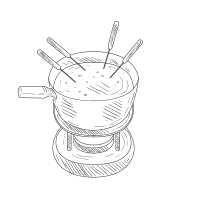
Consistent, gentle, indirect heat is non-negotiable. A classic ceramic caquelon over a tea light or alcohol burner offers tradition and beautiful presentation but demands vigilance; it’s best for maintaining an already-perfect fondue. For the critical melting phase, a heavy-bottomed saucepan on the stove provides superior control. An electric fondue pot with an adjustable thermostat is the modern workhorse, offering set-and-forget temperature regulation. Choose based on your priority: ultimate control (stove-top to classic pot) or consistent maintenance (electric pot).
The Core Flavor Components
The holy trinity of fondue is cheese, liquid, and acid. For this autumn version, two ingredients are sacrosanct. You must use 100% pure pumpkin puree, not pumpkin pie filling, which contains sugars and spices that will throw your careful balance into chaos. For the liquid base, fresh, high-quality apple cider (preferably unfiltered) is essential. Its natural sweetness and acidity are the backbone of the flavor profile. Reduce it by one-third before use to concentrate flavor and eliminate excess water that can cause a thin, weak fondue.
Cheese and Thickener Breakdown
Selecting the right cheese blend is the art within the science. Each brings a key characteristic to the emulsion. Always grate your own cheese; pre-shredded bags contain anti-caking agents that can ruin the texture. Furthermore, you must toss the grated cheese with your chosen thickener before adding it to the warm liquid. This simple step prevents the proteins from clumping into a rubbery ball.
| Component Category | Options | Key Characteristics |
|---|---|---|
| Primary Cheese | Gruyère, Emmental, Fontina, Sharp White Cheddar | Gruyère offers essential nutty depth. Fontina is supremely creamy and melty. Sharp Cheddar introduces a welcome tang. A blend (e.g., 2 parts Gruyère to 1 part Fontina and 1 part Cheddar) creates a complex, stable foundation. |
| Liquid Base | Hard Apple Cider, Dry White Wine, Non-Alcoholic Apple Cider | Hard cider is the ideal choice for this recipe, reinforcing the apple theme and providing necessary acidity. Dry white wine (like Sauvignon Blanc) is a classic, sharp alternative. For a non-alcoholic version, use reduced fresh cider with a teaspoon of lemon juice added for acidity. |
| Thickener | Cornstarch, All-Purpose Flour | Cornstarch is superior for fondue. It creates a glossier, more stable emulsion that holds well over time. Use one tablespoon per pound of cheese. Toss thoroughly until every strand is lightly coated. |
The Core System: Mastering the Melt and Emulsion
A perfect fondue is not merely melted cheese; it is a stable, creamy emulsion of fat, protein, and liquid. Managing this system requires understanding three control variables. Ignore them at your peril.
Control Variable 1: Temperature
The ideal temperature is a constant, low simmer where a few lazy bubbles break the surface. Exceeding this range is the most common error. High heat causes the proteins to tighten violently, squeezing out fat and resulting in a broken, greasy pool. Heat that is too low yields a thick, gluey, and unappetizing mass. Your method: always begin melting in a double boiler or heavy saucepan over medium-low heat. This provides gentle, even warmth. Only transfer to your serving fondue pot once the emulsion is perfectly achieved.
Control Variable 2: Acid and Moisture Balance
The acid in your cider or wine is not just for flavor. It chemically alters the cheese proteins, keeping them smooth and preventing them from binding into long, stringy threads. This is why you must add the cheese to the warm, acidic liquid, not the other way around. The pumpkin puree adds wonderful flavor and body, but it is also a source of moisture. This is why pre-reducing your cider and cooking the pumpkin with the aromatics for a minute is critical—it drives off excess water and concentrates flavor, protecting your emulsion’s integrity.
Control Variable 3: The Stir
Technique is everything. A haphazard stir creates hot spots and uneven melting. From the moment the first handful of cheese hits the warm liquid, you must employ a constant, gentle, figure-eight motion with a wooden spoon or silicone spatula. This pattern ensures even heat distribution and coaxes the cheese into a homogeneous, velvety blend. Do not rush. Add the cheese in small handfuls, allowing each to melt fully before adding the next.
Advanced Practices: Flavor Optimization and Dipper Strategy
With the core system mastered, you now elevate your fondue from technically correct to memorably exquisite. This is where personal artistry meets seasonal celebration.
Flavor Layering and Aromatics
Do not simply add spices at the end. For depth, bloom your dry spices (a pinch of freshly grated nutmeg, a half teaspoon of dry mustard, a whisper of cayenne) in the warm, reduced cider for 60 seconds before adding the cheese. This unlocks their volatile oils and toasts their flavors, embedding them into the foundation. For the finishing aromatic touch, stir in a tablespoon of brandy, calvados, or even a dark spiced rum off the heat. The alcohol vapor carries the scent directly to your guests, completing the sensory experience.
The Dipper Ecosystem
The dipper platter should be a considered composition, designed to cut through richness and provide textural contrast. Move far beyond simple bread. Think in categories: The Foundation (day-old, crusty sourdough or baguette cubes, which hold up well). The Crisp Contrast (blanched or roasted broccoli florets, cauliflower, Brussels sprout halves). The Sweet Relief (firm apple slices, like Honeycrisp or Granny Smith, and soft pretzel bites). The Savory Anchor (cooked, cubed ham, smoked sausage, or seared steak tips). This variety ensures every dip is a new discovery.
Threat Management: Saving and Reviving Your Fondue
A master is proactive, not reactive. Adherence to the core system prevents most disasters. The cardinal rules are low heat, pre-tossed cheese, and gradual addition. However, even experts face challenges. Here is your tiered response plan.
Prevention is Primary: Keep your heat source low. Never leave the fondue unattended while melting. Ensure every shred of cheese is coated in cornstarch.
Intervention – The Tiered Response:
- Scenario: Too Thick. The fondue is becoming a paste. Solution: Immediately whisk in a small splash (a tablespoon or two) of warmed cider, wine, or even whole milk. Incorporate fully.
- Scenario: Beginning to Separate. An oily sheen appears around the edges. Solution: Immediately remove the pot from the heat. Vigorously whisk in 1-2 teaspoons of fresh lemon juice or a slurry of 1 teaspoon cornstarch mixed with 1 tablespoon of cold cider. The added acid or starch can often re-emulsify the fats.
- Scenario: “Seized” or Grainy. The cheese has broken into tight, grainy curds. Solution: This is often a point of no return. As a last resort, try using an immersion blender with a tablespoon of hot cream. This may salvage it into a passable sauce, but the texture will not be perfect fondue.
The Action Plan: A Seasonal Fondue Timeline
Execution under pressure leads to mistakes. This practical roadmap removes the guesswork and lets you focus on hosting.
| Phase | Primary Tasks | What to Focus On |
|---|---|---|
| Prep (Day Before/Morning Of) | Grate all cheese; toss thoroughly with cornstarch. Store in a sealed container. Reduce apple cider by one-third. Prepare all dippers; store in separate containers. | Mise en place. Your success depends on this preparation. Concentrating the cider flavor is a critical, passive step. |
| Hour Before Serving | Set up the fondue station with pot, burner, fuel, and serving platters. Warm plates or bowls for dippers in a low oven. | Creating an inviting, functional presentation area. Warm serving dishes keep the fondue from cooling too quickly on cold dippers. |
| The Melt (15 Min Before Guests Dip) | On the stove, use your double-boiler method. Warm the reduced cider with bloomed spices. Add cheese in handfuls, stirring in a constant figure-eight until luxuriously creamy. Whisk in pumpkin puree until fully incorporated. | Achieving the perfect, stable emulsion in the controlled environment of your stove. This is your moment of focused craftsmanship. |
| Service & Enjoyment | Transfer the completed fondue to your serving pot. Adjust the fondue burner to maintain the gentlest possible bubble. Light the candle, gather your guests, and begin. | Maintaining temperature and fostering the communal, joyful ritual of shared dining. Your work is done; now, savor. |
The journey from concept to centerpiece is a masterclass in balance. It begins with the deliberate selection of hardware and the uncompromising quality of pumpkin and cider. It proceeds through the precise, scientific management of temperature and emulsion. It culminates in the artful layering of spice and the strategic composition of the dipper platter. When you master this process, you achieve more than a dish. You create the warm, aromatic, beating heart of the harvest table—a personal celebration of autumn that draws people together. The profound satisfaction of that moment, of watching friends and family gather around a pot of your own impeccable creation, is the unparalleled joy of this culinary mastery. It doesn’t just feed the body; it enriches the season.
Related Articles
- New Year’s Eve Champagne Fondue Recipes
- Spring Garden Fondue: Fresh Herb and Vegetable Cheese Blends
- Best Cheese Fondue Restaurants Around the World: Where to Get the Most Decadent Melted Cheese Experience
- Traditional Swiss Cheese Fondue Recipe: Step-by-Step Guide