The Ultimate Guide: How to Get a Smooth Cheese Fondue Consistency Every Time
There’s nothing quite like the communal joy of dipping bread into a pot of warm, velvety cheese fondue. But that joy can quickly turn to frustration when your fondue turns grainy, separates into an oily puddle, or becomes a tangled, stringy mess. This guide will demystify the process, providing a foolproof, step-by-step method to achieve a perfectly emulsified, restaurant-quality smooth cheese fondue in your own kitchen.
The Core Principles for a Perfectly Smooth Fondue
Understanding the science behind the emulsion is the first step to fondue mastery. Follow these core principles for guaranteed success.
Choosing the Right Cheese (The Foundation of Smoothness)
The journey to smooth fondue begins at the cheese counter. Opt for cheeses known for their excellent melting properties, such as Gruyère, Emmental, Vacherin, or Appenzeller. A blend of two cheeses often provides the best balance of flavor and texture.
Pain Point: A major culprit for lumpy fondue is pre-shredded cheese. These convenient packages are often dusted with anti-caking agents like potato starch or cellulose, which prevent the cheese from melting evenly and can create a gummy texture.
Unique Tip: For a guaranteed silky texture, add a small piece of a processed cheese like American cheese or a spoonful of sodium citrate. These are powerful emulsifiers that stabilize the mixture, preventing the fats and proteins from separating, without imparting a cheesy flavor. It’s a professional chef’s secret for flawless consistency.
The Critical Role of Your “Liquid Base”
The liquid in your fondue isn’t just there for volume; it’s a critical chemical component. An acidic liquid, such as a dry white wine or beer, is essential. The acid helps to keep the milk proteins (casein) in the cheese separated, preventing them from clumping together and seizing up into a tight, rubbery ball.
| Liquid | Flavor Profile | Emulsifying Effectiveness |
|---|---|---|
| Dry White Wine | Classic, slightly tart, complex | Excellent (high acidity) |
| Light Beer | Nutty, malty, slightly bitter | Very Good |
| Broth + Lemon Juice | Savory, neutral | Good (with added acid) |
| Apple Cider | Fruity, sweet, tangy | Good |
The Art of the Slurry: Your Anti-Clumping Insurance
A cornstarch slurry is your insurance policy against lumps. By coating the shredded cheese in cornstarch *before* it hits the heat, you ensure the starch disperses evenly, thickening the fondue smoothly as the cheese melts.
Pain Point: Adding raw cornstarch or flour directly to the hot liquid will cause it to instantly clump, creating starchy nuggets throughout your fondue that are nearly impossible to whisk out.
Mastering Low and Slow Heat
Patience is the most important ingredient not listed in any recipe. High heat is the enemy of a smooth fondue. It causes the cheese to melt too quickly, forcing the fats to separate from the proteins and resulting in a greasy, broken sauce.
Pain Point: The number one mistake is rushing the process by turning up the heat. A gentle, gradual melt is non-negotiable.
Troubleshooting Common Fondue Disasters
Even with the best preparation, things can sometimes go sideways. Here’s how to fix common fondue failures.
My Fondue is Lumpy! How to Fix It
If you see small lumps forming, act quickly. Immediately remove the pot from the heat and vigorously whisk in a small amount of your warm liquid base (wine, lemon juice, or even a splash of cream). If the lumps persist, your last resort is to use an immersion blender to puree it back to smoothness.
My Fondue is Oily and Separated
This means the emulsion has “broken.” Don’t panic. Take the pot off the heat and whisk in a tablespoon of cold liquid (wine or lemon juice). The shock of the cold liquid can help the fats re-integrate with the proteins. Whisk continuously until it becomes smooth again.
My Fondue is Too Thick or Too Thin
Too Thick: This is an easy fix. Simply gradually whisk in more of your warm liquid base until the fondue reaches your desired dipping consistency.
Too Thin: Create a new cornstarch slurry by mixing one tablespoon of cornstarch with two tablespoons of cold wine or water. Whisk this new slurry into the simmering fondue and cook for a minute or two until it thickens.
Frequently Asked Questions (FAQs)
Can I make fondue without wine?
Absolutely! You can substitute the wine with non-alcoholic beer, apple cider, or a combination of broth and a generous squeeze of fresh lemon juice to provide the necessary acidity.
Why did my fondue get stringy?
A stringy, elastic texture is almost always caused by overheating. The high heat causes the cheese proteins to tighten and bond too strongly. The solution is to immediately lower the heat and stir in a bit more liquid to relax the proteins.
What is the single most important tip for learning how to get a smooth cheese fondue consistency?
The single most important tip is to add the cheese gradually, one handful at a time, stirring constantly and ensuring each addition is fully melted and incorporated before adding the next. This slow, patient integration is the true secret to how to get a smooth cheese fondue consistency.
Can I reheat leftover fondue?
Yes, but it must be done gently to prevent separation. The best method is to use a double-boiler or to reheat it on the lowest possible setting on your stovetop, stirring frequently and adding a splash of liquid to help it loosen up.
Pro-Tips for the Perfect Fondue Experience
- Garlic Rub: Before you begin cooking, cut a garlic clove in half and rub it thoroughly over the inside of your fondue pot or heavy-bottomed saucepan. This imparts a subtle, authentic garlic flavor to the entire dish.
- Fondue Etiquette: Provide each guest with a dedicated fondue fork and a separate plate for eating. This prevents “double-dipping” and keeps the communal pot hygienic.
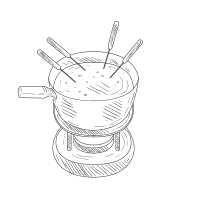
- Maintaining Temperature: When serving, keep the fondue over a very low flame, like a tea light or an alcohol burner, just enough to keep it warm and gently bubbling. Avoid high heat, which will continue to cook and potentially break your perfect emulsion.
Related Articles
- How to Keep Cheese Fondue Warm
- Tips for avoiding lumpy cheese fondue
- How to thicken thin cheese fondue
- Tips for keeping cheese fondue warm and gooey